Joint Ownership Agreement Format In New York
Description

Get your form ready online
Our built-in tools help you complete, sign, share, and store your documents in one place.
Make edits, fill in missing information, and update formatting in US Legal Forms—just like you would in MS Word.
Download a copy, print it, send it by email, or mail it via USPS—whatever works best for your next step.
Sign and collect signatures with our SignNow integration. Send to multiple recipients, set reminders, and more. Go Premium to unlock E-Sign.
If this form requires notarization, complete it online through a secure video call—no need to meet a notary in person or wait for an appointment.
We protect your documents and personal data by following strict security and privacy standards.

Make edits, fill in missing information, and update formatting in US Legal Forms—just like you would in MS Word.

Download a copy, print it, send it by email, or mail it via USPS—whatever works best for your next step.

Sign and collect signatures with our SignNow integration. Send to multiple recipients, set reminders, and more. Go Premium to unlock E-Sign.

If this form requires notarization, complete it online through a secure video call—no need to meet a notary in person or wait for an appointment.

We protect your documents and personal data by following strict security and privacy standards.
Looking for another form?

Form popularity
FAQ
Easy. Just prepare a quitclaim deed from you as grantor to you and someone, as tenants in common/joint tenants with rights of survivorship/husband and wife in recordable form (exactly like your current recorded deed) and submit it with the two required forms and filing fees to the County Clerk for recording.
Perhaps the most common form of joint tenancy ownership is that of a married couple.
Not only does this ensure the immediate transfer of property, but it also avoids the lengthy and costly probate process. In New York, there are three ways to hold property with a co-owner: tenancy by the entirety, joint tenancy, and tenants in common.
Upon the death of an owner of registered real property, it shall be incumbent upon the surviving spouse or the joint tenant with right of survivorship to present to the registrar a petition on the annexed form, for the transfer of the title into the name of the survivor.
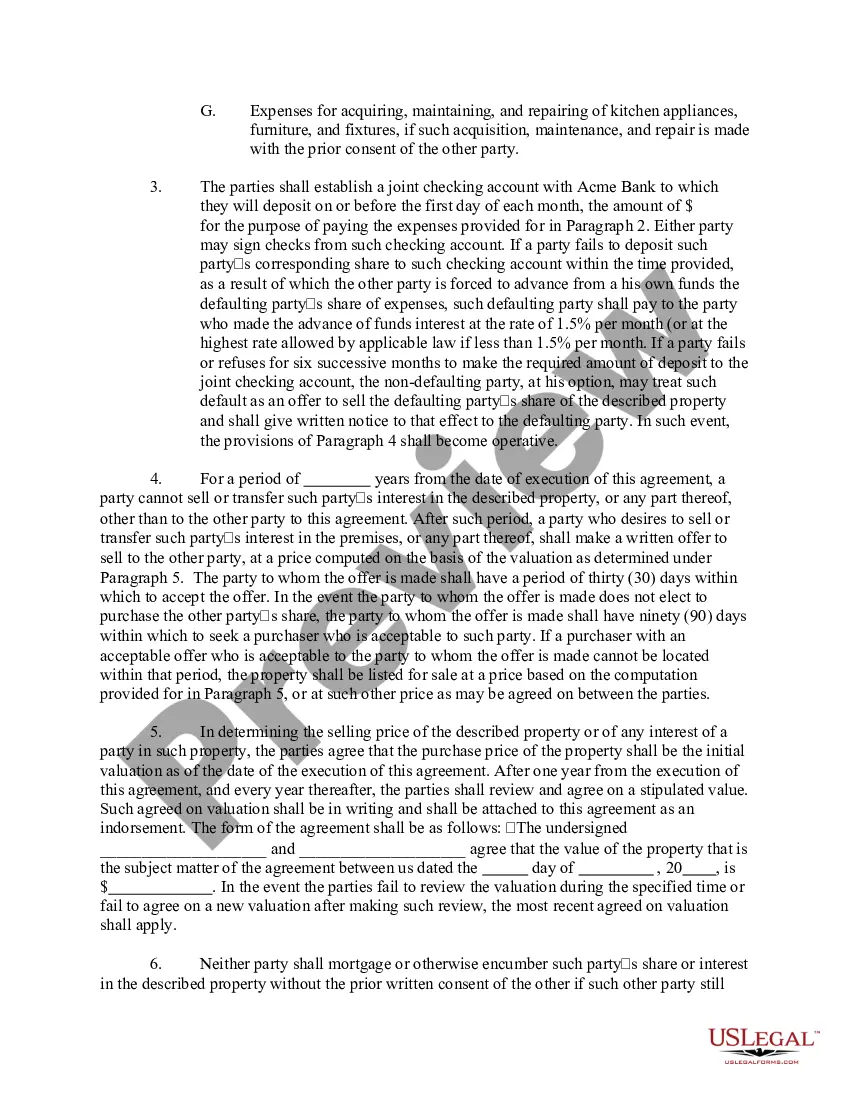
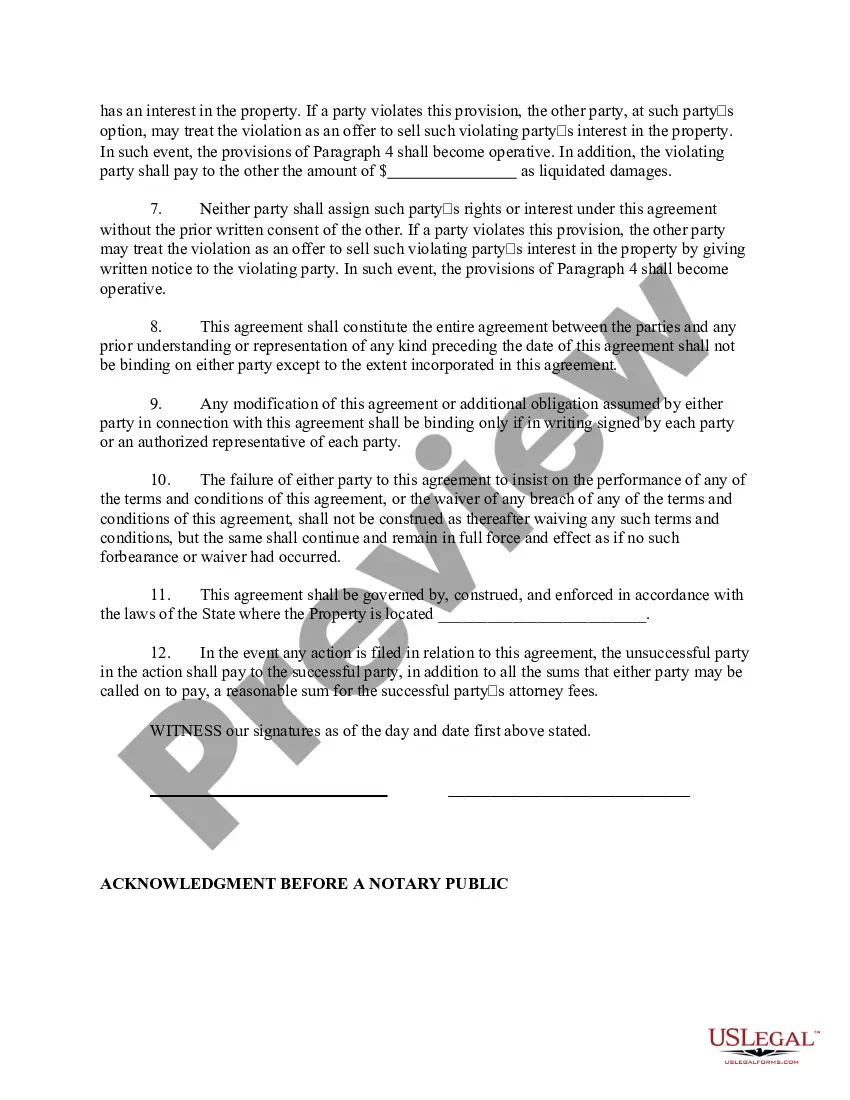
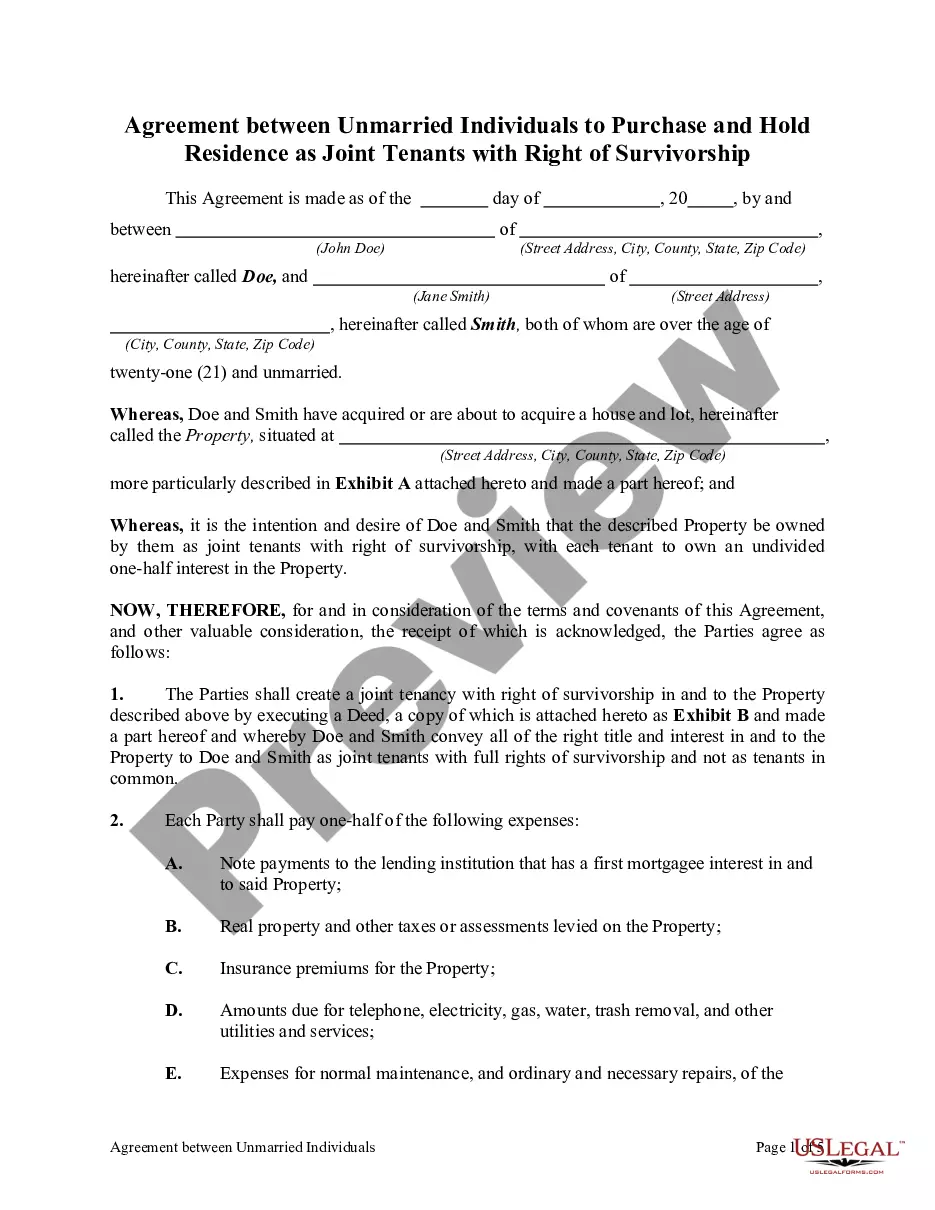
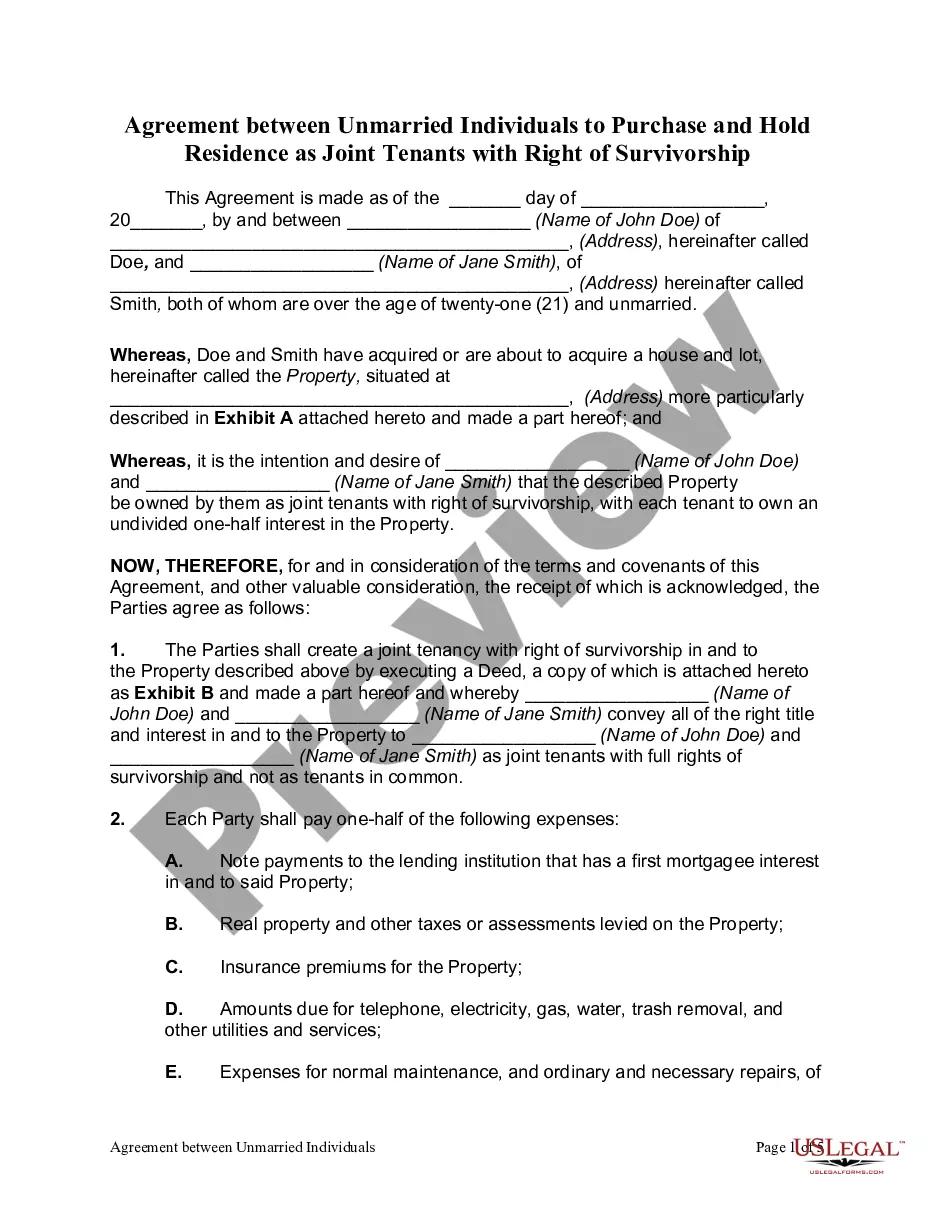
A comprehensive property co-ownership agreement template should include the following sections: Introduction. - Names of co-owners: Clearly list all parties involved in the co-ownership. Ownership shares. Financial obligations. Property management. Dispute resolution. Transfer of ownership. Miscellaneous provisions.
– Quitclaim deed must be written and signed by grantor before a notary public. – Must include legal description, property address, county, date, grantor and grantee names, and transfer amount (if any). – File the quitclaim deed with the County Clerk or City Registrar.
Adding a family member to the deed as a joint owner for no consideration is considered a gift of 50% of the property's fair market value for tax purposes. If the value of the gift exceeds the annual exclusion limit ($16,000 for 2022) the donor will need to file a gift tax return (via Form 709) to report the transfer.
The primary pitfalls are the need for agreement, the potential for assets to be frozen, and loss of control over the distribution of assets after death. Tenancy in common is an alternative to joint tenancy that avoids some of its drawbacks.
Co-ownership might entail more complex legal agreements, specifically outlining each party's rights and responsibilities. Joint property ownership usually involves a simpler, more standardised agreement.
Joint tenancy should be used with extreme caution. It can subject a co- owner to unnecessary taxes and liabili- ty for the other co-owner's debts. It can also deprive heirs of bequeathed prop- erty and, in California, leave the joint tenant without right of survivorship.