Asking Employer For Severance In Illinois
Description

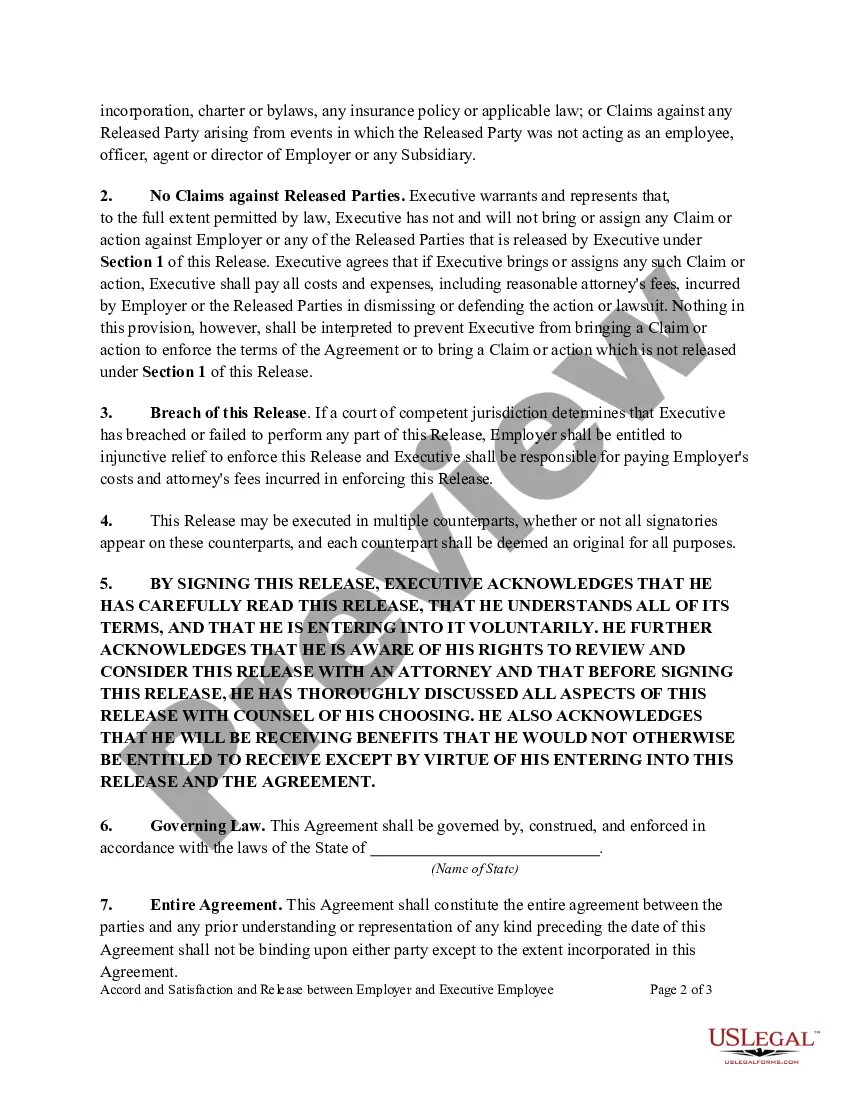
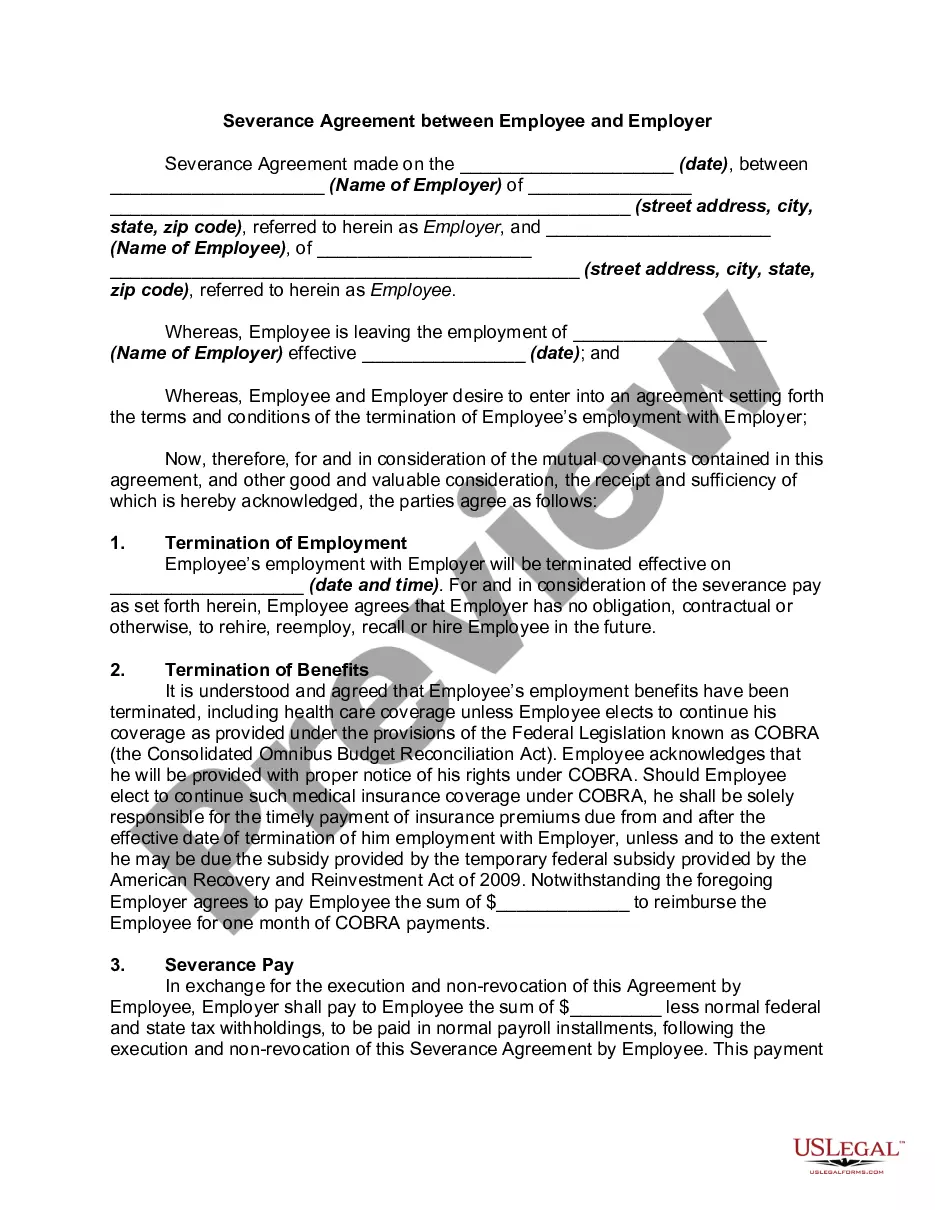
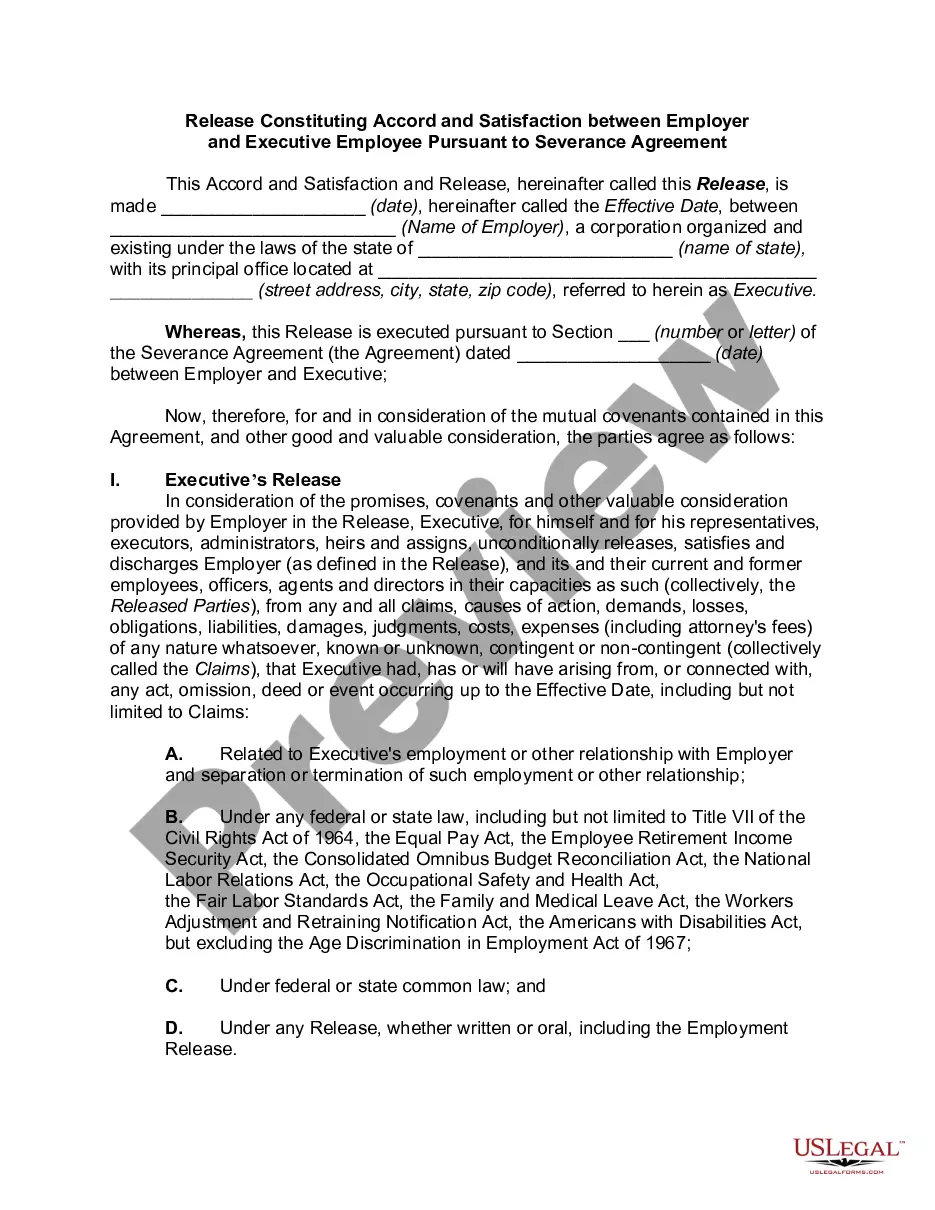
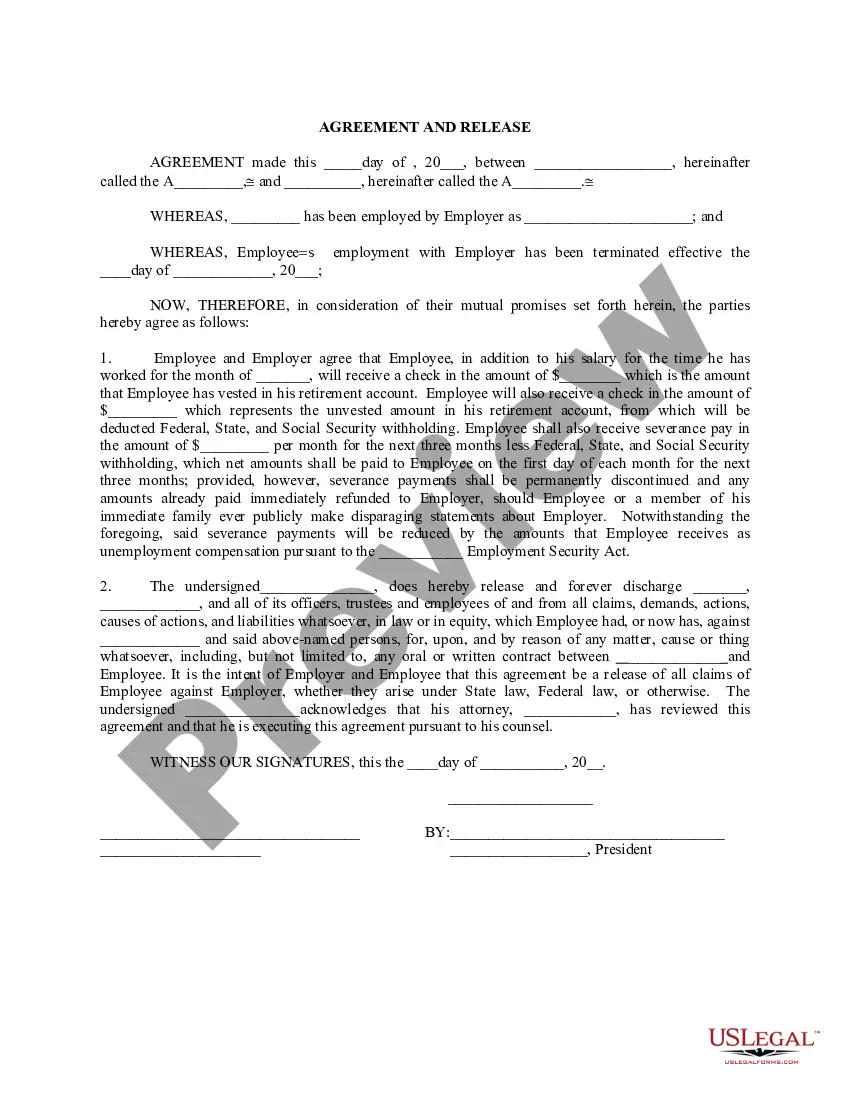
Get your form ready online
Our built-in tools help you complete, sign, share, and store your documents in one place.
Make edits, fill in missing information, and update formatting in US Legal Forms—just like you would in MS Word.
Download a copy, print it, send it by email, or mail it via USPS—whatever works best for your next step.
Sign and collect signatures with our SignNow integration. Send to multiple recipients, set reminders, and more. Go Premium to unlock E-Sign.
If this form requires notarization, complete it online through a secure video call—no need to meet a notary in person or wait for an appointment.
We protect your documents and personal data by following strict security and privacy standards.

Make edits, fill in missing information, and update formatting in US Legal Forms—just like you would in MS Word.

Download a copy, print it, send it by email, or mail it via USPS—whatever works best for your next step.

Sign and collect signatures with our SignNow integration. Send to multiple recipients, set reminders, and more. Go Premium to unlock E-Sign.

If this form requires notarization, complete it online through a secure video call—no need to meet a notary in person or wait for an appointment.

We protect your documents and personal data by following strict security and privacy standards.
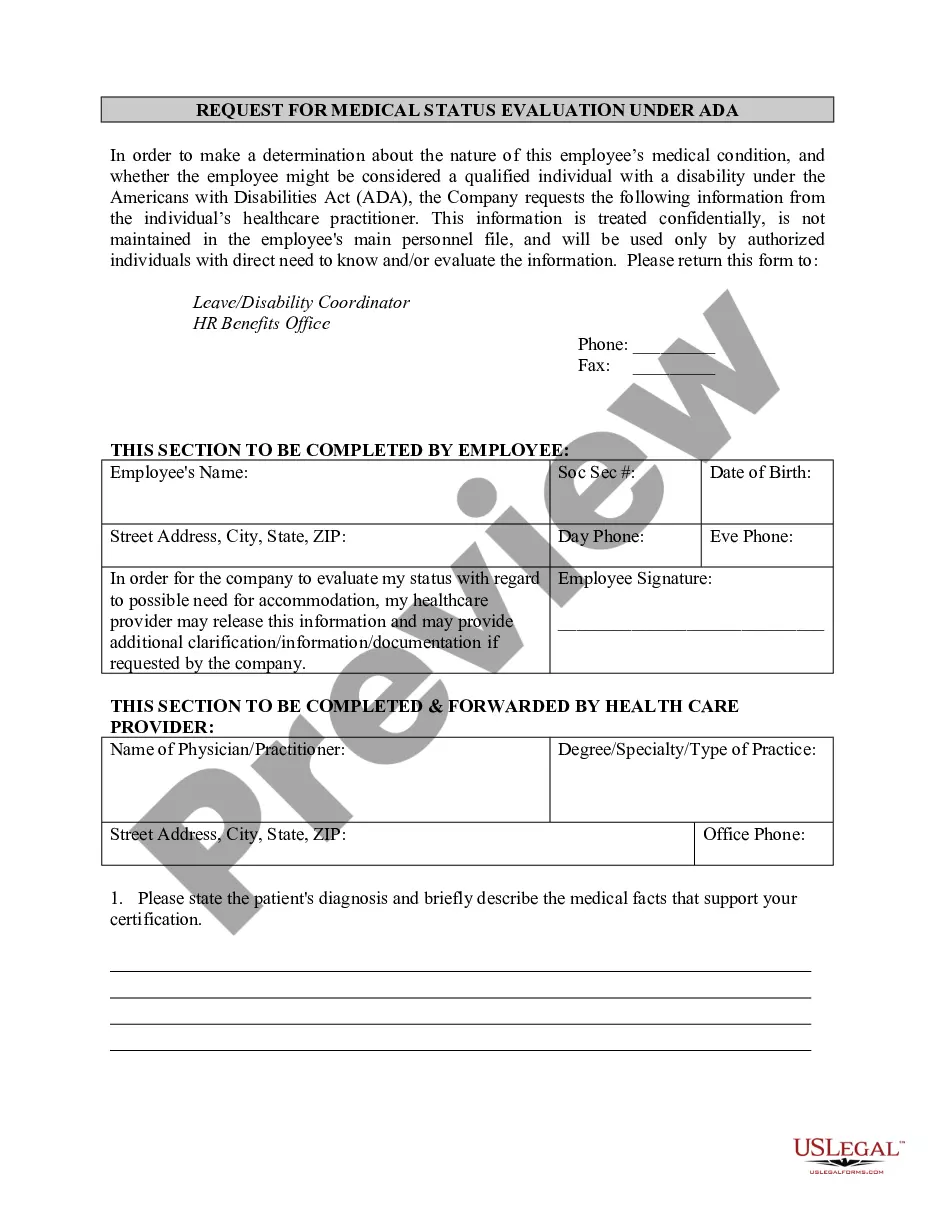
Looking for another form?









Form popularity
FAQ
Neither the California Labor Code nor the federal Fair Labor Standards Act require employers to offer severance agreements to departing employees. Instead, severance agreements are provided by employers to accomplish a specific goal.
California wrongful termination occurs when a person has been fired or laid off while exercising their legal work rights and duties, or acting in obligation to public safety. This happens when an employee is fired by an employer while refusing to violate a statute or performing a work requirement.
An aggrieved employee must generally prove the following: He/she has been discharged; In retaliation for his/her protected activities; and the discharge violates a clear mandate of public policy.
While multimillion awards are possible, it is crucial to keep in mind that federal laws limit the amount of punitive and compensatory damages awarded in cases involving wrongful termination. They cannot exceed $50,000 – $300,000, depending on the number of employees working for the employer's business.
If you wish to locate additional information, visit the Illinois Workers' Compensation Commission. 4. Can an employer terminate me without advance notice or without giving a reason or an unfair reason for the termination? Yes.
You do not get severance if you quit. Nobody is automatically entitled to any severance legally, ever, unless you were hired under a contract such as a 1099 employee and you have severance written into your agreement. Standard W-2 employees usually do not get severance.
4. Can an employer terminate me without advance notice or without giving a reason or an unfair reason for the termination? Yes. Illinois is an "employment at-will" state, meaning that an employer or employee may terminate the relationship at any time, without any reason or cause.
What are the 7 steps that concerns HR in terminating employees? Review relevant policies and laws. Document performance issues. Consult legal counsel. Arrange an exit interview. Assist with transition plan. Finalize termination letter. Offer support resources.
Some factors that are often considered include length of employment at the company, your position or rank within the organization, salary, and individual circumstances relating to termination. Some employers adhere to a written contract or employment agreement or policy that was outlined previously.