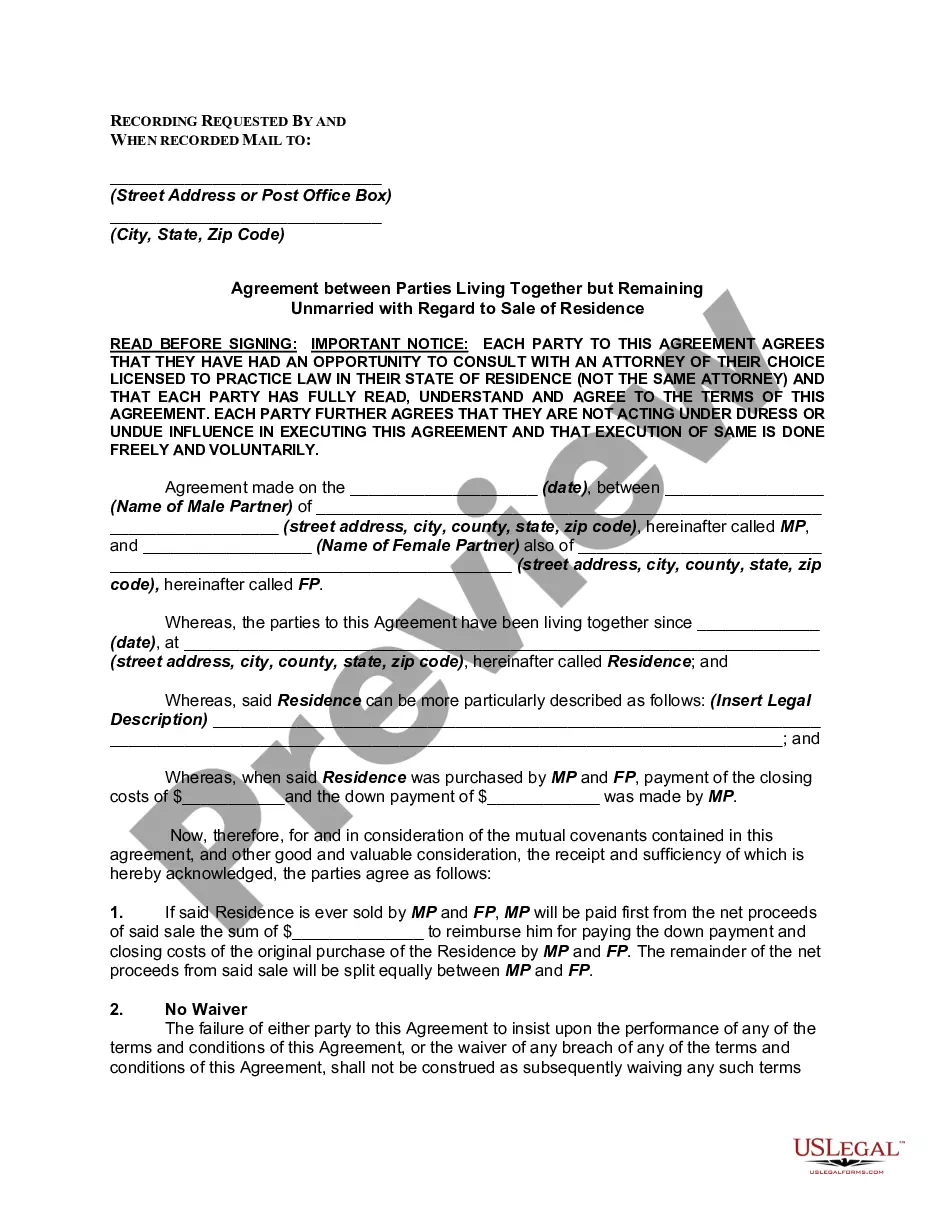
Separation Agreement For Unmarried Couples In Nevada
Description

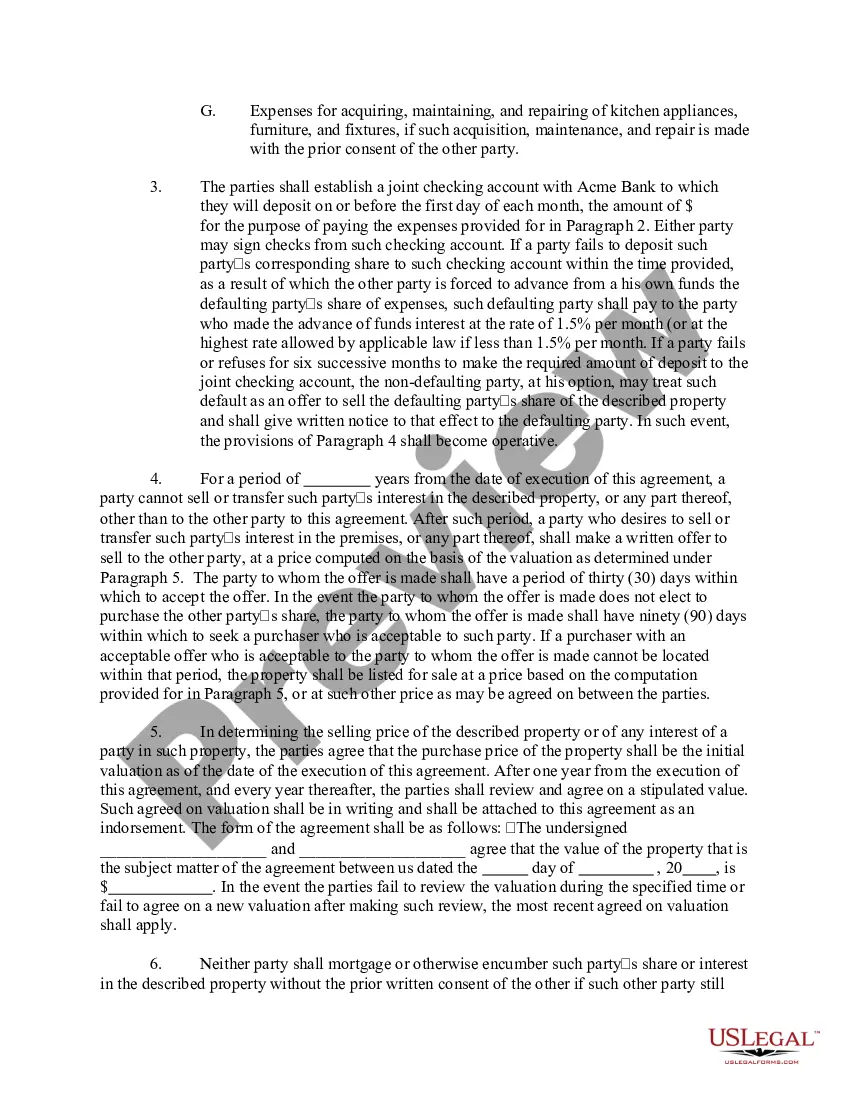
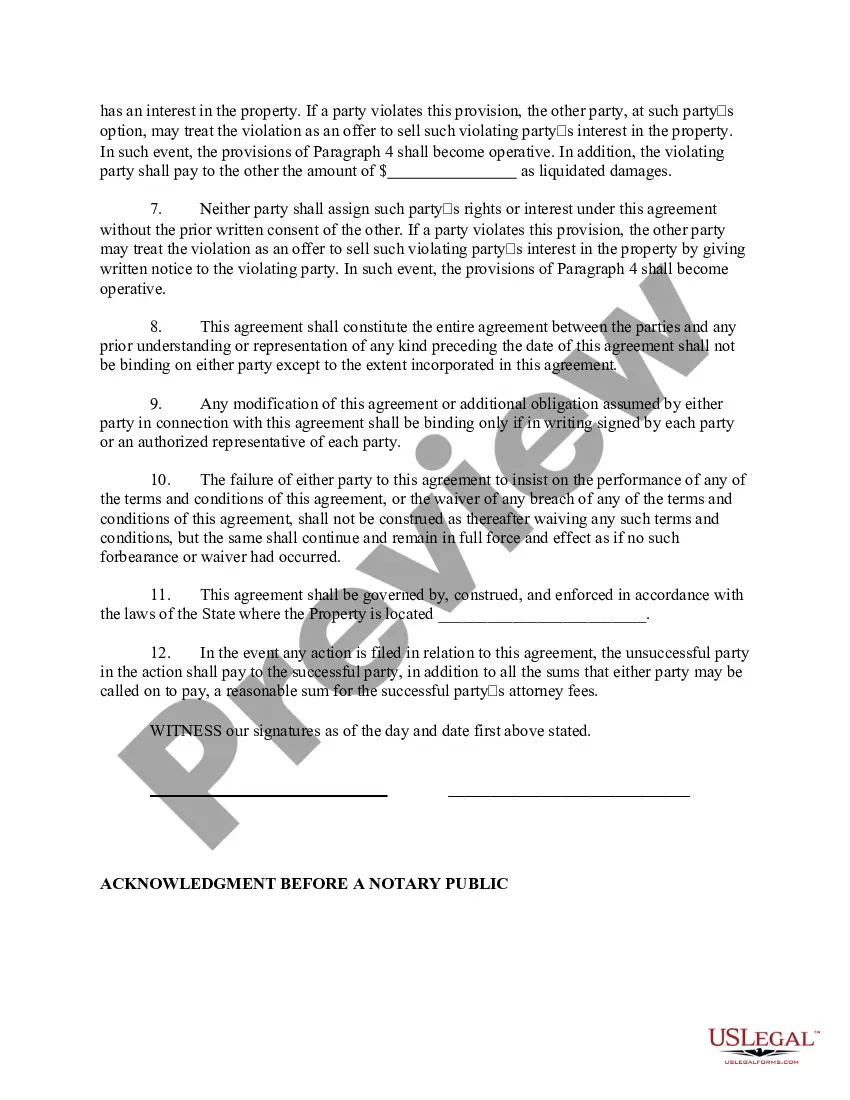
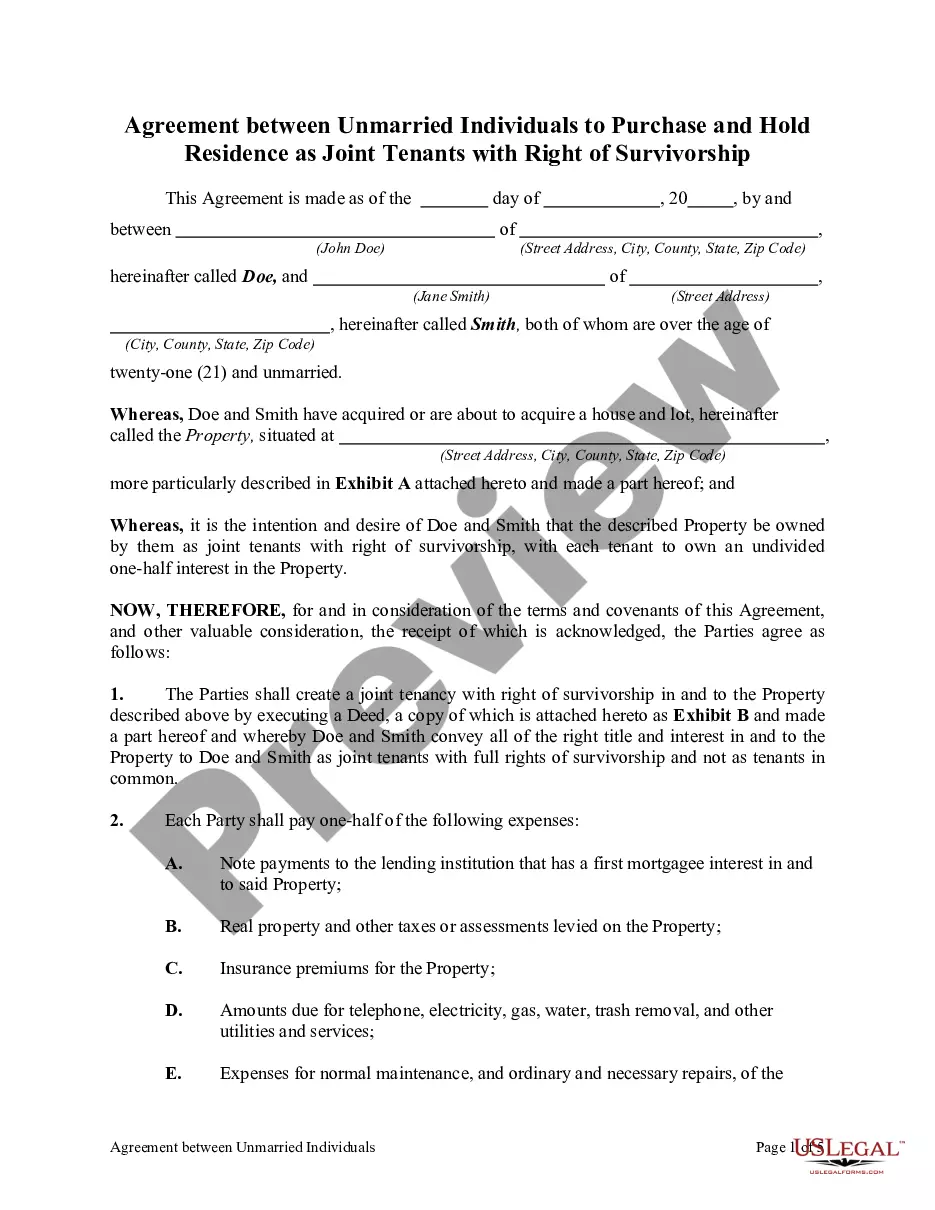
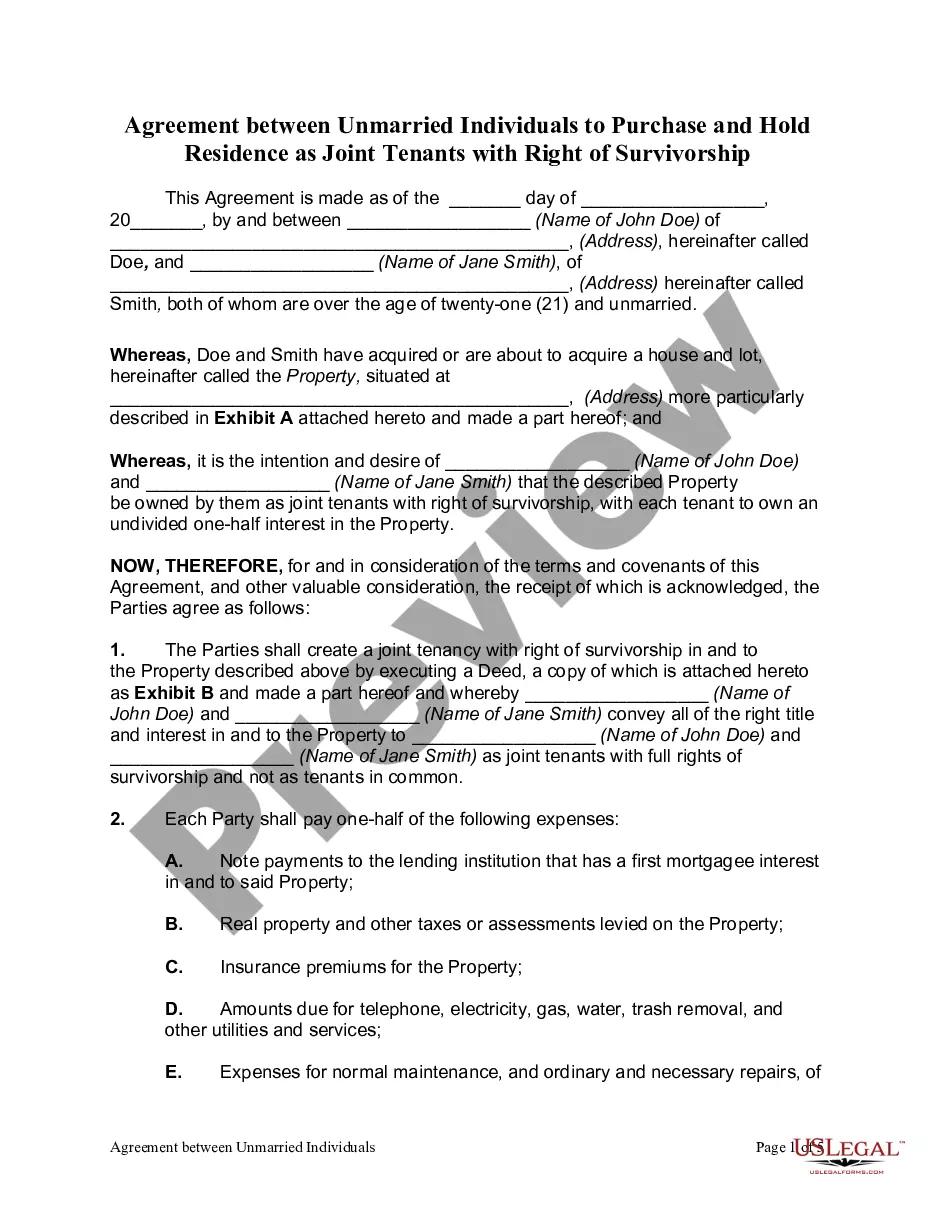
Get your form ready online
Our built-in tools help you complete, sign, share, and store your documents in one place.
Make edits, fill in missing information, and update formatting in US Legal Forms—just like you would in MS Word.
Download a copy, print it, send it by email, or mail it via USPS—whatever works best for your next step.
Sign and collect signatures with our SignNow integration. Send to multiple recipients, set reminders, and more. Go Premium to unlock E-Sign.
If this form requires notarization, complete it online through a secure video call—no need to meet a notary in person or wait for an appointment.
We protect your documents and personal data by following strict security and privacy standards.

Make edits, fill in missing information, and update formatting in US Legal Forms—just like you would in MS Word.

Download a copy, print it, send it by email, or mail it via USPS—whatever works best for your next step.

Sign and collect signatures with our SignNow integration. Send to multiple recipients, set reminders, and more. Go Premium to unlock E-Sign.

If this form requires notarization, complete it online through a secure video call—no need to meet a notary in person or wait for an appointment.

We protect your documents and personal data by following strict security and privacy standards.
Looking for another form?









Form popularity
FAQ
Each party continues owning their share, and a breakup will not alter the property rights.
In the absence of an agreement to the contrary, typically it would be a 50-50 split. The other party would be forced to buy out your equity in the property and refinance the mortgage so that it is in her name, or the property would have to be sold and you'd split the proceeds.
Each unmarried partner is presumed to own his or her own property and debts unless you've deliberately combined your assets--for example, by opening a joint account or putting both names on a deed to your home.
A person separated (whether or not legally by court order) but not divorced is still considered to be -- and in fact still is--married. The reason for this is that marriage is a legal contract between spouses that lasts until it is formally terminated by dissolution (divorce) or death.
The court will look for an express or implied agreement between the parties to acquire and hold property as if they were married. If this is found then the property will divided as any community property would be divided. Which is evenly under Nevada law. An express agreement is an agreement that is written.
In the absence of an agreement to the contrary, typically it would be a 50-50 split. The other party would be forced to buy out your equity in the property and refinance the mortgage so that it is in her name, or the property would have to be sold and you'd split the proceeds.
Couples often live together before they marry, and many live together indefinitely without getting married at all. Property laws generally treat an unmarried couple as separate individuals with no legal rights or responsibilities if the relationship ends.
1. AGREE A DATE OF SEPARATION. The first thing you should do is to note, your date of separation. This date is important because it calculates any time limits you have to bring a property settlement claim and make a divorce application.
Nevada does not require both spouses to agree to the divorce. Although a divorce can be done quicker and easier when the spouses agree, one spouse can file for divorce on their own. This allows one spouse to file and possible get a final divorce without the other's signature.
Nevada is a community property state, which, in terms of divorce, translates to a 50/50 split. This principle signifies that all wealth accumulated during the marriage is evenly divided between the spouses upon divorce.
