Joint Tenants With Right Of Survivorship Vs Tenants In Common In Nevada
Description

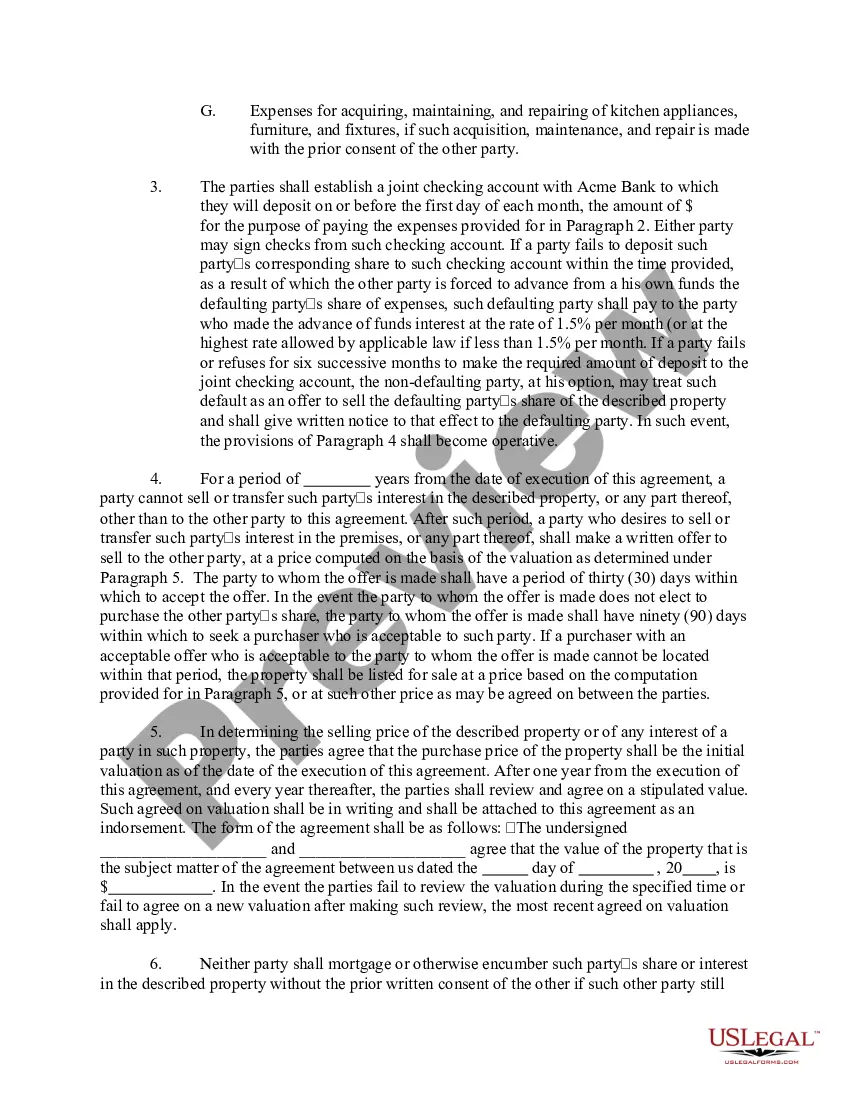
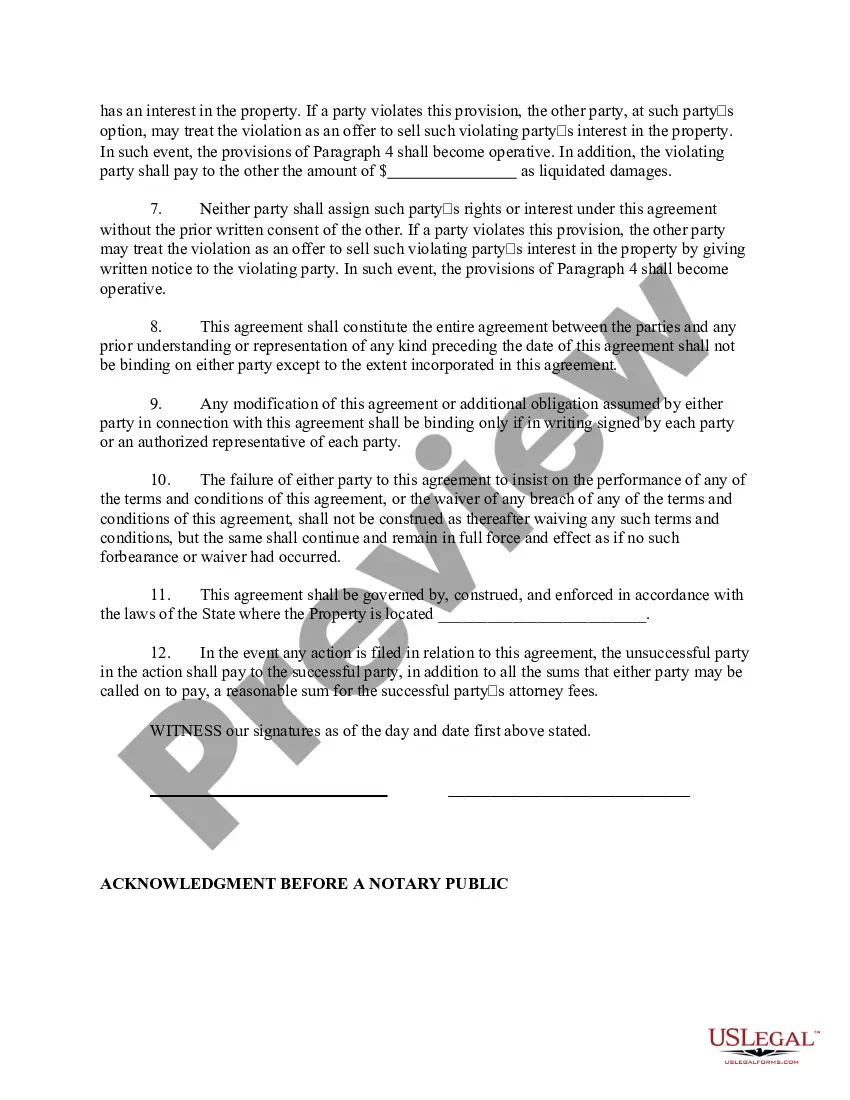
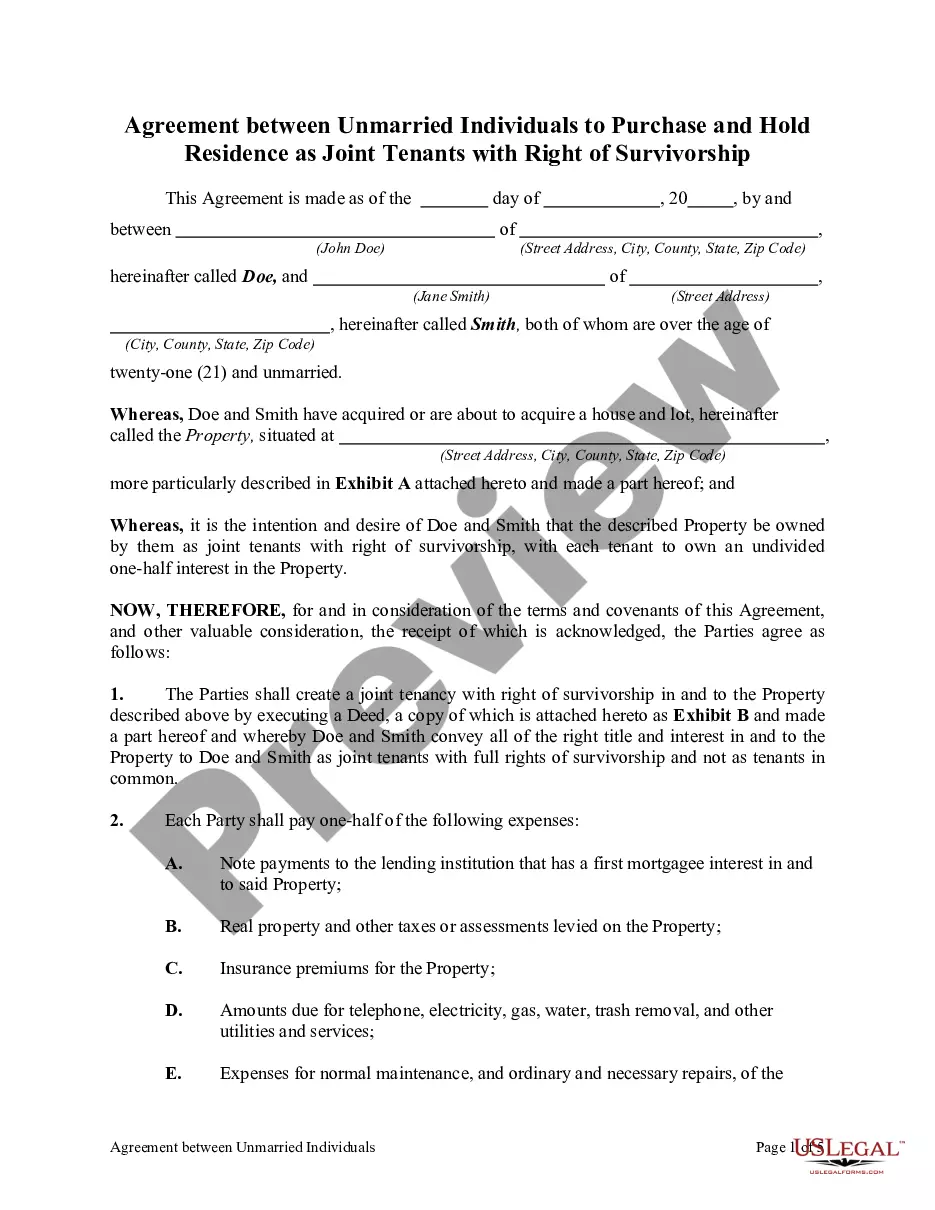
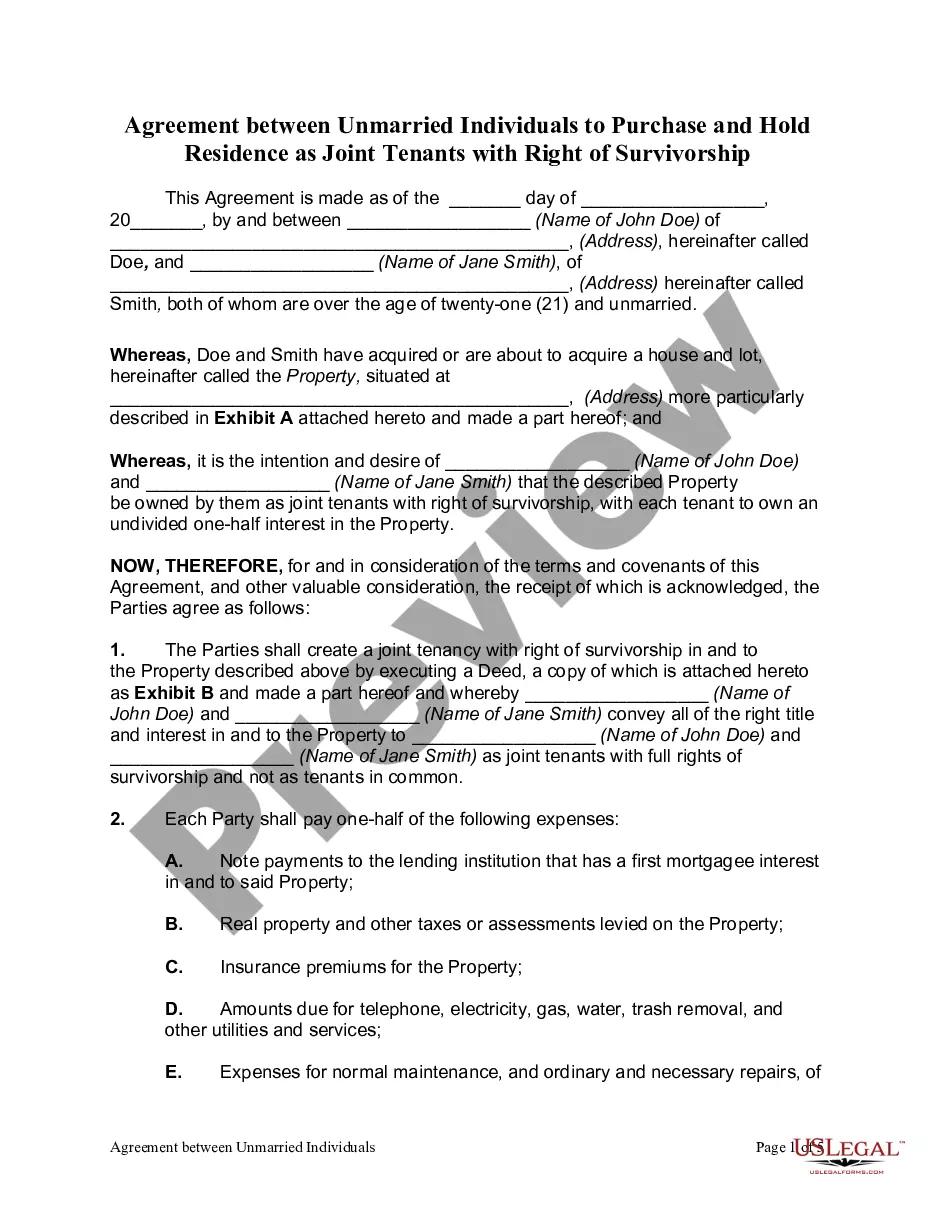




Form popularity
FAQ
Legal definition of a “survival” action in Nevada Sometimes accident victims die before they can bring — or finish prosecuting — a personal injury lawsuit. If this happens, Nevada's “survival” laws under NRS 41.100 permit the deceased plaintiff's estate to take over fighting the case and recover any damages.
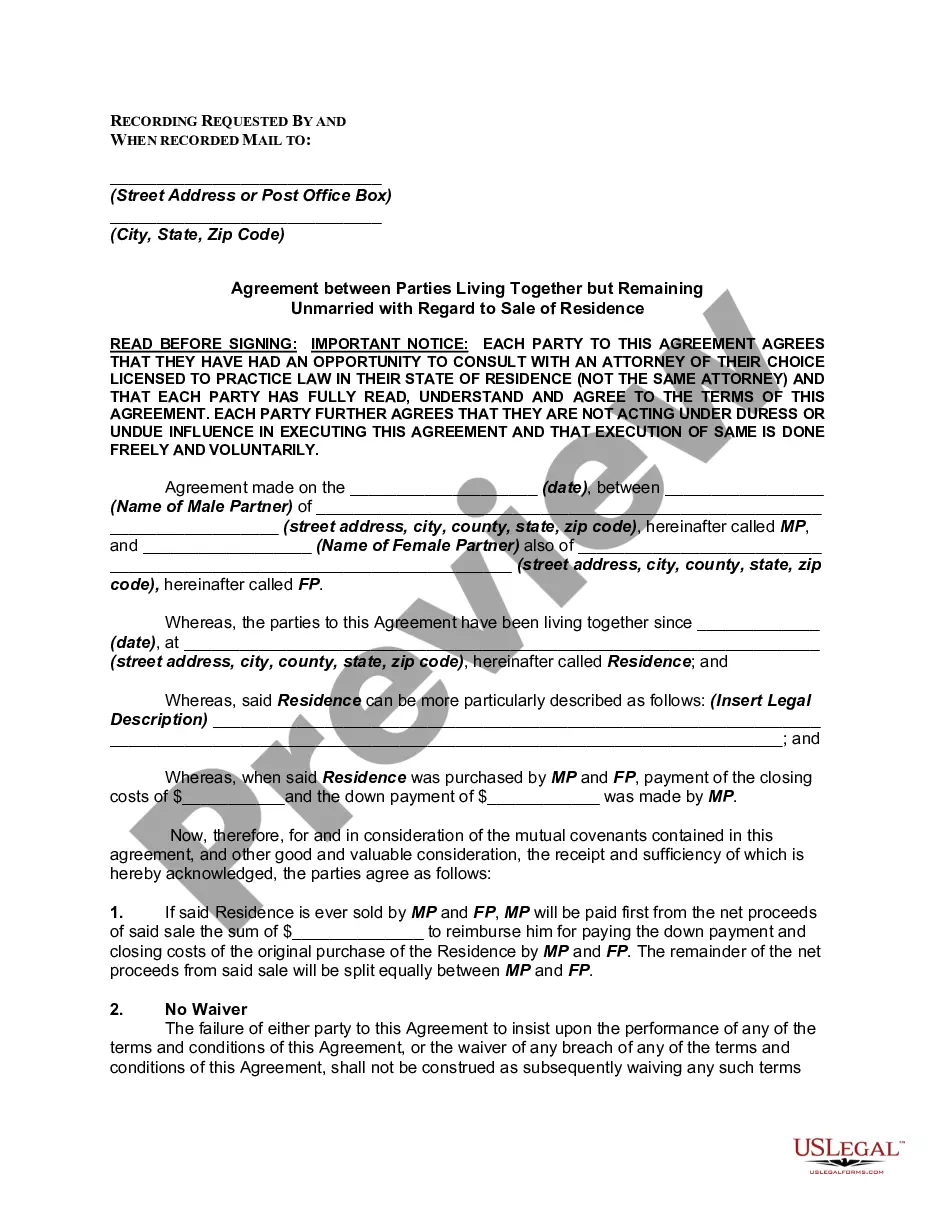
Married couples can also hold property as joint tenants or tenants in common. However, both California and Nevada have the option for married couples to hold property as “community property” or “community property with right of survivorship”.
Further tenancy in common allows parties to hold unequal shares of property interest. Joint tenancy requires each co-owner to hold equal shares of property. Further, co-owners must transfer the deed at the same time. In this sense, joint tenancy is rigid compared to tenancy in common.
Tenants in common gives you more protections and you can specify in a deed of trust what you would want to happen in the event of relationship breakdown (eg if one of you has first dibs to buy the other out, or a time limit on doing so etc) which is definitely better to decide now whilst you still like each other!
Joint tenancy is most common among married couples because it helps property owners avoid probate. Without joint tenancy, a spouse would have to wait for their partner's Last Will to go through a legal review process—which can take months or even years.
Further tenancy in common allows parties to hold unequal shares of property interest. Joint tenancy requires each co-owner to hold equal shares of property. Further, co-owners must transfer the deed at the same time. In this sense, joint tenancy is rigid compared to tenancy in common.
Joint tenants have a 100% stake in the property. Tenants in Common have a stake that is reflective of their share. For example, a tenant with a 60% share in the property only owns 60% of that property.
