Joint Tenancy Definition In Law In Nevada
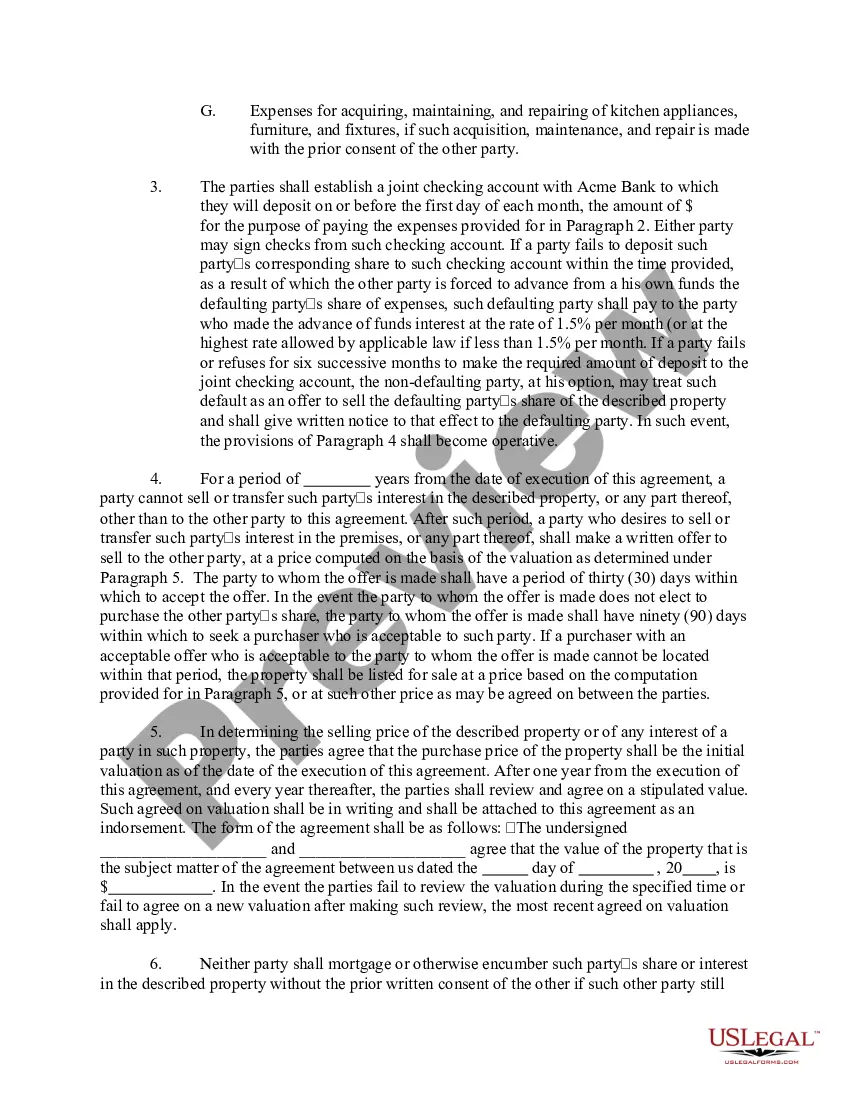
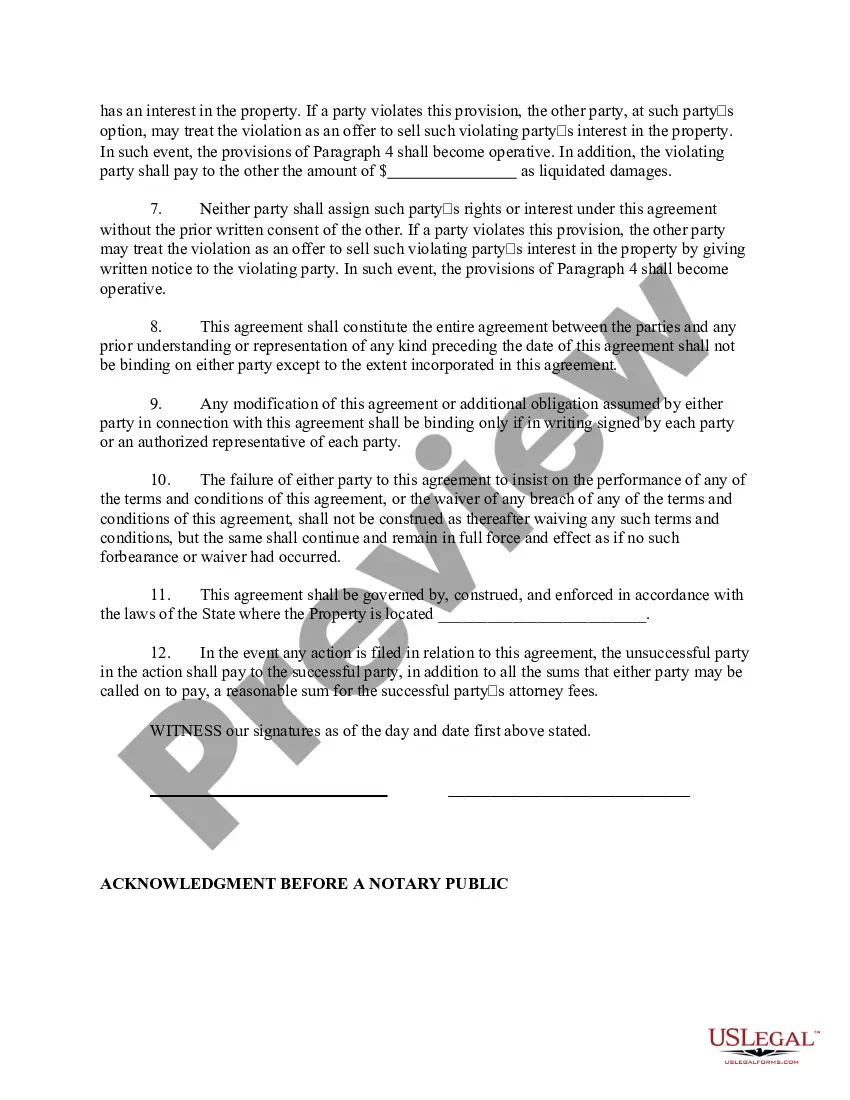
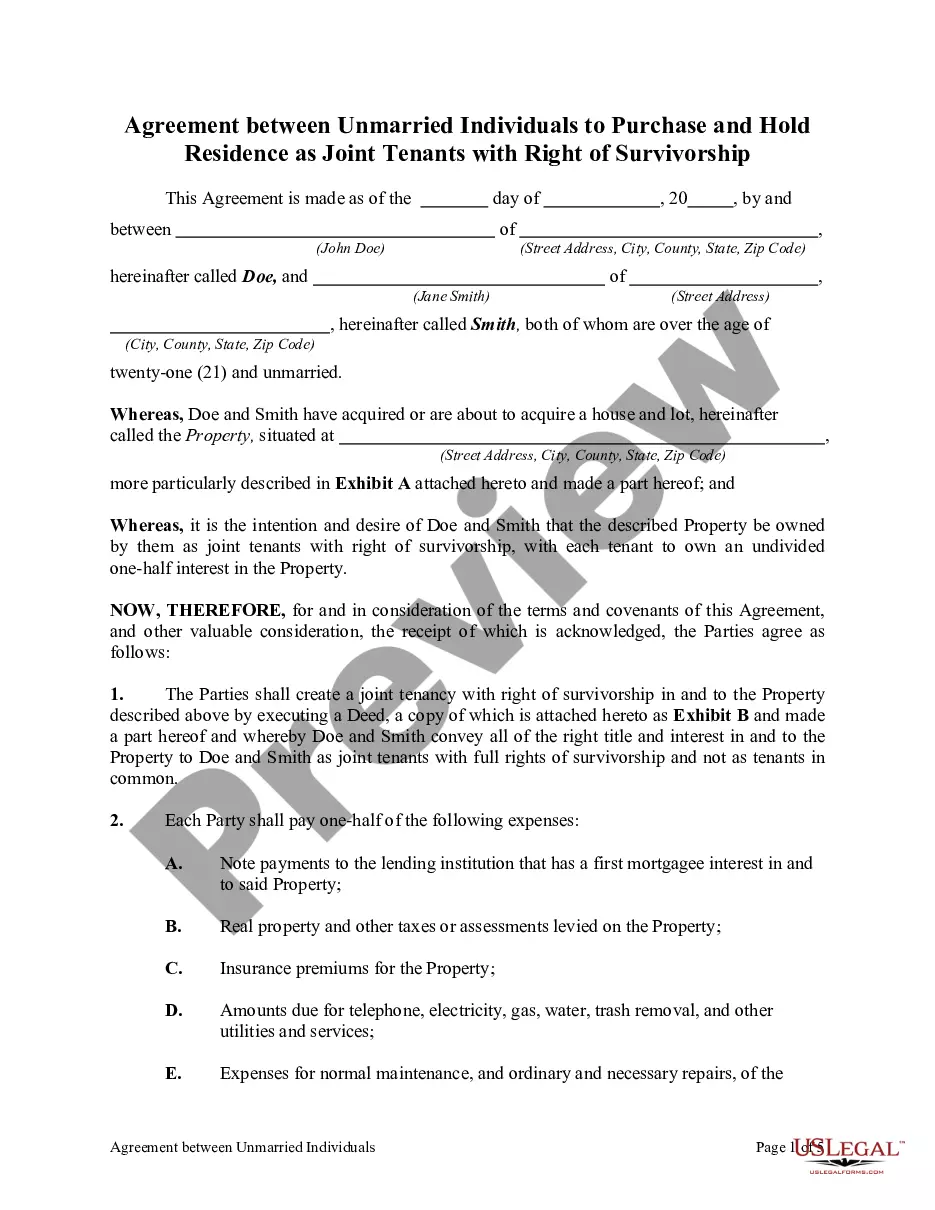
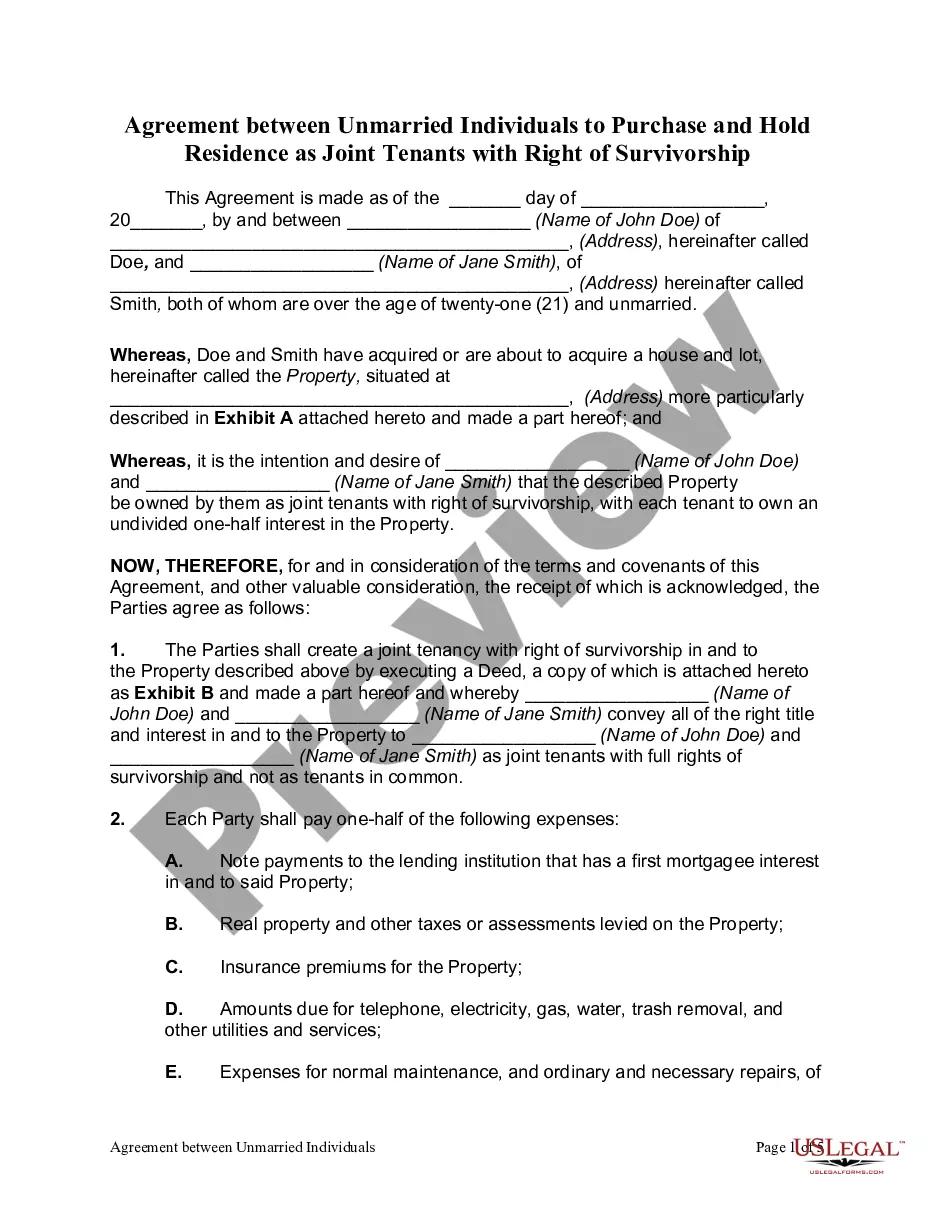
Description

Get your form ready online
Our built-in tools help you complete, sign, share, and store your documents in one place.
Make edits, fill in missing information, and update formatting in US Legal Forms—just like you would in MS Word.
Download a copy, print it, send it by email, or mail it via USPS—whatever works best for your next step.
Sign and collect signatures with our SignNow integration. Send to multiple recipients, set reminders, and more. Go Premium to unlock E-Sign.
If this form requires notarization, complete it online through a secure video call—no need to meet a notary in person or wait for an appointment.
We protect your documents and personal data by following strict security and privacy standards.

Make edits, fill in missing information, and update formatting in US Legal Forms—just like you would in MS Word.

Download a copy, print it, send it by email, or mail it via USPS—whatever works best for your next step.

Sign and collect signatures with our SignNow integration. Send to multiple recipients, set reminders, and more. Go Premium to unlock E-Sign.

If this form requires notarization, complete it online through a secure video call—no need to meet a notary in person or wait for an appointment.

We protect your documents and personal data by following strict security and privacy standards.
Looking for another form?








Form popularity
FAQ
For example, if two unmarried partners make equal contributions toward purchasing a inium and they choose to hold title as joint tenants, the surviving joint tenant will automatically become the sole and separate owner of the inium after the first joint tenant dies.
Unlike joint tenancy, where each owner has an equal share, tenancy in common allows for specific parts or percentages of the property to be owned by each tenant. This type of ownership is often seen in situations where family members or business partners want to maintain separate shares.
Joint tenancy is a form of property ownership that is important for several reasons, primarily due to its unique characteristics and advantages. There are several different types of joint tenancy.
"Joint tenancy" or "joint tenants" means a relationship in which two or more owners hold identical interests in real property simultaneously by the same instrument and with the same right of possession. A joint tenant has a right of survivorship to the other joint tenant's share.
Joint tenancy with rights of survivorship (JTWROS) is a type of account that is owned by at least two people. In this arrangement, tenants have an equal right to the account's assets. They are also afforded survivorship rights in the event of the death of another account holder.
Joint tenants with the right of survivorship (JTWROS) is a legal structure where two or more parties share ownership of a financial account or another asset.
Because joint tenancy provides the right of survivorship, it is sometimes referred to as “joint tenancy with right of survivorship” and abbreviated JTWROS. By contrast, there is no right of survivorship in a tenancy in common, which means property ownership doesn't automatically pass to the surviving owners.
Transfer on death, or TOD, accounts are different from JTWROS or tenants in common accounts because the beneficiary has no ownership rights until the original owner dies. TOD accounts do avoid probate, though, as the assets are transferred immediately.
What Is a Survival Action in Nevada? A survival action is brought on behalf of a deceased person when he or she dies before he or she can finish, or file, a personal injury lawsuit. It is designed to compensate the estate for losses that the deceased person suffered before his or her death.
Legal definition of a “survival” action in Nevada Sometimes accident victims die before they can bring — or finish prosecuting — a personal injury lawsuit. If this happens, Nevada's “survival” laws under NRS 41.100 permit the deceased plaintiff's estate to take over fighting the case and recover any damages.
