Joint Ownership Form Meaning In Florida
Description

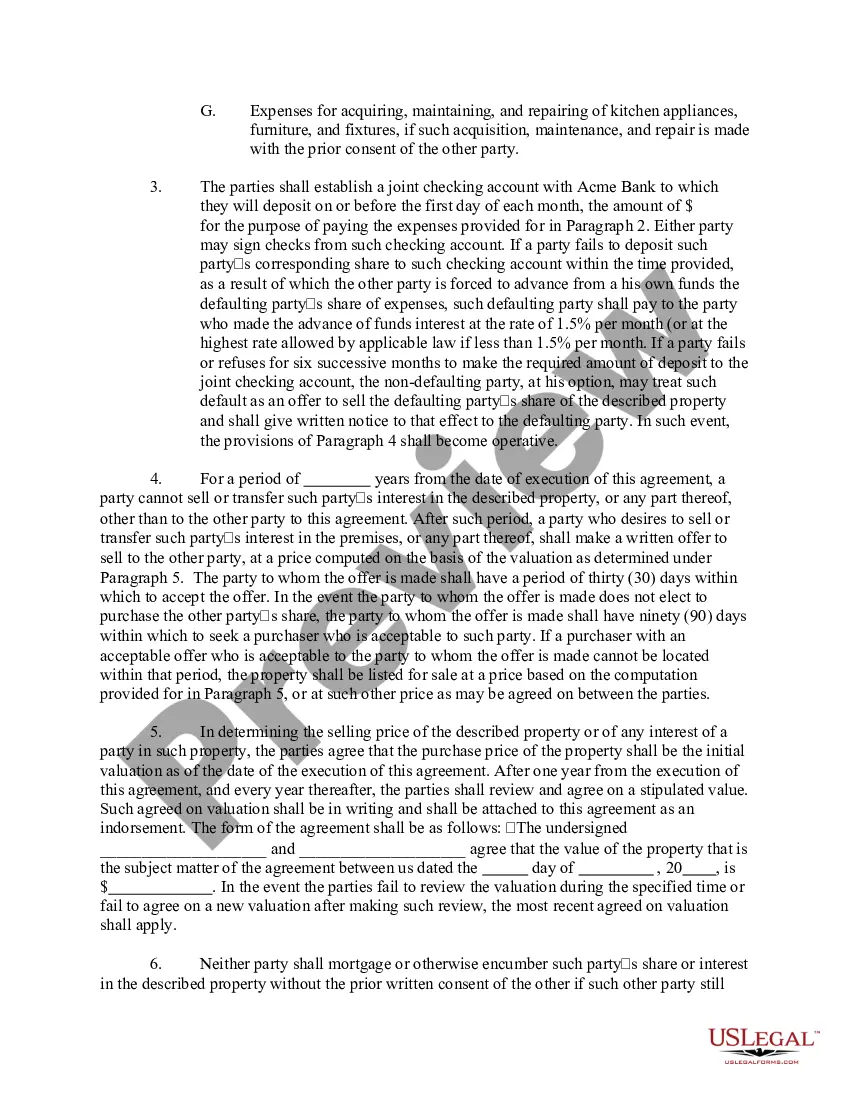
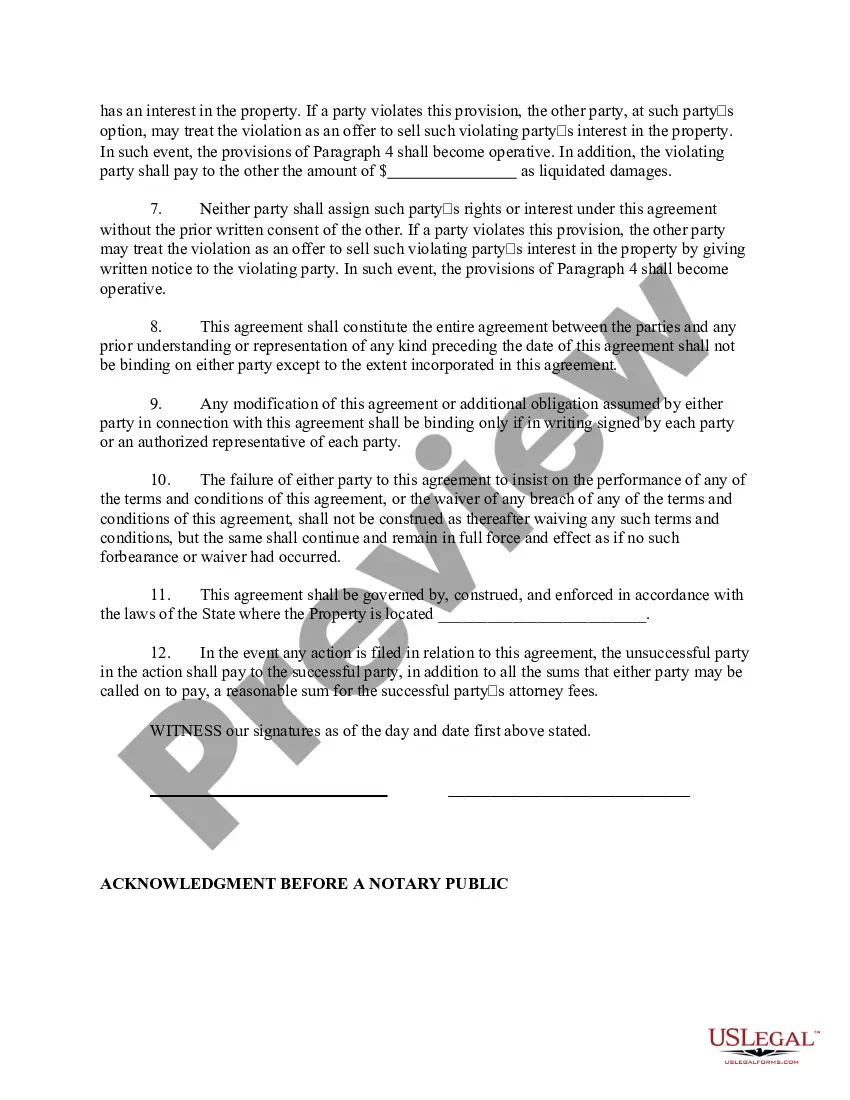
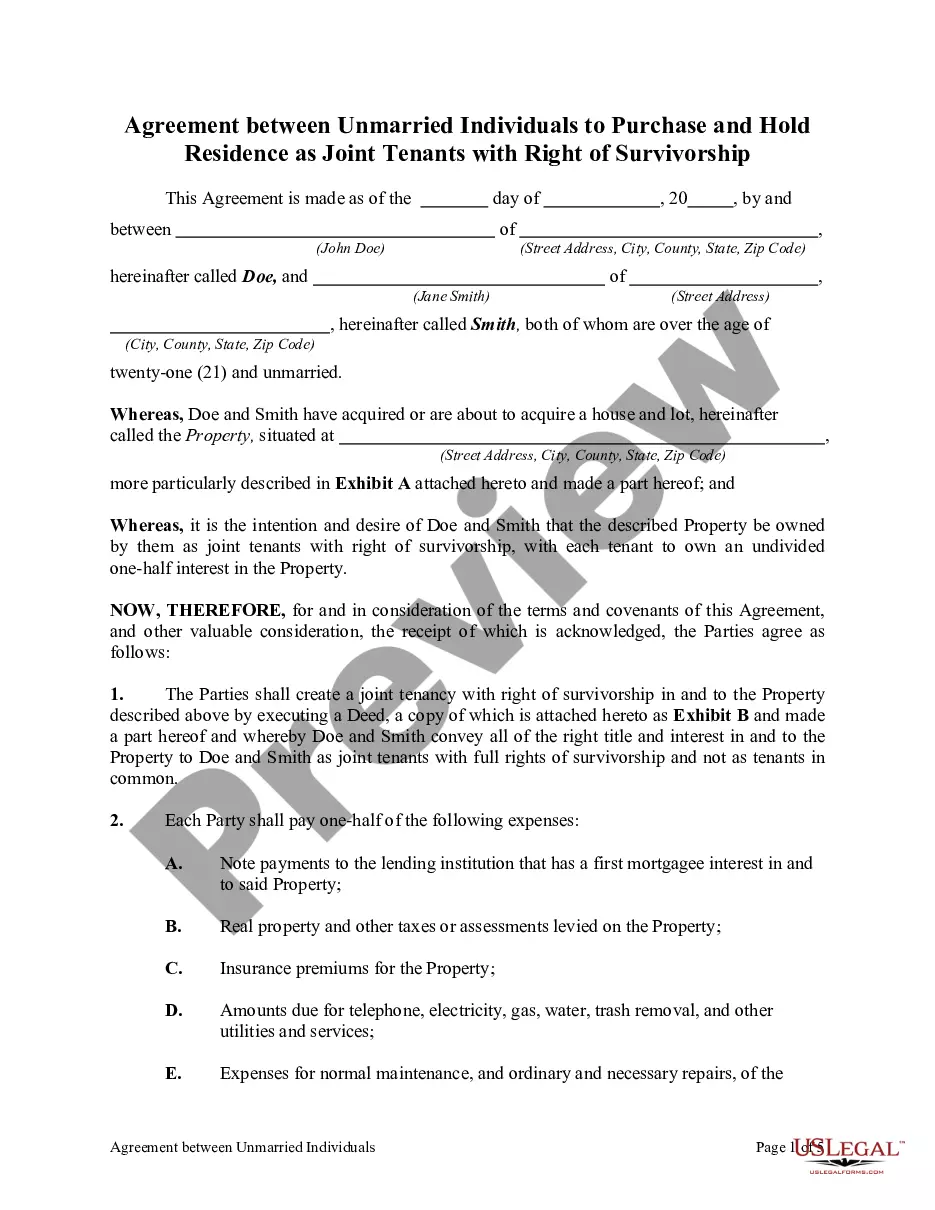
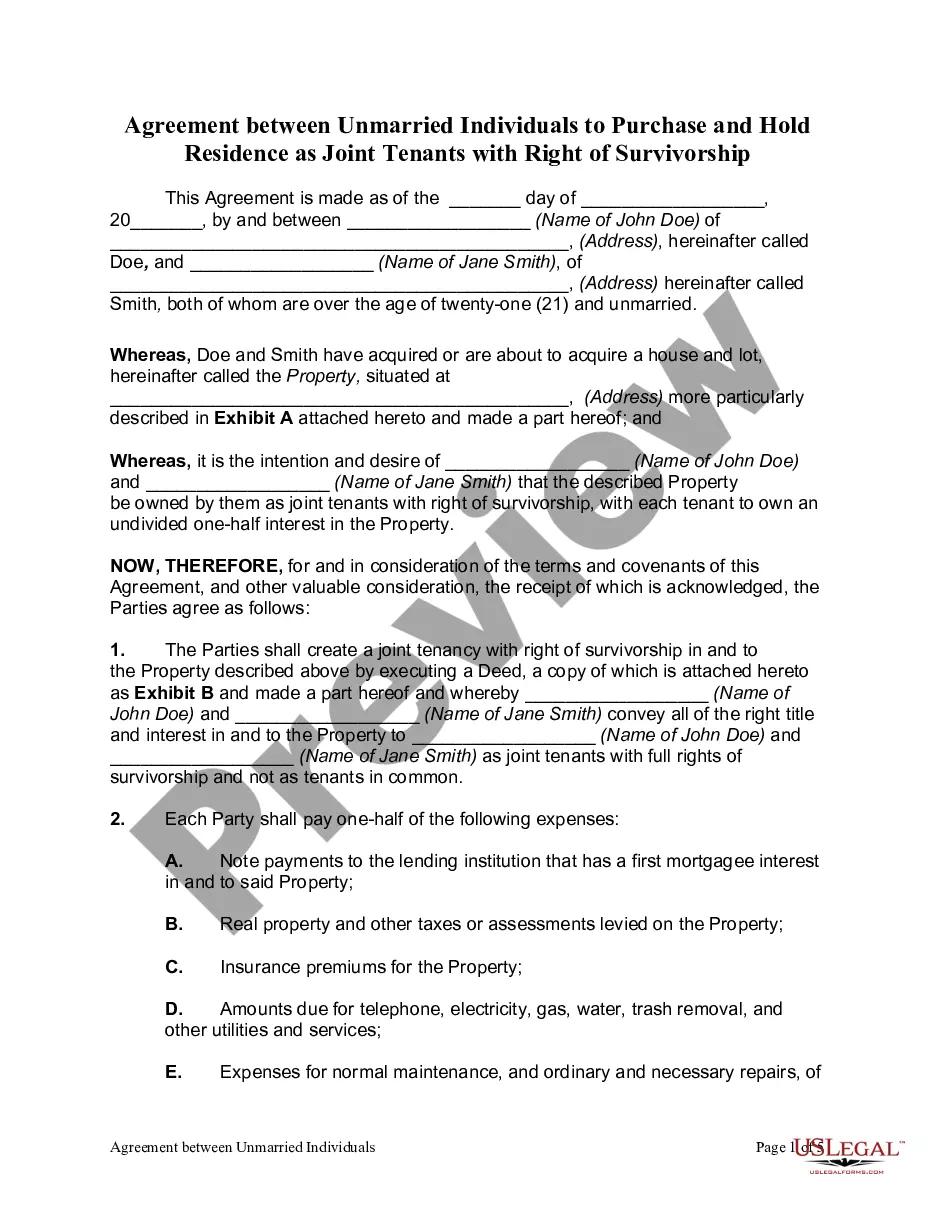
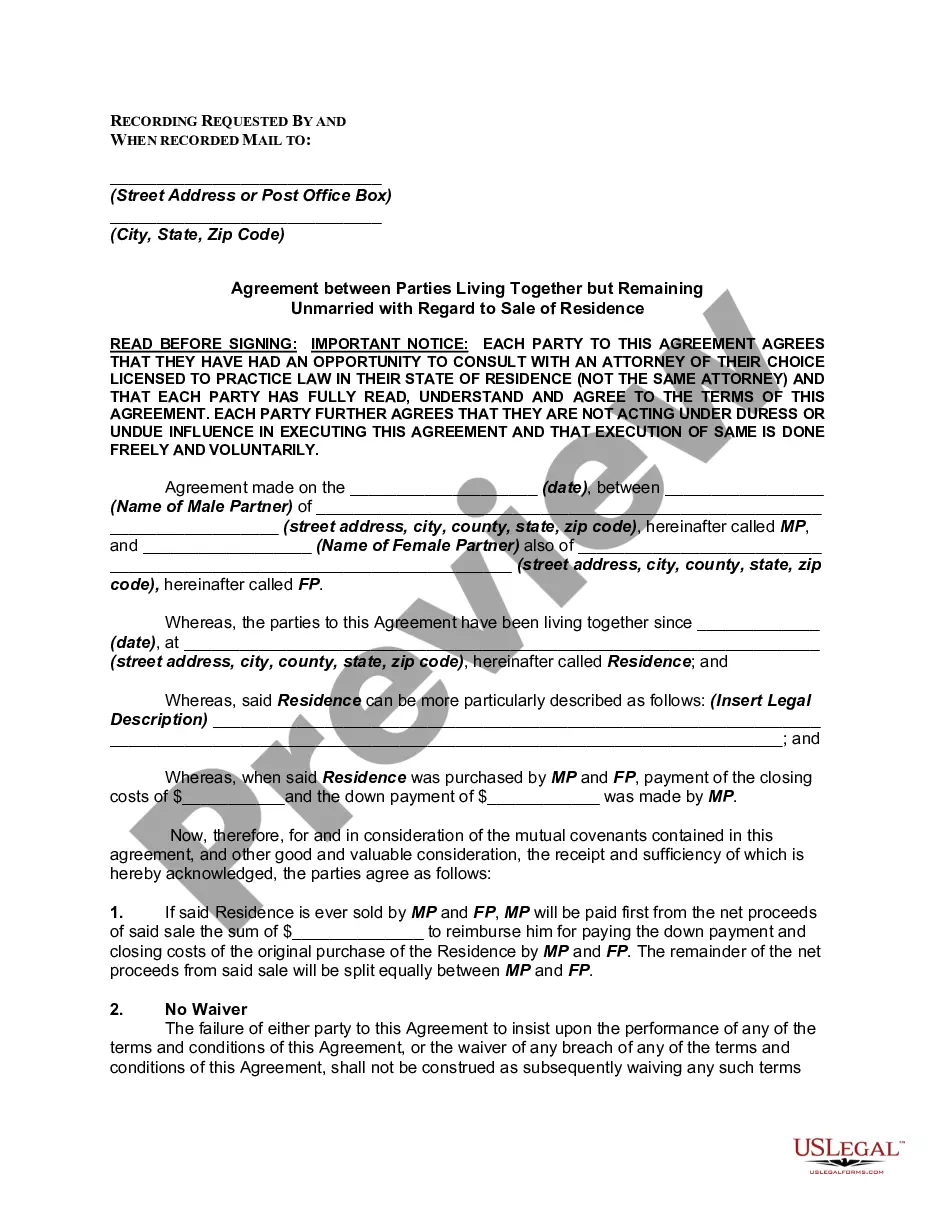
Get your form ready online
Our built-in tools help you complete, sign, share, and store your documents in one place.
Make edits, fill in missing information, and update formatting in US Legal Forms—just like you would in MS Word.
Download a copy, print it, send it by email, or mail it via USPS—whatever works best for your next step.
Sign and collect signatures with our SignNow integration. Send to multiple recipients, set reminders, and more. Go Premium to unlock E-Sign.
If this form requires notarization, complete it online through a secure video call—no need to meet a notary in person or wait for an appointment.
We protect your documents and personal data by following strict security and privacy standards.

Make edits, fill in missing information, and update formatting in US Legal Forms—just like you would in MS Word.

Download a copy, print it, send it by email, or mail it via USPS—whatever works best for your next step.

Sign and collect signatures with our SignNow integration. Send to multiple recipients, set reminders, and more. Go Premium to unlock E-Sign.

If this form requires notarization, complete it online through a secure video call—no need to meet a notary in person or wait for an appointment.

We protect your documents and personal data by following strict security and privacy standards.
Looking for another form?







Form popularity
FAQ
While joint tenancy and tenancy in common are widely recognised as the most common types of co-ownership, the increasing popularity of fractional ownership, made possible at August, shows that there is a growing diversity in how people approach property ownership.
Choosing the Right Type of Co-Ownership While joint tenancy and tenancy in common are widely recognised as the most common types of co-ownership, the increasing popularity of fractional ownership, made possible at August, shows that there is a growing diversity in how people approach property ownership.
Typically, when married couples are listed under the real estate title as “husband and wife” a tenancy by the entireties is presumed. At the death of one spouse, the real estate interest passes automatically to the surviving spouse by operation of law similarly to the joint tenancy with right of survivorship.
III. Requirements Co-owners Must be Natural Persons: A natural person is a human being; therefore, legal entities, such as corporations or trusts, cannot own a joint account. Co-owners Must Have Equal Withdrawal Rights. All Co-owners Must Personally Sign the Signature Card:
Joint tenancy is one type of home ownership recognized in Florida. It is commonly used by spouses, as well as by unmarried couples and other family members. How your home is titled has significant estate planning implications, and this issue should always be addressed with your Florida estate planning attorney.
Community property with right of survivorship is a legal agreement that allows two spouses or domestic partners to equally share assets through marriage as well as pass on assets to the other spouse upon death without going through probate.
Joint-owned property is any property that's held in the name of two or more parties. They can be business partners or any other combination of people who have a reason to own property together. The matrimonial status of joint ownership of assets occurs when the two parties are spouses.
This means that all co-owners have the same percentage of ownership. For example, in a joint tenancy with two individuals, each joint tenant would have a 50% interest. In a joint tenancy with three individuals, each joint tenant would have a 33.33% interest, and so on.
Yes, JTWROS can be terminated by mutual agreement of all owners, or if one owner sells or transfers their share, converting the ownership to tenancy in common.
