Joint Tenancy Definition With Death In Contra Costa
Description

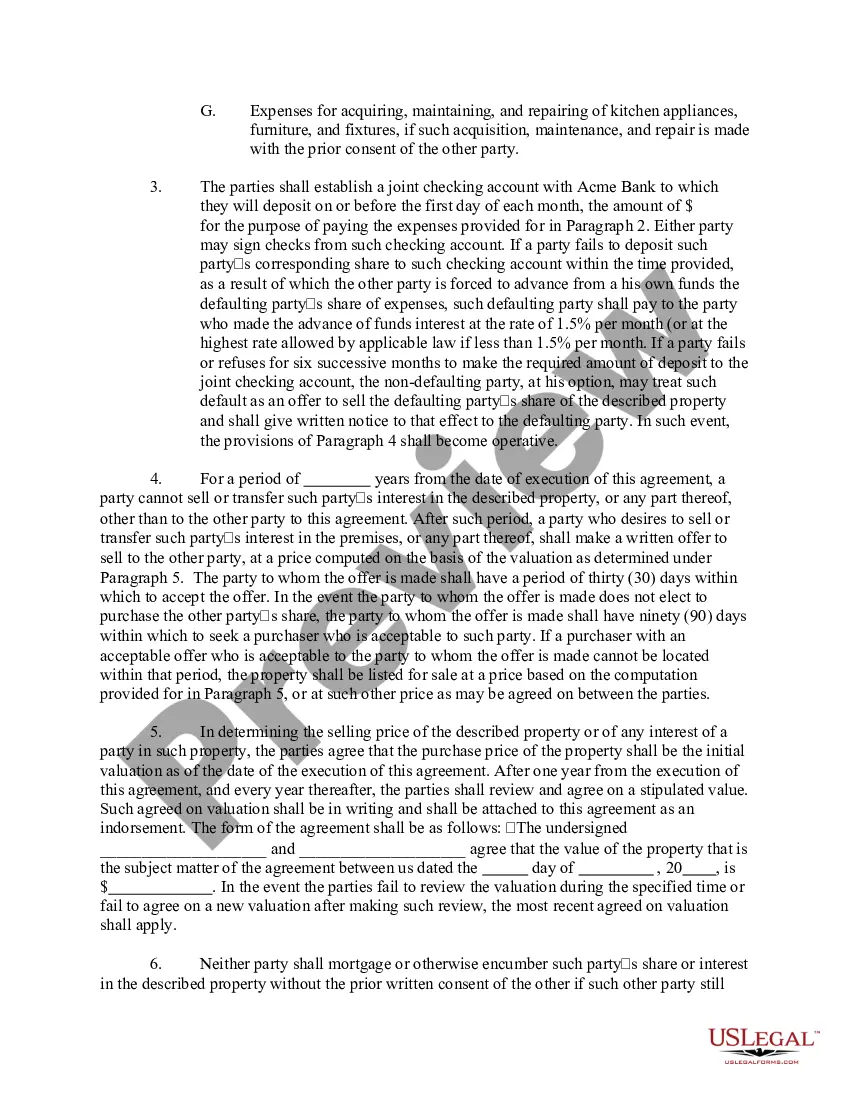
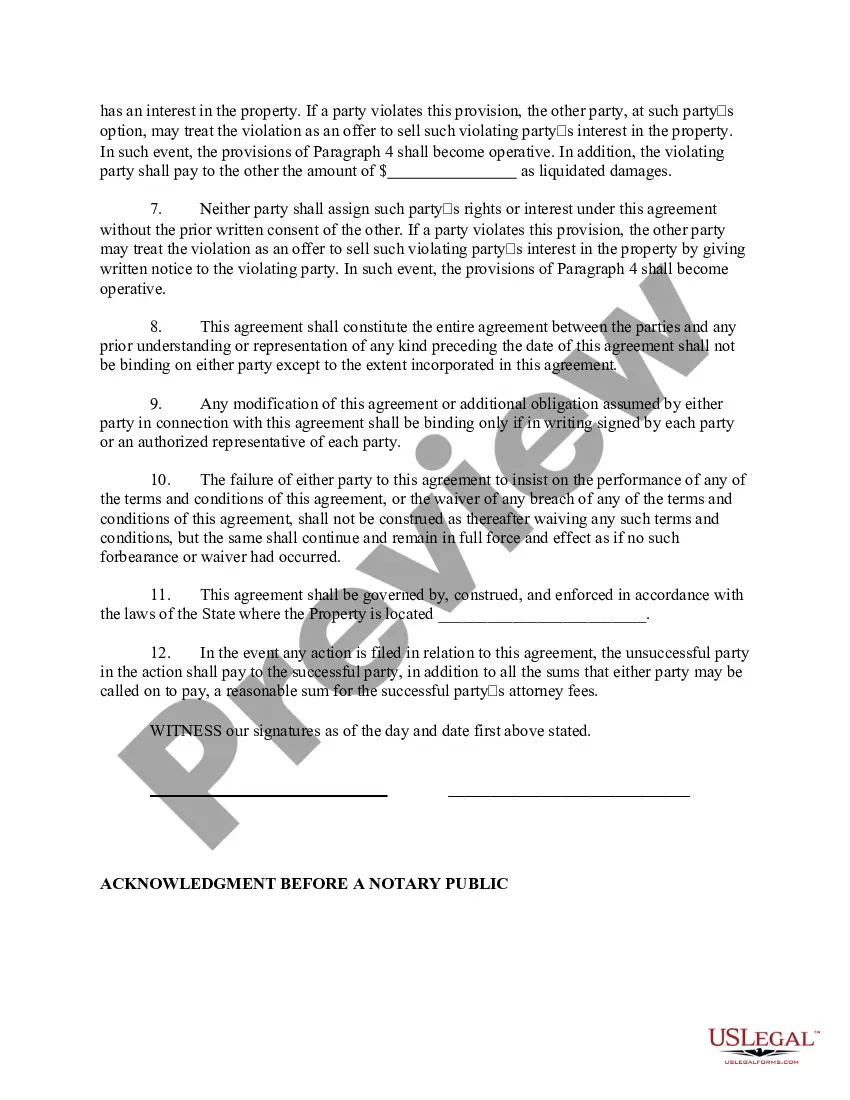
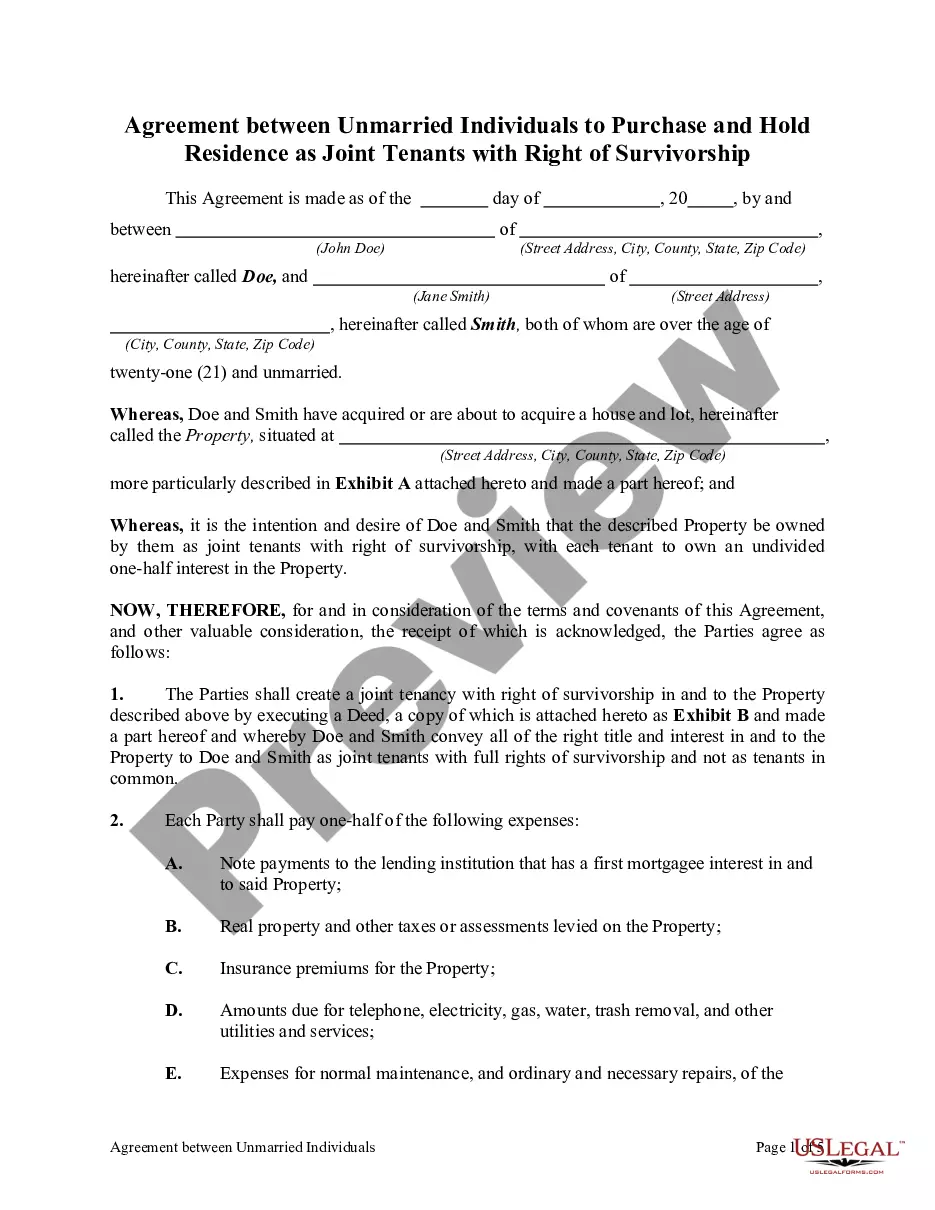
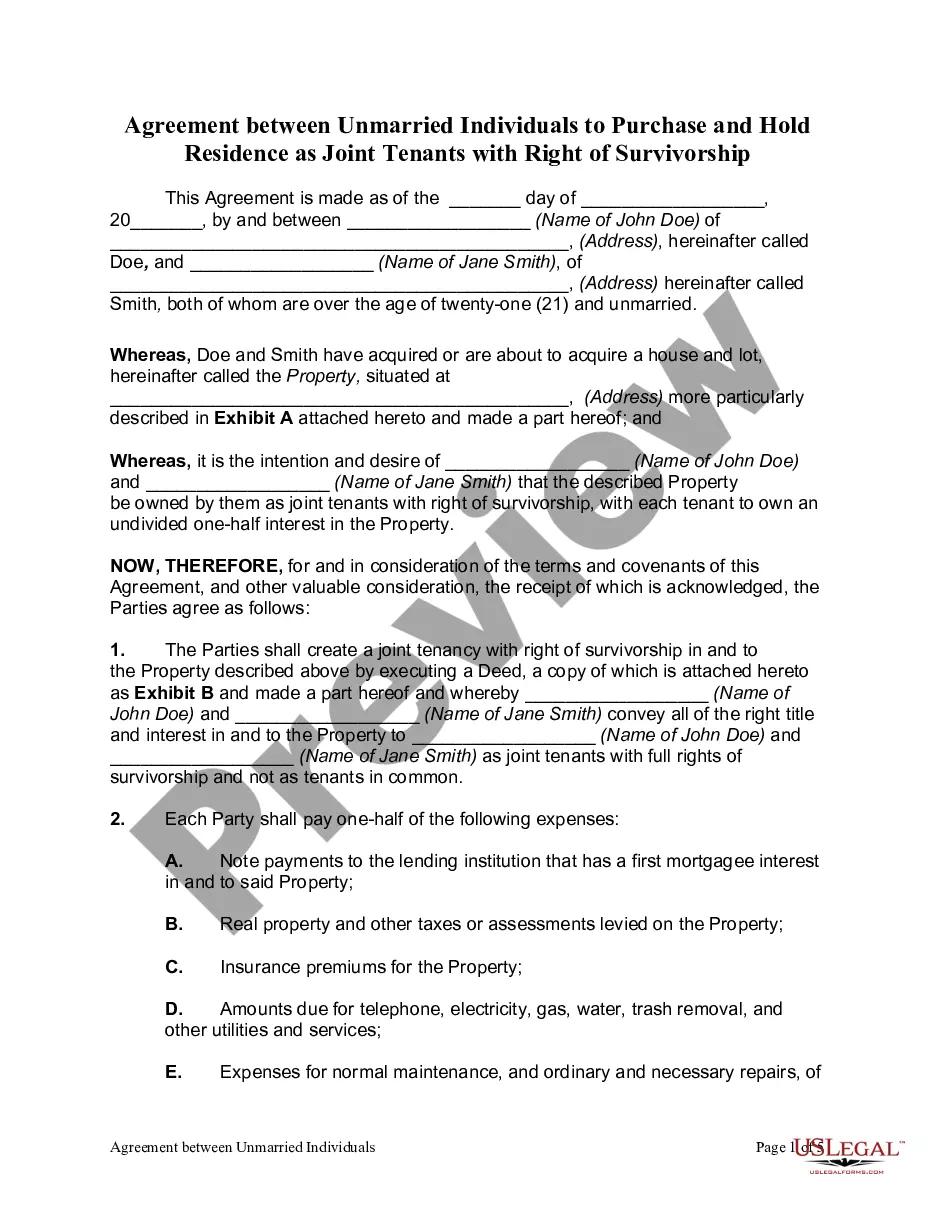
Get your form ready online
Our built-in tools help you complete, sign, share, and store your documents in one place.
Make edits, fill in missing information, and update formatting in US Legal Forms—just like you would in MS Word.
Download a copy, print it, send it by email, or mail it via USPS—whatever works best for your next step.
Sign and collect signatures with our SignNow integration. Send to multiple recipients, set reminders, and more. Go Premium to unlock E-Sign.
If this form requires notarization, complete it online through a secure video call—no need to meet a notary in person or wait for an appointment.
We protect your documents and personal data by following strict security and privacy standards.

Make edits, fill in missing information, and update formatting in US Legal Forms—just like you would in MS Word.

Download a copy, print it, send it by email, or mail it via USPS—whatever works best for your next step.

Sign and collect signatures with our SignNow integration. Send to multiple recipients, set reminders, and more. Go Premium to unlock E-Sign.

If this form requires notarization, complete it online through a secure video call—no need to meet a notary in person or wait for an appointment.

We protect your documents and personal data by following strict security and privacy standards.
Looking for another form?






Form popularity
FAQ
Most notably, joint tenancy comes with a right of survivorship. This means that when one joint tenant dies, the other joint tenant or joint tenants acquire the deceased joint tenant's interest in the property.
For example, if two unmarried partners make equal contributions toward purchasing a inium and they choose to hold title as joint tenants, the surviving joint tenant will automatically become the sole and separate owner of the inium after the first joint tenant dies.
The affidavit of death of joint tenant is used to remove the name of a deceased joint tenant from a property title. A successor trustee is named in a trust as the person who will take over the trustee's duties and fulfill provisions of the trust when the trustee dies.
The affidavit must set forth a “particular description” of the property and include the death certificate of the deceased joint tenant. The affidavit must then be “filed in a designated public office as required by law.” (Cal. Prob. Code § 210(a).)
Then, the co-owners become Original Transferors: If one of them dies, the property will not be reassessed. If the co-owners had originally taken title as joint tenants and one of them dies, the real property will be reassessed (unless another exclusion applies like Parent-Child or Spouse-to-Spouse).
How Do I Record an Affidavit? Take a certified copy of the death certificate of the deceased joint tenant and your affidavit to the recorder's office in the county where the real property is located. The recorder's office also requires a Preliminary Change of Ownership Report (PCOR) when filing the affidavit.
Joint tenancy is a way for two or more people to own property in equal shares so that when one of the joint tenants dies, the property can pass to the surviving joint tenant(s) without having to go through probate court.
A: In California, the timeframe for transferring property after death can vary depending on several factors, such as whether the estate goes through probate, utilizes a trust, or qualifies for a simple transfer process. Generally, the process can take between 7 months and 12 months from the time the petition is filed.
A key characteristic of joint tenancy is the Right of Survivorship. When one joint tenant dies, their interest in the property automatically passes to the surviving joint tenant(s). This means that ownership is not part of the deceased owner's estate and does not require probate to transfer.
NOTE: If you co-own the property as joint tenancy or community property with right of survivorship, the other owner receives your share of the property upon your death.
