Joint Tenancy For Bank Account In Chicago
Description

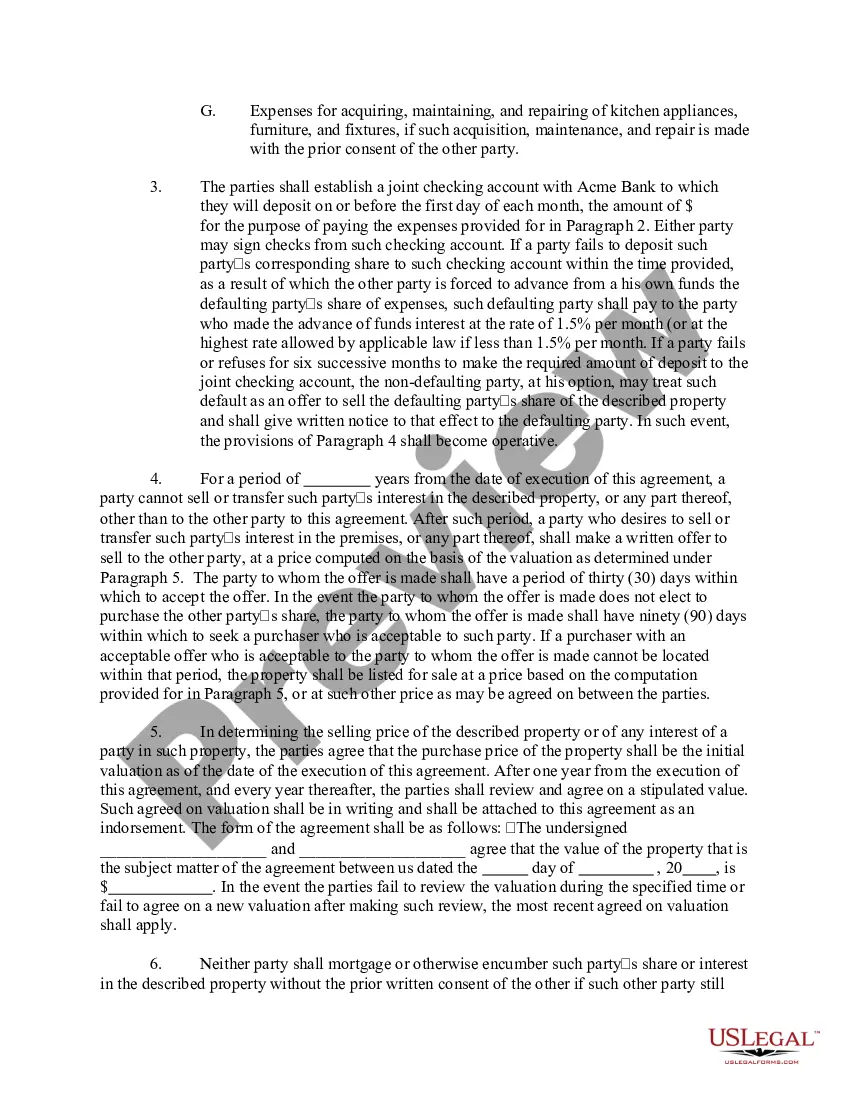
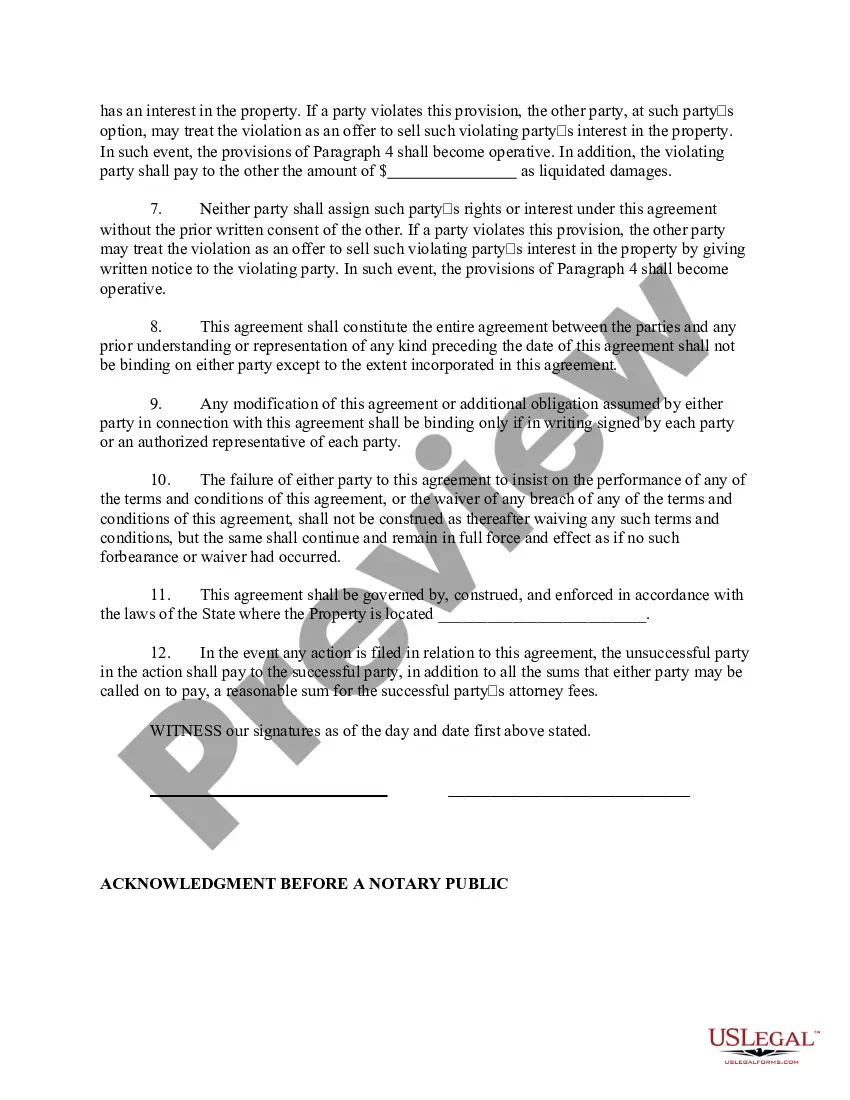
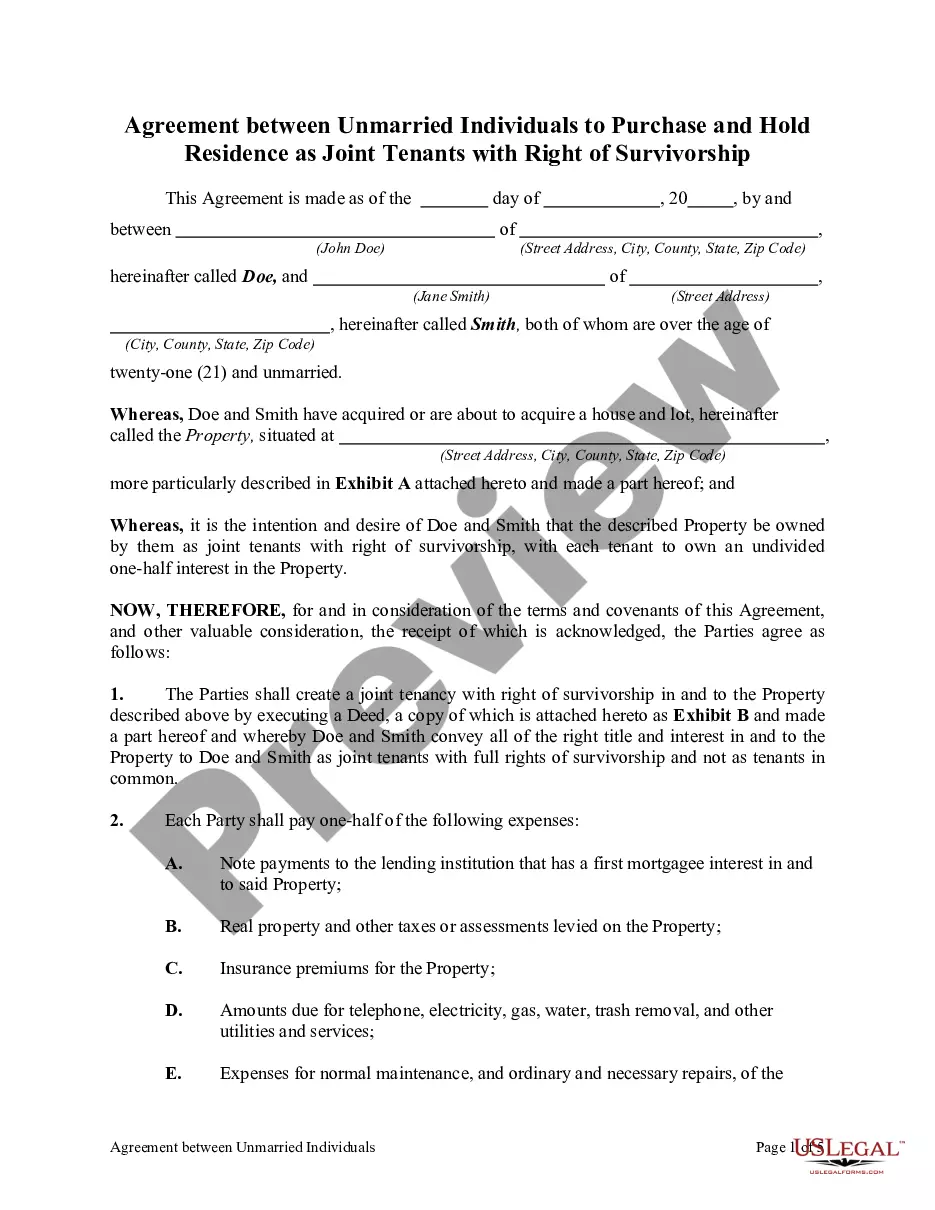
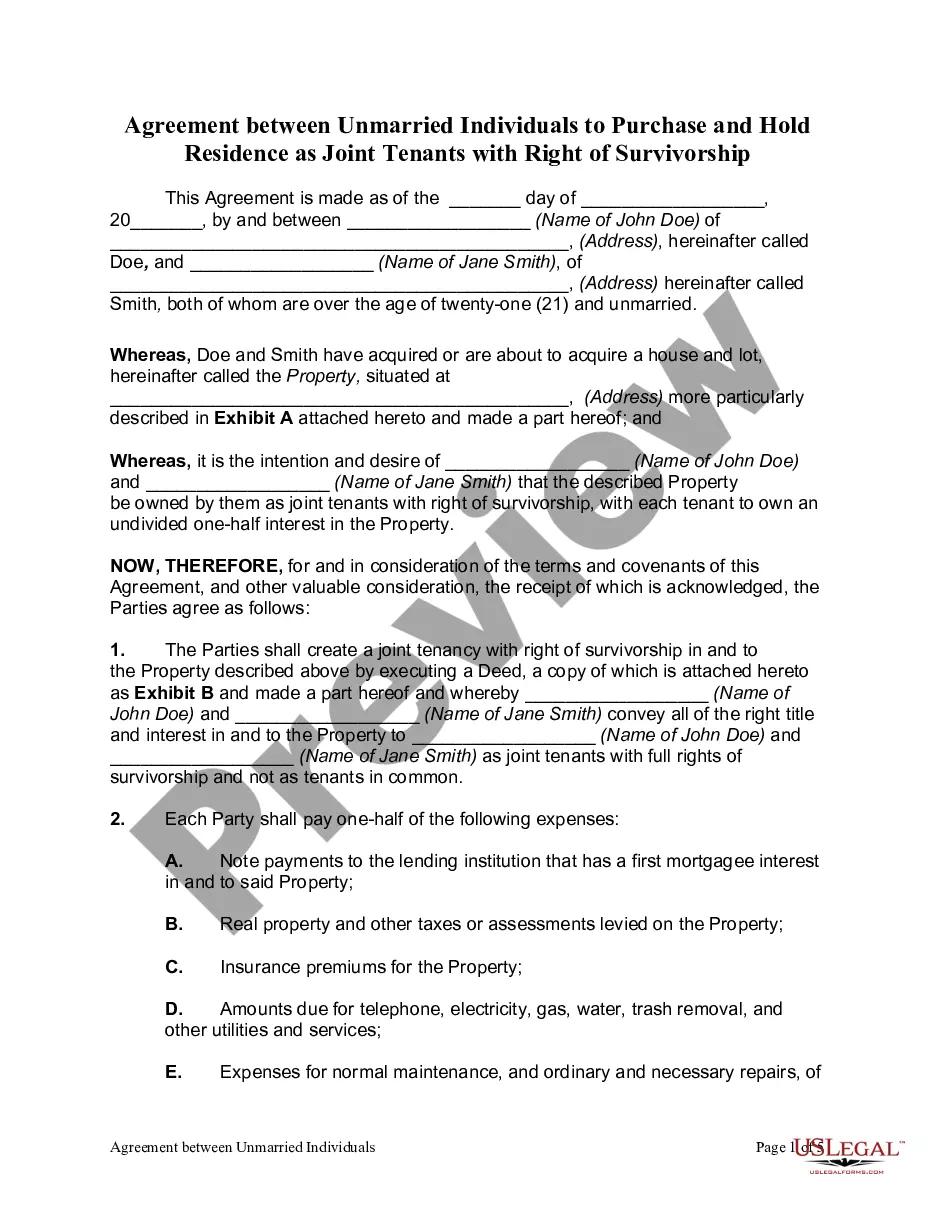
Get your form ready online
Our built-in tools help you complete, sign, share, and store your documents in one place.
Make edits, fill in missing information, and update formatting in US Legal Forms—just like you would in MS Word.
Download a copy, print it, send it by email, or mail it via USPS—whatever works best for your next step.
Sign and collect signatures with our SignNow integration. Send to multiple recipients, set reminders, and more. Go Premium to unlock E-Sign.
If this form requires notarization, complete it online through a secure video call—no need to meet a notary in person or wait for an appointment.
We protect your documents and personal data by following strict security and privacy standards.

Make edits, fill in missing information, and update formatting in US Legal Forms—just like you would in MS Word.

Download a copy, print it, send it by email, or mail it via USPS—whatever works best for your next step.

Sign and collect signatures with our SignNow integration. Send to multiple recipients, set reminders, and more. Go Premium to unlock E-Sign.

If this form requires notarization, complete it online through a secure video call—no need to meet a notary in person or wait for an appointment.

We protect your documents and personal data by following strict security and privacy standards.
Looking for another form?








Form popularity
FAQ
If one of you wants to leave If your joint tenancy is for a fixed term (for example, 12 months), you must normally get the agreement of your landlord and the other tenants to give notice to end the tenancy. If you end your tenancy it ends for everyone.
A joint tenancy is one method of owning real estate in Illinois that gives multiple owners equal shares in the property. The key feature of a joint tenancy is that each owner (called a joint tenant) has a right of survivorship.
In general, joint assets are held in joint tenancy (with right of survivorship) or tenancy in common. A joint tenancy (with right of survivorship) is a form of ownership by 2 or more persons in which each person owns the whole asset. Real property held in joint tenancy is usually identified as such on the deed.
Some states, such as Illinois, presume that if property owned by two or more individuals is not clearly titled (such as without mention of a survivorship provision - see joint ownership with survivorship below), it is owned in tenancy in common.
Joint tenancy is most common among married couples because it helps property owners avoid probate. Without joint tenancy, a spouse would have to wait for their partner's Last Will to go through a legal review process—which can take months or even years.
You don't even have to be a couple – any two or more people can open a joint account if they wish, you don't need to be married, related or share an address.
However, in recent decades, unmarried couples in committed relationships have also benefited from having equal access to a joint bank account. A joint account makes it easy to cover shared financial responsibilities such as paying housing costs, utility bills, and grocery purchases.
Yes, you can open a joint bank account with your boyfriend. Most banks allow couples to open joint accounts, which can be useful for managing shared expenses, saving for goals, or simply keeping finances transparent. Here are some steps to consider:
Couples: Spouses often have joint bank accounts to manage household finances together. This allows for easier budgeting, bill payments and tracking of shared expenses.
