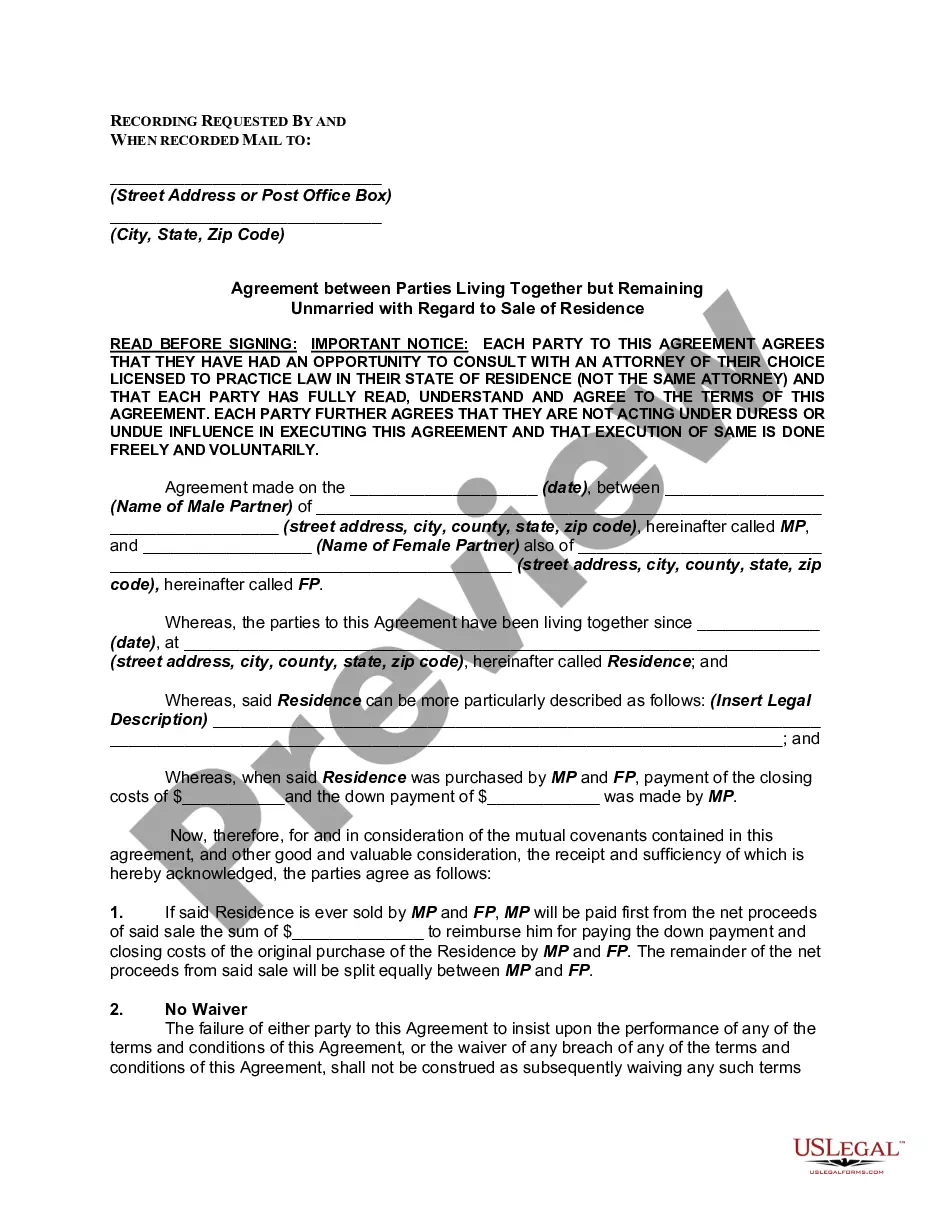
Joint Ownership Form Meaning In Broward
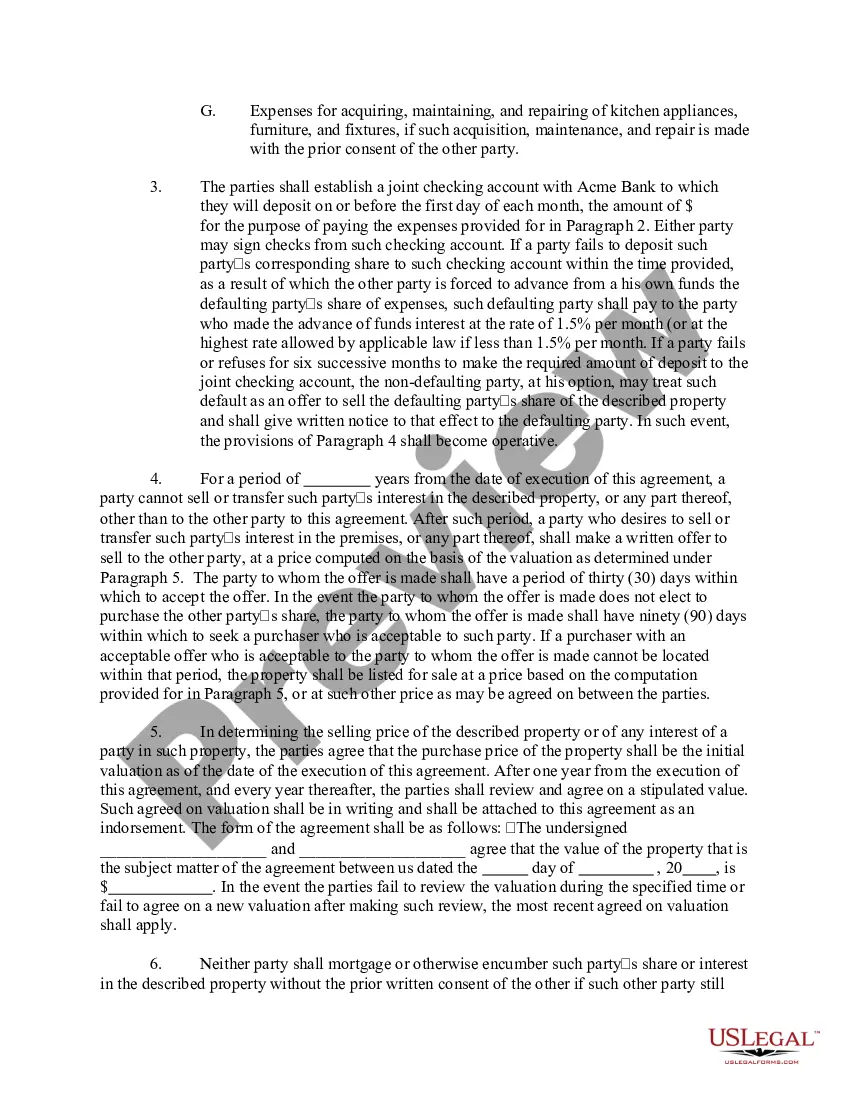
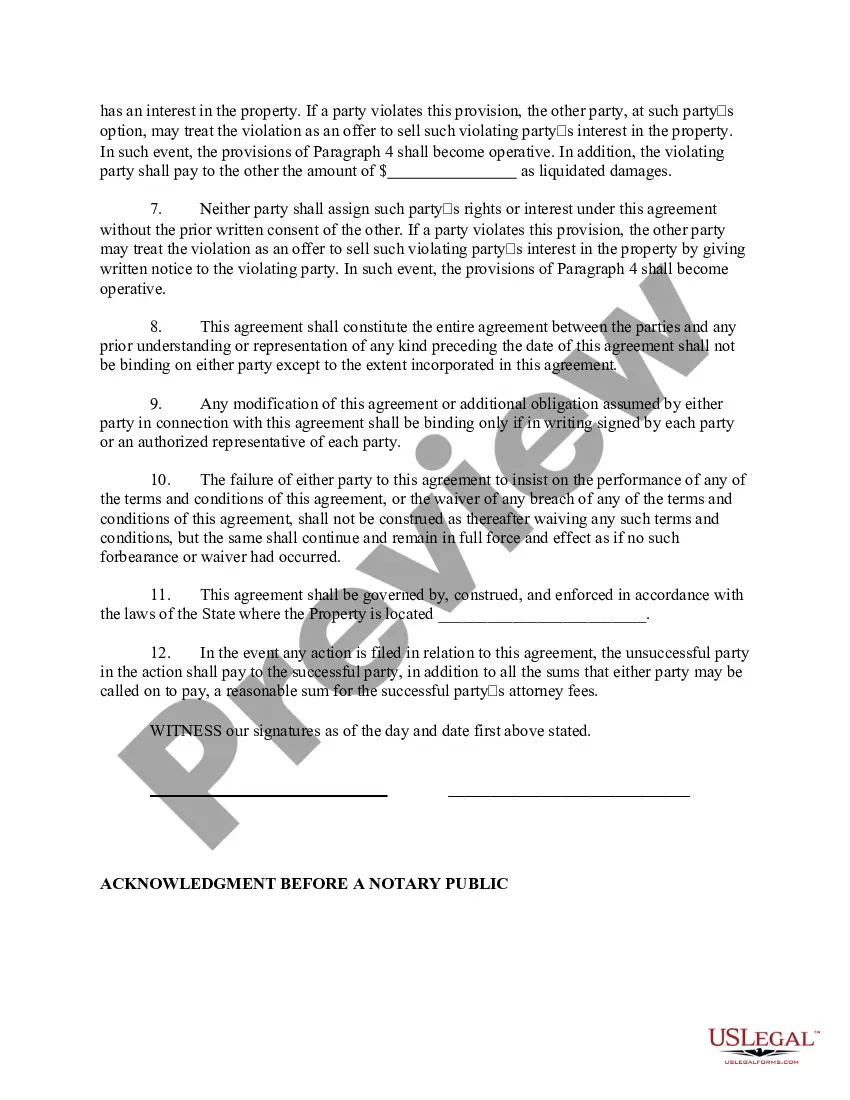
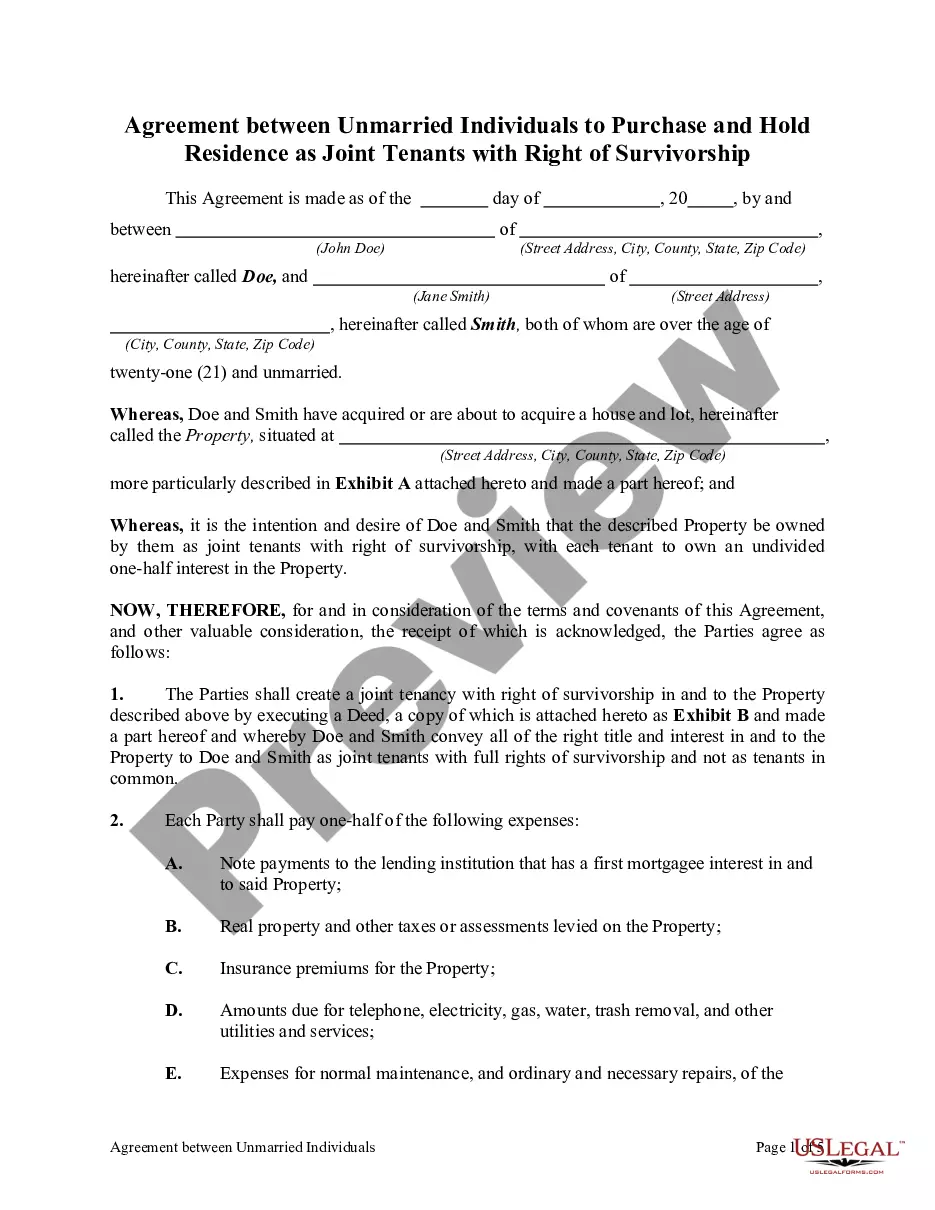
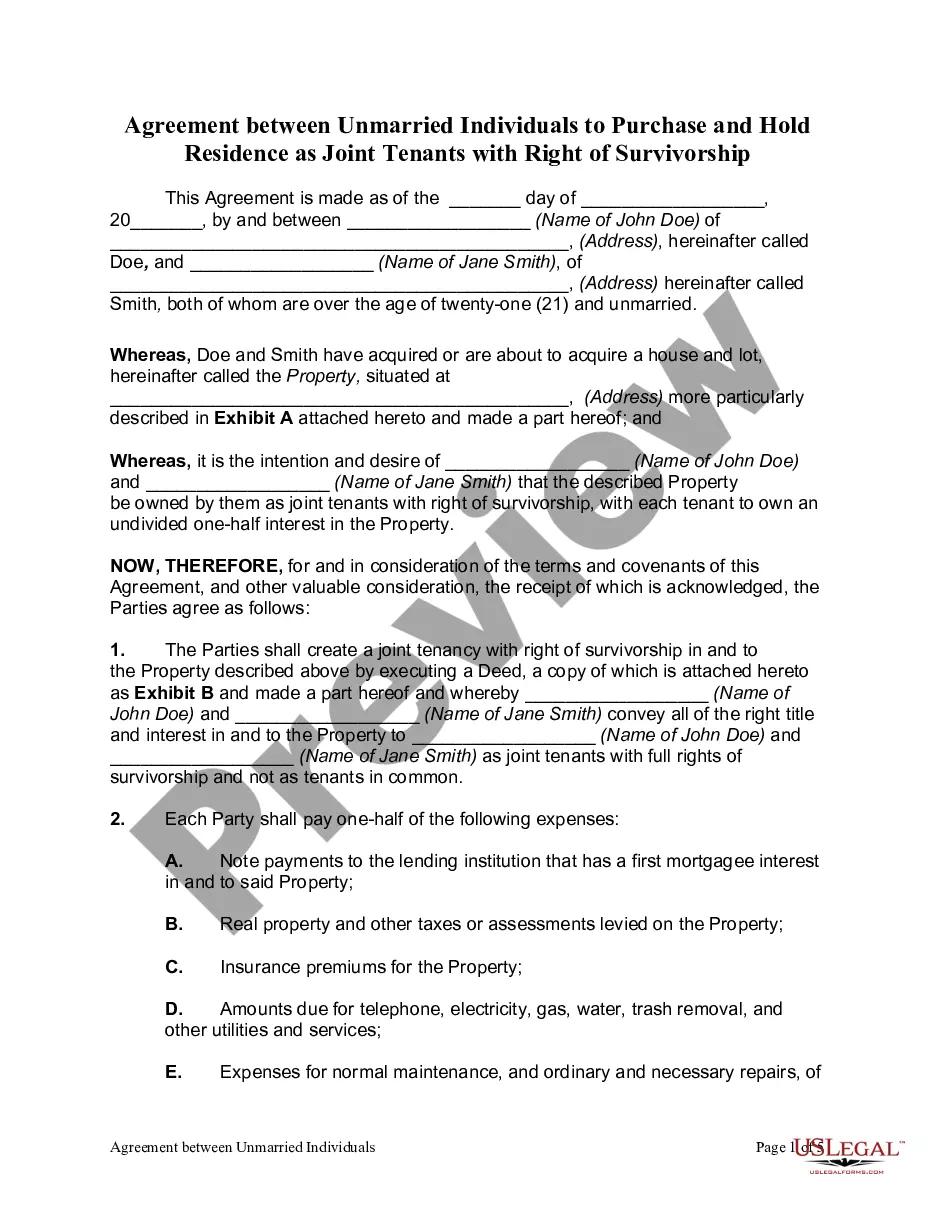
Description

Get your form ready online
Our built-in tools help you complete, sign, share, and store your documents in one place.
Make edits, fill in missing information, and update formatting in US Legal Forms—just like you would in MS Word.
Download a copy, print it, send it by email, or mail it via USPS—whatever works best for your next step.
Sign and collect signatures with our SignNow integration. Send to multiple recipients, set reminders, and more. Go Premium to unlock E-Sign.
If this form requires notarization, complete it online through a secure video call—no need to meet a notary in person or wait for an appointment.
We protect your documents and personal data by following strict security and privacy standards.

Make edits, fill in missing information, and update formatting in US Legal Forms—just like you would in MS Word.

Download a copy, print it, send it by email, or mail it via USPS—whatever works best for your next step.

Sign and collect signatures with our SignNow integration. Send to multiple recipients, set reminders, and more. Go Premium to unlock E-Sign.

If this form requires notarization, complete it online through a secure video call—no need to meet a notary in person or wait for an appointment.

We protect your documents and personal data by following strict security and privacy standards.
Looking for another form?









Form popularity
FAQ
Most often, a deed transfer is used to transfer ownership to a new spouse or to children. The simplest way to add a spouse to a deed is through a quitclaim deed. This type of deed transfers whatever ownership rights you have so that you and your spouse now become joint owners.
Co-ownership might entail more complex legal agreements, specifically outlining each party's rights and responsibilities. Joint property ownership usually involves a simpler, more standardised agreement.
One apostrophe on the last subject indicates joint ownership, which means that all members of the compound subject own the object. When each member of the compound subject has its own apostrophe, they have individual ownership, meaning that each member of the compound subject has its own object.
Joint ownership is a concept in property law that refers to the ownership of property by two or more people. There are four main types of joint ownership: joint tenancy with rights of survivorship ; tenancy by the entirety ; tenancy in common and community property .
Joint tenancy is one type of home ownership recognized in Florida. It is commonly used by spouses, as well as by unmarried couples and other family members. How your home is titled has significant estate planning implications, and this issue should always be addressed with your Florida estate planning attorney.
Co-ownership empowers people to own property and build equity while lowering the financial and logistical burdens of buying and owning a whole home. Joint ownership and TIC are options for people who are not married to each other. Owners have unique rights to the property depending on co-ownership type.
Joint tenancy should be used with extreme caution. It can subject a co- owner to unnecessary taxes and liabili- ty for the other co-owner's debts. It can also deprive heirs of bequeathed prop- erty and, in California, leave the joint tenant without right of survivorship.
Joint-owned property is any property that's held in the name of two or more parties. They can be business partners or any other combination of people who have a reason to own property together. The matrimonial status of joint ownership of assets occurs when the two parties are spouses.
The most common form of concurrent ownership is tenancy in common. It is also the most adaptable form of concurrent ownership. For example, tenants in common may have different ownership interests. Tenant A and Tenant B can each own 25 percent of a home, while Tenant C owns 50 percent.
To legally create JTWRS in the state of Florida, the right of survivorship must be expressly stated in the instrument creating the joint tenancy (typically a deed). In ance with § 689.15, Fla.
