Cohabitation Agreement For Unmarried Partners In Bronx
Description

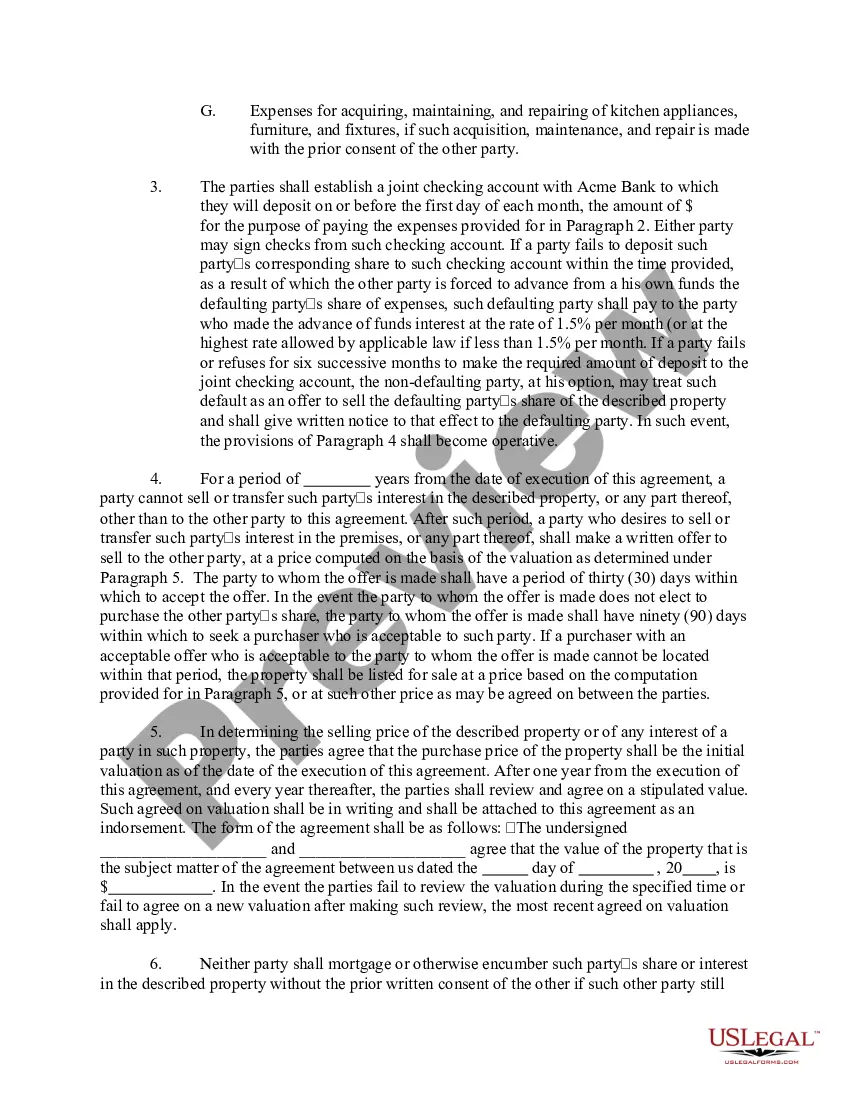
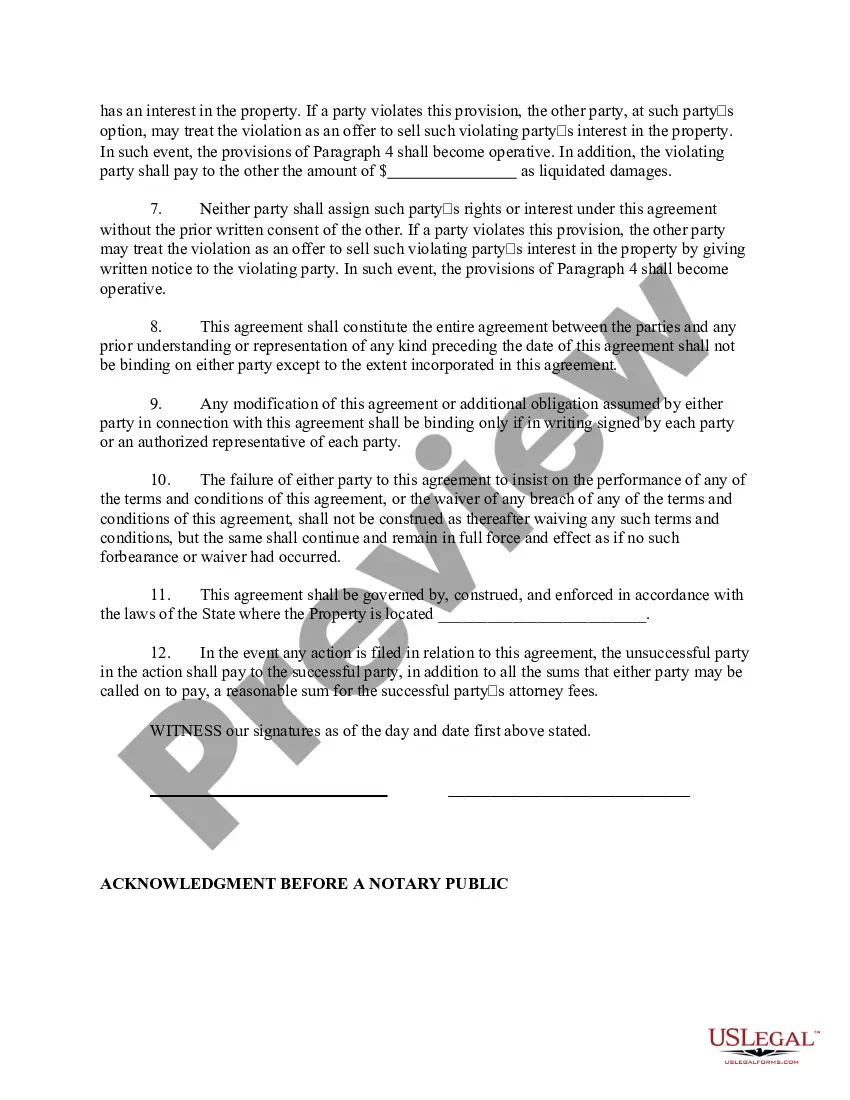
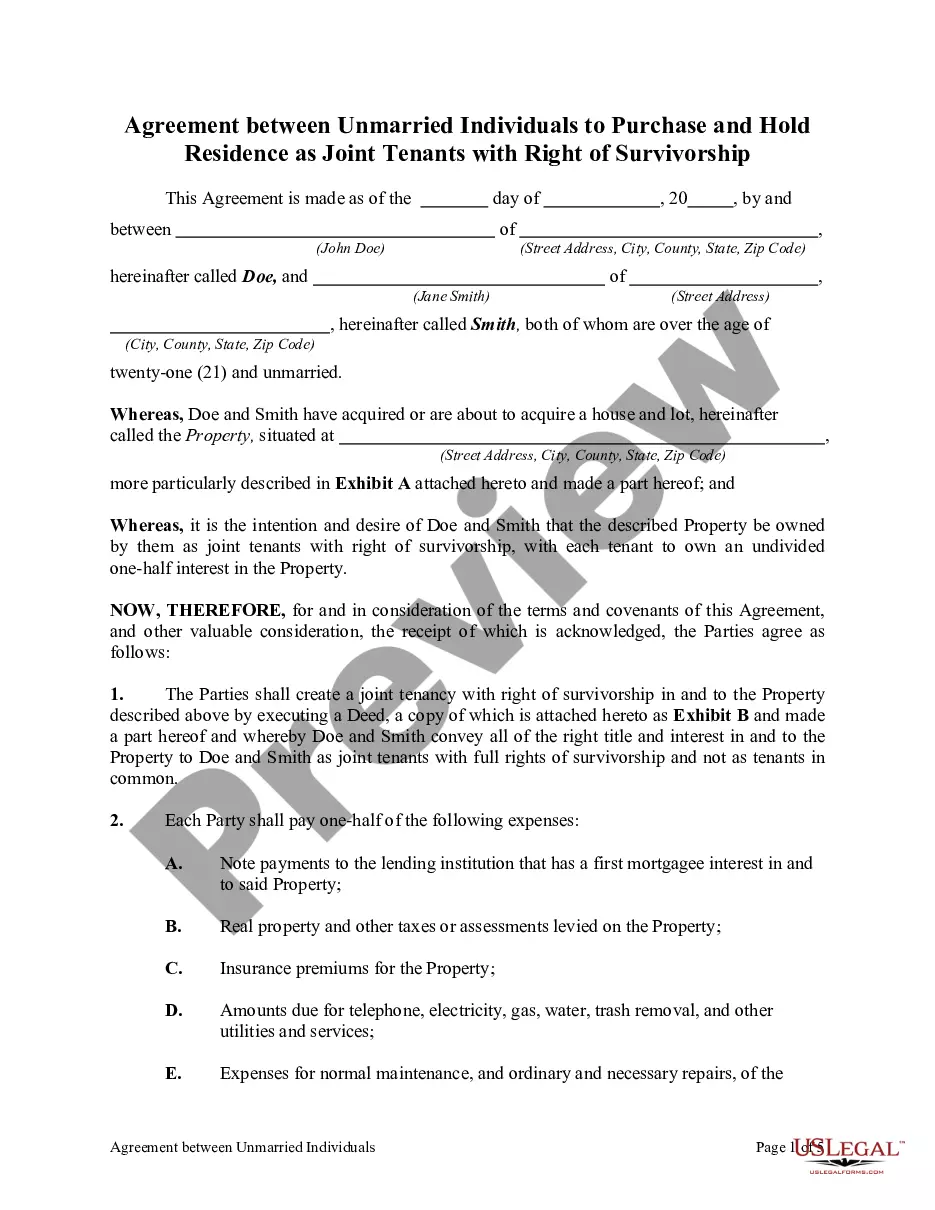
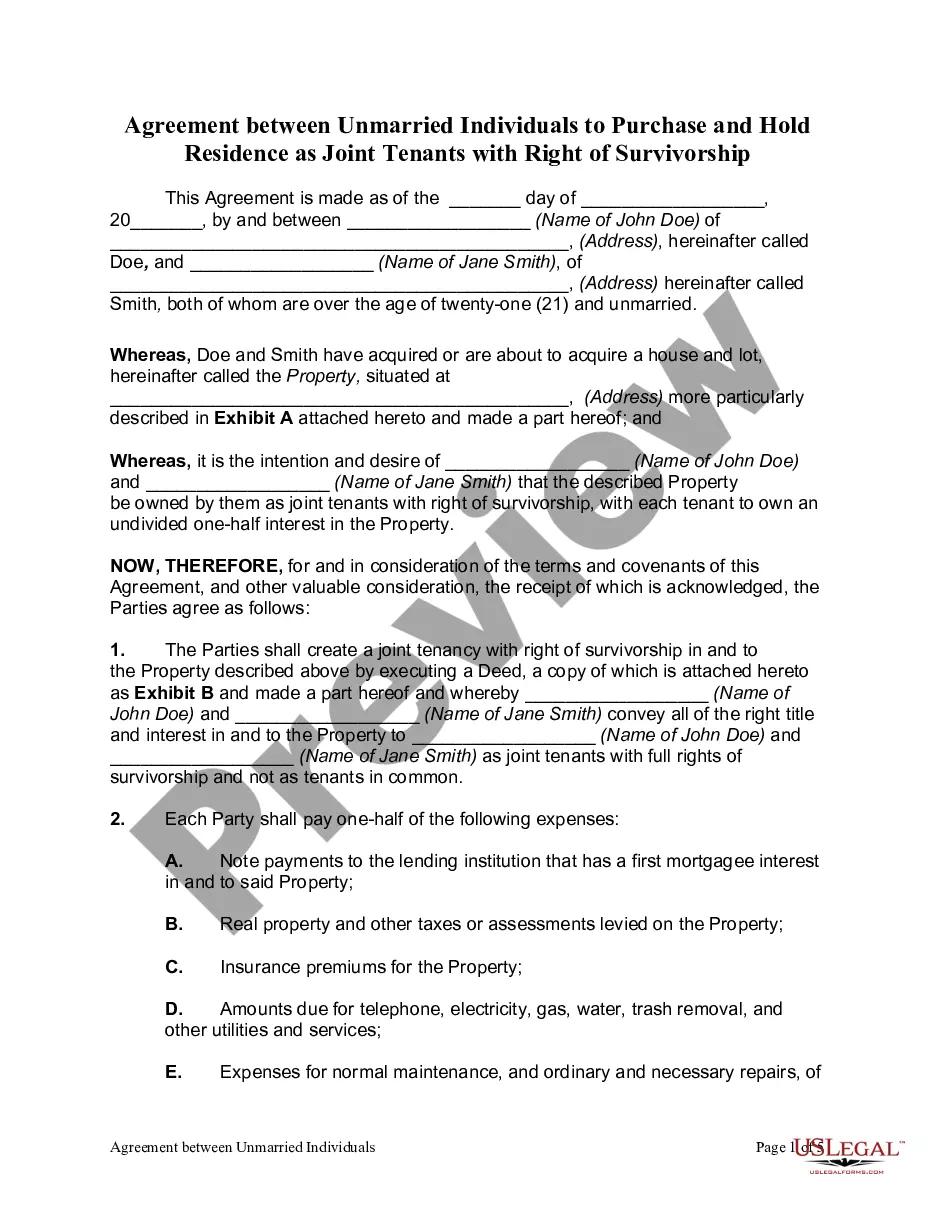
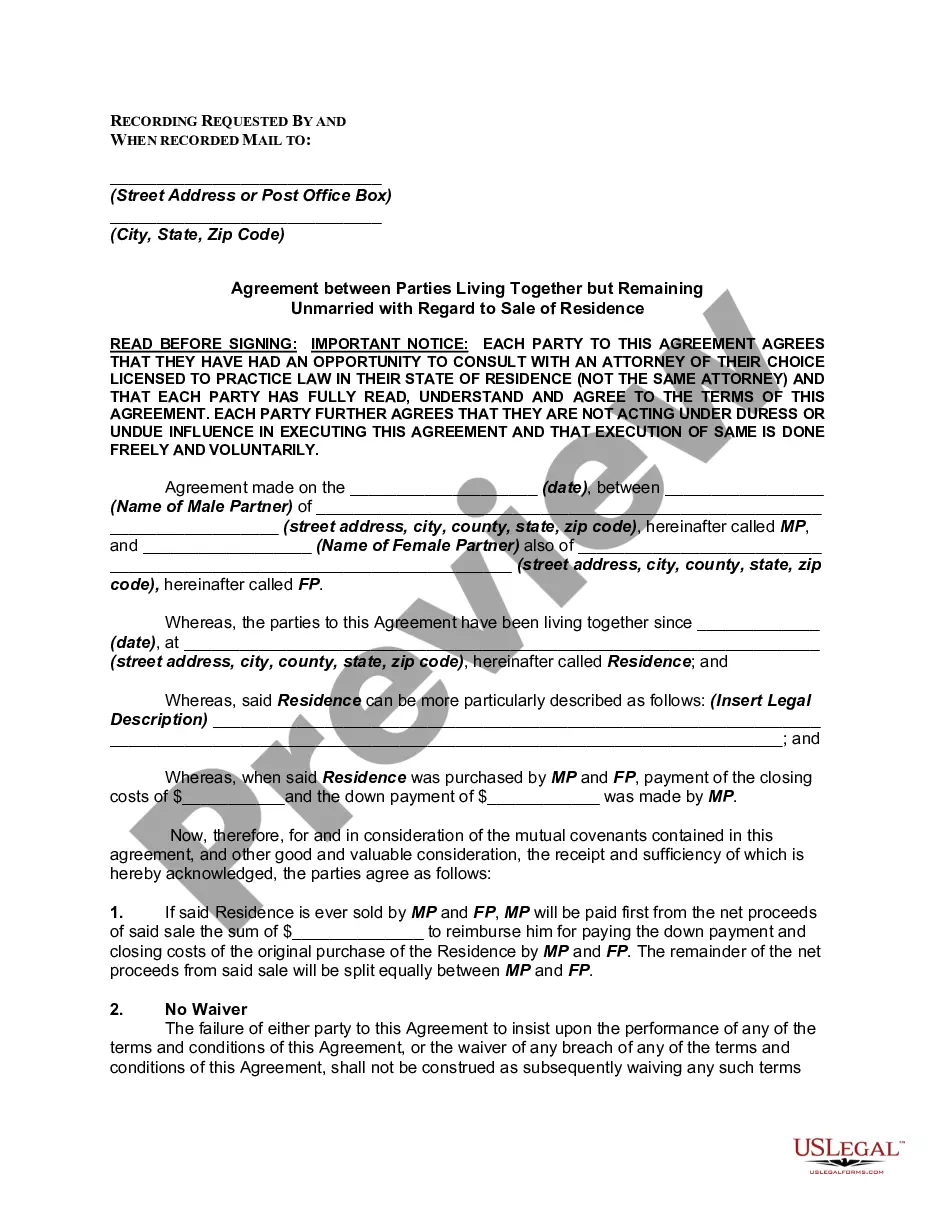
Get your form ready online
Our built-in tools help you complete, sign, share, and store your documents in one place.
Make edits, fill in missing information, and update formatting in US Legal Forms—just like you would in MS Word.
Download a copy, print it, send it by email, or mail it via USPS—whatever works best for your next step.
Sign and collect signatures with our SignNow integration. Send to multiple recipients, set reminders, and more. Go Premium to unlock E-Sign.
If this form requires notarization, complete it online through a secure video call—no need to meet a notary in person or wait for an appointment.
We protect your documents and personal data by following strict security and privacy standards.

Make edits, fill in missing information, and update formatting in US Legal Forms—just like you would in MS Word.

Download a copy, print it, send it by email, or mail it via USPS—whatever works best for your next step.

Sign and collect signatures with our SignNow integration. Send to multiple recipients, set reminders, and more. Go Premium to unlock E-Sign.

If this form requires notarization, complete it online through a secure video call—no need to meet a notary in person or wait for an appointment.

We protect your documents and personal data by following strict security and privacy standards.
Looking for another form?




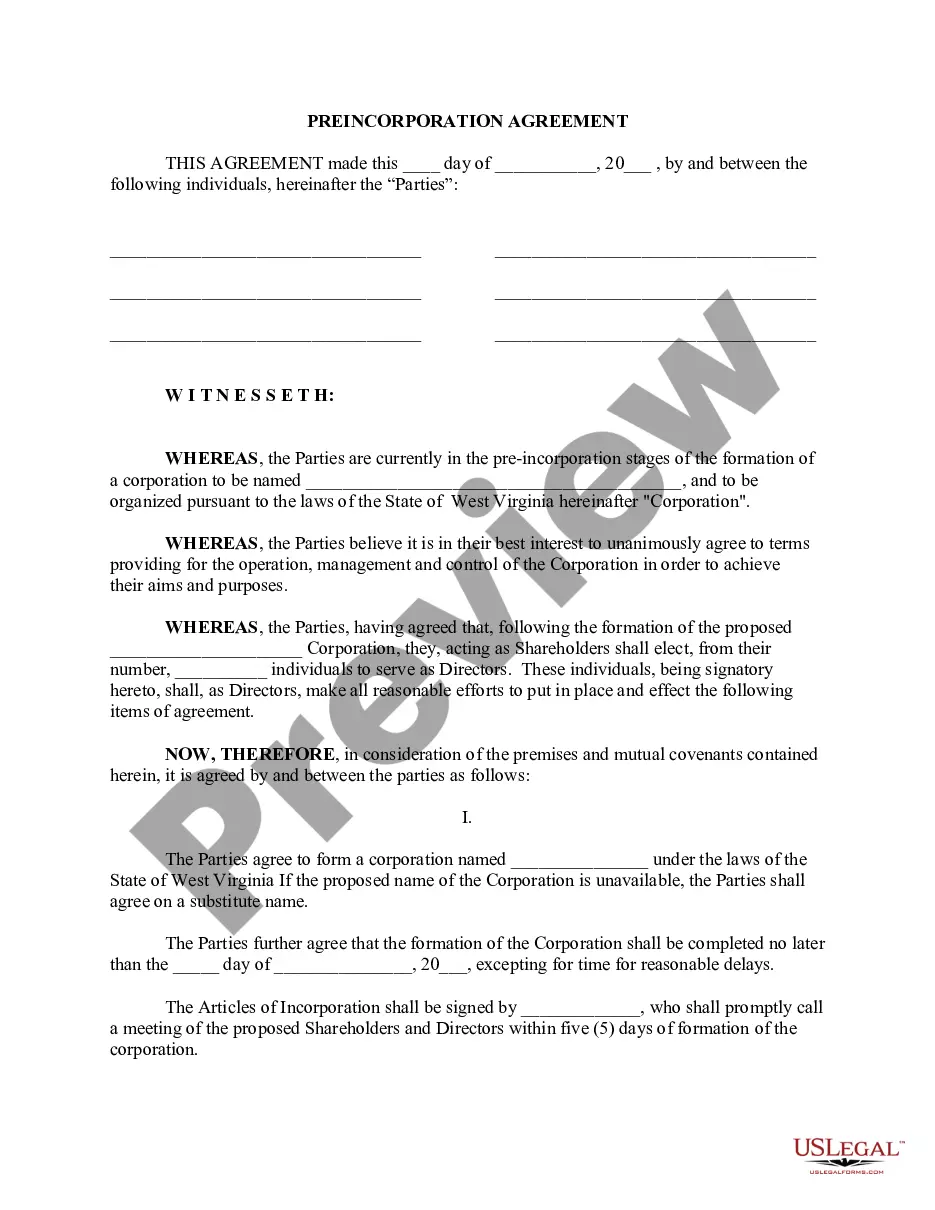

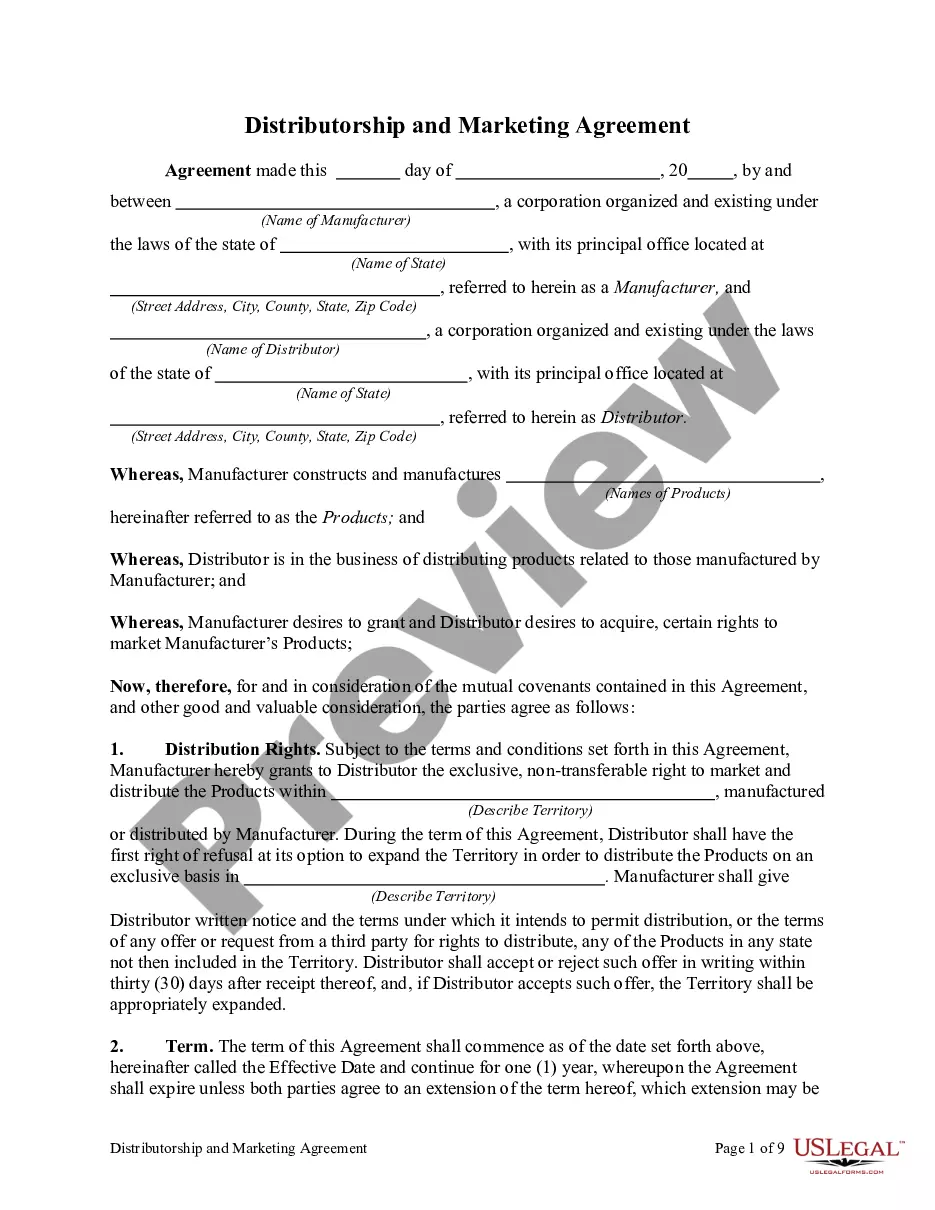
Form popularity
FAQ
How do I write a Cohabitation Agreement? General details. You'll need to provide some basic information, such as. Expenses. If you'd like, you can specify how you'll divide household expenses. Assets. You can list the assets that each party owns and keeps separate. Debt. Children. Final details.
Domestic Partners are persons who are in a long-term, committed relationship, have been in the relationship for at least six months, can provide satisfactory documentation showing they live together and are financially interdependent, and meet the criteria outlined in the Affidavit of Domestic Partnership.
Living together with someone is sometimes also called cohabitation. Generally speaking, you will have fewer rights if you're living together than if you're married. This information explains the legal differences between being married and living together.
Requirements for Proving Cohabitation Financial Interdependence: The court may consider evidence of financial interdependence between the recipient spouse and their cohabiting partner, such as joint bank accounts, shared expenses, or a joint lease.
Ing to Casper and Bianchi (2002), proposed four cohabitation types, essentially introducing one more distinction within the prelude to marriage type: firstly, alternative to marriage, secondly, precursor to marriage, thirdly, trial marriage, and finally, co-residential dating (Casper and Bianchi, 2002).
Living together without being married or being in a civil partnership means you do not have many rights around finances, property and children. Consider making a will and getting a cohabitation agreement to protect your interests.
Similar to a prenuptial or post-nuptial agreement, a cohabitation agreement is a legal contract between two individuals who live together but are not married. This agreement outlines the rights and obligations of each party regarding property, finances, and other relevant matters.
No. Unless you are married or in a domestic partnership, you do not get any special relationship rights or privileges in the state of New York. Common law marriages are not recognized in New York state, and therefore, unmarried couples do not automatically get rights after cohabiting for a certain amount of time.
New York State does not recognize common-law marriage for relationships established within its borders. This means that regardless of how long a couple lives together or whether they consider themselves married, they will not be considered legally married in New York without a marriage license and a formal ceremony.
Affidavits or testimony from friends, family, or neighbors explaining their knowledge of your relationship, your living arrangements, and your reputation in the community as a married couple, including whether you participated in community activities as a family and referred to each other as "husband," "wife," or " ...
