Agreement Condominium Rental With Tenants In Queens
Description

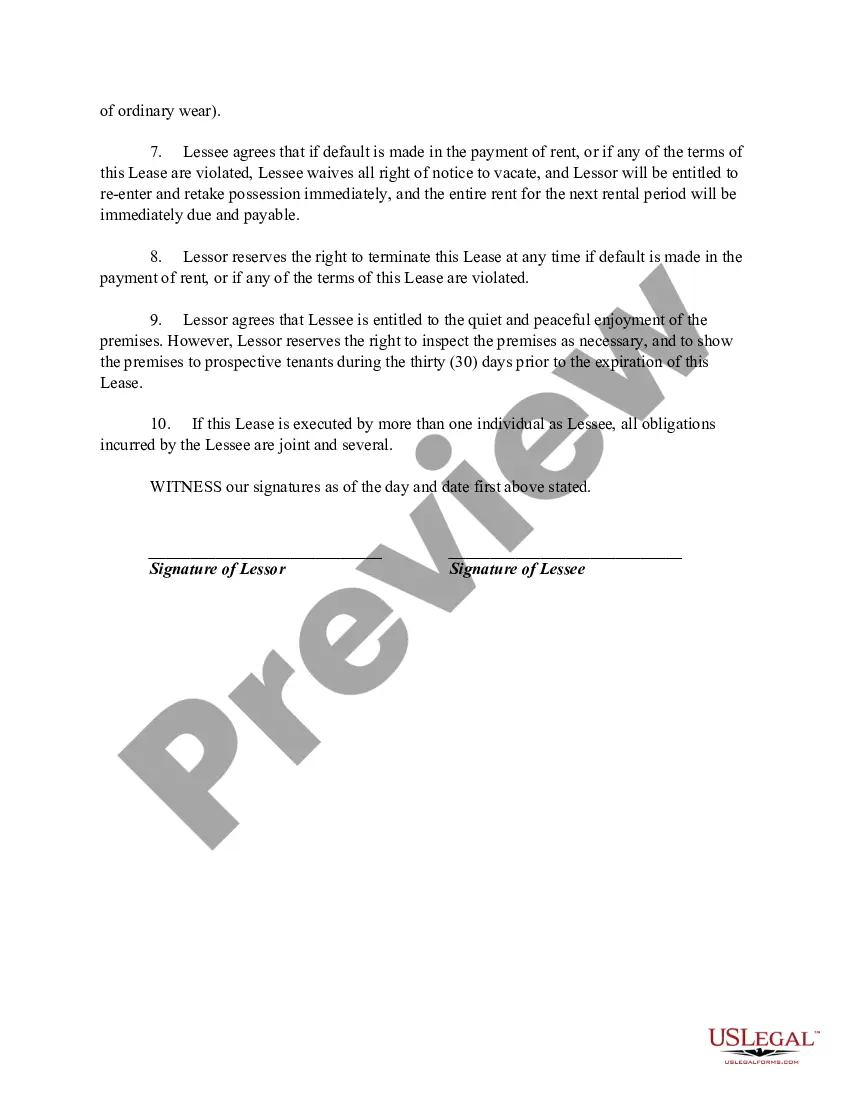
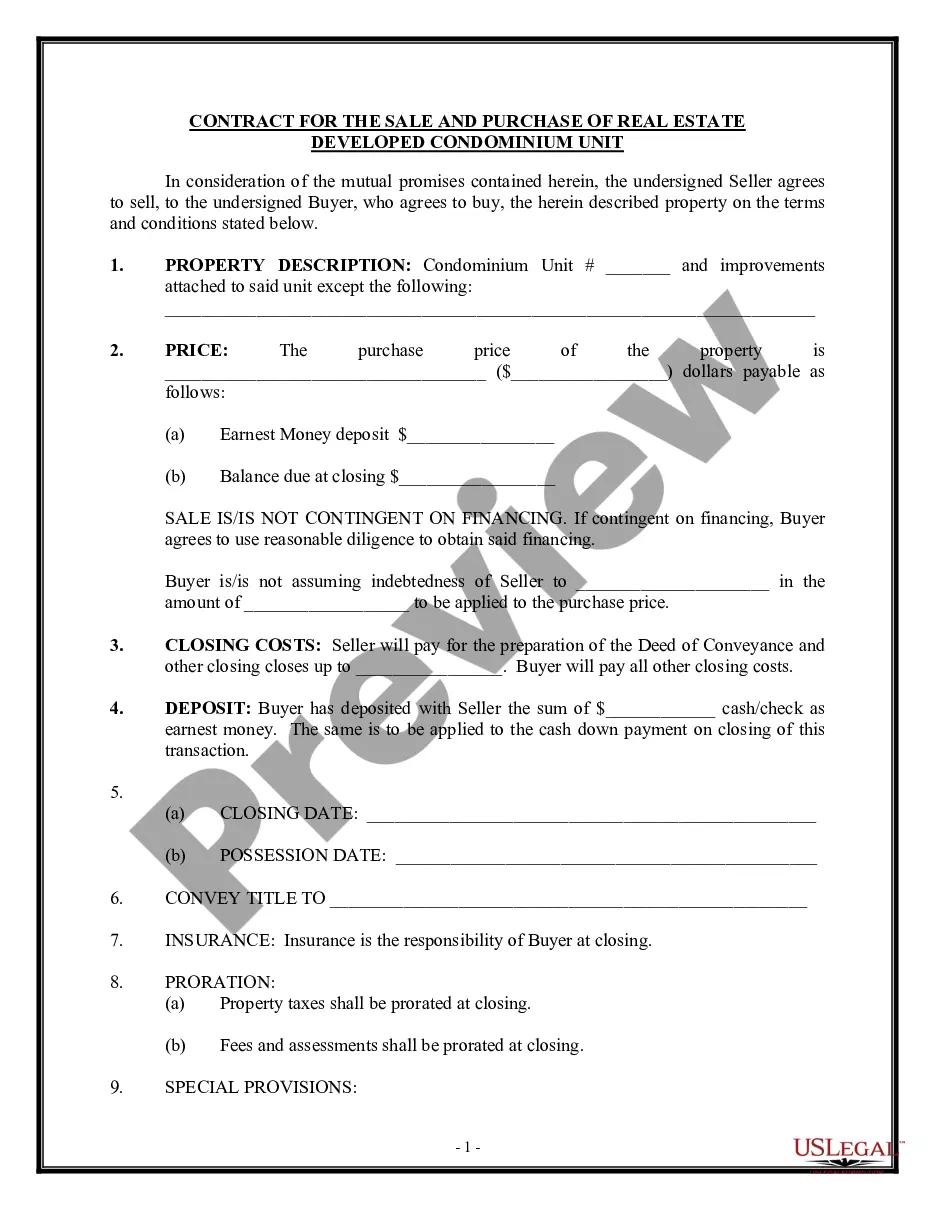
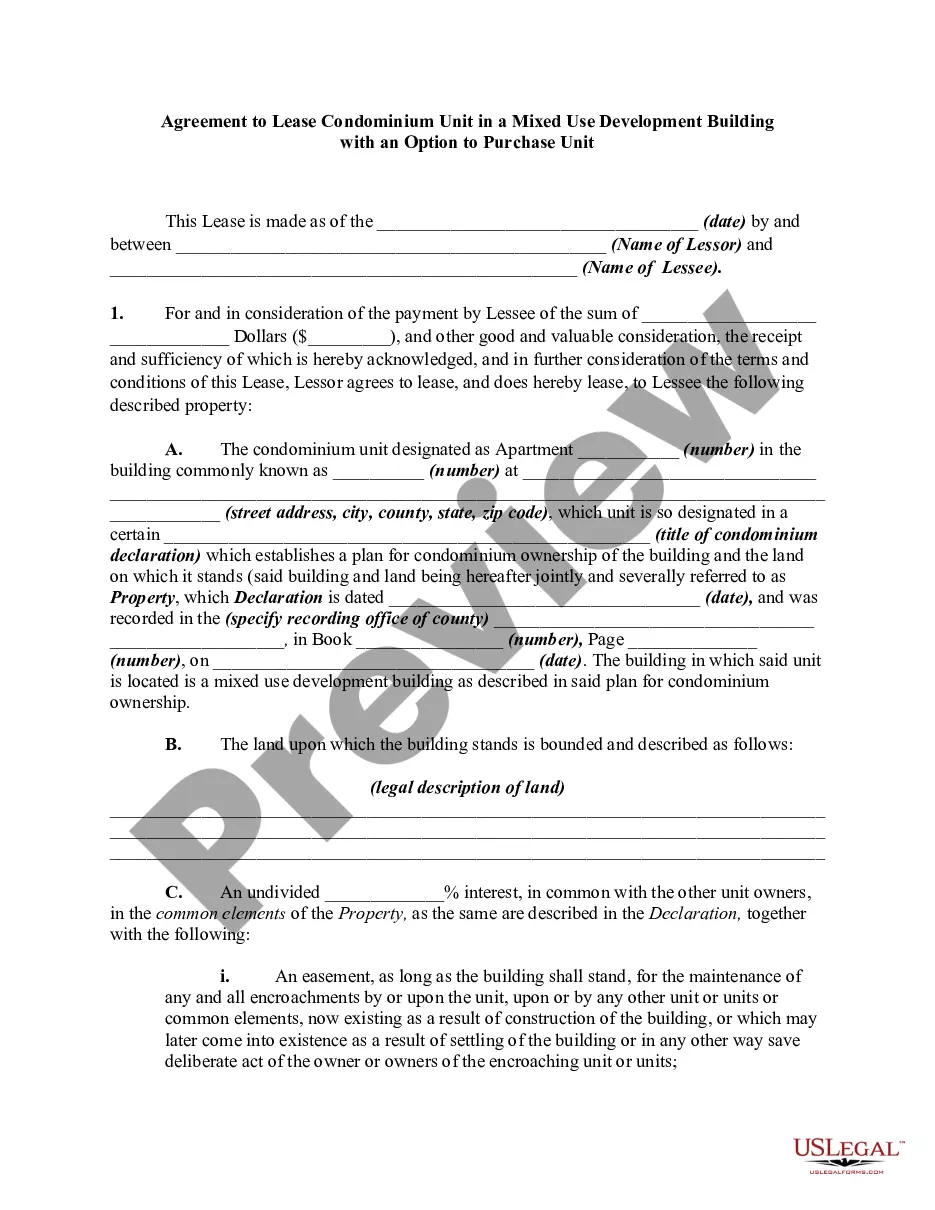
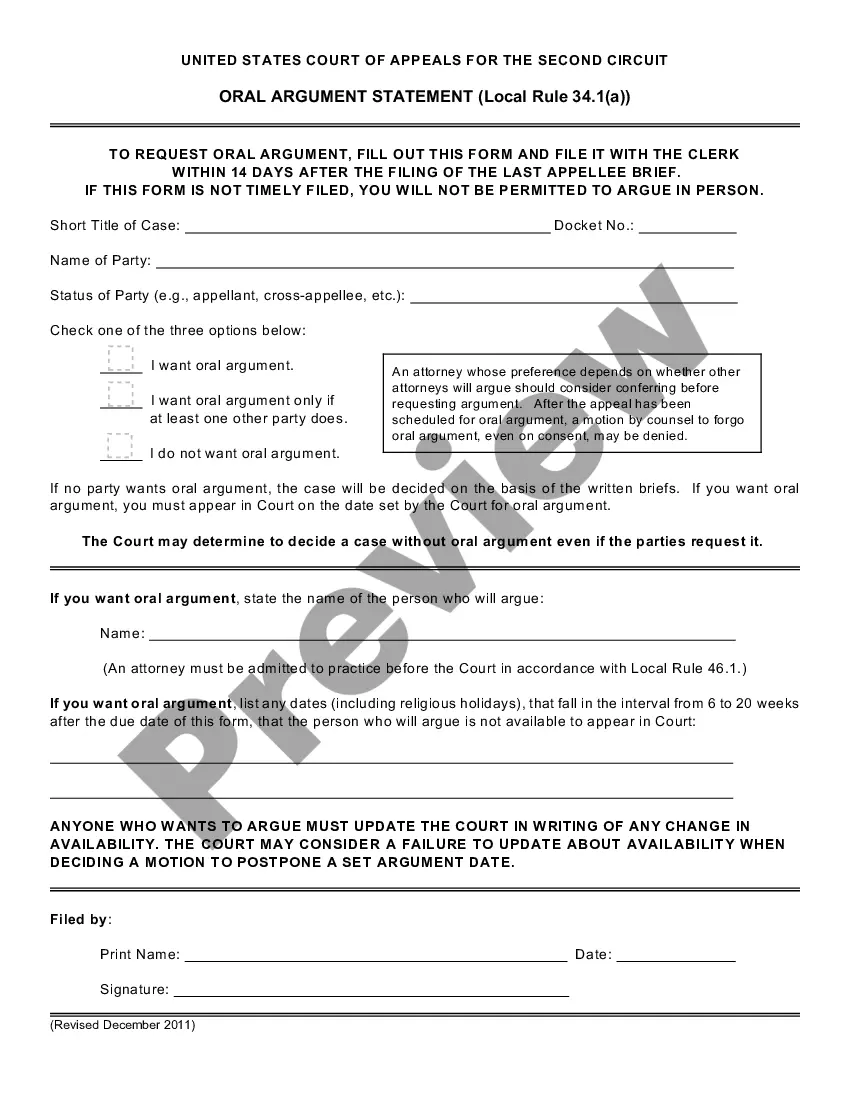
Get your form ready online
Our built-in tools help you complete, sign, share, and store your documents in one place.
Make edits, fill in missing information, and update formatting in US Legal Forms—just like you would in MS Word.
Download a copy, print it, send it by email, or mail it via USPS—whatever works best for your next step.
Sign and collect signatures with our SignNow integration. Send to multiple recipients, set reminders, and more. Go Premium to unlock E-Sign.
If this form requires notarization, complete it online through a secure video call—no need to meet a notary in person or wait for an appointment.
We protect your documents and personal data by following strict security and privacy standards.

Make edits, fill in missing information, and update formatting in US Legal Forms—just like you would in MS Word.

Download a copy, print it, send it by email, or mail it via USPS—whatever works best for your next step.

Sign and collect signatures with our SignNow integration. Send to multiple recipients, set reminders, and more. Go Premium to unlock E-Sign.

If this form requires notarization, complete it online through a secure video call—no need to meet a notary in person or wait for an appointment.

We protect your documents and personal data by following strict security and privacy standards.
Looking for another form?


Form popularity
FAQ
Your landlord must give you at least 30 days notice if they are not planning to renew your lease or will raise your rent by more than 5%. If you have been living in your home for over a year, your landlord must give at least 60 days notice.
Use a professional tone when writing a letter to request repairs. State clearly what needs repair, why it's needed, and include a deadline for completing it. Also, consider including a reminder that repairs may need to be completed for the tenant to remain compliant with their lease agreement.
In NYC, an owner may refuse to renew a rent stabilized tenant's lease because the owner has an immediate and compelling need to possess the apartment for use as his or her primary residence or as a primary residence for his or her immediate family.
What Happens If You Don't Give 30-days' Notice To Vacate? If you do not provide your tenant with adequate notice, you will not have the legal grounds to end the tenancy. Likewise, if a tenant does not give you enough notice they could be subject to penalties (such as the landlord withholding their security deposit).
By law, landlords have to give you at least 60 days notice of rent increase and to present a lease renewal. If they don't, you're considered a month-to-month. You're required to give them a full 30 days in writing if you intend on leaving or renewing. If you don't, they can keep a portion of your deposit.
Termination date: The law says, the termination date must be effective no earlier than thirty days after the date on which the next rental payment is due (after the notice is delivered). The notice is considered delivered five days after mailing.
New York City rent stabilized tenants are entitled to receive a fully executed copy of their signed lease from their landlords within 30 days of the landlord's receipt of the lease signed by the tenant. The lease's beginning and ending dates must be stated.
Tenant Rights When Renting Without a Lease Agreement Right to Habitable Living Conditions. Right to Privacy. Right to Reasonable Notice Before Landlord Entry. Right to Security Deposit Refund. Right to Notice Before Eviction. Right to Defend Against Unlawful Eviction. The Importance of a Safe Living Environment.
A Residential Sublet Agreement is a contract a tenant uses to allow someone else to occupy their rental space for a portion or the remainder of the original lease. You can sublet a portion of a rental property or the entire space. A Residential Sublet Agreement is also known as a: Sublease agreement.
A legal agreement for temporary possession of property or goods in exchange for regular payments. lease. contract. leasehold.
