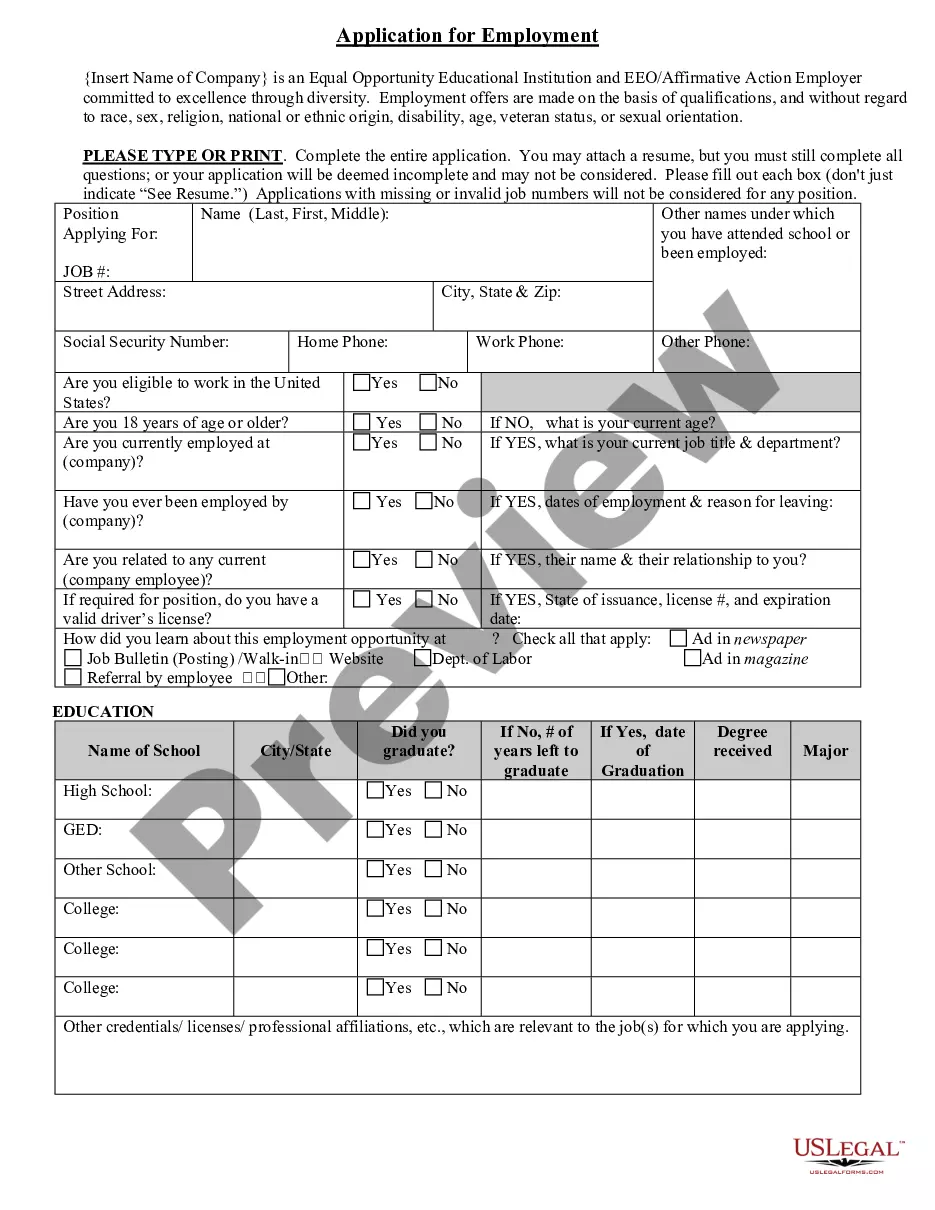
Job Application With Cover Letter In Montgomery
Description

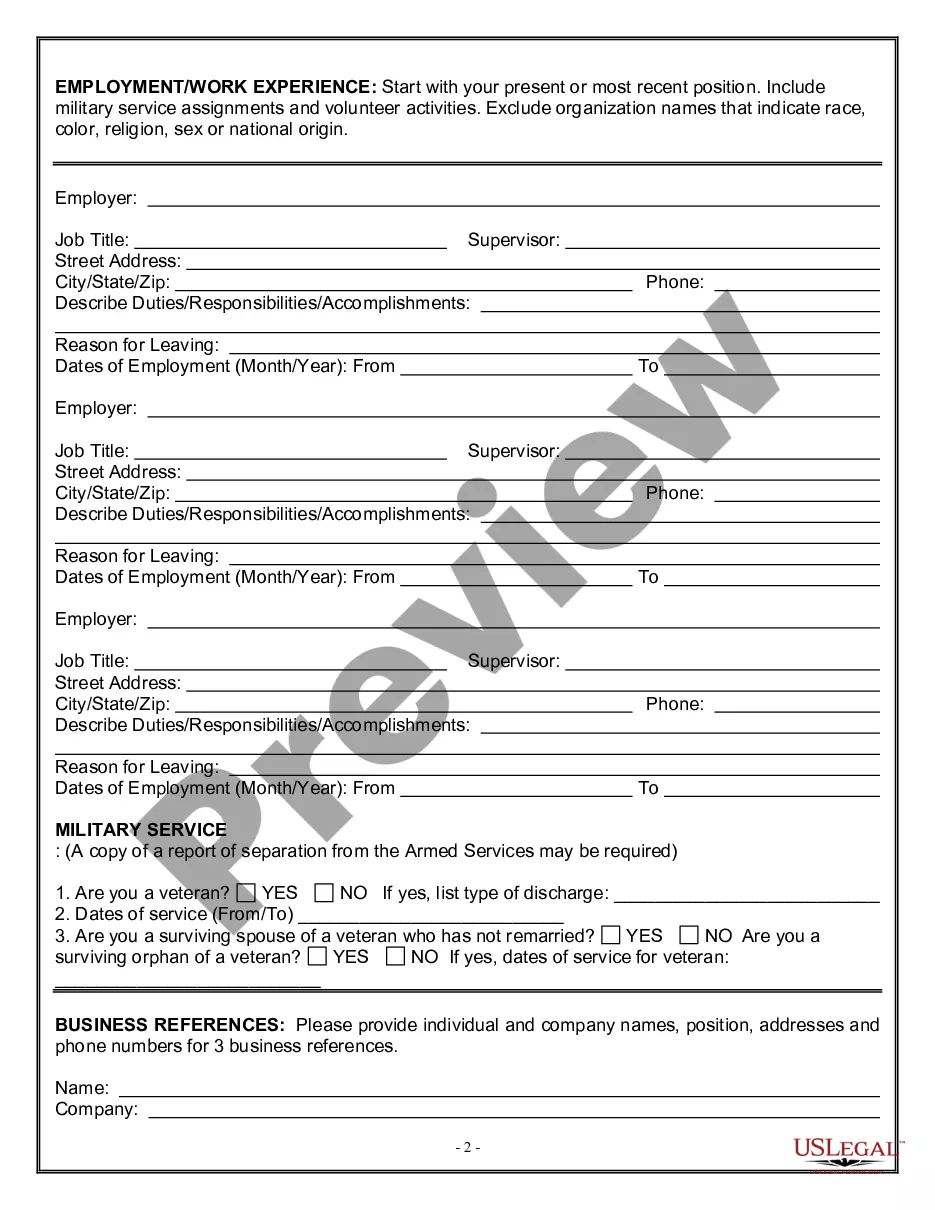
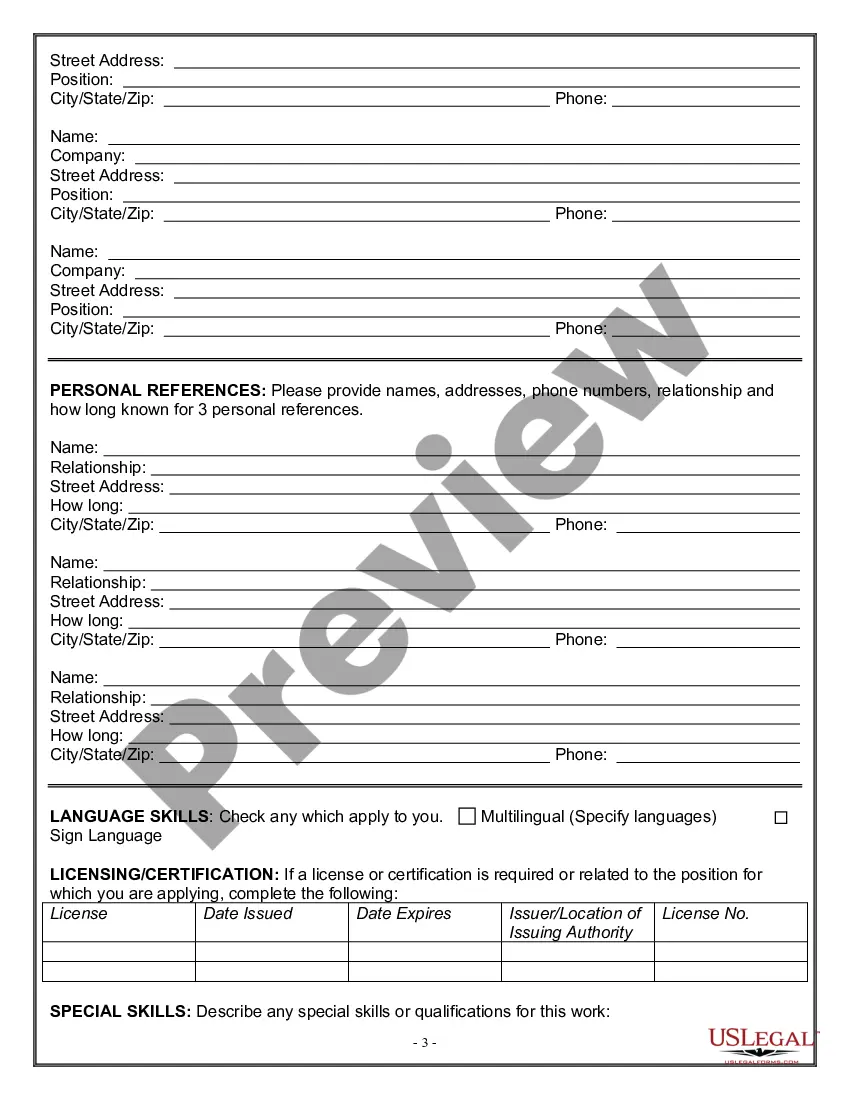
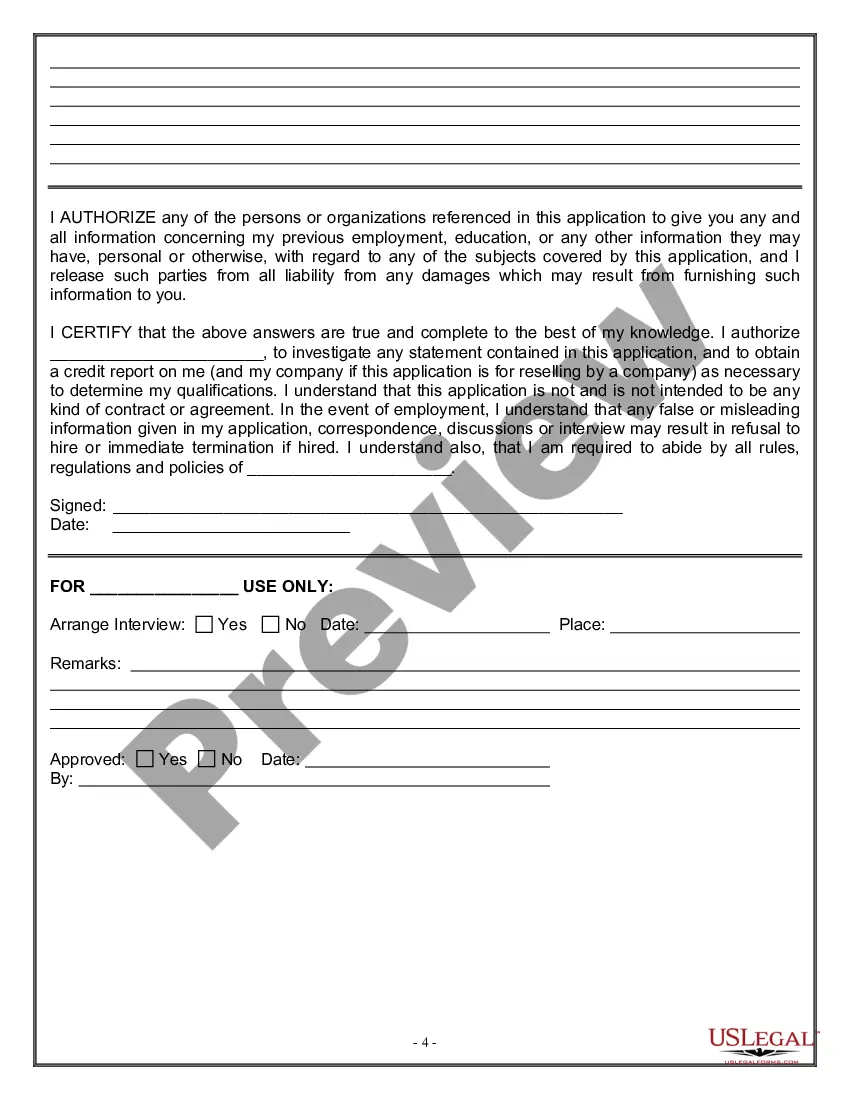
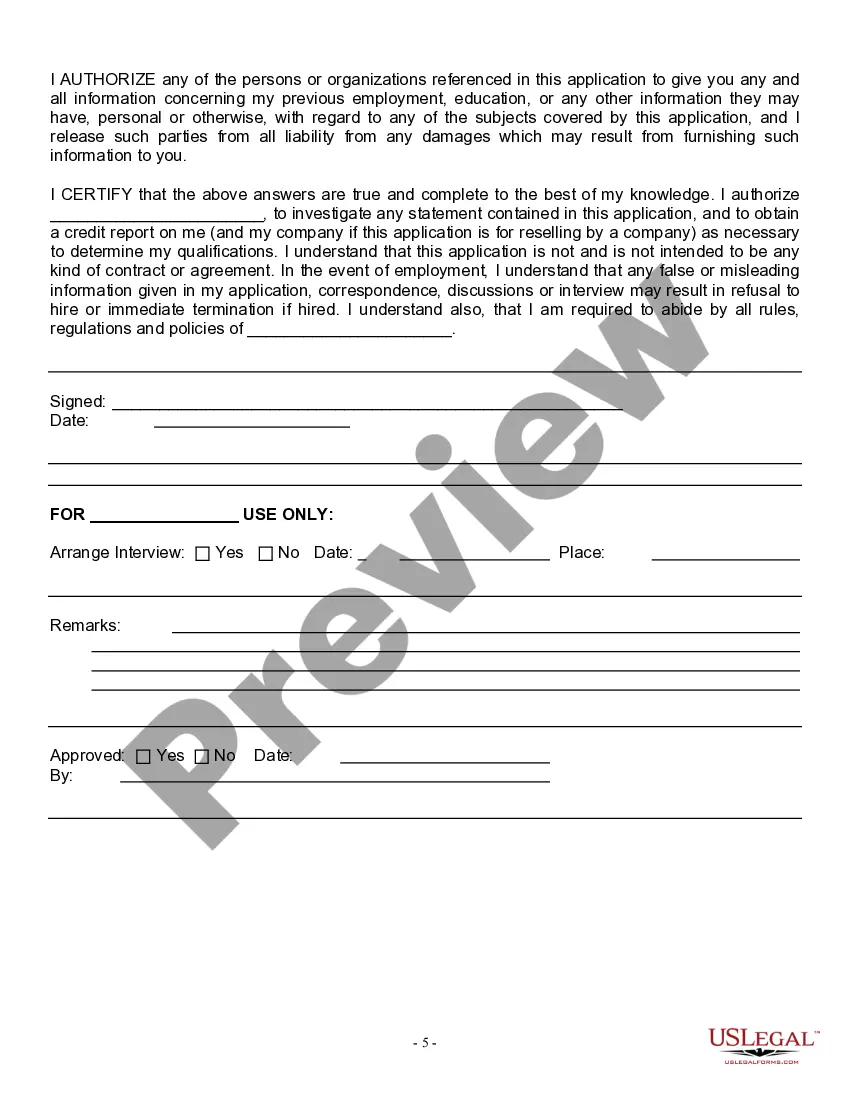
Get your form ready online
Our built-in tools help you complete, sign, share, and store your documents in one place.
Make edits, fill in missing information, and update formatting in US Legal Forms—just like you would in MS Word.
Download a copy, print it, send it by email, or mail it via USPS—whatever works best for your next step.
Sign and collect signatures with our SignNow integration. Send to multiple recipients, set reminders, and more. Go Premium to unlock E-Sign.
If this form requires notarization, complete it online through a secure video call—no need to meet a notary in person or wait for an appointment.
We protect your documents and personal data by following strict security and privacy standards.

Make edits, fill in missing information, and update formatting in US Legal Forms—just like you would in MS Word.

Download a copy, print it, send it by email, or mail it via USPS—whatever works best for your next step.

Sign and collect signatures with our SignNow integration. Send to multiple recipients, set reminders, and more. Go Premium to unlock E-Sign.

If this form requires notarization, complete it online through a secure video call—no need to meet a notary in person or wait for an appointment.

We protect your documents and personal data by following strict security and privacy standards.
Looking for another form?








Form popularity
FAQ
What is a Cover Letter? Introduce yourself to the hiring managers. Provide details about your qualifications. Tell employers why you want to work for them. Illustrate why you're the best match for the job. Explain circumstances like job hopping or gaps in employment.
How to Format an Email Cover Letter Write a subject line that includes the position you're applying for. Address the company contact's name in the salutation. Clearly state what you're hoping to accomplish in the first few sentences. Summarize your strengths, skills and experience by connecting them to the job opportunity.
If it's a specific person, address them by name and title. If not, consider addressing the cover letter to "Dear Hiring Manager" or "Dear Human Resources."
DO: Include position title in the SUBJECT line of e-mail. Align all text to the left. Use spaces to separate paragraphs. Use 12 point Times New Roman font. Test letter before sending it to employers by mailing it to yourself or to a friend. Mail a copy to your top employers.
Ideally, you should type no more than one or two brief paragraphs. Introduce yourself and state that your resume and cover letter are attached. Keep the tone somewhat formal, and make sure you adhere to the basics of good written communication (e.g., proper greeting, excellent grammar and spelling, proper salutation).
How can you write a cover letter that stands out when applying for a job in another country? Research the company and the country. Highlight your relevant skills and achievements. Explain your motivation and fit. Show your language proficiency and cultural awareness. Proofread and edit your cover letter.
How to Write a Cover Letter That Wins the Job Do your research. Address the hiring manager by name. Hook your reader with a strong opening paragraph. Relate your experience to the company's needs. Highlight concrete examples of your achievements. Re-state your interest and finish with confidence. Proofread carefully.
Here are a few elements you should include when writing a cover letter: Header. Greeting. Opening paragraph. Main body. Closing paragraph. Salutations. Personalize cover letters to each application. Express your excitement and interest.
While a CV and cover letter go hand in hand for a job application, a CV is a detailed listing of your academic and professional qualifications . On the other hand, a cover letter is a concise text that explains why you're applying for the job and why you would be perfect for it.
Short answer: yes, you should submit a cover letter alongside your resume. Here's why: Most job openings require you to submit a cover letter. Recruiters might not have the time to read ALL the cover letters they receive, but they will definitely read cover letters if they're on the fence for a candidate.