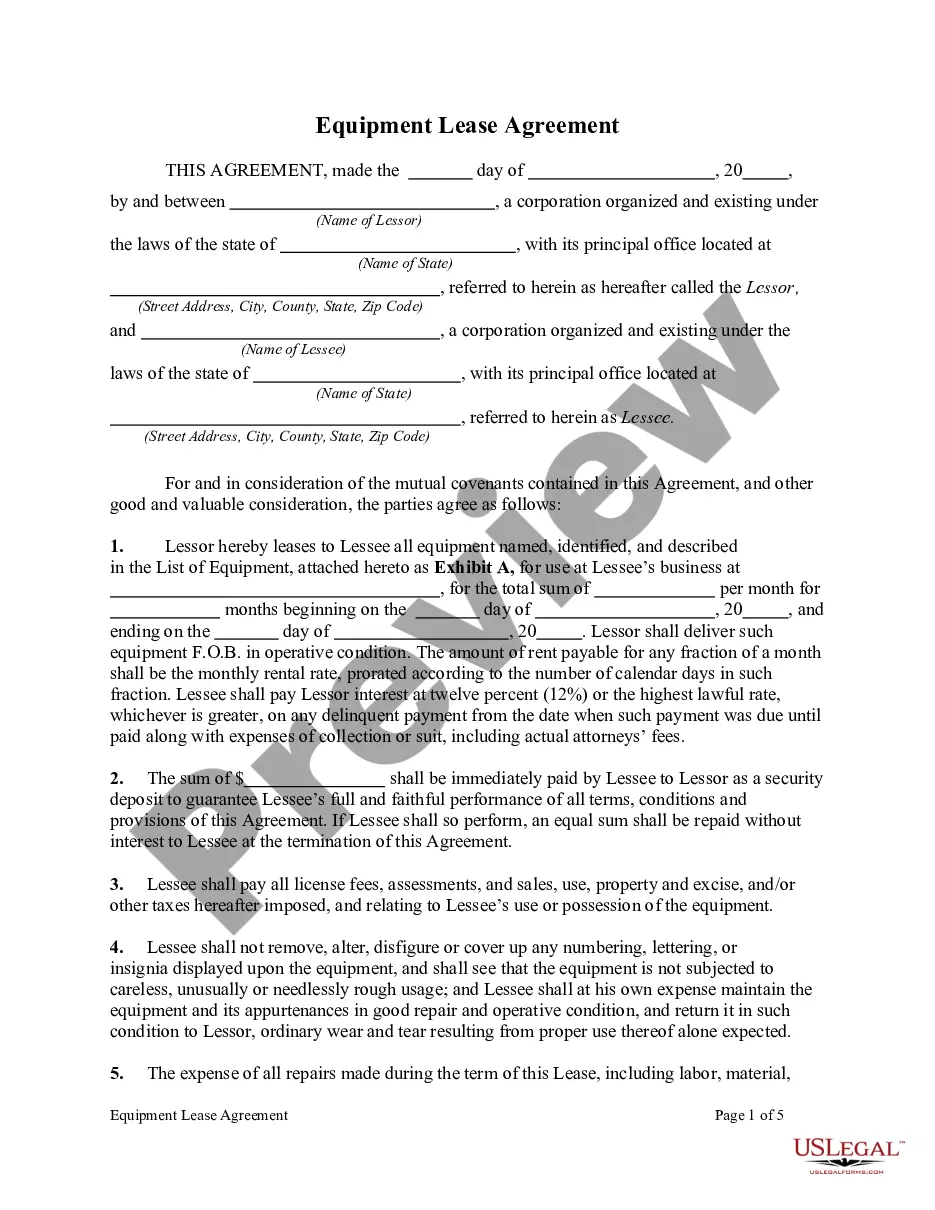
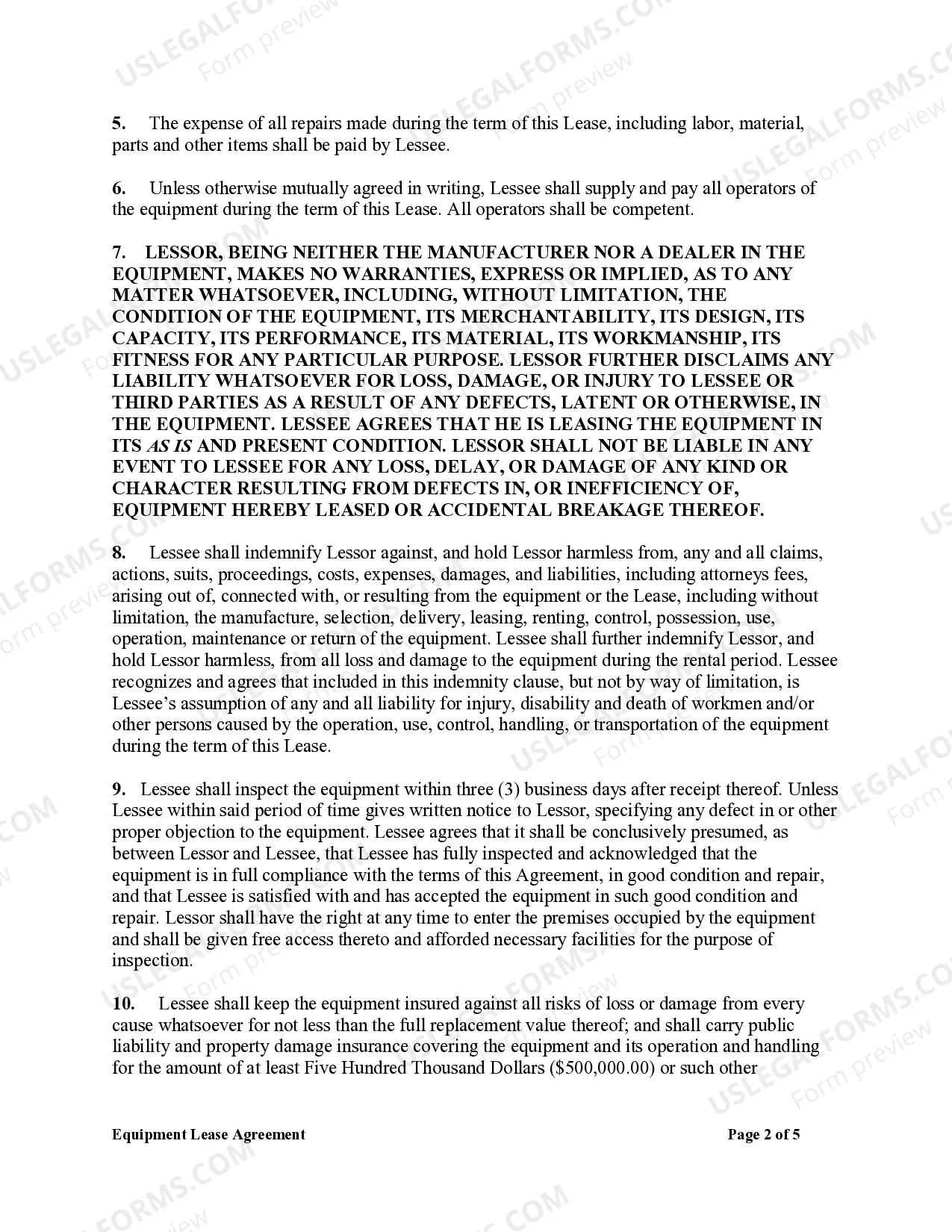
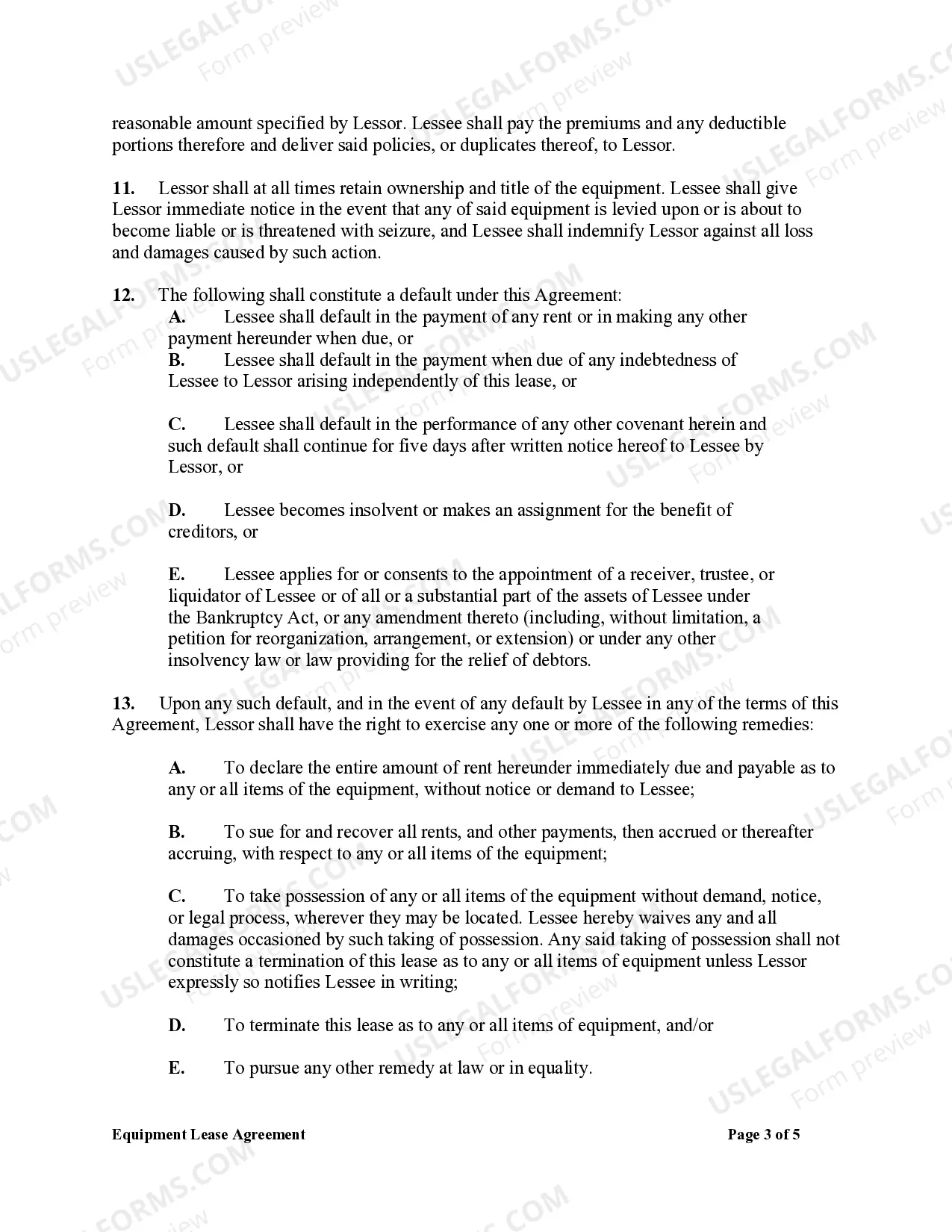
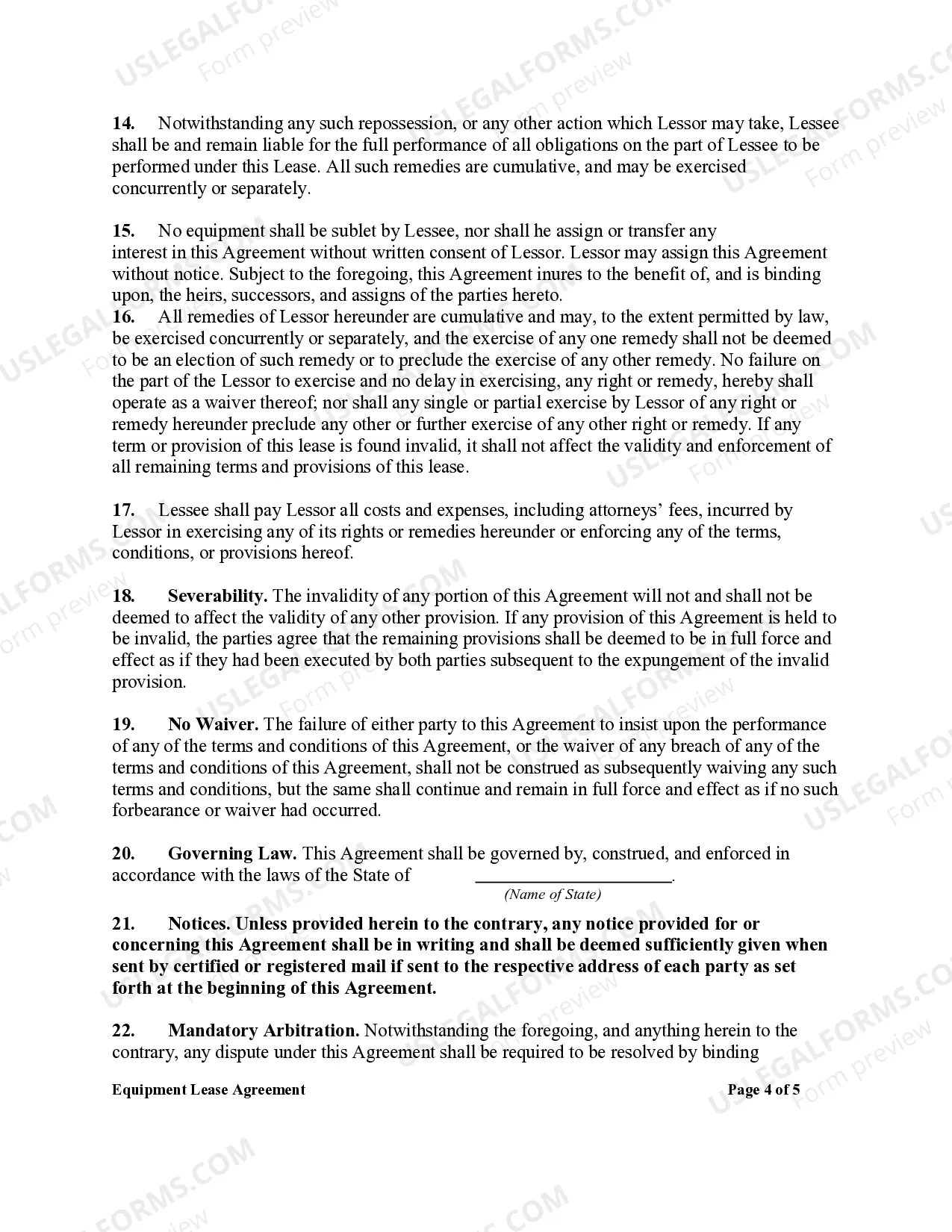
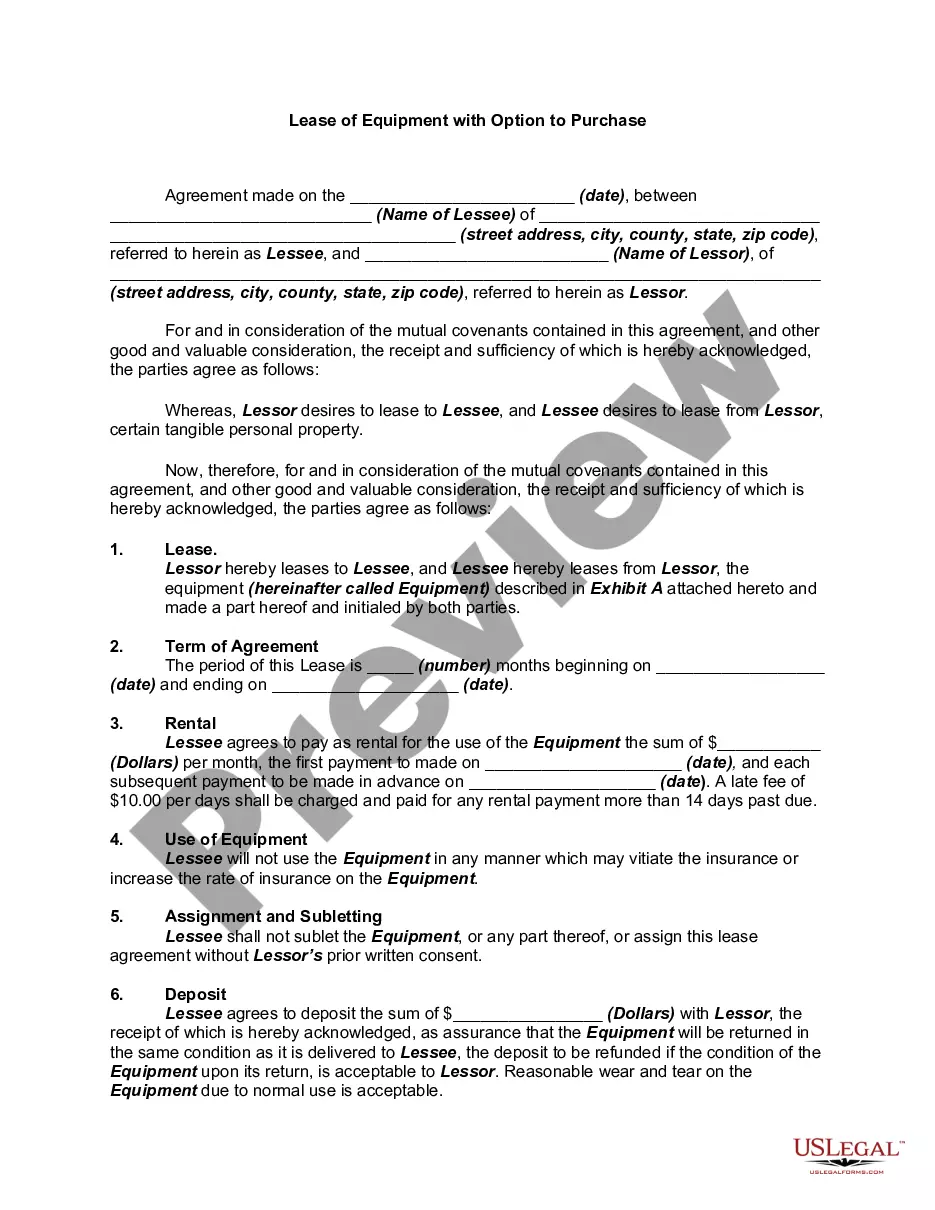
Equipment Rental Agreement Printable With Option To Purchase In Wayne
Description
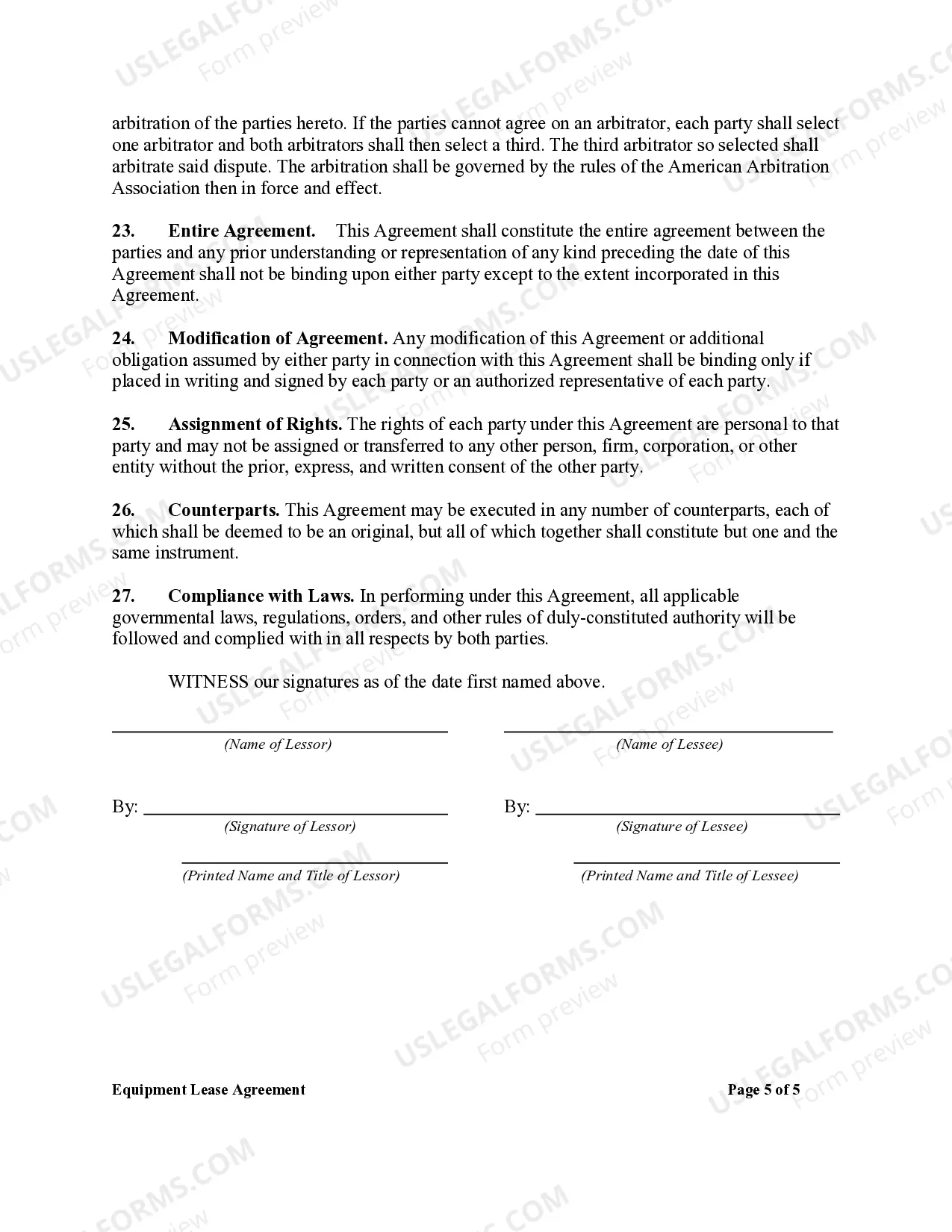
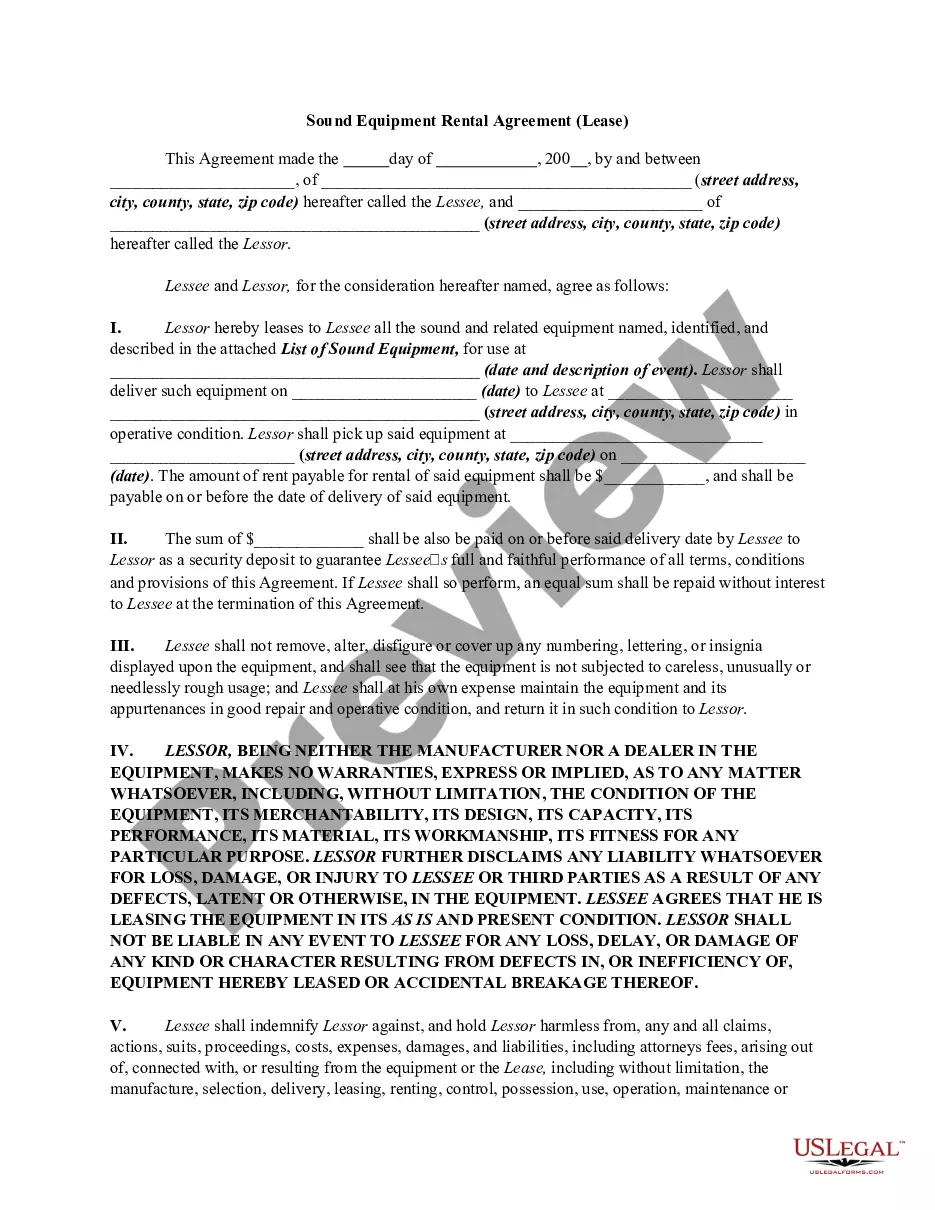
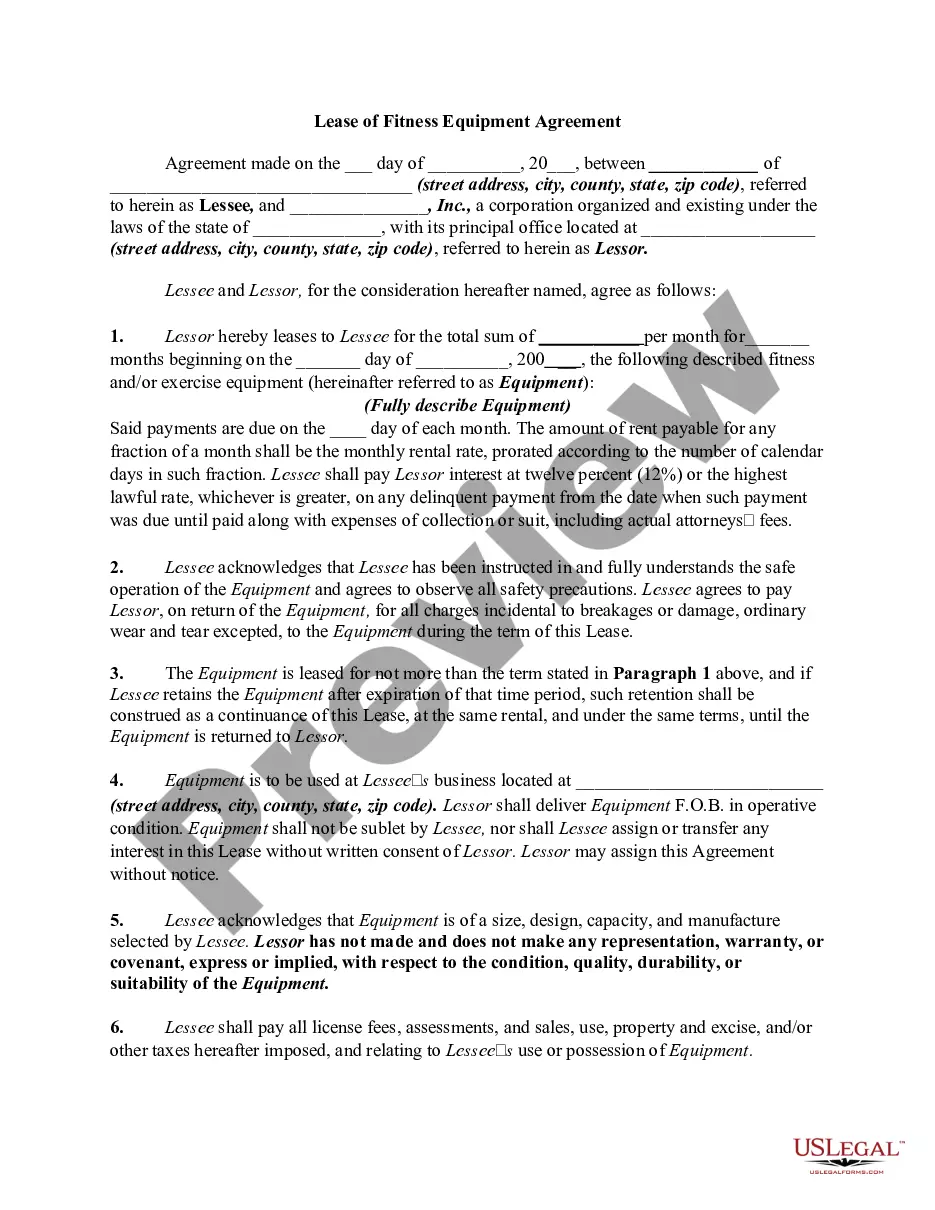
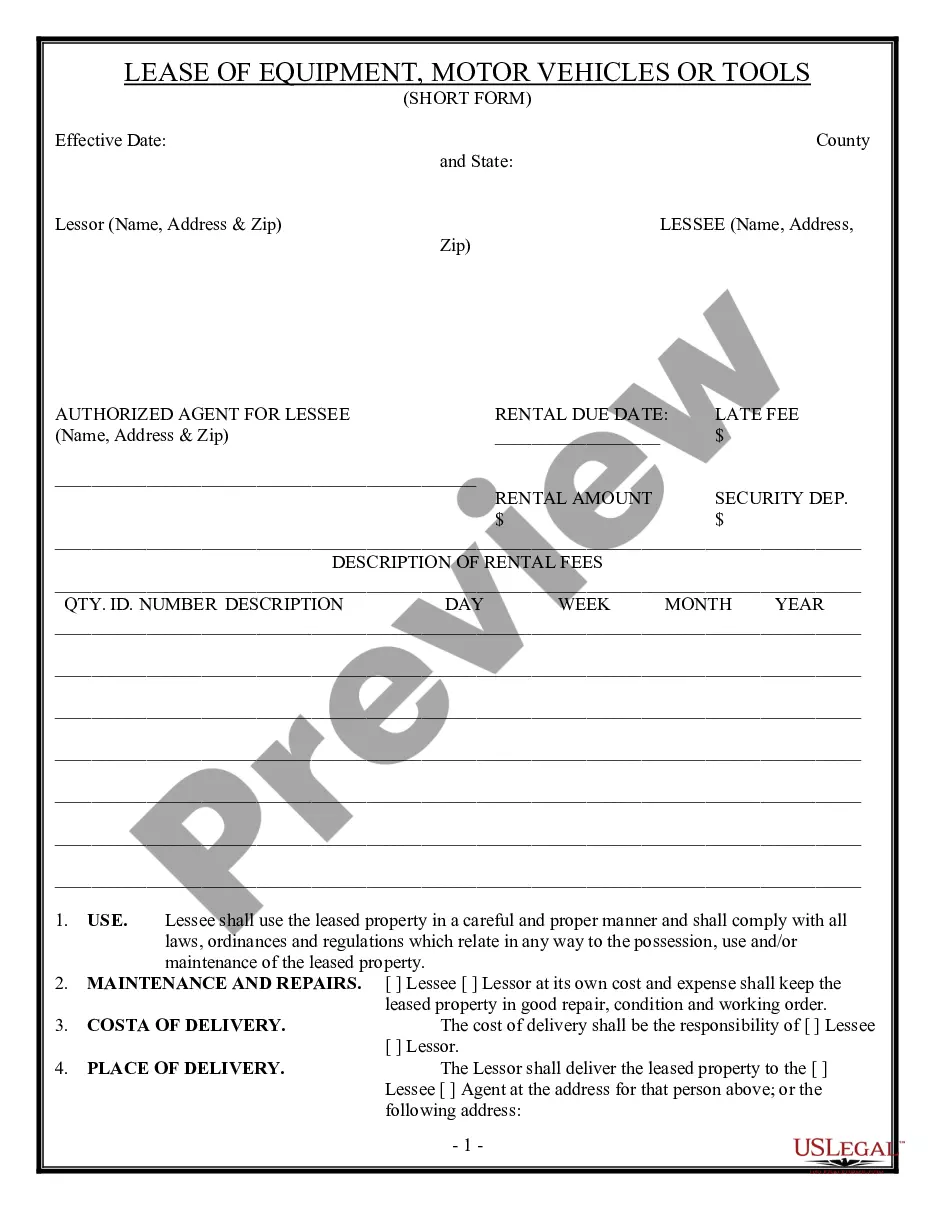
Get your form ready online
Our built-in tools help you complete, sign, share, and store your documents in one place.
Make edits, fill in missing information, and update formatting in US Legal Forms—just like you would in MS Word.
Download a copy, print it, send it by email, or mail it via USPS—whatever works best for your next step.
Sign and collect signatures with our SignNow integration. Send to multiple recipients, set reminders, and more. Go Premium to unlock E-Sign.
If this form requires notarization, complete it online through a secure video call—no need to meet a notary in person or wait for an appointment.
We protect your documents and personal data by following strict security and privacy standards.

Make edits, fill in missing information, and update formatting in US Legal Forms—just like you would in MS Word.

Download a copy, print it, send it by email, or mail it via USPS—whatever works best for your next step.

Sign and collect signatures with our SignNow integration. Send to multiple recipients, set reminders, and more. Go Premium to unlock E-Sign.

If this form requires notarization, complete it online through a secure video call—no need to meet a notary in person or wait for an appointment.

We protect your documents and personal data by following strict security and privacy standards.
Looking for another form?








Form popularity
FAQ
A critical factor in any equipment lease agreement is determining what happens at the end of the lease term. Depending on the type of equipment lease, options may include: Returning the equipment to the lessor (common in an operating lease) Purchasing the equipment at fair market value (common in a finance lease)
An equipment lease agreement is a contractual agreement where the lessor, who is the owner of the equipment, allows the lessee to use the equipment for a specified period in exchange for periodic payments.
It's more than likely that you'll be given the option of signing up to another contract, but you can also arrange to hand the car back and leave it at that. Either way, the leasing company will arrange to inspect and collect the car at the very end of the contract.
With leasing the asset isn't yours during the leasing agreement. You can use it as if it was yours, but you are not the legal owner of the asset until the end of the contract, and when all outstanding payments have been made to the leasing company.
As the leased equipment is not considered an owned asset for the lessee, it typically does not appear as a depreciating asset on their balance sheet.
