Partition Settlement Agreement With Sale In Washington
Description


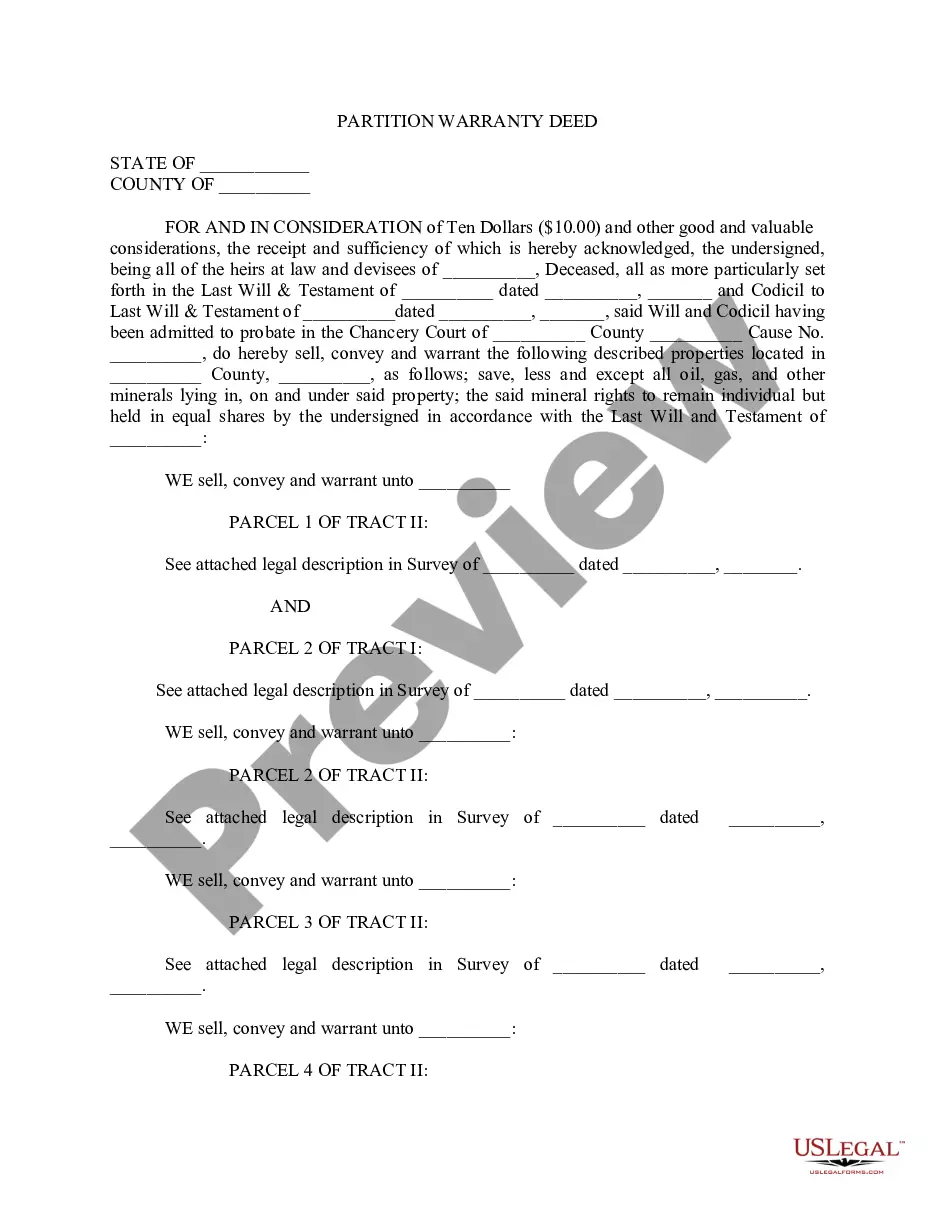
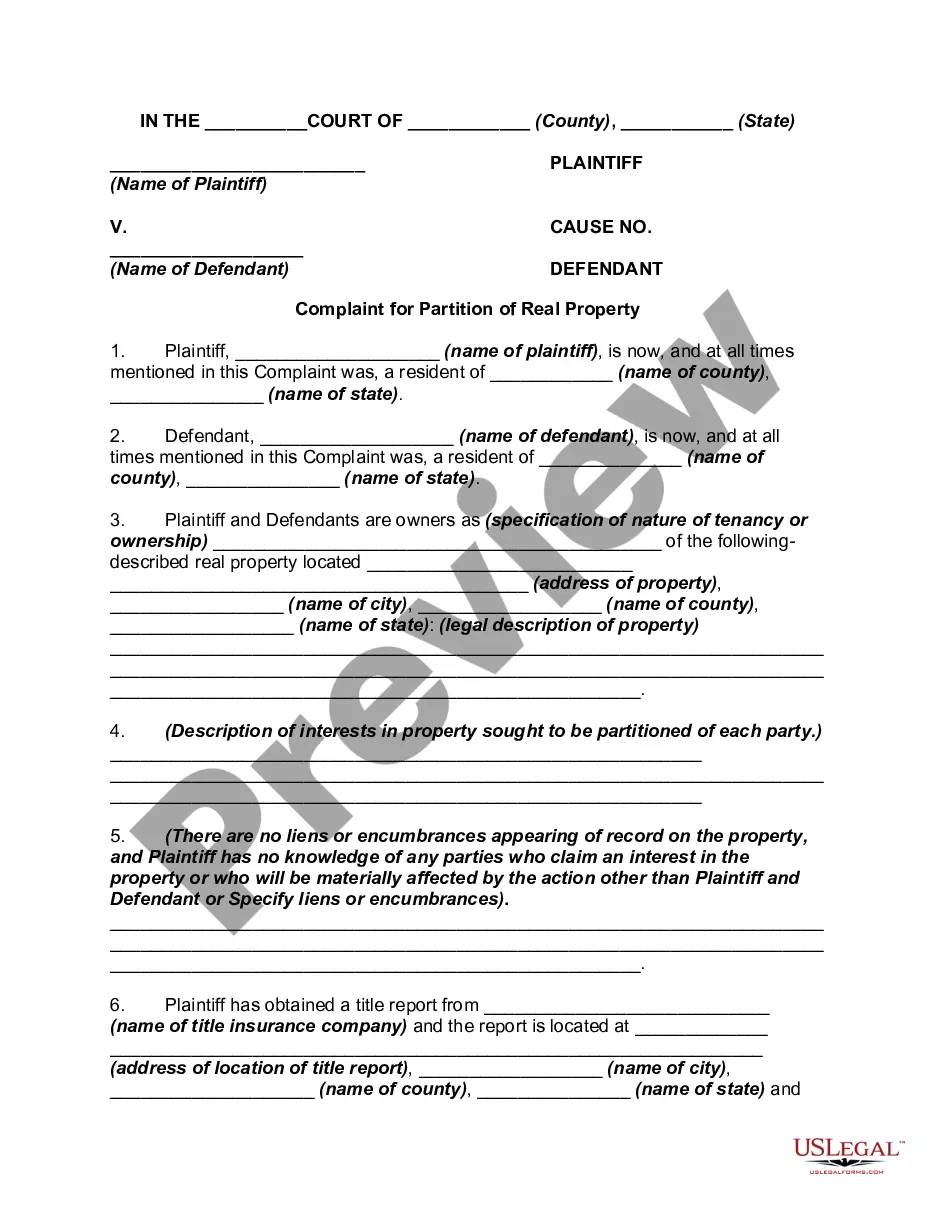
Get your form ready online
Our built-in tools help you complete, sign, share, and store your documents in one place.
Make edits, fill in missing information, and update formatting in US Legal Forms—just like you would in MS Word.
Download a copy, print it, send it by email, or mail it via USPS—whatever works best for your next step.
Sign and collect signatures with our SignNow integration. Send to multiple recipients, set reminders, and more. Go Premium to unlock E-Sign.
If this form requires notarization, complete it online through a secure video call—no need to meet a notary in person or wait for an appointment.
We protect your documents and personal data by following strict security and privacy standards.

Make edits, fill in missing information, and update formatting in US Legal Forms—just like you would in MS Word.

Download a copy, print it, send it by email, or mail it via USPS—whatever works best for your next step.

Sign and collect signatures with our SignNow integration. Send to multiple recipients, set reminders, and more. Go Premium to unlock E-Sign.

If this form requires notarization, complete it online through a secure video call—no need to meet a notary in person or wait for an appointment.

We protect your documents and personal data by following strict security and privacy standards.
Looking for another form?









Form popularity
FAQ
Any co-owner—called a co-tenant—or a creditor can force a sale of the property. A creditor can also seize at least a portion of the debtor's property or the proceeds of a sale.
A partition action in the State of Washington is a type of real estate lawsuit filed in the Superior Court of the county where the disputed property is located where two or more co-owners of real estate cannot agree as to whether to sell the property or not.
Partition in Kind (also known as Actual Partition) occurs simply when the property is divided, equitably and fairly, between the multiple owners. Each co-owner will own a certain percentage of the property. Courts tend to favor this approach because it does not require someone to sell their property against their will.
There are two main types of partition: partition in kind where the property is physically divided, and partition by sale when the property cannot be physically divided. If a co-owner believes they can win a partition action, they may proceed with filing a lawsuit.
In a partition of kind, there is normally no apparent injury to the parties due to partitioni. A partition by sale, also called a partition by licitation, is conducted only when a property cannot be physically divided into separate parts.
There are two main types of partition: partition in kind where the property is physically divided, and partition by sale when the property cannot be physically divided. If a co-owner believes they can win a partition action, they may proceed with filing a lawsuit.
In short, to force the sale of jointly owned property, you must first confirm title, then attempt a voluntary sale or buyout, file and serve a partition lawsuit, get an appraisal, sell the property, and finally divide the sale proceeds fairly.
To initiate a partition action in Pennsylvania, a co-owner must file a partition complaint at the Court of Common Pleas. The Complaint will set forth the property description, the names and addresses of the co-owners, and their interest in the property.
A partition action is a lawsuit in which a court determines whether a property with two or more owners is to be partitioned or sold. When two or more owners cannot agree on the disposition of the property in question, any of the owners can file a partition action in the appropriate court.
A partition action in the State of Washington is a type of real estate lawsuit filed in the Superior Court of the county where the disputed property is located where two or more co-owners of real estate cannot agree as to whether to sell the property or not.
