Deed Of Agreement Example In Wake
Description

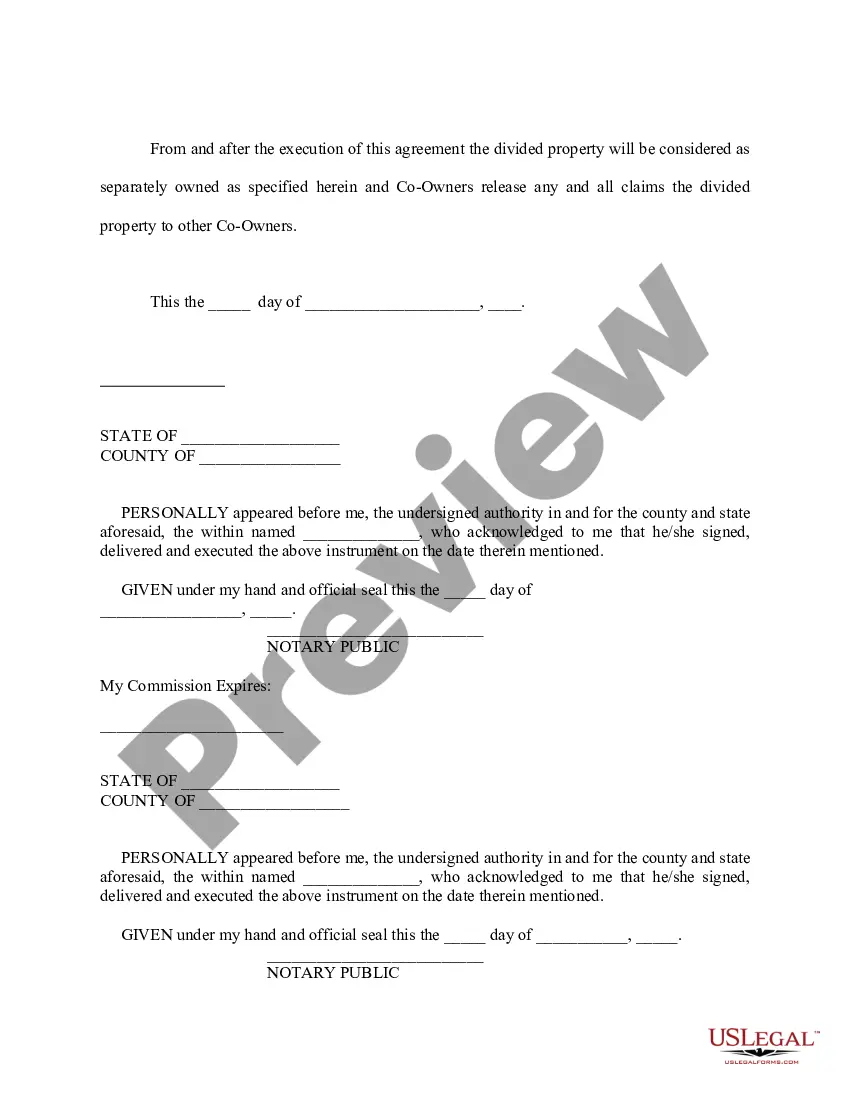
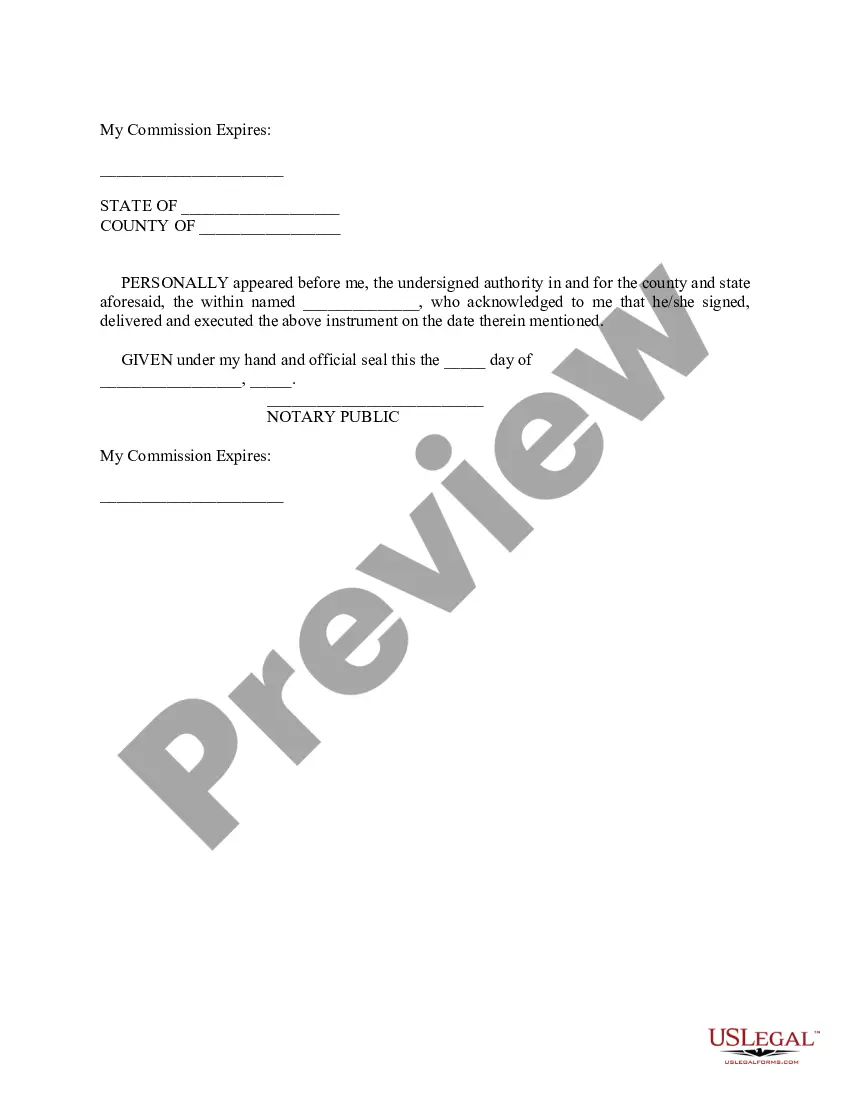
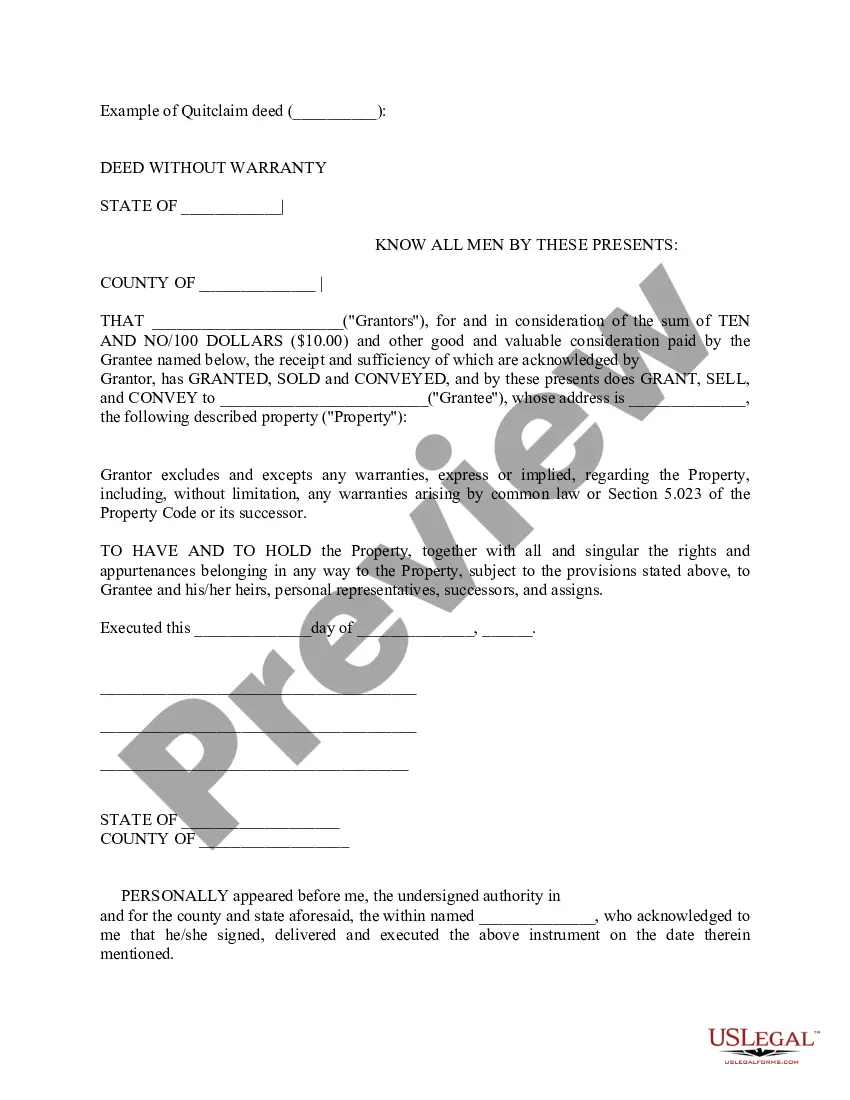
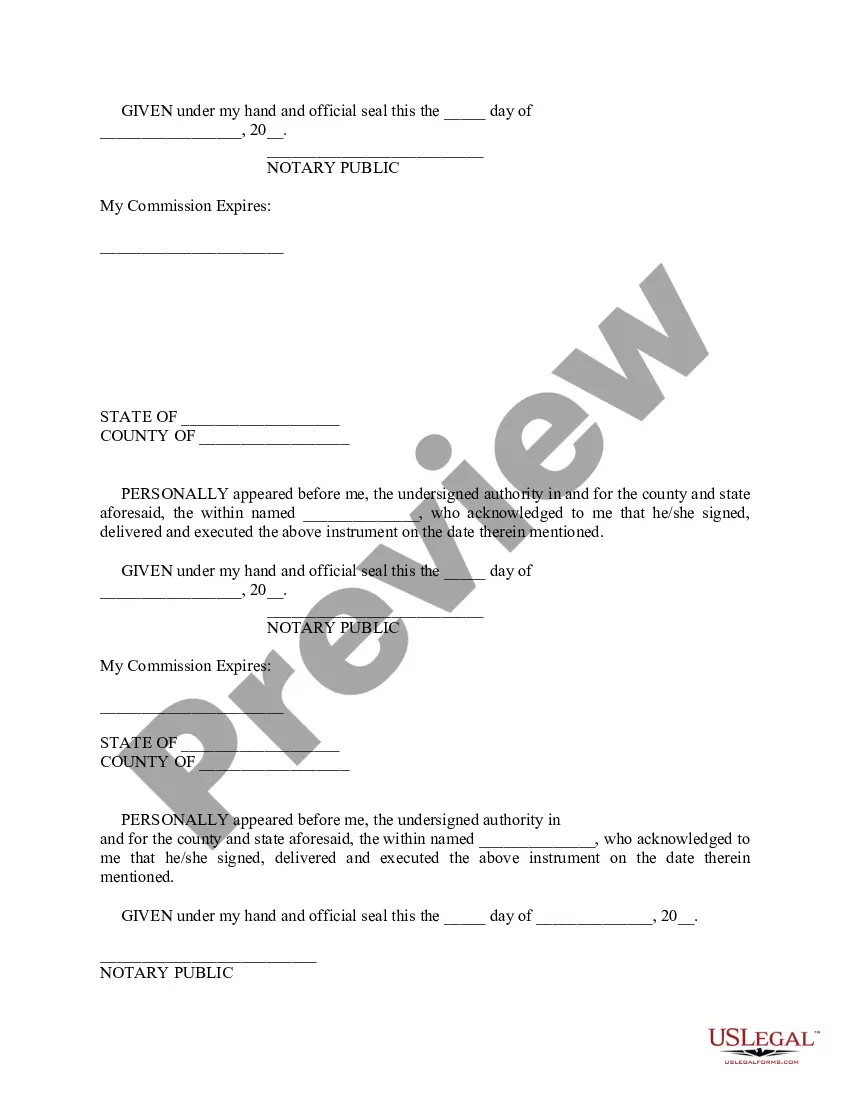
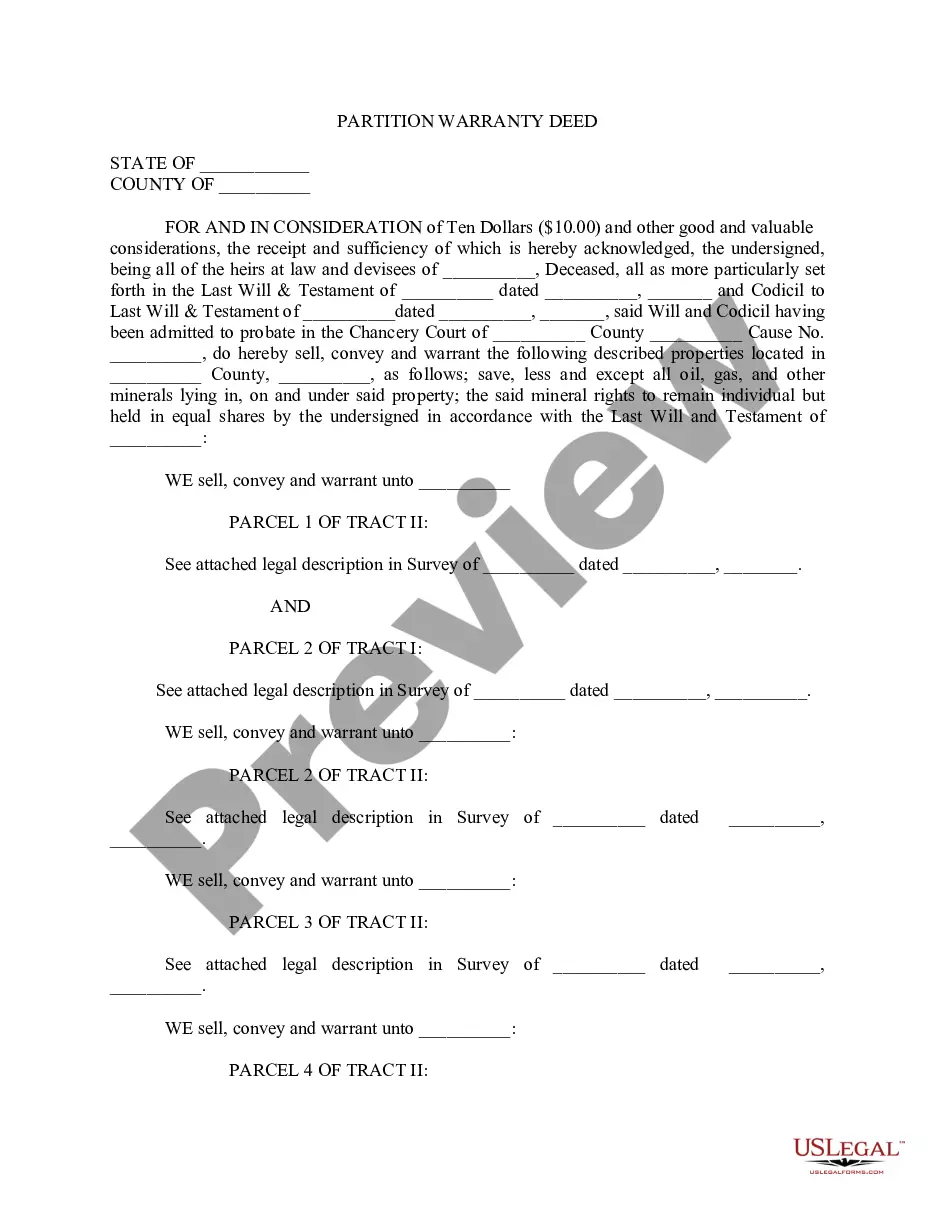
Get your form ready online
Our built-in tools help you complete, sign, share, and store your documents in one place.
Make edits, fill in missing information, and update formatting in US Legal Forms—just like you would in MS Word.
Download a copy, print it, send it by email, or mail it via USPS—whatever works best for your next step.
Sign and collect signatures with our SignNow integration. Send to multiple recipients, set reminders, and more. Go Premium to unlock E-Sign.
If this form requires notarization, complete it online through a secure video call—no need to meet a notary in person or wait for an appointment.
We protect your documents and personal data by following strict security and privacy standards.

Make edits, fill in missing information, and update formatting in US Legal Forms—just like you would in MS Word.

Download a copy, print it, send it by email, or mail it via USPS—whatever works best for your next step.

Sign and collect signatures with our SignNow integration. Send to multiple recipients, set reminders, and more. Go Premium to unlock E-Sign.

If this form requires notarization, complete it online through a secure video call—no need to meet a notary in person or wait for an appointment.

We protect your documents and personal data by following strict security and privacy standards.
Looking for another form?

Form popularity
FAQ
A deed is a special type of promise or commitment that indicates the most serious and or solemn indication that the executing party intends to do what they have promised. A deed can: pass or confer legal or equitable interests in property or some other right; create an obligation binding on some person; or.
Drafting of legal agreements and deeds in India Essential components of Contract. Defining the parties. Obligation of Parties. Payment Terms. Integration Clause. Termination. Sections an agreement shall include. Preamble. Recitals. Definitions. Body or Matter of Content. Consideration and Terms of Payment.
By definition, a Deed of Assignment is simply a contract or an agreement between the seller of a piece of land and the buyer showing details and evidence that all title, rights, and interest of ownership of the land has been transferred to the buyer.
Key Takeaways The key difference between an agreement and a deed is that a deed does not need consideration. Furthermore, each Australian state and territory has legislation that sets out specific requirements for executing a deed. You should check legislation to ensure that you properly execute your deed.
A contract is an agreement which creates legally enforceable obligations between parties. This is the key difference between an agreement and a contract: the parties intend to enter into a legal relations. For the contract to be legally binding, both parties must evidence and intention to create legal relations.
The most common types of deeds include the Sale Deed, Gift Deed, Lease Deed, Will Deed, and Power of Attorney Deed. Each type of deed serves a specific purpose and has its own set of legal requirements, so it's important to understand the differences between them before making a real estate transaction.
I want to get a copy of the deed to my land. How can I do that? Go to your Register of Deeds Office and look at the document there. Find your Register of Deeds in: Your phone book under county government. Look it up online. Many counties have their real property (land) records online. Go to the county website.
To summarize, title is the legal concept of ownership over property. A deed is the actual document that transfers ownership rights from one party to another party. While this may seem like a subtle and highly technical difference, it is also very important.
We hope you enjoyed Ted's lesson, “Is North Carolina a Tax Lien or Tax Deed State?” North Carolina is a tax deed state. The state confiscates property for unpaid property taxes and sells it to the highest bidder at a tax defaulted auction.
