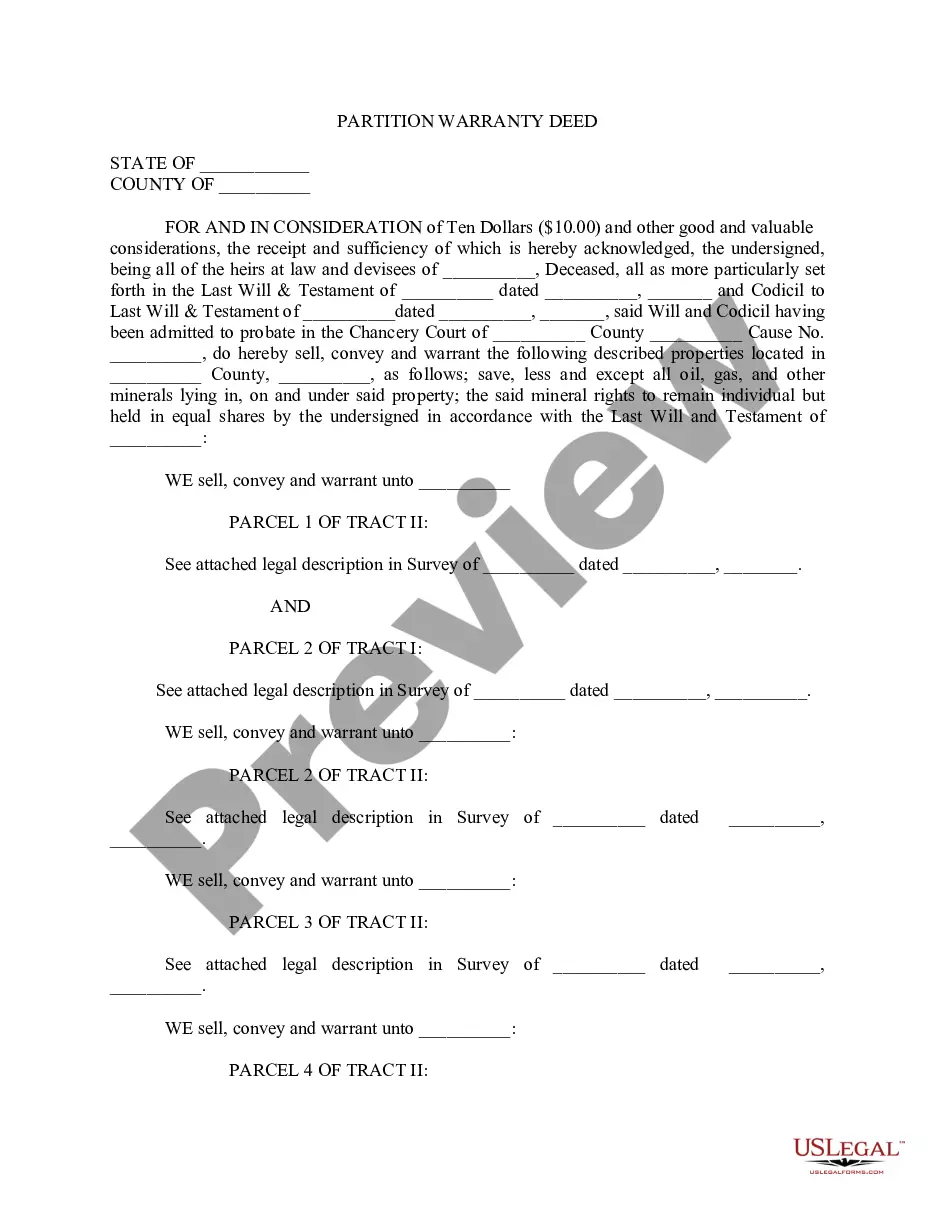
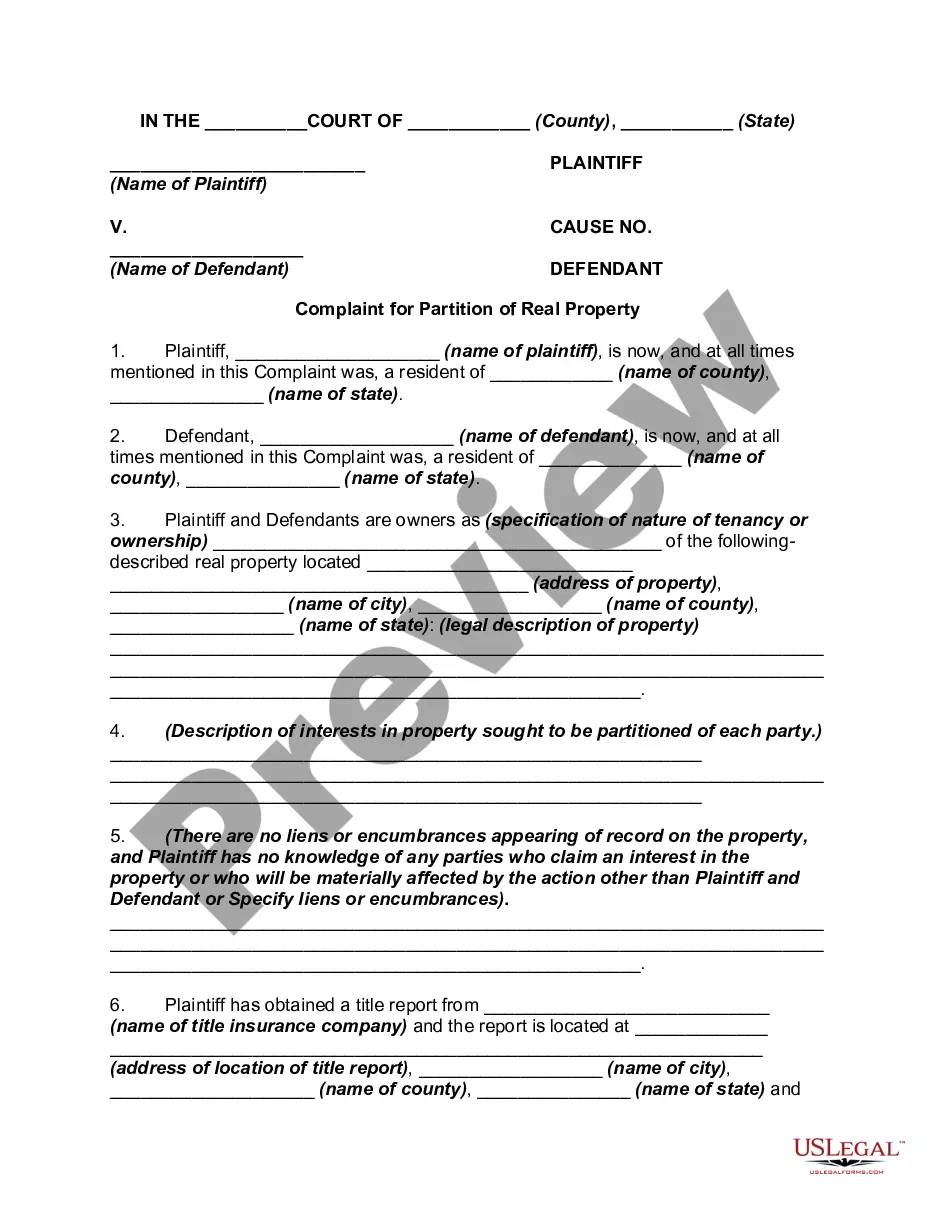
Partition Settlement Agreement With Waiver Of Rights In Travis
Description

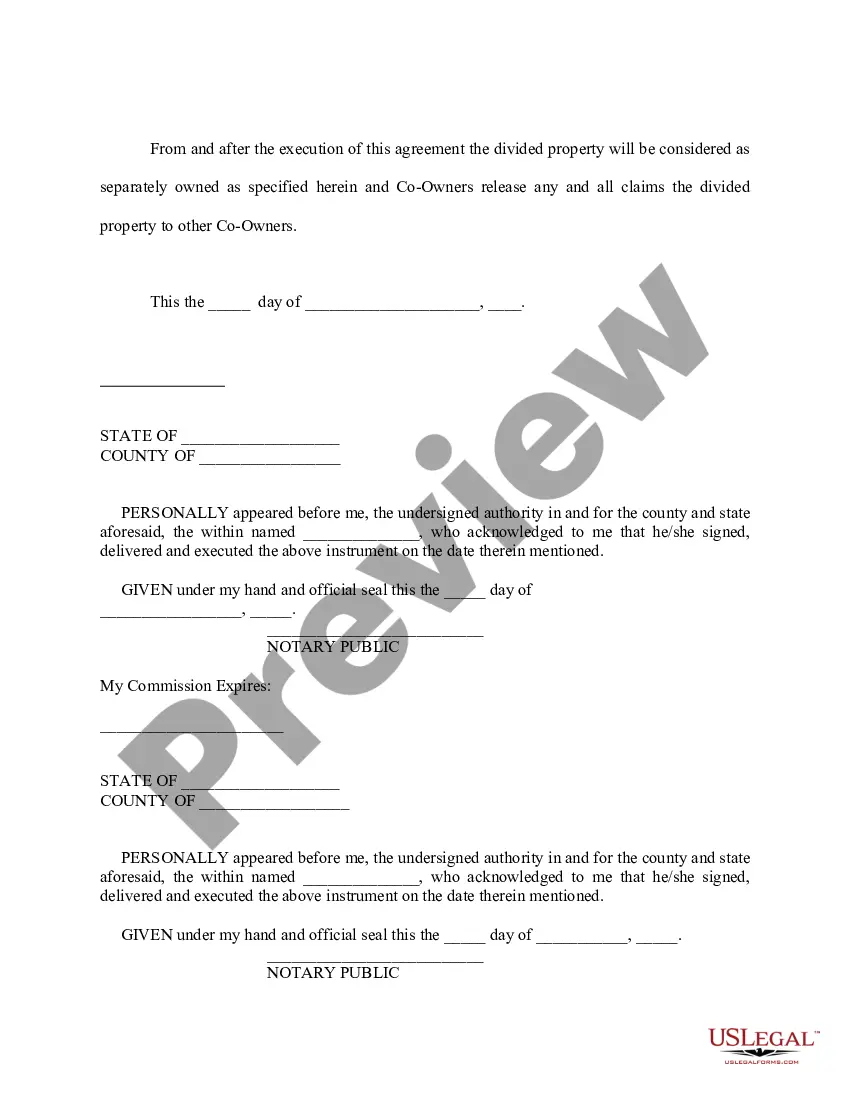
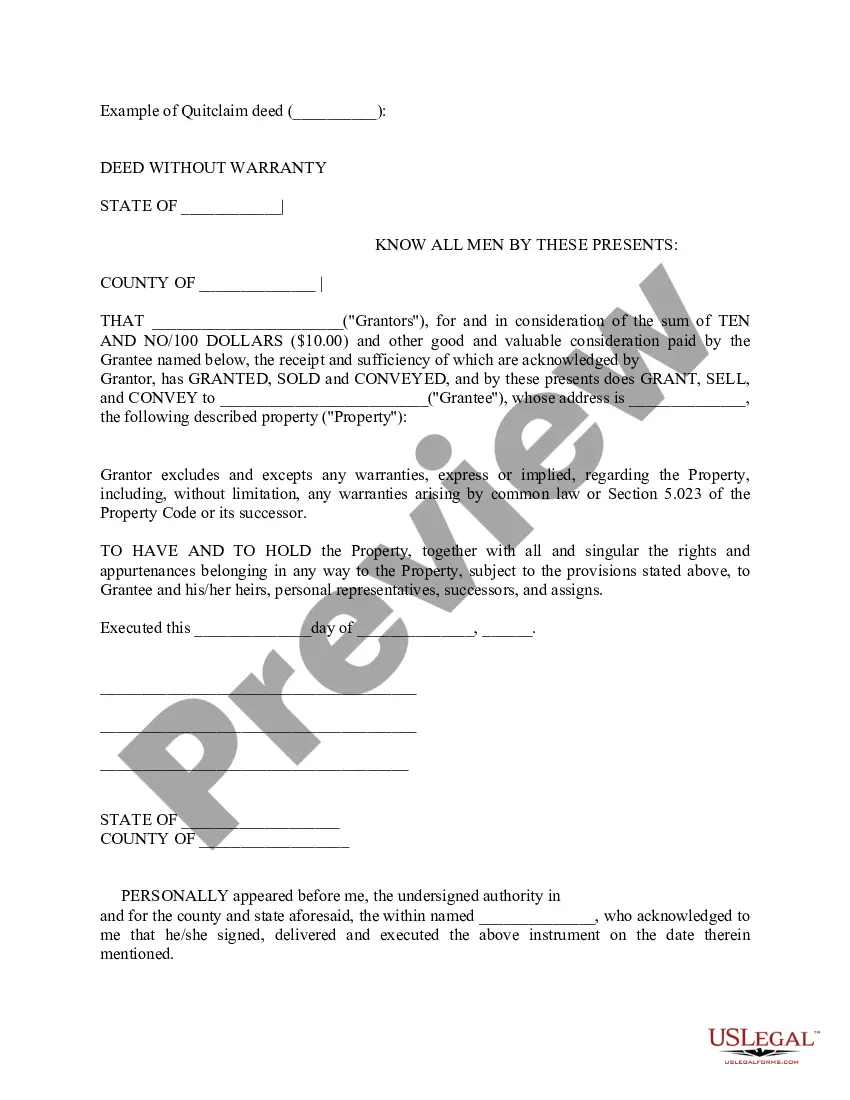

Get your form ready online
Our built-in tools help you complete, sign, share, and store your documents in one place.
Make edits, fill in missing information, and update formatting in US Legal Forms—just like you would in MS Word.
Download a copy, print it, send it by email, or mail it via USPS—whatever works best for your next step.
Sign and collect signatures with our SignNow integration. Send to multiple recipients, set reminders, and more. Go Premium to unlock E-Sign.
If this form requires notarization, complete it online through a secure video call—no need to meet a notary in person or wait for an appointment.
We protect your documents and personal data by following strict security and privacy standards.

Make edits, fill in missing information, and update formatting in US Legal Forms—just like you would in MS Word.

Download a copy, print it, send it by email, or mail it via USPS—whatever works best for your next step.

Sign and collect signatures with our SignNow integration. Send to multiple recipients, set reminders, and more. Go Premium to unlock E-Sign.

If this form requires notarization, complete it online through a secure video call—no need to meet a notary in person or wait for an appointment.

We protect your documents and personal data by following strict security and privacy standards.
Looking for another form?








Form popularity
FAQ
To successfully bring a property partition case, the parties must demonstrate an irreconcilable difference in their asset holdings. They should also argue that the division of assets would be in the best interests of both parties.
The personal representative can file a petition for partition, or the petition can be filed by a beneficiary. The petition must be filed before the estate is closed. In granting such a petition, the court may order the personal representative to sell the property if it cannot be allotted equitably and conveniently.
A partition action is a lawsuit between co-owners of real property who cant agree as to any aspect of the management of the property, or for example, whether to sell the real property. Partition actions are governed by Chapter 64, Florida Statutes.
A petition for partition occurs when two or more property owners cannot agree on what to do with it. For instance, one owner may want to sell, and the other wants to rent. If the parties cannot reach an agreement, filing a petition for partition becomes an option to compel the sale of the property.
The right to partition can be waived if the correct agreement is executed. Whether to have such an agreement…the pros and cons…can only be grasped by understanding the basics of the right to partition property in California.
So b1 to BN is a partition of an event B if the union of b1 to BN is the event B. Another way ofMoreSo b1 to BN is a partition of an event B if the union of b1 to BN is the event B. Another way of saying this pictorially is that it takes the event B. And it splits it up into a bunch of small events.
The actual time it takes from when a partition case is filed to when the land is partitioned physically, by sale, or by set-off varies from case to case. In general, partition cases can take several months or even years to resolve.
A Partition is generally a no-fault proceeding, meaning there are generally no defenses that an owner can raise. One exception is if the owners have waived their right to Partition. A waiver may be verbal, implied, or written. A Partition action should be filed with the assistance of an experienced attorney.
