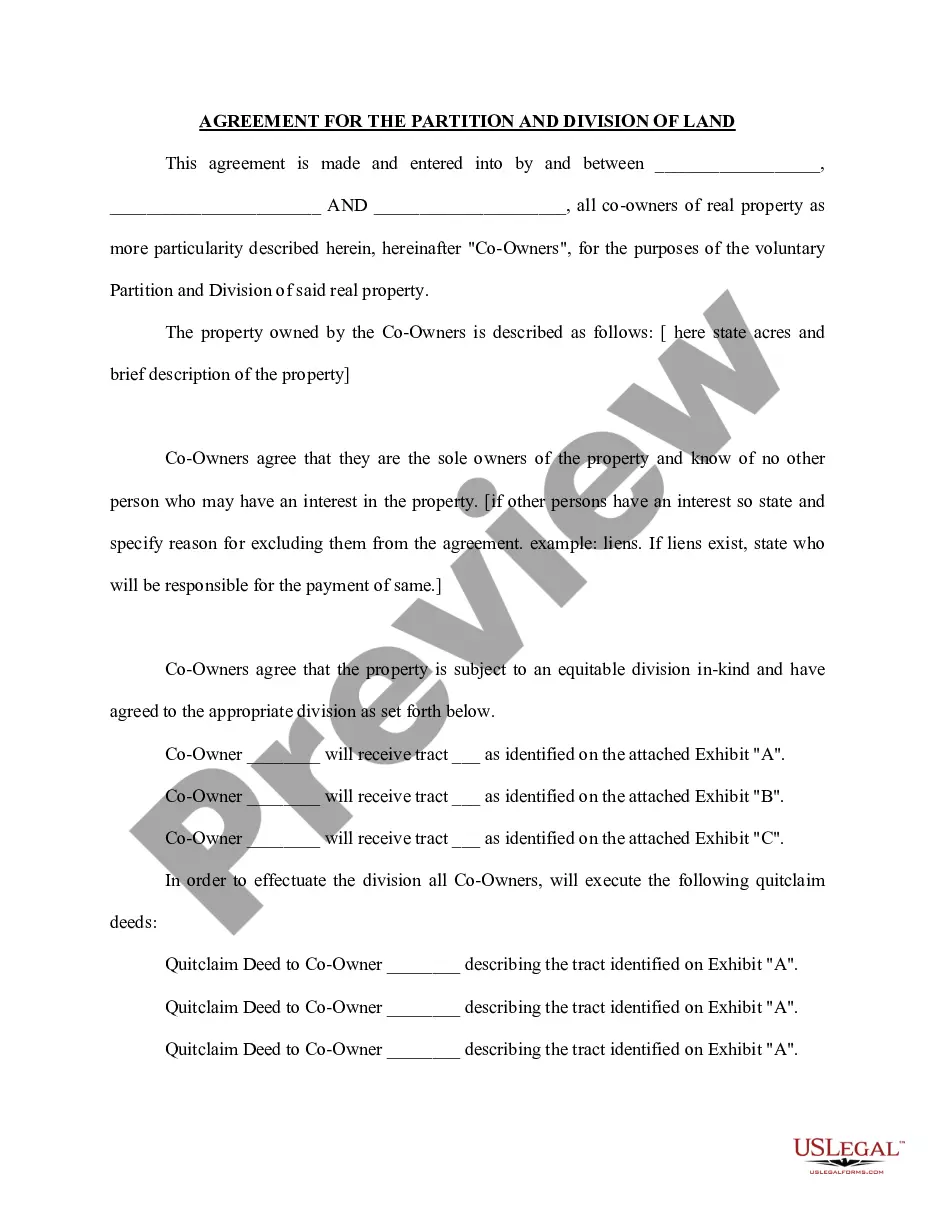
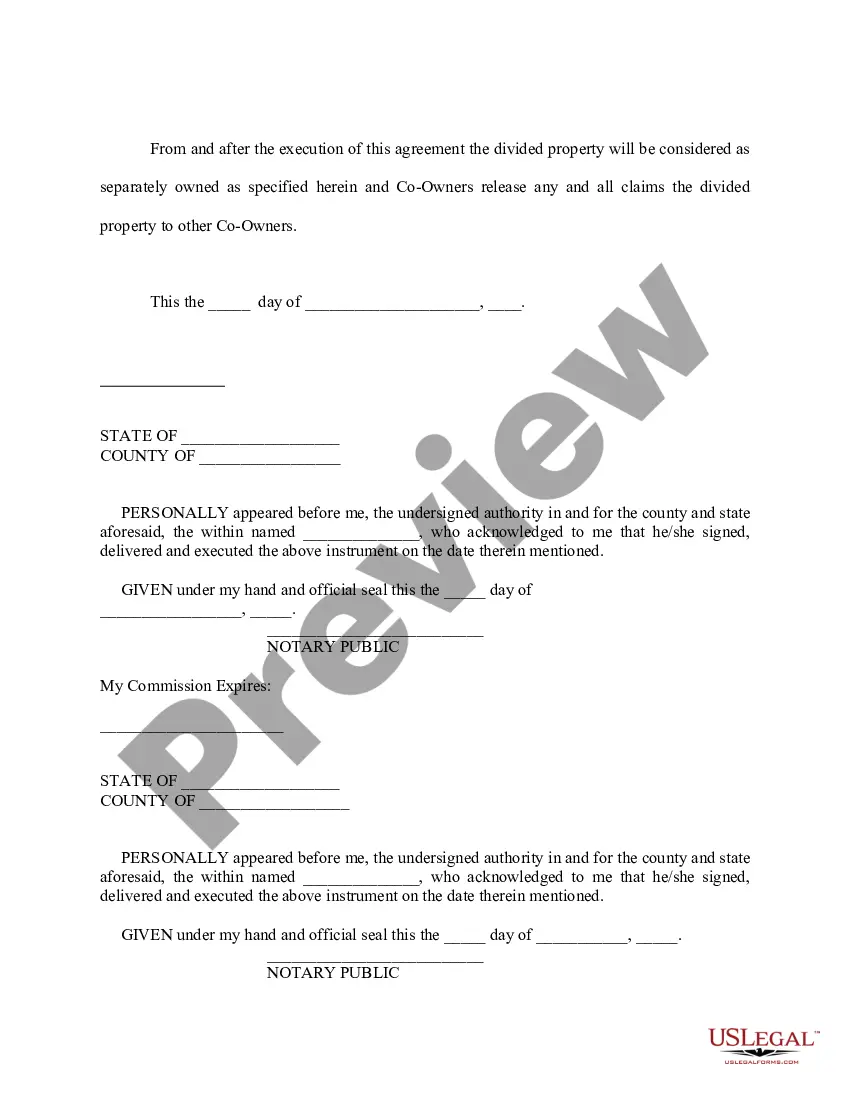
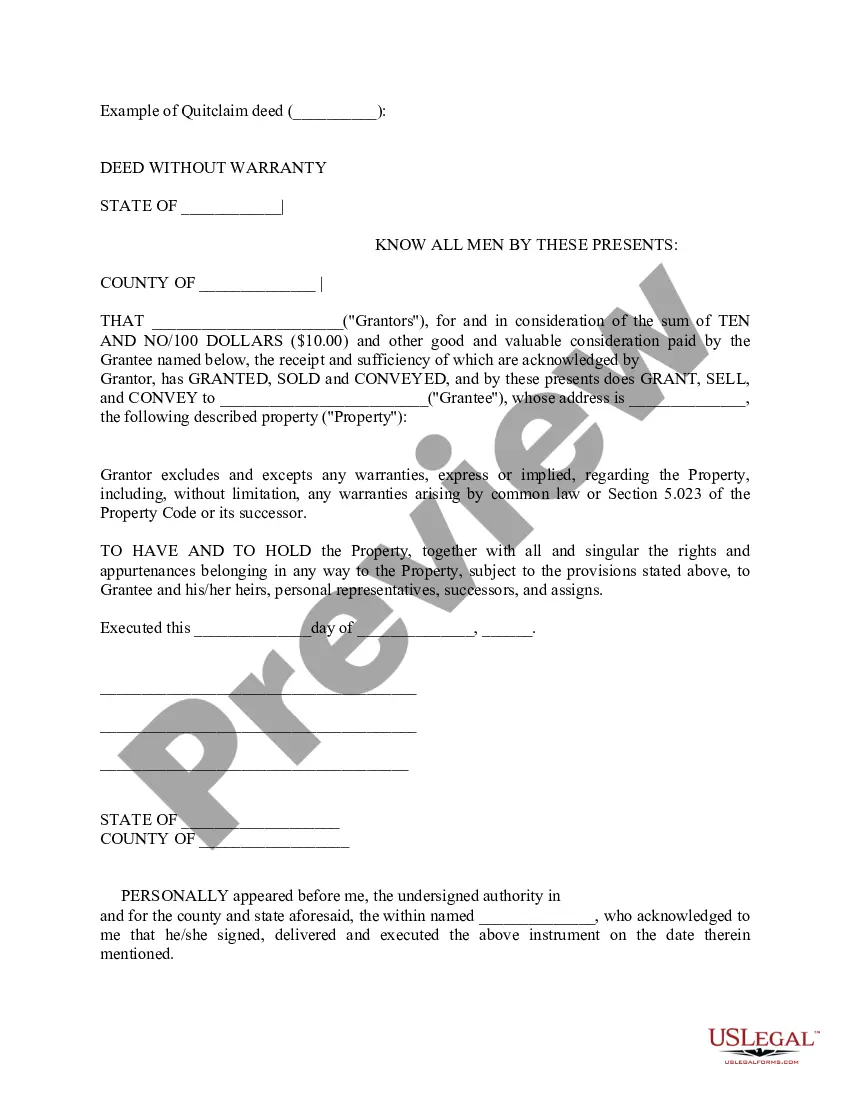
Partition Settlement Agreement With Stipulated Judgment
Description
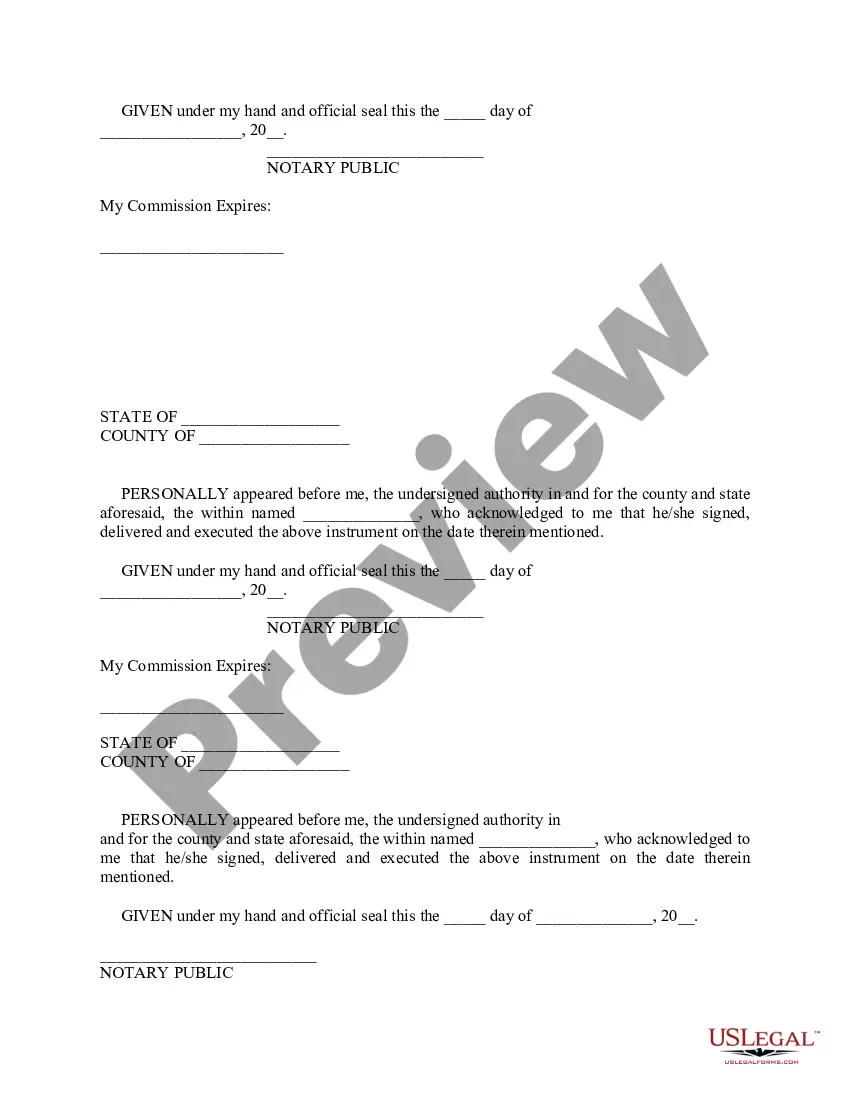
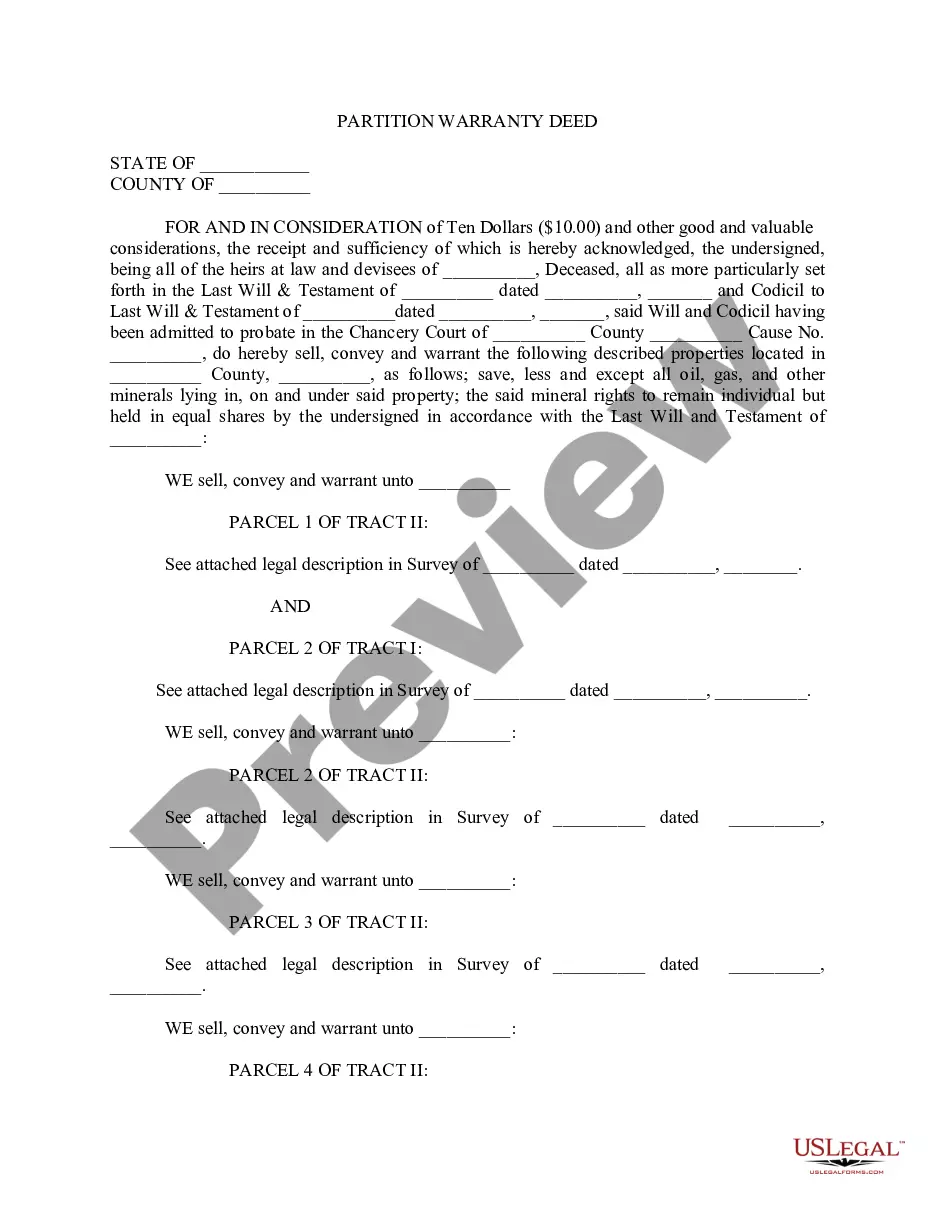
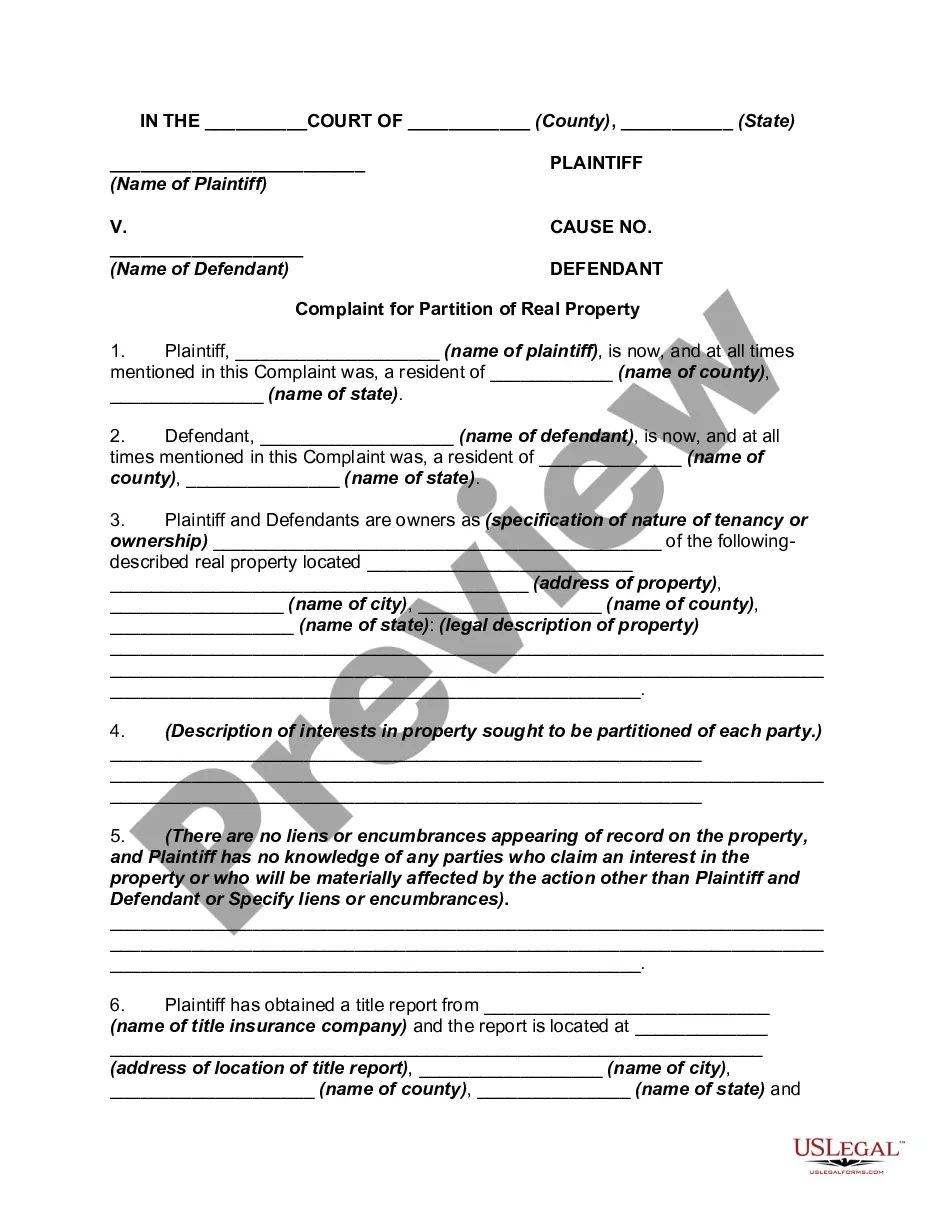
Get your form ready online
Our built-in tools help you complete, sign, share, and store your documents in one place.
Make edits, fill in missing information, and update formatting in US Legal Forms—just like you would in MS Word.
Download a copy, print it, send it by email, or mail it via USPS—whatever works best for your next step.
Sign and collect signatures with our SignNow integration. Send to multiple recipients, set reminders, and more. Go Premium to unlock E-Sign.
If this form requires notarization, complete it online through a secure video call—no need to meet a notary in person or wait for an appointment.
We protect your documents and personal data by following strict security and privacy standards.

Make edits, fill in missing information, and update formatting in US Legal Forms—just like you would in MS Word.

Download a copy, print it, send it by email, or mail it via USPS—whatever works best for your next step.

Sign and collect signatures with our SignNow integration. Send to multiple recipients, set reminders, and more. Go Premium to unlock E-Sign.

If this form requires notarization, complete it online through a secure video call—no need to meet a notary in person or wait for an appointment.

We protect your documents and personal data by following strict security and privacy standards.
Looking for another form?
How to fill out Agreement For The Partition And Division Of Real Property?
Managing legal documents can be daunting, even for seasoned experts. If you are in search of a Partition Settlement Agreement With Stipulated Judgment and lack the time to find the appropriate and current version, the experience can be overwhelming.
An extensive online form library can transform the experience for anyone wishing to navigate these matters effectively. US Legal Forms stands as a frontrunner in digital legal documentation, offering more than 85,000 state-specific legal forms at your disposal at any time.
Benefit from a wealth of articles, guidelines, manuals, and resources pertinent to your circumstances and requirements.
Conserve time and energy searching for the documents you need, and use US Legal Forms' sophisticated search and Preview feature to find the Partition Settlement Agreement With Stipulated Judgment you require.
Ensure that the template is sanctioned in your state or county. Click Buy Now when you are prepared. Choose a subscription plan. Select the file format you prefer, then Download, fill it out, eSign, print, and send your documents. Enjoy the US Legal Forms online resource, supported by 25 years of expertise and dependability. Transform your daily document management into a straightforward and user-friendly experience today.
- If you have a monthly subscription, Log In to your US Legal Forms account, look for the document, and obtain it.
- Check your My documents section to review the documents you've previously downloaded and manage your folders accordingly.
- If this is your first encounter with US Legal Forms, establish a complimentary account and gain unlimited access to all the features of the library.
- Follow these steps after obtaining the form you need.
- Confirm it is the correct document by previewing and reviewing its description.
- Access state- or county-specific legal and business documents.
- US Legal Forms meets any requirement you may have, from individual to business filings, in one centralized location.
- Employ cutting-edge tools to draft and manage your Partition Settlement Agreement With Stipulated Judgment.
Form popularity
FAQ
Yes, stipulated judgments are enforceable in California. When you create a partition settlement agreement with stipulated judgment, it becomes a binding legal document. This means that if one party fails to comply, the other can seek enforcement in court. Utilizing resources like US Legal Forms can help you understand the process and ensure all legal requirements are met.
Winning a partition lawsuit typically involves proving your legal interest in the property and demonstrating the need for division. It is crucial to gather relevant evidence and understand local laws concerning property disputes. Utilizing a partition settlement agreement with stipulated judgment can streamline the process and potentially provide a favorable outcome. Collaborating with a legal expert can bolster your position in the lawsuit.
Yes, a stipulated judgment can be considered a type of settlement. It is a formal agreement where parties accept specific legal terms without going through a trial. Engaging in a partition settlement agreement with stipulated judgment enables co-owners to finalize their property interests amicably. This approach often avoids prolonged disputes and fosters more efficient resolutions.
A stipulation is an agreement between parties regarding certain facts or procedures in a legal case, while a settlement refers to the resolution of a lawsuit. In many cases, parties reach a stipulation as part of the broader settlement process. For a partition settlement agreement with stipulated judgment, recognizing these differences can clarify your legal strategy and potential outcomes.
A stipulated judgment is a legal agreement where parties agree to the terms of a judgment without going to trial. This arrangement often simplifies disputes and clarifies responsibilities. In the context of a partition settlement agreement with stipulated judgment, it can facilitate a quicker resolution of property disputes among co-owners. Understanding this concept can guide your decisions in legal matters.
Yes, a stipulated judgment typically appears on your credit report. It may affect your credit score negatively, depending on your overall credit history. If you are concerned about your credit standing, a partition settlement agreement with stipulated judgment might be worth considering. It helps resolve disputes while still allowing you to plan credit recovery.
Agreeing to a stipulated judgment can have significant consequences. It is essential to weigh the benefits and drawbacks according to your specific situation. A partition settlement agreement with stipulated judgment can simplify your case, but it may also limit your options in the future. Consulting with a legal expert can help you make an informed decision.
The landmark judgment on partition suits often refers to cases that have set important precedents in property law. Such judgments clarify the rights of co-owners and establish guidelines for resolving disputes over shared property. Understanding these cases enhances your ability to navigate a partition settlement agreement with stipulated judgment effectively. For more support, consider leveraging the resources available through uslegalforms, which provides helpful templates and information.
A settlement is an agreement reached by parties to resolve a dispute without going to trial, focusing on mutual compromise. A judgment, however, is a formal decision made by a court, resulting from legal proceedings. In the context of a partition settlement agreement with stipulated judgment, a settlement may lead to a stipulated judgment, making the terms enforceable in court.
The difference between a stipulated judgment and a settlement agreement lies primarily in their legal standing. A stipulated judgment is a court order that resolves a dispute and is enforceable by law. In contrast, a settlement agreement outlines the terms agreed upon by the parties but may require further court approval to become a judgment. Understanding this distinction is essential when working with a partition settlement agreement with stipulated judgment.