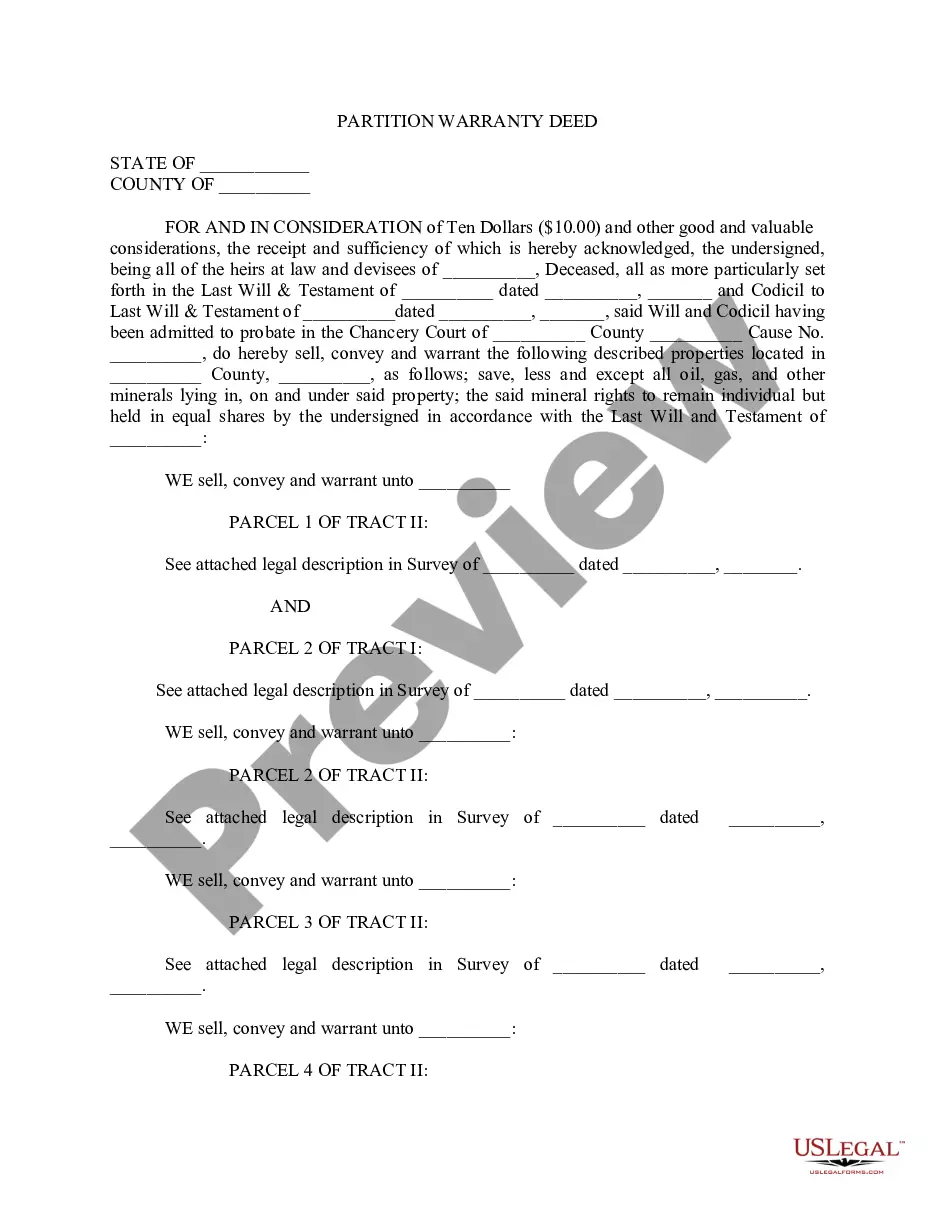
Partition And Exchange Agreement With Foreign Countries In Middlesex
Description

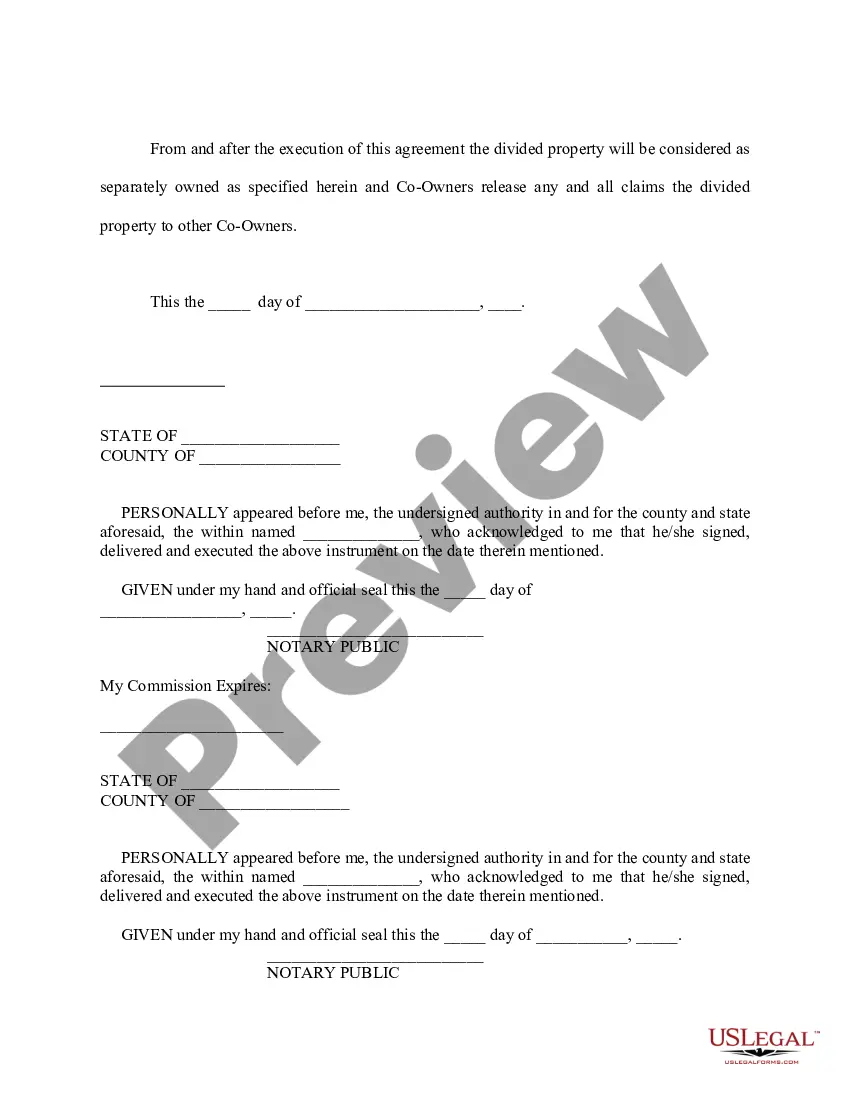
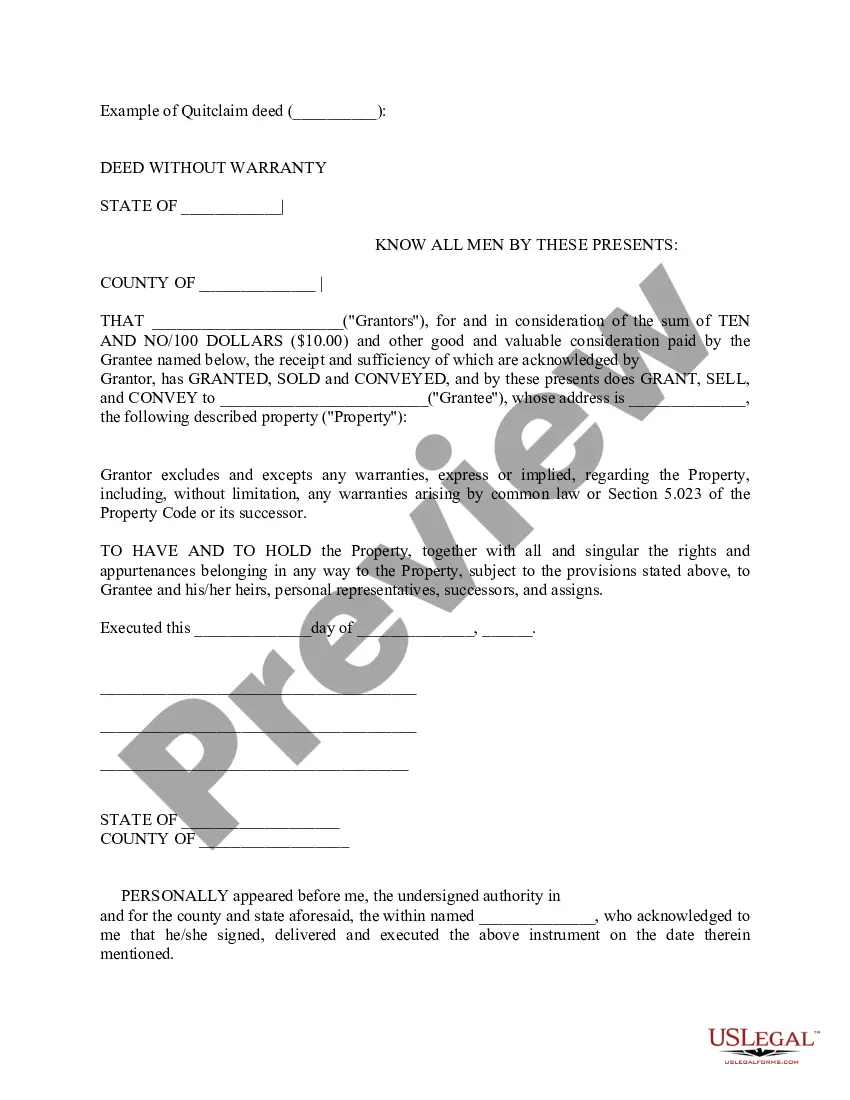

Get your form ready online
Our built-in tools help you complete, sign, share, and store your documents in one place.
Make edits, fill in missing information, and update formatting in US Legal Forms—just like you would in MS Word.
Download a copy, print it, send it by email, or mail it via USPS—whatever works best for your next step.
Sign and collect signatures with our SignNow integration. Send to multiple recipients, set reminders, and more. Go Premium to unlock E-Sign.
If this form requires notarization, complete it online through a secure video call—no need to meet a notary in person or wait for an appointment.
We protect your documents and personal data by following strict security and privacy standards.

Make edits, fill in missing information, and update formatting in US Legal Forms—just like you would in MS Word.

Download a copy, print it, send it by email, or mail it via USPS—whatever works best for your next step.

Sign and collect signatures with our SignNow integration. Send to multiple recipients, set reminders, and more. Go Premium to unlock E-Sign.

If this form requires notarization, complete it online through a secure video call—no need to meet a notary in person or wait for an appointment.

We protect your documents and personal data by following strict security and privacy standards.
Looking for another form?








Form popularity
FAQ
The Law of Property Acts or the 1925 land reforms commonly refers to a series of Acts of Parliament passed in the United Kingdom to reform the system of land holding, registration and transfer.
LAFRA introduced sweeping changes for the long-leasehold regime, including a ban on new leasehold houses, removal of the 2 year restriction on tenants' ability to extend their leases or buy the freehold, and changes in the calculation of the premiums for doing so.
The Law of Property Acts or the 1925 land reforms commonly refers to a series of Acts of Parliament passed in the United Kingdom to reform the system of land holding, registration and transfer.
An Act to make provision as respects things done, in relation to enemy property or property treated as enemy property, in excess of the powers conferred by the law relating to trading with the enemy, and as respects income from moneys invested by custodians of enemy property: as respects copyrights, rights in ...
Article 1 Protection of property Every natural or legal person is entitled to the peaceful enjoyment of his possessions. No one shall be deprived of his possessions except in the public interest and subject to the conditions provided for by law and by the general principles of international law.
