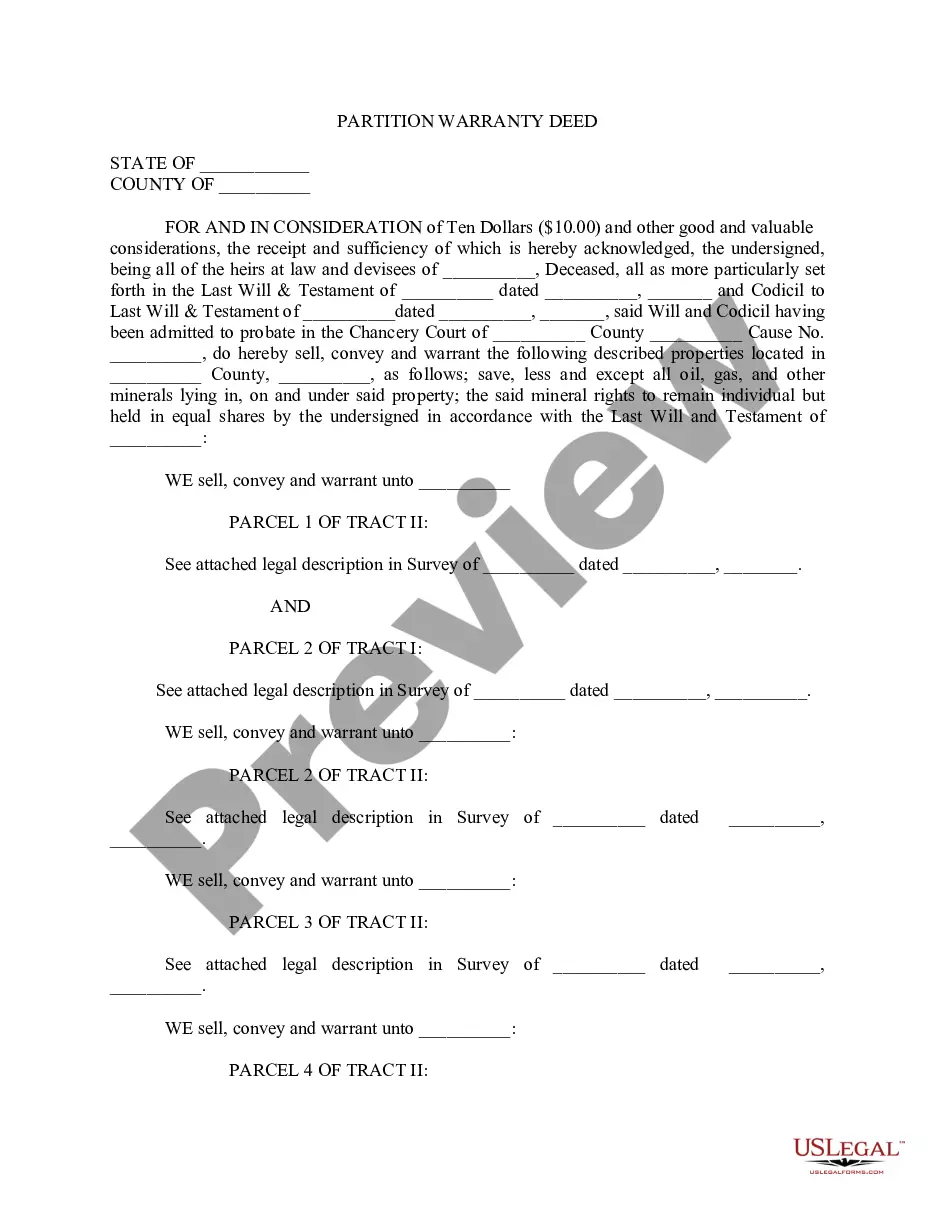
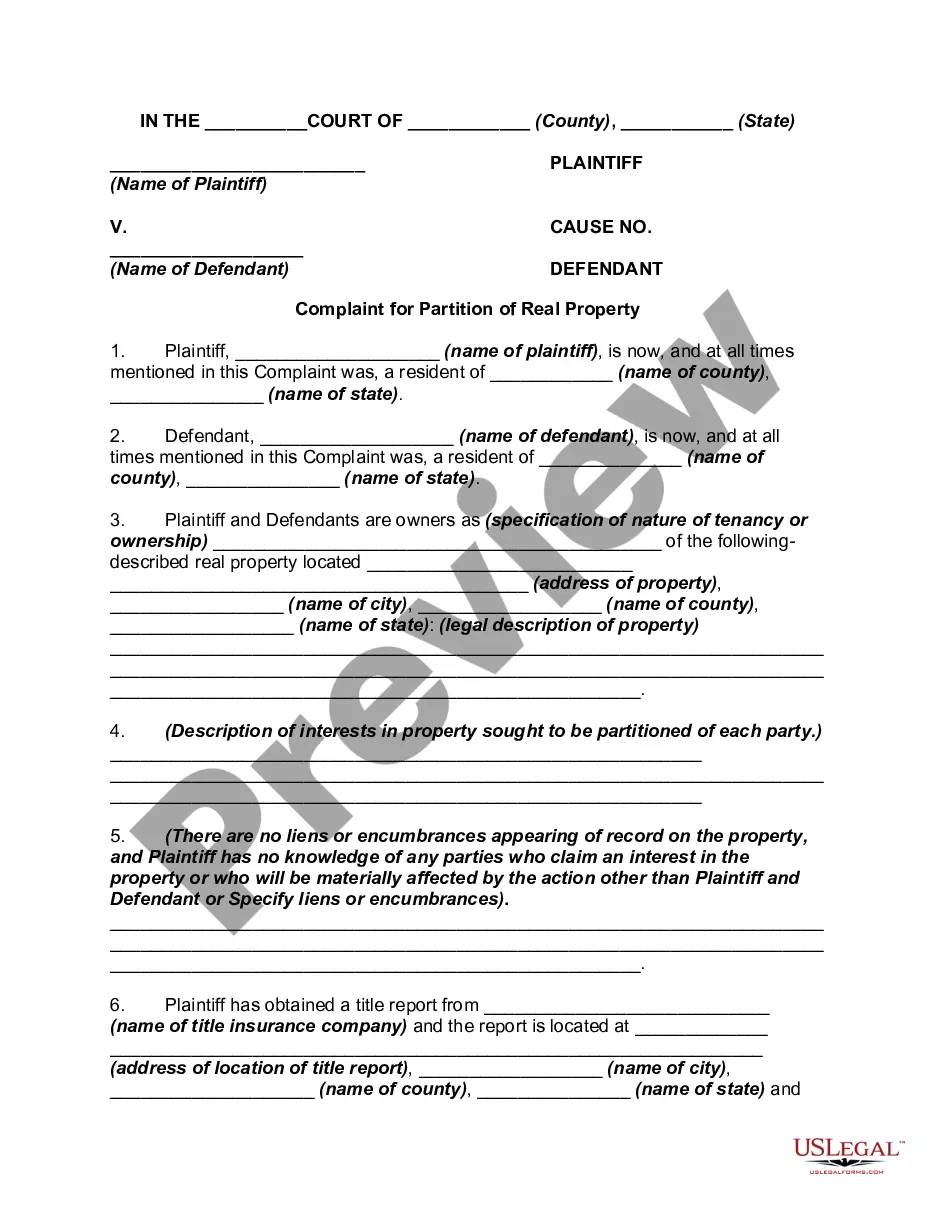
Partition Agreement Template With Waiver Of Rights In Maricopa
Description

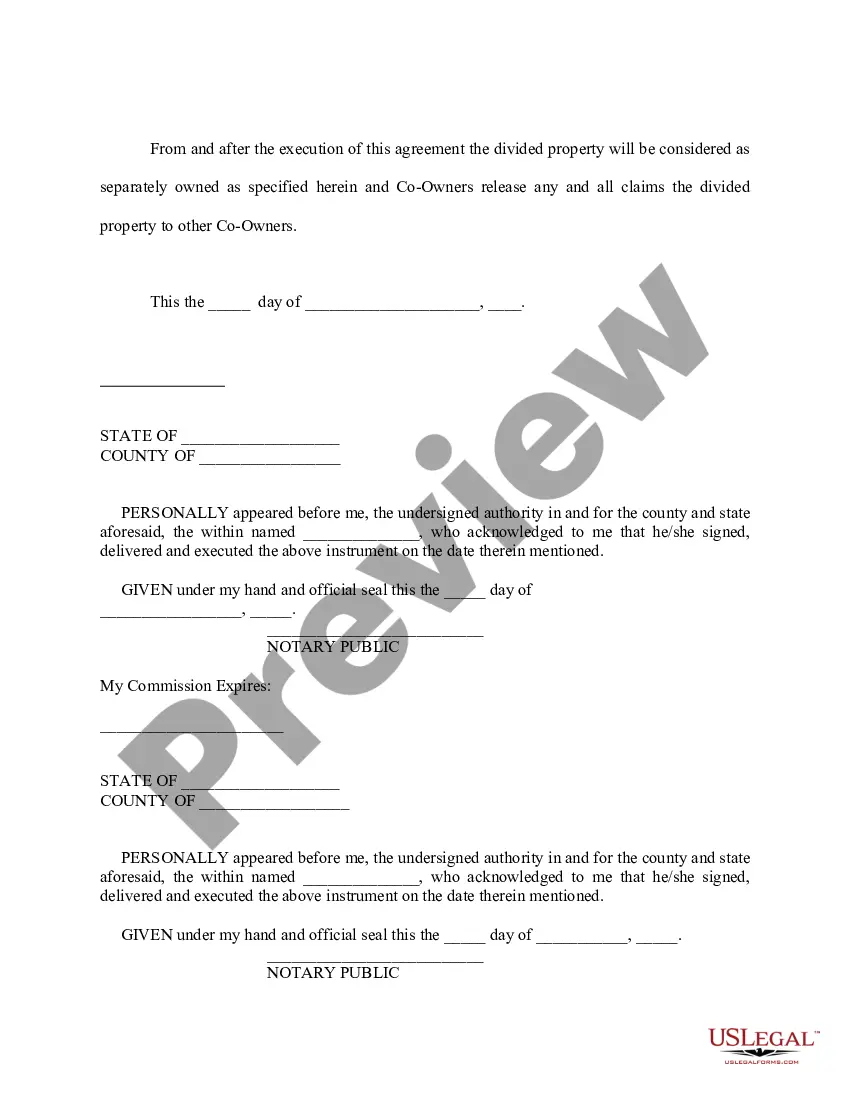
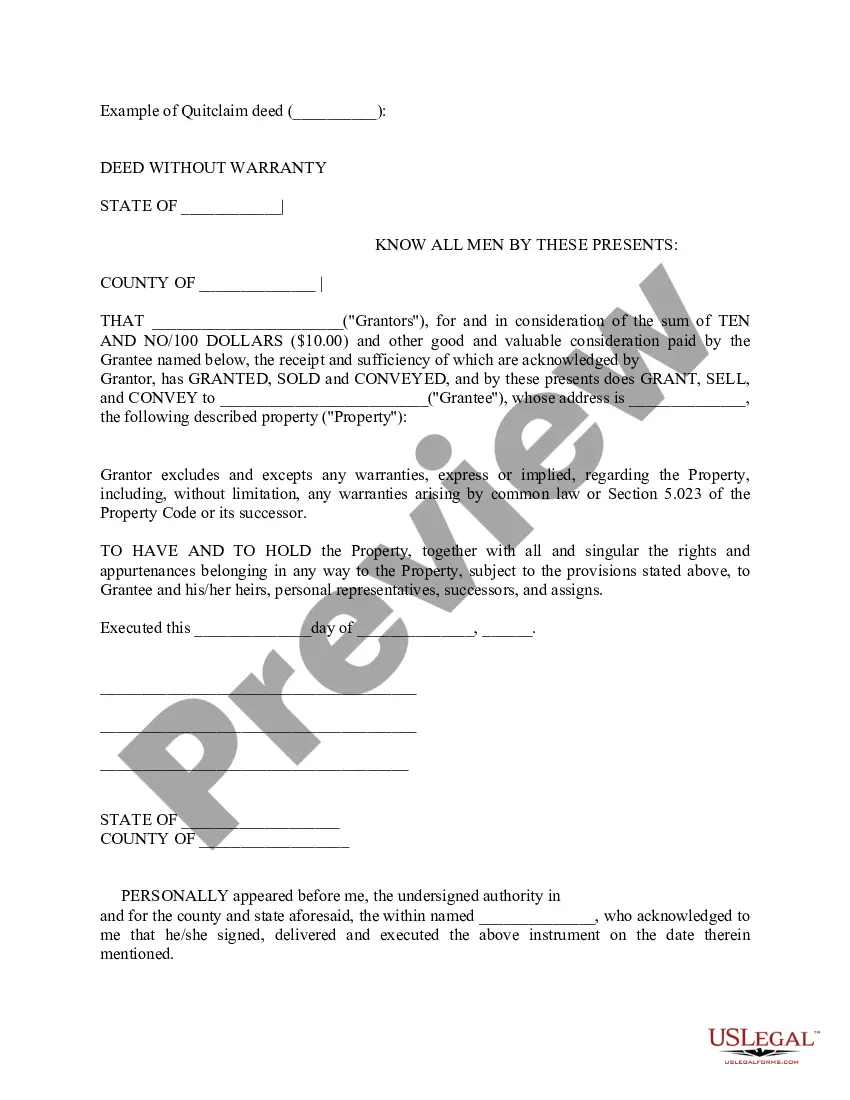

Get your form ready online
Our built-in tools help you complete, sign, share, and store your documents in one place.
Make edits, fill in missing information, and update formatting in US Legal Forms—just like you would in MS Word.
Download a copy, print it, send it by email, or mail it via USPS—whatever works best for your next step.
Sign and collect signatures with our SignNow integration. Send to multiple recipients, set reminders, and more. Go Premium to unlock E-Sign.
If this form requires notarization, complete it online through a secure video call—no need to meet a notary in person or wait for an appointment.
We protect your documents and personal data by following strict security and privacy standards.

Make edits, fill in missing information, and update formatting in US Legal Forms—just like you would in MS Word.

Download a copy, print it, send it by email, or mail it via USPS—whatever works best for your next step.

Sign and collect signatures with our SignNow integration. Send to multiple recipients, set reminders, and more. Go Premium to unlock E-Sign.

If this form requires notarization, complete it online through a secure video call—no need to meet a notary in person or wait for an appointment.

We protect your documents and personal data by following strict security and privacy standards.
Looking for another form?





Form popularity
FAQ
Child custody cases in Arizona can take three months to a year to conclude because of the many things that influence the case. It can take longer than that if both parents do not discuss an agreement.
Arizona courts consider factors such as the child's needs, parental involvement, and each parent's ability to provide a nurturing environment when determining custody arrangements. This information is often outlined in a parenting plan to ensure the child's well-being and development.
A party begins a civil contempt proceeding by filing a petition that recites the essential facts alleged to be contemptuous. The petition must comply with this rule and Rules 91(b), (c), (e), and (h).
A Writ of Execution allows the Constable to seize the judgment debtor's non-exempt PERSONAL PROPERTY and hold it for sale at public auction, for the purpose of satisfying the judgment. There are issuance fees and constable fees associated with a writ of execution.
