Partition Agreement Template For Divorce In Houston
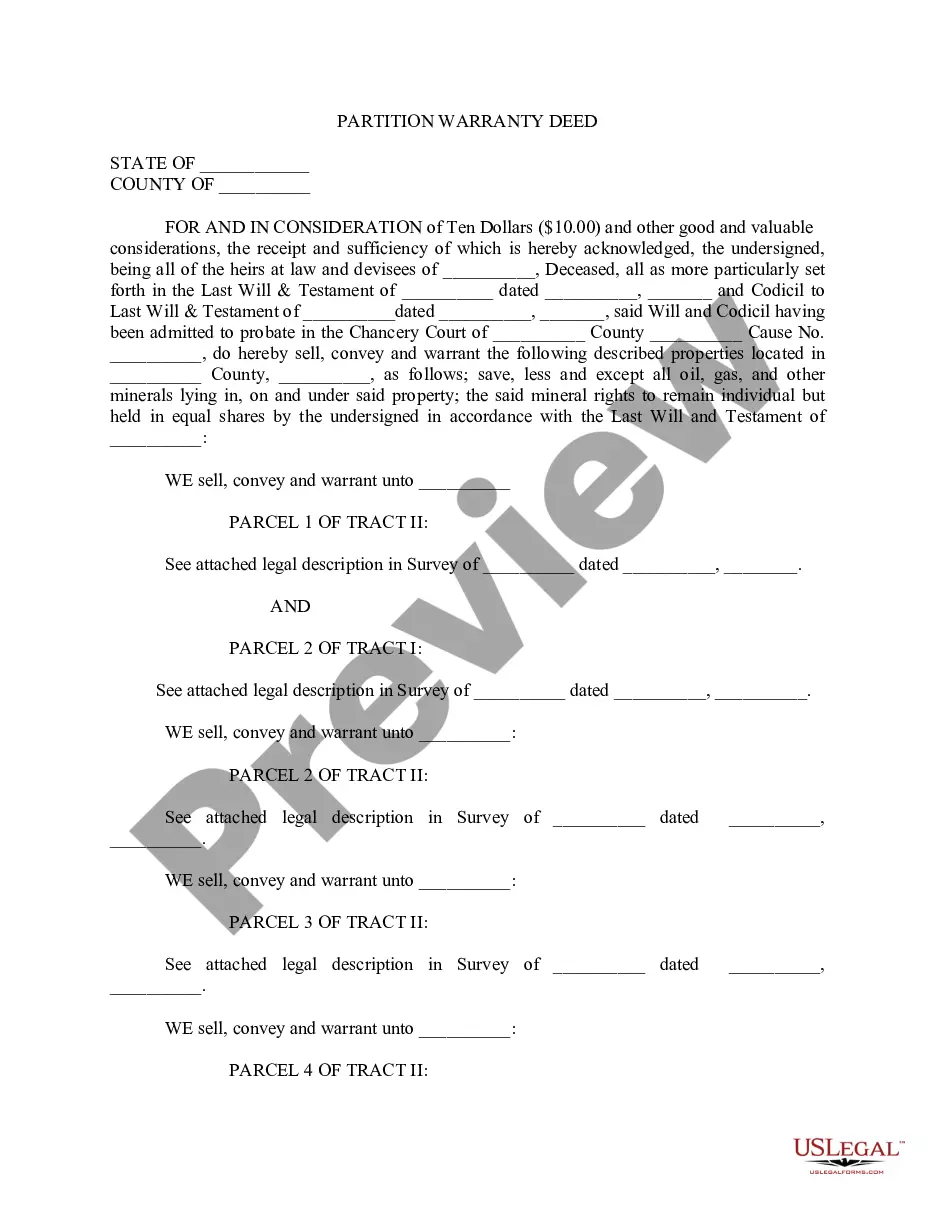
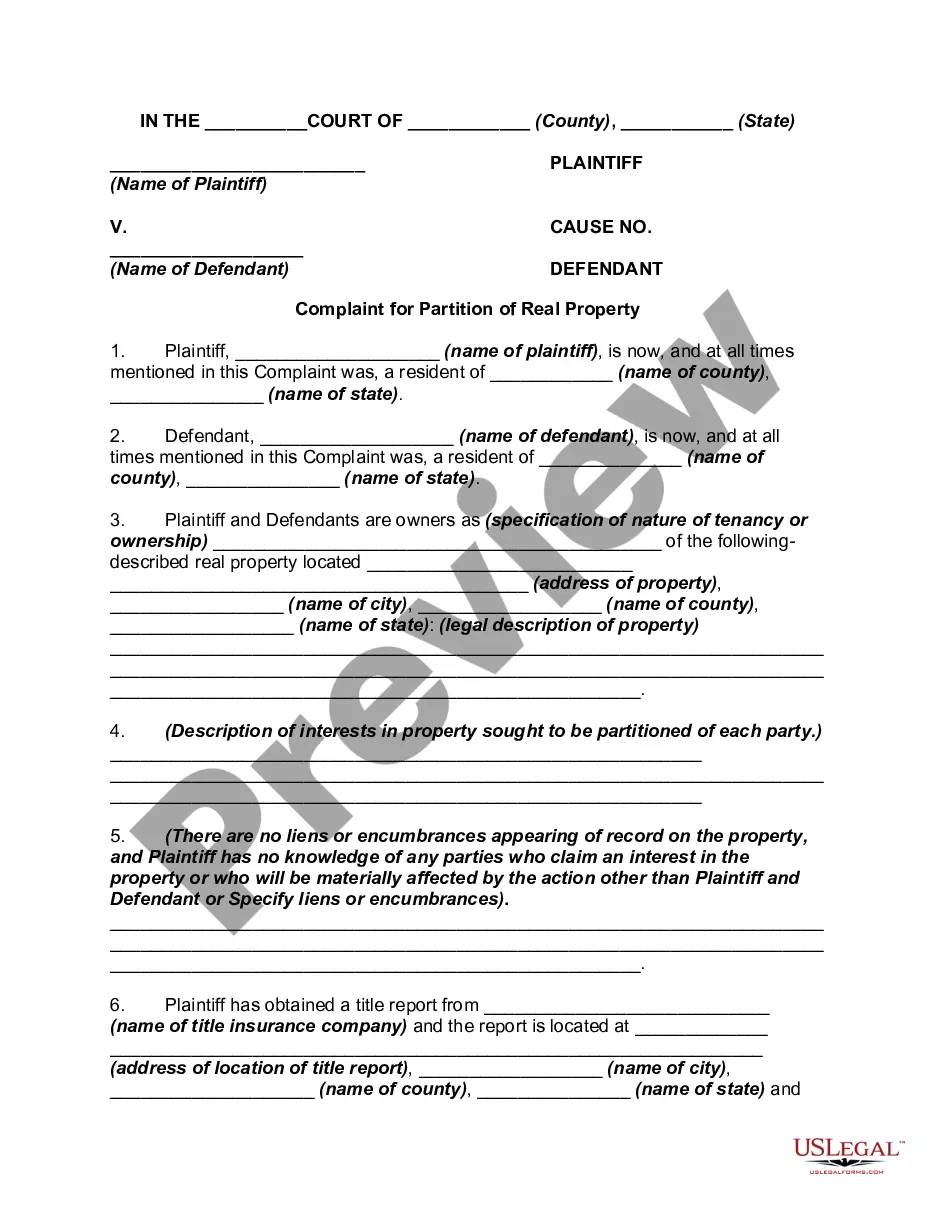
Description


Get your form ready online
Our built-in tools help you complete, sign, share, and store your documents in one place.
Make edits, fill in missing information, and update formatting in US Legal Forms—just like you would in MS Word.
Download a copy, print it, send it by email, or mail it via USPS—whatever works best for your next step.
Sign and collect signatures with our SignNow integration. Send to multiple recipients, set reminders, and more. Go Premium to unlock E-Sign.
If this form requires notarization, complete it online through a secure video call—no need to meet a notary in person or wait for an appointment.
We protect your documents and personal data by following strict security and privacy standards.
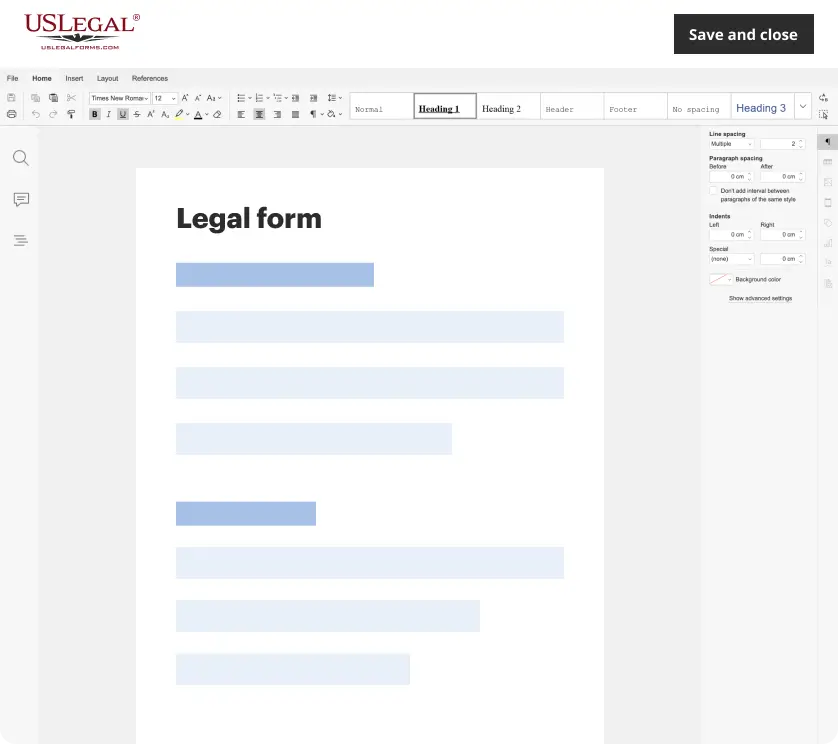
Make edits, fill in missing information, and update formatting in US Legal Forms—just like you would in MS Word.
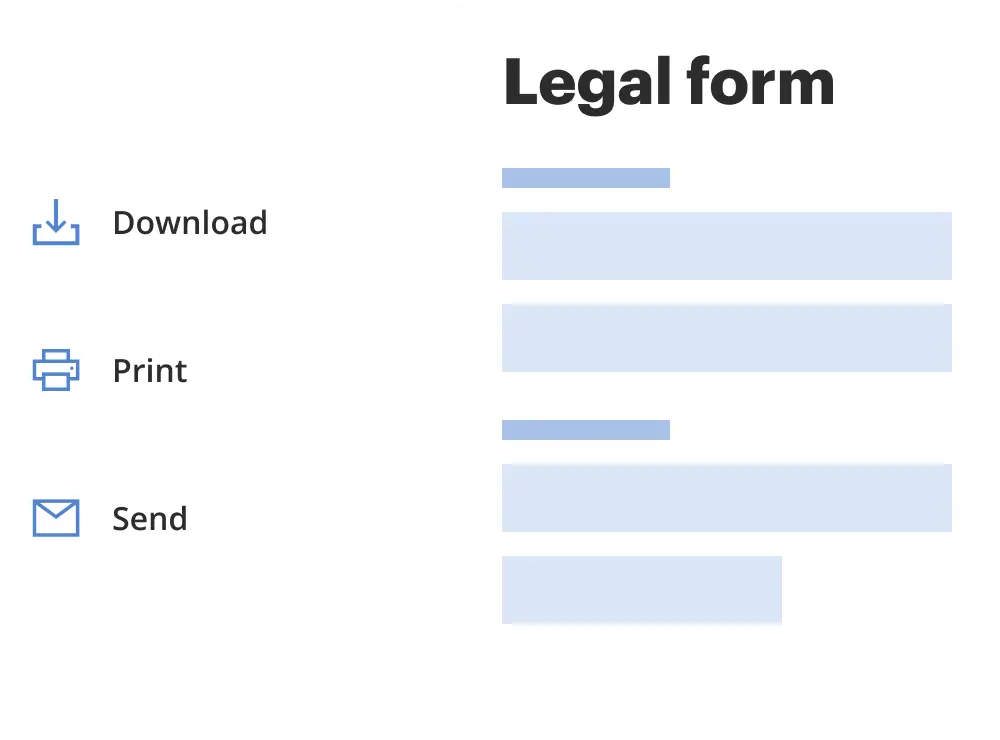
Download a copy, print it, send it by email, or mail it via USPS—whatever works best for your next step.
Sign and collect signatures with our SignNow integration. Send to multiple recipients, set reminders, and more. Go Premium to unlock E-Sign.

If this form requires notarization, complete it online through a secure video call—no need to meet a notary in person or wait for an appointment.
We protect your documents and personal data by following strict security and privacy standards.
Looking for another form?









Form popularity
FAQ
Spousal Maintenance and the 10 Year Marriage Alimony – or spousal maintenance in Texas Law – is rarely awarded in Texas divorces. However, the likelihood of court ordered spousal maintenance increases for couples married at least 10 years.
There is a somewhat common misconception that in all Texas divorce cases community property will be divided between the spouses equally, or “50/50.” However, the legal standard for dividing community property in Texas is not 50/50.
The District Clerk strongly urges you to retain an attorney to handle your divorce. However, state law does permit you to represent yourself. If you choose to do so and file your own divorce petition, any mistakes you make filing your case and pursuing it in the courts may result in a dismissal and additional fees.
Steps for Securing an Uncontested Divorce in Texas Without a Lawyer Step 1: Meet the Texas Residency Requirements. Step 2: File Your Original Petition for Divorce. Step 3: Have Your Spouse Waive Service or File an Answer. Step 4: Complete the Final Decree of Divorce Form. Step 5: Wait 60 Days. Step 6: Go to Court.
Filing fees range from $250 to $350 depending on the county. Uncontested divorces are typically more affordable, costing between $300 and $1,200. Contested divorces can range from $5,000 to $20,000 or more.
Yes, you have a constitutional right to represent yourself in any court proceeding (in most cases). Whether it's a good idea is another question altogether.
