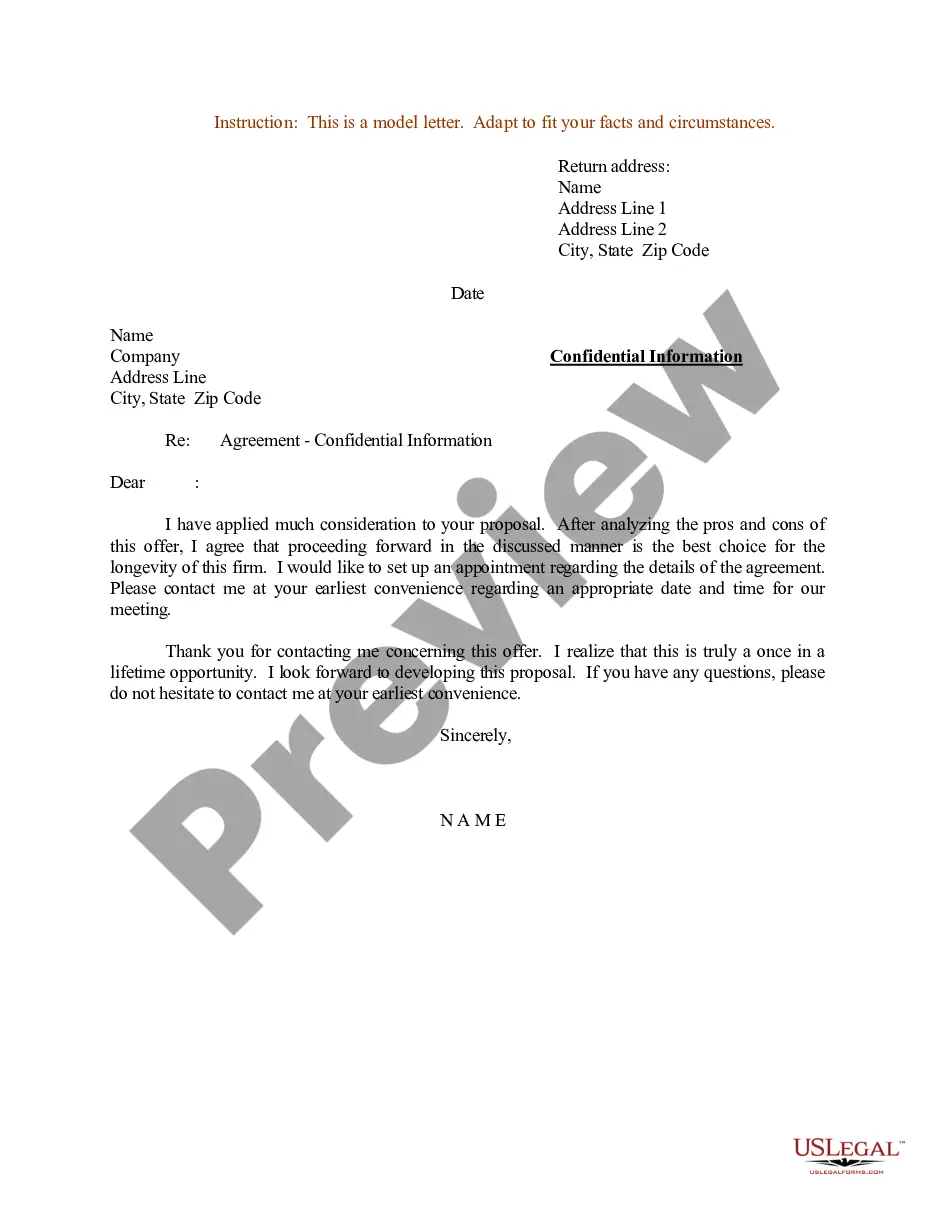
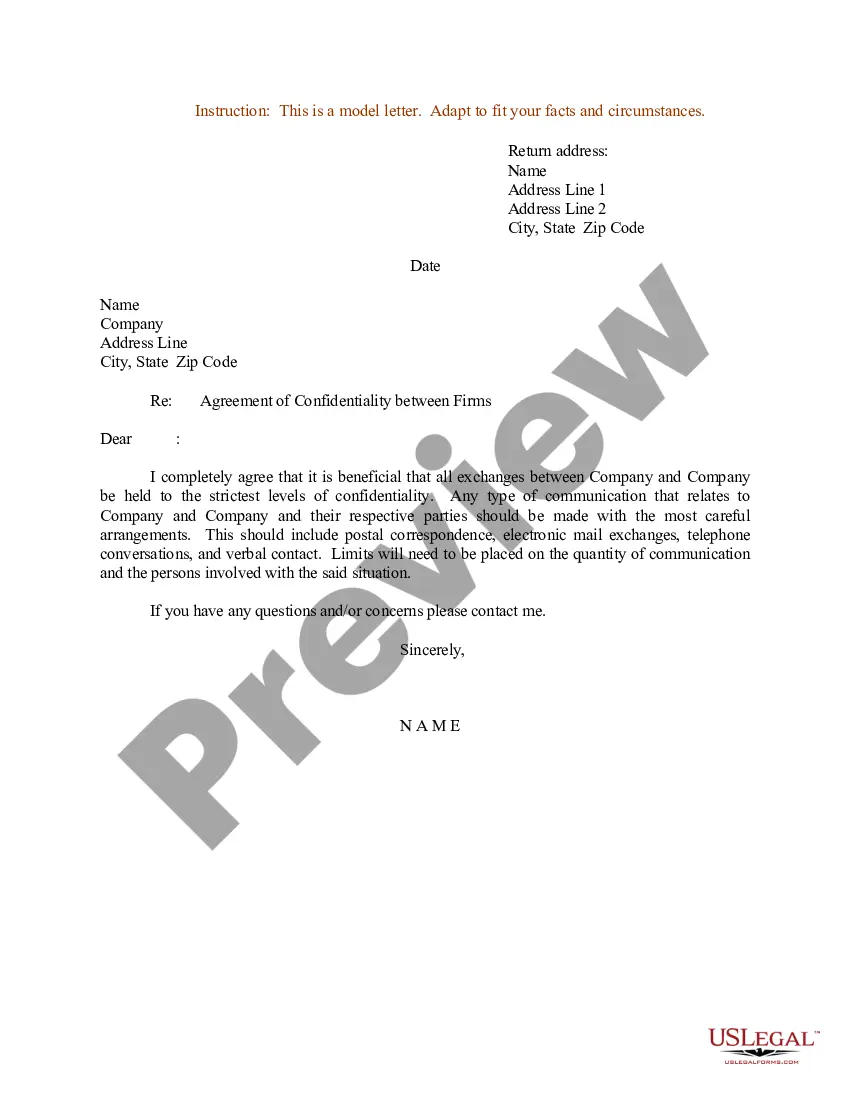
Private And Confidential Letter Sample For Student
Description
Get your form ready online
Our built-in tools help you complete, sign, share, and store your documents in one place.
Make edits, fill in missing information, and update formatting in US Legal Forms—just like you would in MS Word.
Download a copy, print it, send it by email, or mail it via USPS—whatever works best for your next step.
Sign and collect signatures with our SignNow integration. Send to multiple recipients, set reminders, and more. Go Premium to unlock E-Sign.
If this form requires notarization, complete it online through a secure video call—no need to meet a notary in person or wait for an appointment.
We protect your documents and personal data by following strict security and privacy standards.

Make edits, fill in missing information, and update formatting in US Legal Forms—just like you would in MS Word.

Download a copy, print it, send it by email, or mail it via USPS—whatever works best for your next step.

Sign and collect signatures with our SignNow integration. Send to multiple recipients, set reminders, and more. Go Premium to unlock E-Sign.

If this form requires notarization, complete it online through a secure video call—no need to meet a notary in person or wait for an appointment.

We protect your documents and personal data by following strict security and privacy standards.
Looking for another form?
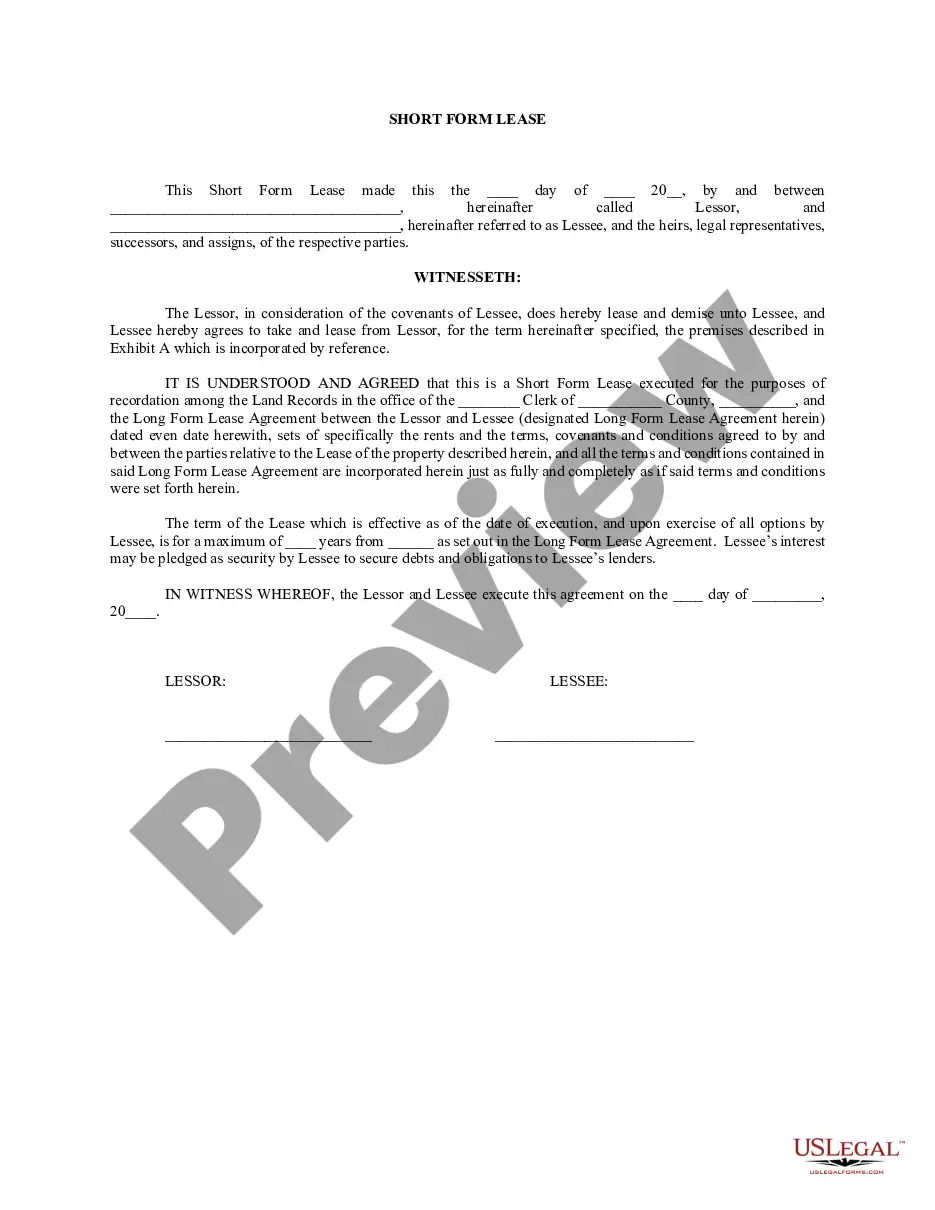
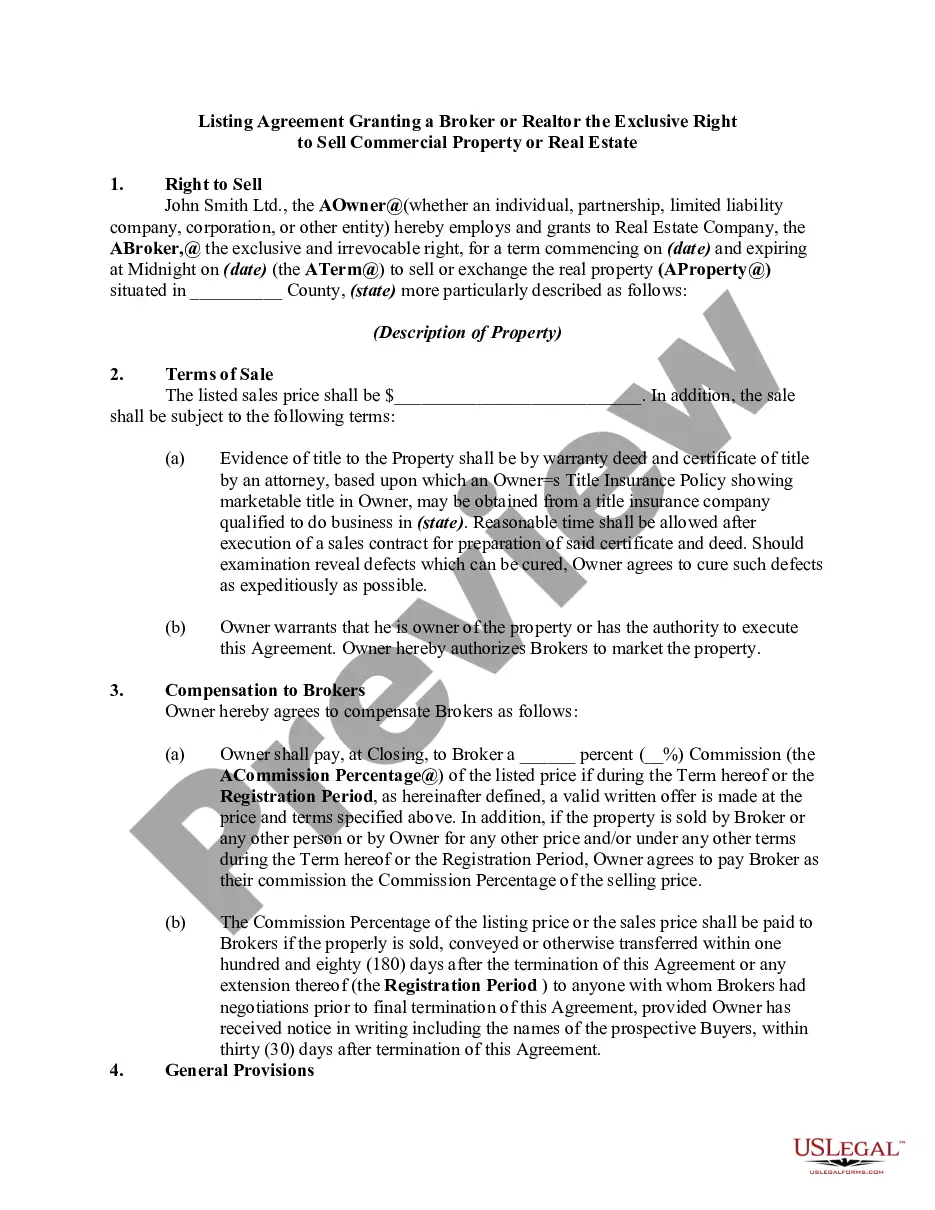
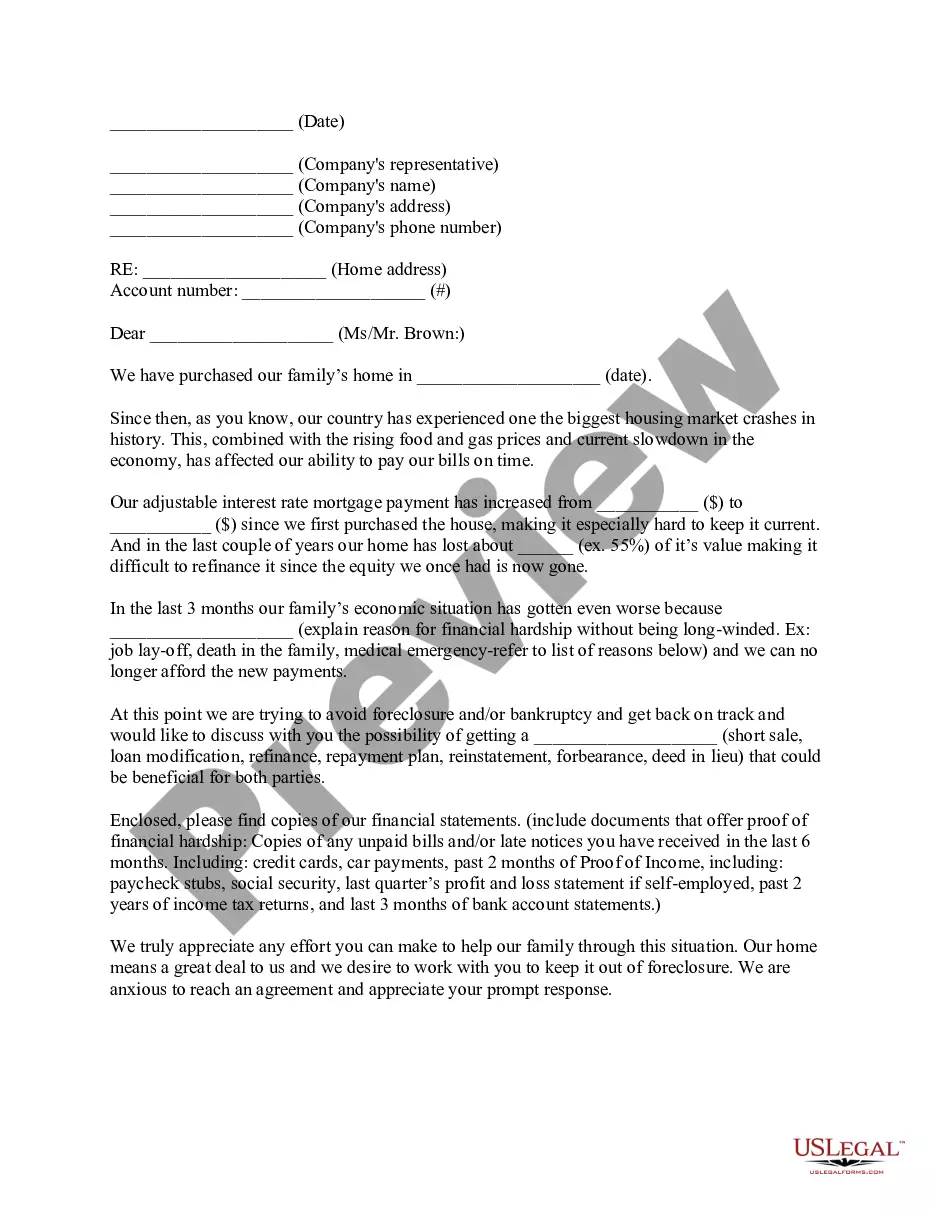
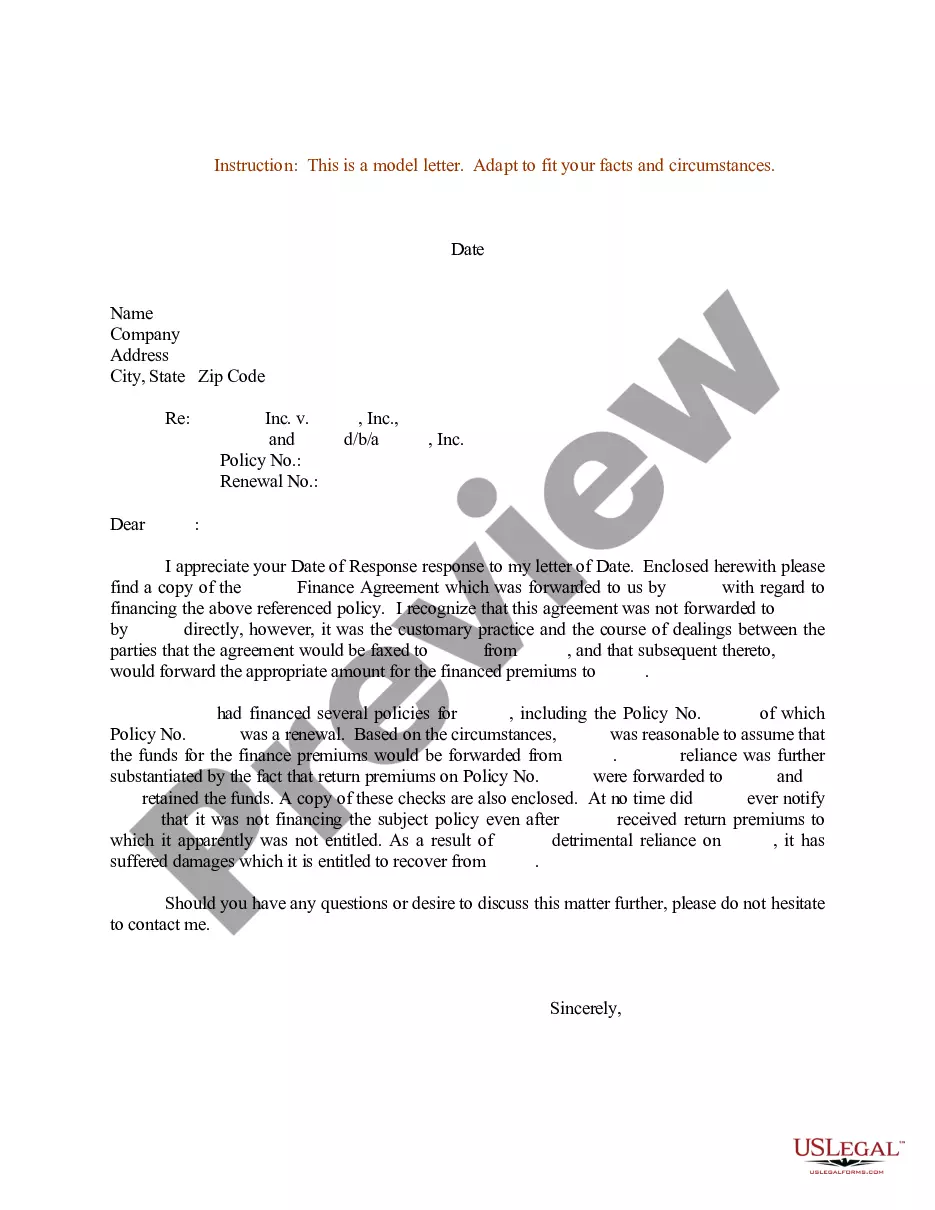
How to fill out Sample Letter For Agreement - Confidential Information?
Legal administration can be exasperating, even for the most proficient experts.
When you are seeking a Private And Confidential Letter Sample For Student and cannot dedicate time to locate the correct and current version, the process may become overwhelming.
Tap into a valuable repository of articles, guides, manuals, and resources pertinent to your situation and requirements.
Save time and effort searching for the documents you require, and employ US Legal Forms’ advanced search and Review feature to locate Private And Confidential Letter Sample For Student and obtain it.
Make sure that the sample is recognized in your state or county.
- If you have a membership, Log In to your US Legal Forms account, search for the form, and obtain it.
- Check your My documents tab to view the documents you have previously downloaded and to manage your folders as needed.
- If this is your first experience with US Legal Forms, create an account and gain unrestricted access to all the benefits of the library.
- Here are the steps to take after accessing the form you need.
- Ensure it is the correct form by previewing it and reviewing its details.
- Access state- or county-specific legal and business documents.
- US Legal Forms addresses any requirements you may have, from personal to business paperwork, all in one location.
- Utilize sophisticated tools to manage and complete your Private And Confidential Letter Sample For Student.
Form popularity
FAQ
Letters of Confidentiality are basic and straightforward letters that act as non-disclosure agreements. Under a Letter of Confidentiality, a party disclosing confidential information imposes restrictions as to the use of this confidential information on the party receiving it.
What are examples of Confidential Information? Examples of confidential information include a person's phone number and address, medical records, and social security. Companies also have confidential information such as financial records, trade secrets, customer information, and marketing strategies.
Often these words are written on correspondence merely to emphasise that the intended recipient must open the letter, rather than someone else. For example, you may not want a family member or colleague opening a communication from your doctor.
One way to indicate confidentiality and sensitivity is to use labels on the letter and the envelope, such as "Confidential", "Personal", "Private", or "Sensitive". These labels should be placed on the top or bottom of the letter, and on the front or back of the envelope.
A confidentiality agreement should include a clear definition of the confidential information, scope of the agreement, obligations of the receiving party, the duration of the contract, any exceptions to confidentiality, and the consequences of a breach of the contract.