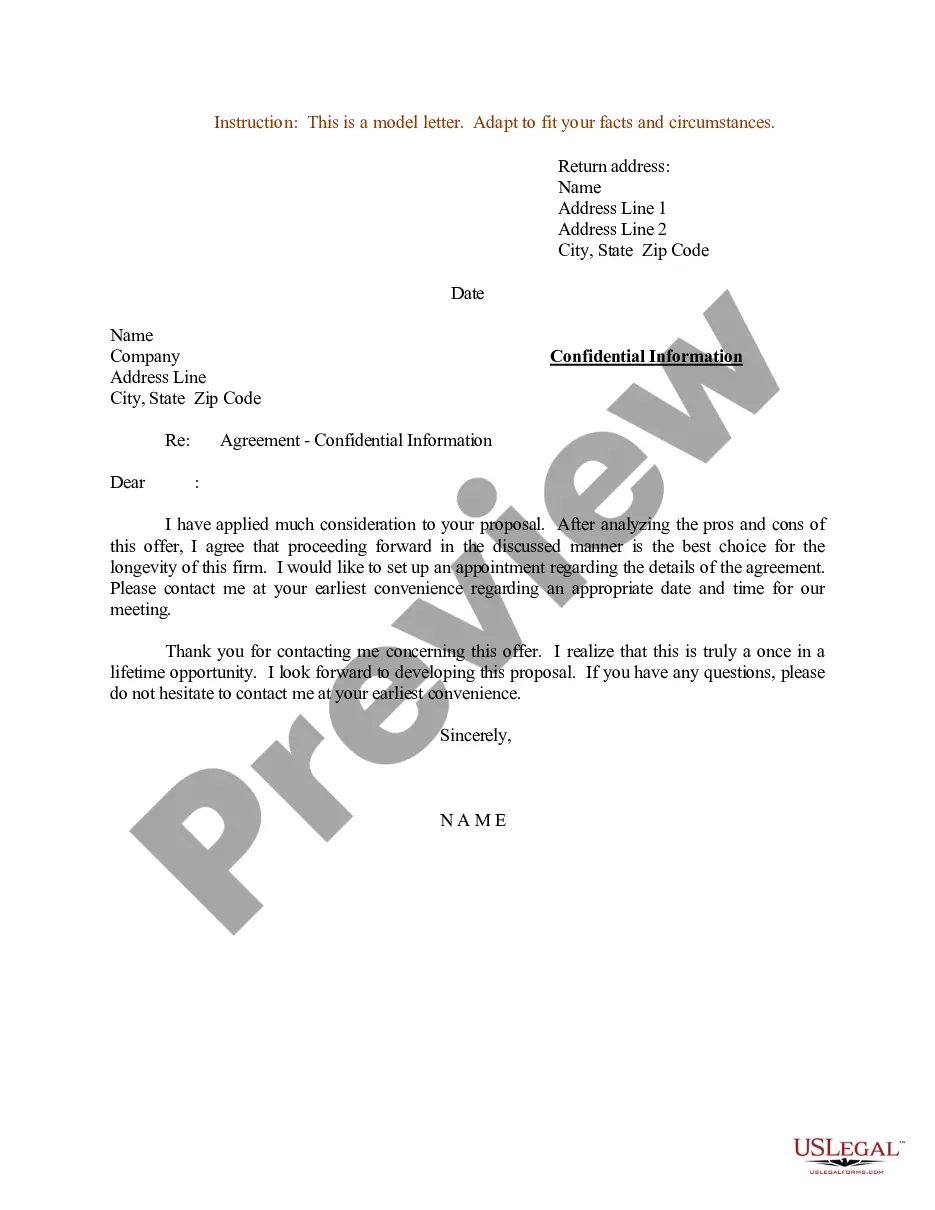
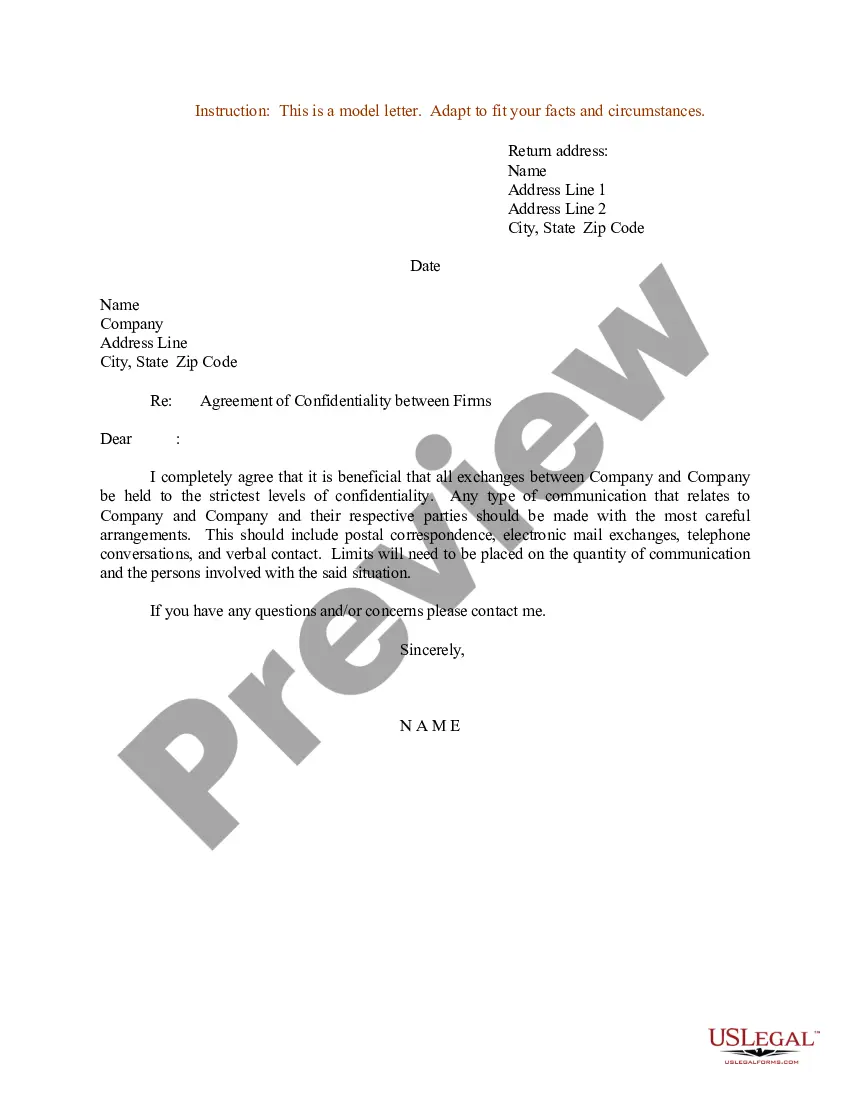
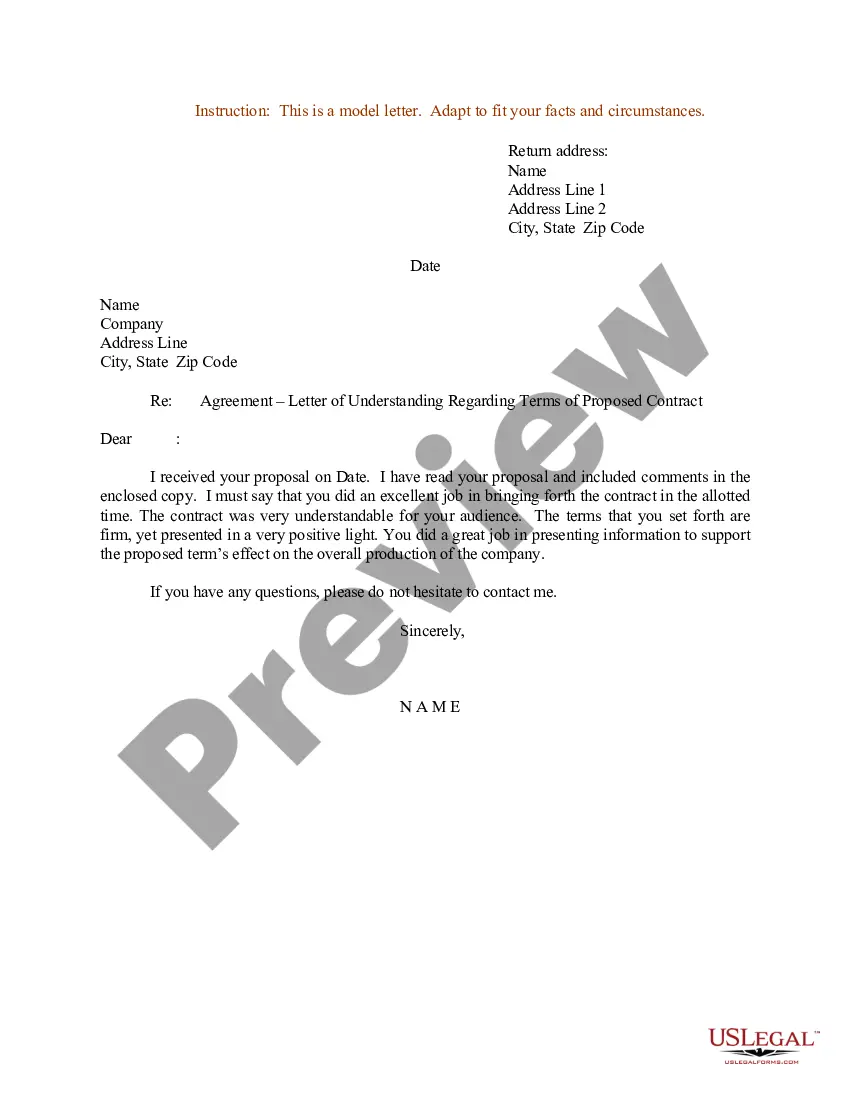
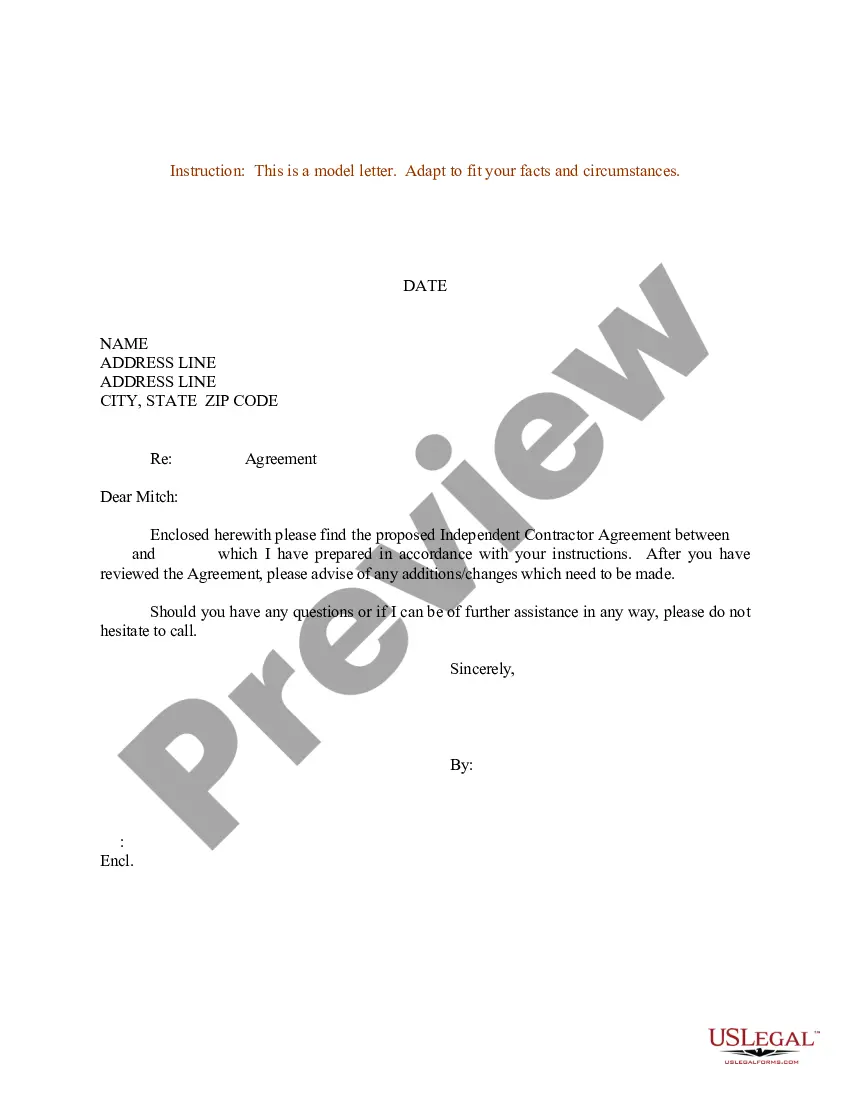
Sample Letter For Disclosing Confidential Information Without Consent In Philadelphia
Description

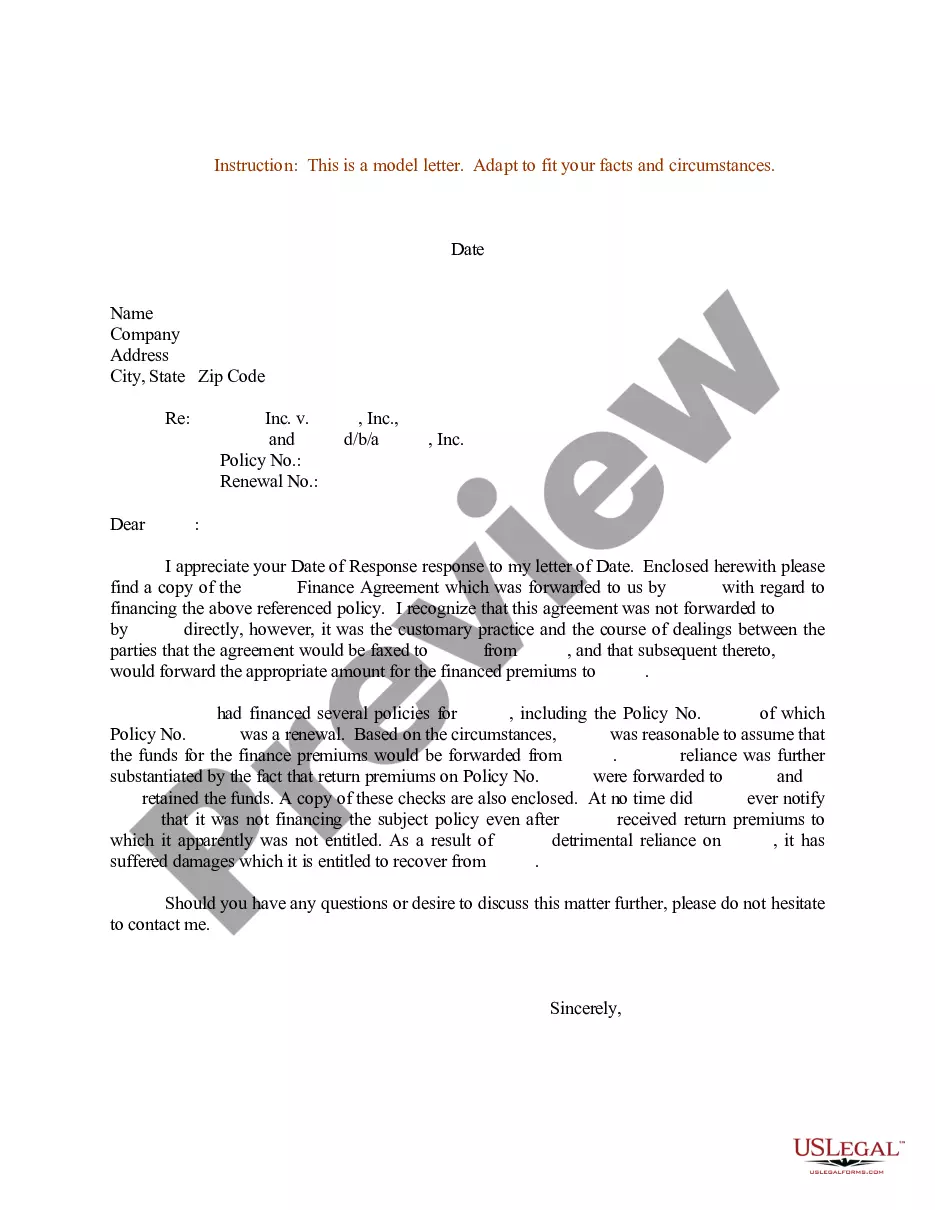
Get your form ready online
Our built-in tools help you complete, sign, share, and store your documents in one place.
Make edits, fill in missing information, and update formatting in US Legal Forms—just like you would in MS Word.
Download a copy, print it, send it by email, or mail it via USPS—whatever works best for your next step.
Sign and collect signatures with our SignNow integration. Send to multiple recipients, set reminders, and more. Go Premium to unlock E-Sign.
If this form requires notarization, complete it online through a secure video call—no need to meet a notary in person or wait for an appointment.
We protect your documents and personal data by following strict security and privacy standards.

Make edits, fill in missing information, and update formatting in US Legal Forms—just like you would in MS Word.

Download a copy, print it, send it by email, or mail it via USPS—whatever works best for your next step.

Sign and collect signatures with our SignNow integration. Send to multiple recipients, set reminders, and more. Go Premium to unlock E-Sign.

If this form requires notarization, complete it online through a secure video call—no need to meet a notary in person or wait for an appointment.

We protect your documents and personal data by following strict security and privacy standards.
Looking for another form?
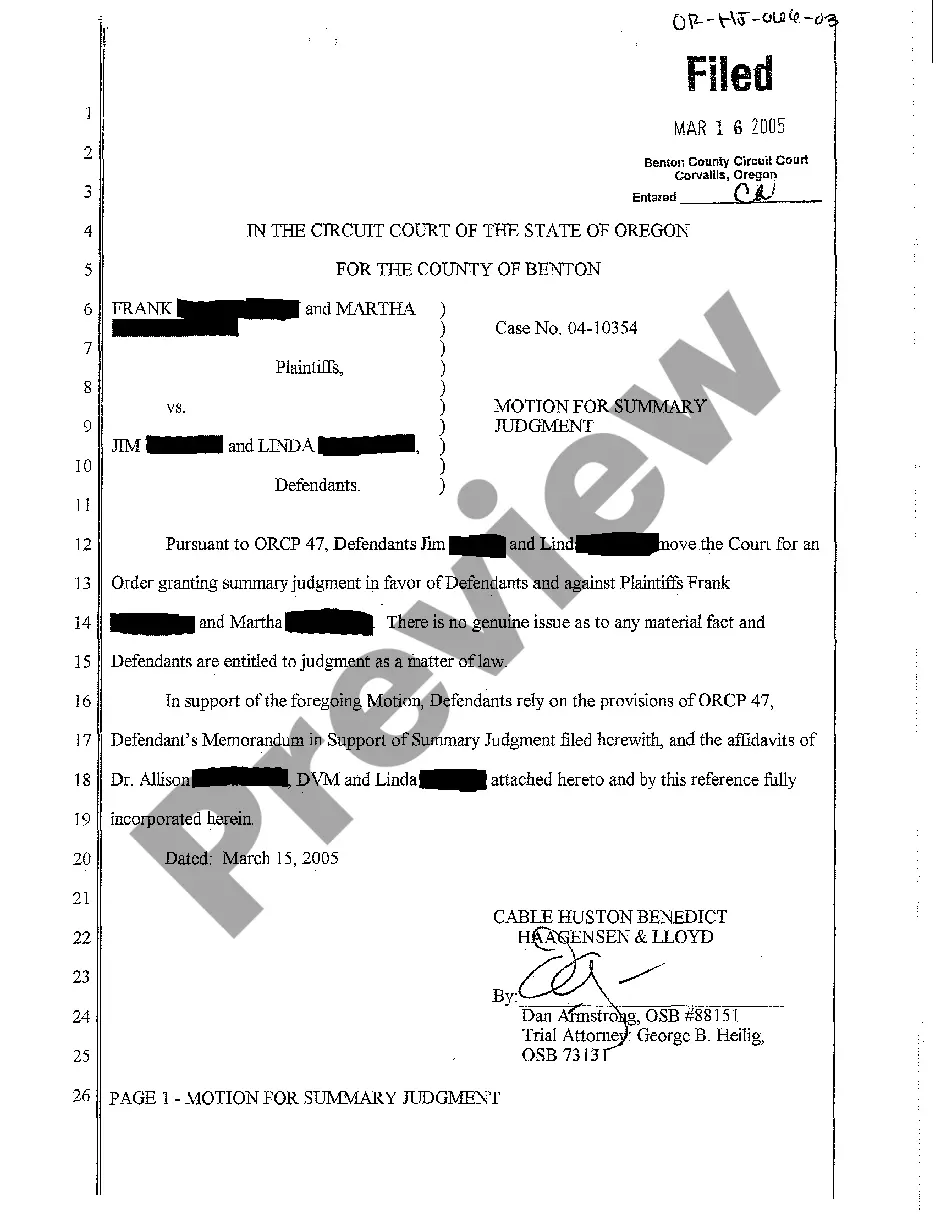



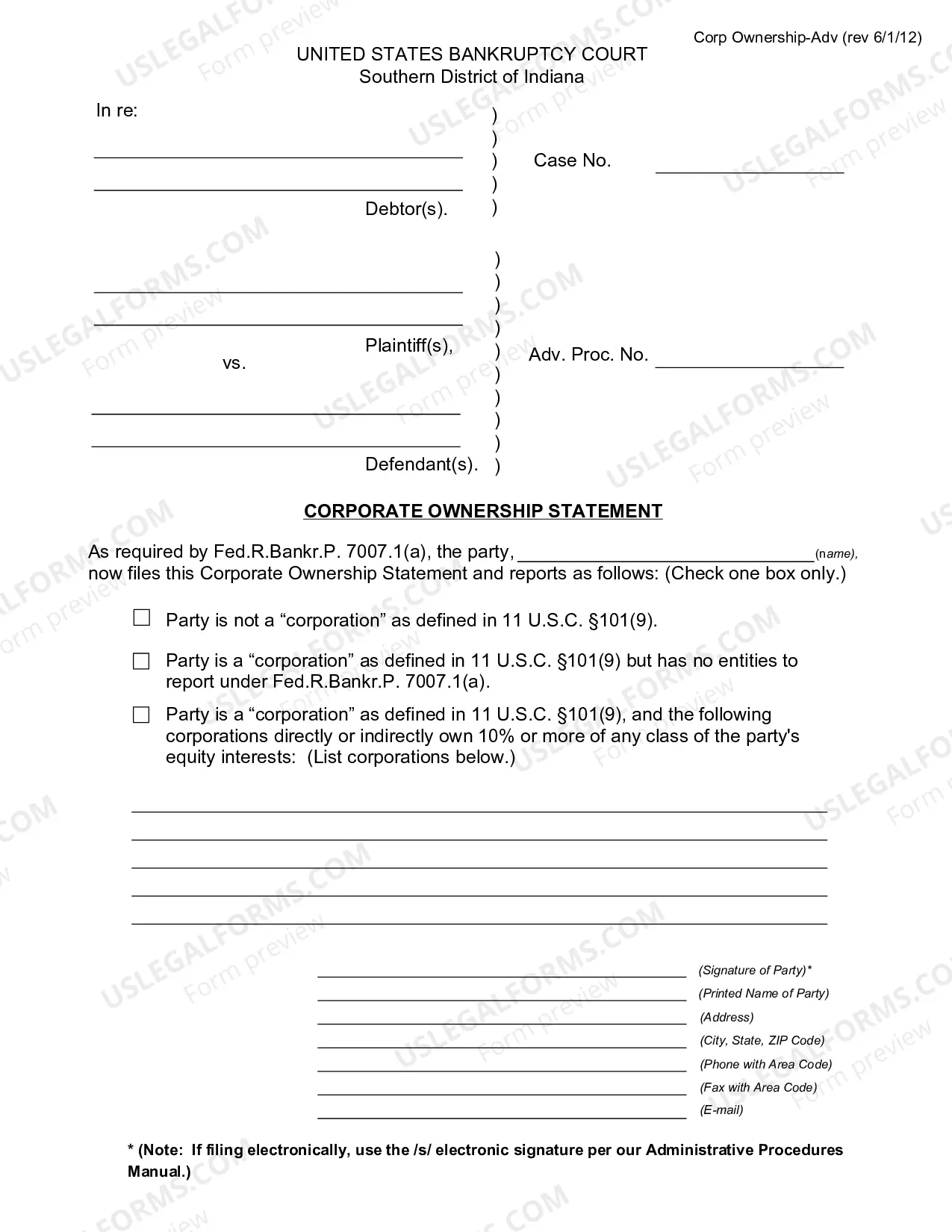




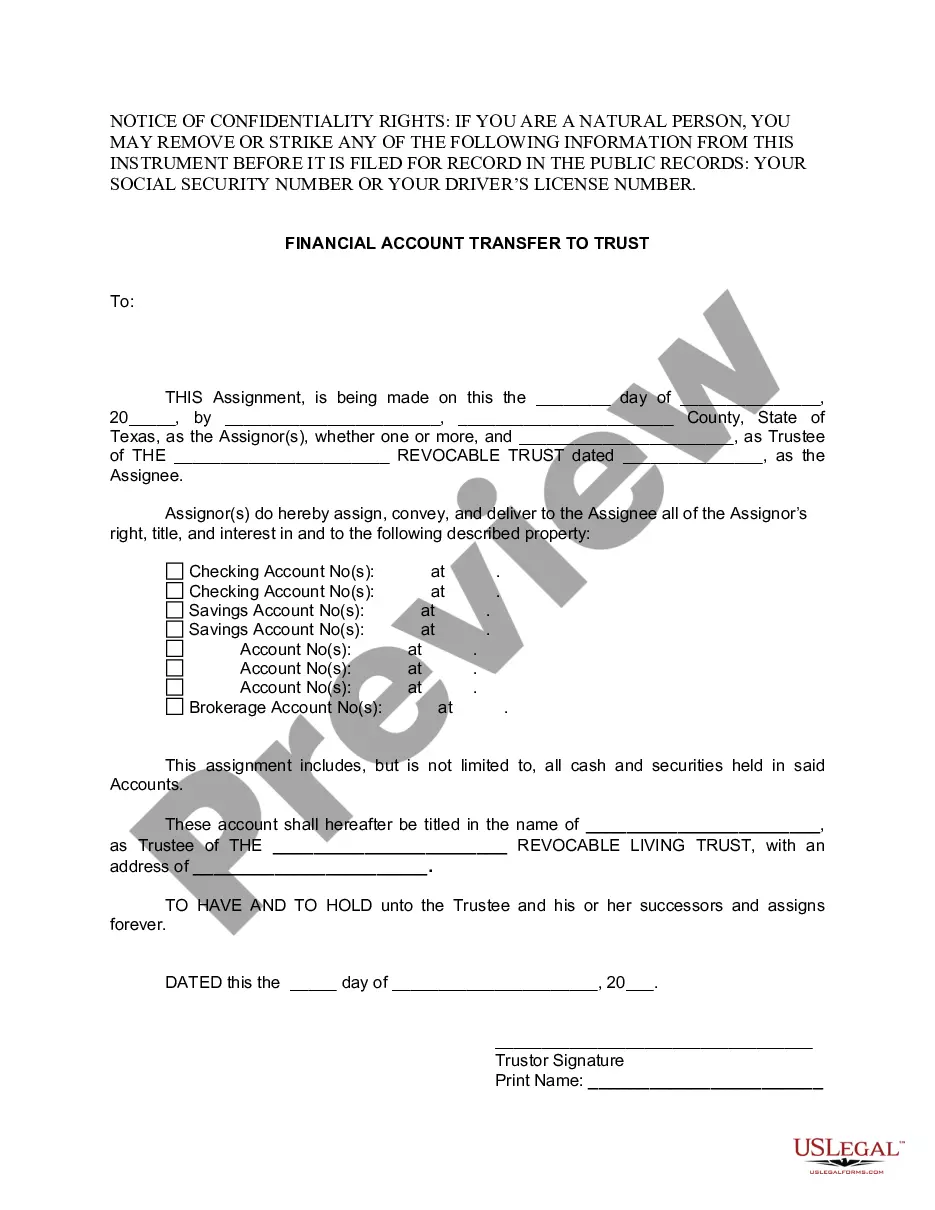
Form popularity
FAQ
Clear identification of confidential information An effective confidential email disclaimer should clearly identify the type of information that is considered confidential. This helps recipients understand what they should keep private and protects your organization from unintentional disclosures.
Clear identification of confidential information An effective confidential email disclaimer should clearly identify the type of information that is considered confidential. This helps recipients understand what they should keep private and protects your organization from unintentional disclosures.
In the workplace, a breach of confidence can take place when a worker, either intentionally or unintentionally, discloses or uses information that could damage the employer's business, clients, or employees. If a worker breaches confidentiality, legal action may be taken against them by their employer.
Here's just one example: some of the many different ways to say how a recipient of confidential information should keep that information to themselves: shall keep in confidence all Confidential Information. shall treat in confidence all Confidential Information. shall treat as confidential all Confidential Information.
This Disclosure Authorisation Letter (previously known as an “Authorisation to Release Confidential Information") refers to a Confidentiality Agreement and authorises a party to that agreement to release certain information to a named party. This document is suitable for basic disclosure situations only.
Writing an effective confidentiality clause involves several key elements: Define the confidential information: Clearly specify what information is considered confidential and what is excluded. Obligations of the parties: Outline the responsibilities of each party in maintaining confidentiality.
The following information is confidential: Social Security number. Patient names, street address, city, county, zip code, telephone / fax numbers. Dates (except year) related to an individual, account / medical record numbers, health plan beneficiary numbers.
A disclaimer should be clear, concise, and polite. For example, you may write: "This letter and its enclosures are confidential and intended for the exclusive use of the addressee. If you are not the intended recipient, please notify the sender immediately and destroy this letter and its enclosures.
A confidentiality agreement should include the names and addresses of the parties to the contract. Consider also including: Reason for the agreement: Explain why you're sharing this information. The information disclosed: Be specific about the subject matter and what exactly is included in the agreement.
Clearly state your name and that you're writing to grant authorization to another individual or organization. In the body of your letter, identify the parties involved, specify the authority you're granting, define the duration, and include any other necessary information.