Private And Confidential Letter Sample For Job Application In Minnesota
Description
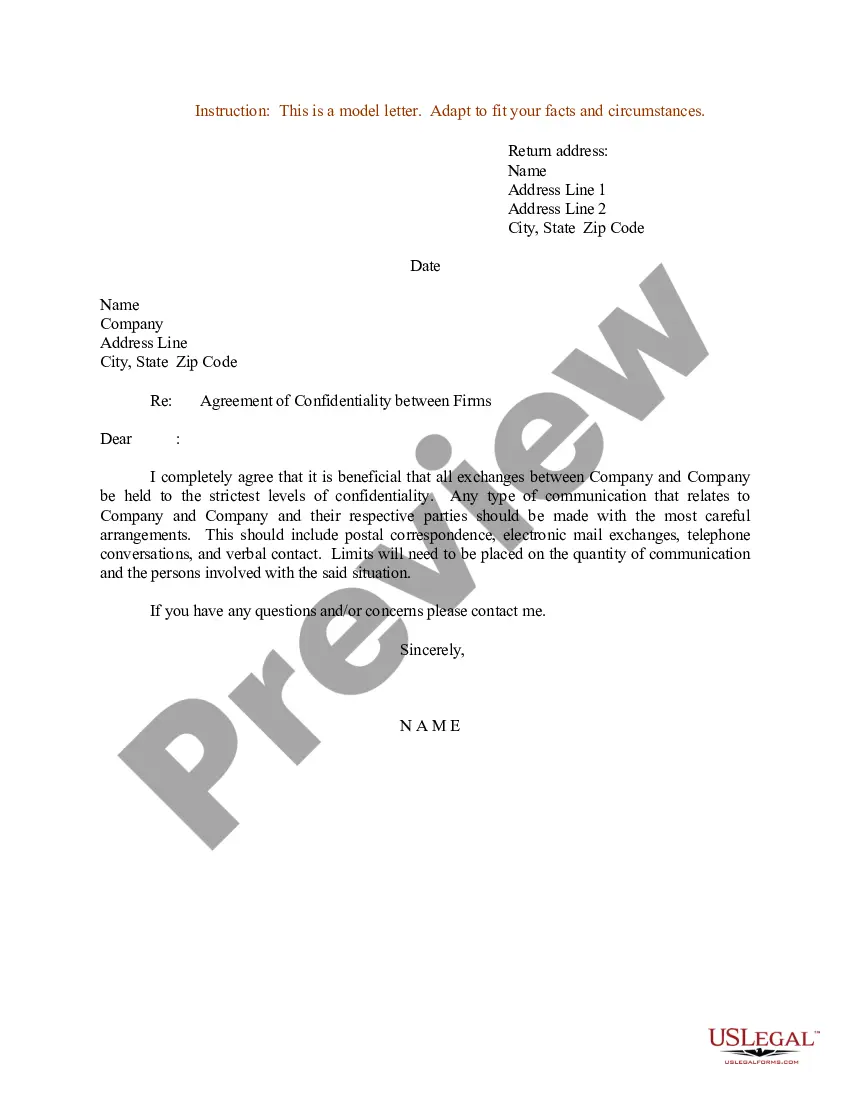

Get your form ready online
Our built-in tools help you complete, sign, share, and store your documents in one place.
Make edits, fill in missing information, and update formatting in US Legal Forms—just like you would in MS Word.
Download a copy, print it, send it by email, or mail it via USPS—whatever works best for your next step.
Sign and collect signatures with our SignNow integration. Send to multiple recipients, set reminders, and more. Go Premium to unlock E-Sign.
If this form requires notarization, complete it online through a secure video call—no need to meet a notary in person or wait for an appointment.
We protect your documents and personal data by following strict security and privacy standards.

Make edits, fill in missing information, and update formatting in US Legal Forms—just like you would in MS Word.

Download a copy, print it, send it by email, or mail it via USPS—whatever works best for your next step.

Sign and collect signatures with our SignNow integration. Send to multiple recipients, set reminders, and more. Go Premium to unlock E-Sign.

If this form requires notarization, complete it online through a secure video call—no need to meet a notary in person or wait for an appointment.

We protect your documents and personal data by following strict security and privacy standards.
Looking for another form?






Form popularity
FAQ
When writing a cover letter without knowing the hiring manager, address it to the appropriate department or use a general salutation such as ``Dear Hiring Team.'' Tailor your letter to the job description and company culture. Research the company to personalize your letter and demonstrate your interest.
If you don't know the recipient's name, begin your cover letter with a generic salutation such as ``Dear Hiring Manager'' or ``To Whom It May Concern.'' While it's ideal to address the letter to a specific individual, using a generic greeting is acceptable when the recipient's name is unknown.
An employer can give out the following information only with a Release signed by you: written employee evaluations and your response to them, written disciplinary warnings and actions in the last 5 years, and. written reasons for why you left the job.
How to write a cover letter for a confidential job posting Create a professional letter header. You can start your letter by creating a professional header. Use a formal salutation. Write an opening paragraph. Add body paragraphs. Add a conclusion and closing. Research the company.
How to write a cover letter for a confidential job posting Create a professional letter header. You can start your letter by creating a professional header. Use a formal salutation. Write an opening paragraph. Add body paragraphs. Add a conclusion and closing. Research the company.
Use the "Hiring Manager" salutation Using the salutation "Dear Hiring Manager" is the optimal choice for many hiring professionals when a name is unavailable. It's better to use this general salutation rather than not including one at all, as it indicates respect for cultural norms and professionalism.
Minnesota employers are required to provide employees with access to their personnel record upon written request. A current employee is entitled to review their personnel record once every six months.
If you don't know the recipient's name, begin your cover letter with a generic salutation such as ``Dear Hiring Manager'' or ``To Whom It May Concern.'' While it's ideal to address the letter to a specific individual, using a generic greeting is acceptable when the recipient's name is unknown.
Confidential applications can hold credentials in a secure way without exposing them to unauthorized parties. They require a trusted backend server to store the secret(s).

