Notary Public Certification In Texas In Wayne
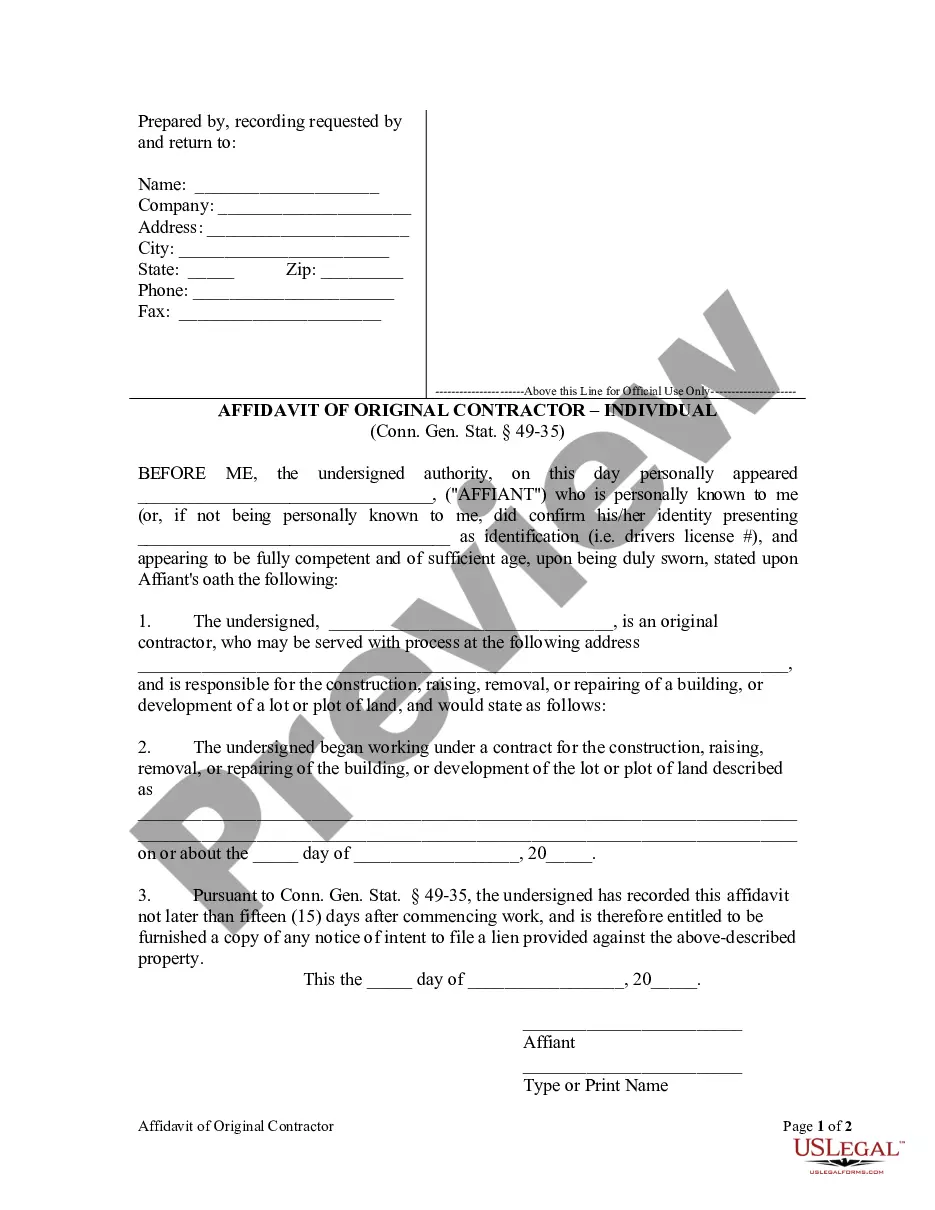
Description

Get your form ready online
Our built-in tools help you complete, sign, share, and store your documents in one place.
Make edits, fill in missing information, and update formatting in US Legal Forms—just like you would in MS Word.
Download a copy, print it, send it by email, or mail it via USPS—whatever works best for your next step.
Sign and collect signatures with our SignNow integration. Send to multiple recipients, set reminders, and more. Go Premium to unlock E-Sign.
If this form requires notarization, complete it online through a secure video call—no need to meet a notary in person or wait for an appointment.
We protect your documents and personal data by following strict security and privacy standards.

Make edits, fill in missing information, and update formatting in US Legal Forms—just like you would in MS Word.

Download a copy, print it, send it by email, or mail it via USPS—whatever works best for your next step.

Sign and collect signatures with our SignNow integration. Send to multiple recipients, set reminders, and more. Go Premium to unlock E-Sign.

If this form requires notarization, complete it online through a secure video call—no need to meet a notary in person or wait for an appointment.

We protect your documents and personal data by following strict security and privacy standards.
Looking for another form?







Form popularity
FAQ
One of the most common mistakes that notaries make is not printing or signing their name exactly as it appears on their notary commission.
An online notary public is a commissioned notary public in the State of Texas who has the authority to perform a remote notarization using an audio-visual conference rather than having the individual physically appear before the notary at the time of the notarization.
How long does it take to become a notary in Texas? After you complete your application, it can take 30 days to receive your commission certification from the Texas Secretary of State and another 10 days to receive your customized notary stamp from us after we get a copy of your commission.
California. California has some of the most stringent application requirements for Notaries in the U.S. — including a required education course and background check — and the mandatory exam is among the most challenging in any state.
Texas follows the “7-year rule,” which means most background checks can only go back 7 years when reporting criminal history, provided the job pays less than $75,000 annually.
To become a notary public in Texas, you must: Be a Texas Resident; Be at least 18 years of age; and. Maintain no convictions for a felony or a crime involving moral turpitude (theft, various misdemeanors).
To be commissioned as a notary public in Texas, you must be a Texas resident at least 18 years of age who has not received a final conviction for a crime involving moral turpitude or a felony.
