Notary Application In Virginia In Wake
Description

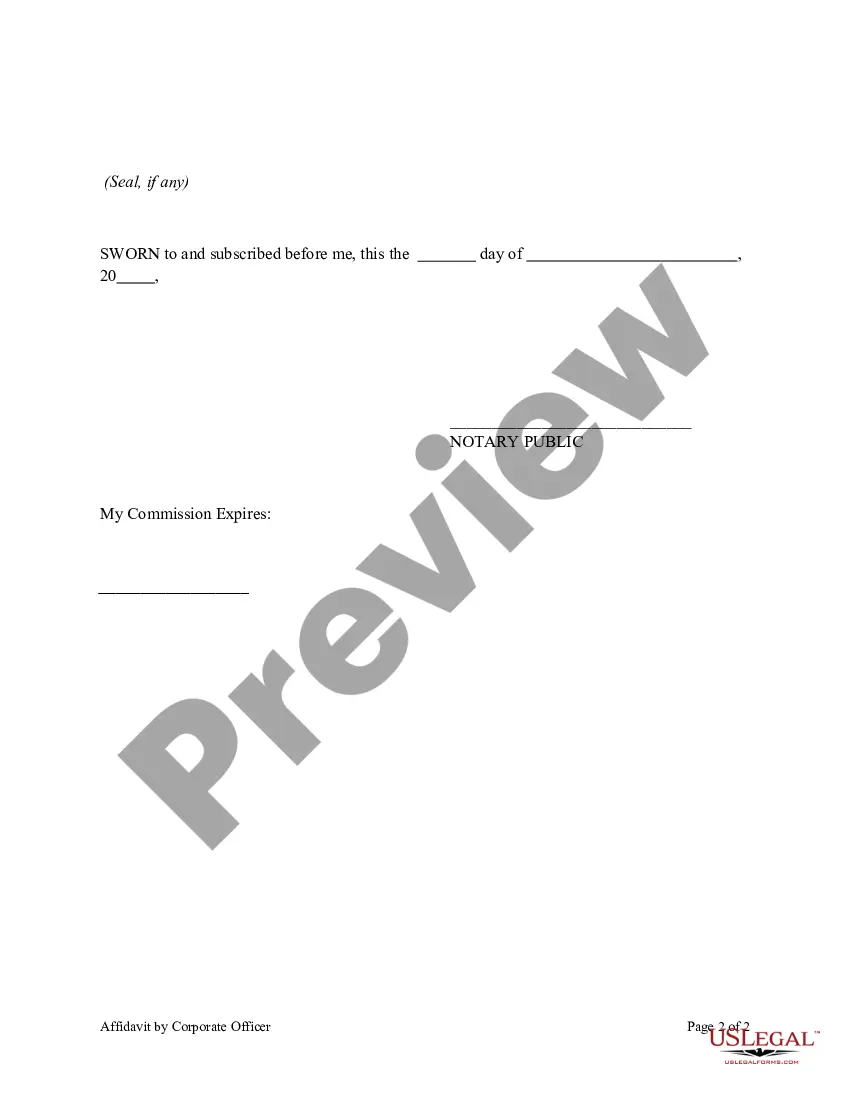
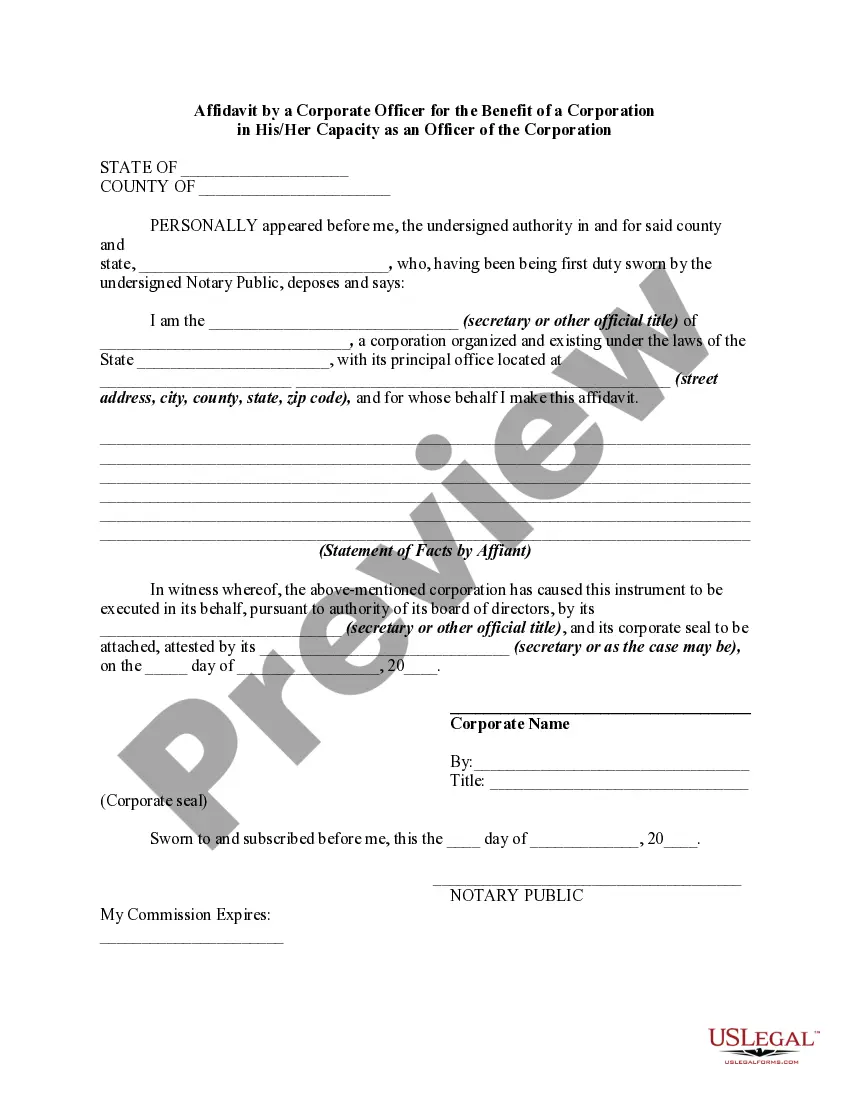
Get your form ready online
Our built-in tools help you complete, sign, share, and store your documents in one place.
Make edits, fill in missing information, and update formatting in US Legal Forms—just like you would in MS Word.
Download a copy, print it, send it by email, or mail it via USPS—whatever works best for your next step.
Sign and collect signatures with our SignNow integration. Send to multiple recipients, set reminders, and more. Go Premium to unlock E-Sign.
If this form requires notarization, complete it online through a secure video call—no need to meet a notary in person or wait for an appointment.
We protect your documents and personal data by following strict security and privacy standards.

Make edits, fill in missing information, and update formatting in US Legal Forms—just like you would in MS Word.

Download a copy, print it, send it by email, or mail it via USPS—whatever works best for your next step.

Sign and collect signatures with our SignNow integration. Send to multiple recipients, set reminders, and more. Go Premium to unlock E-Sign.

If this form requires notarization, complete it online through a secure video call—no need to meet a notary in person or wait for an appointment.

We protect your documents and personal data by following strict security and privacy standards.
Looking for another form?






Form popularity
FAQ
I, __________________________, a Notary Public in the jurisdiction aforesaid, State of Virginia, do hereby certify that_____________________________________________________ whose names are signed to the foregoing Certificate of Confirmation by Owners, and Plat, bearing date of the _____ day of ____________________, 200 ...
One of the most common mistakes that notaries make is not printing or signing their name exactly as it appears on their notary commission.
No person who has ever been convicted of a felony under the laws of the United States, the Commonwealth of Virginia, or the laws of any other state, qualify to be appointed and commissioned as a notary public unless such person has had their civil rights restored.
A notary must always be completely satisfied with the identity of the person whose signature is being notarized. A notary is not obligated to notarize a person's signature without being sure that the person is who he or she claims to be. Always check identification and be satisfied that the identification is valid.
In order to complete an online notarization in Virginia, you'll need the following: An original, unsigned document (Don't sign it before uploading! ... A computer, iPhone, or Android phone with audio and video capabilities. A valid government–issued photo ID. A U.S. social security number for secure identity verification.
Virginia notaries may notarize powers of attorney and wills. Virginia notaries are not authorized to certify true copies of birth, death, or marriage certificates. Only the Division of Vital Records/Statistics may perform such a certification.
To become a notary in Virginia, you must be at least 18 years old, a legal resident of the state, and have a clean criminal record. Proof of legal residency is required to ensure that notaries can fulfill their duties under Virginia's legal standards.
The short answer is "yes" to both: (1) electronic notarization is available in Virginia, but it requires certain technological capabilities and a notary who has obtained an additional certification, and (2) a notary may remotely witness a signature in Virginia, provided certain requirements are met.
California. California has some of the most stringent application requirements for Notaries in the U.S. — including a required education course and background check — and the mandatory exam is among the most challenging in any state.
