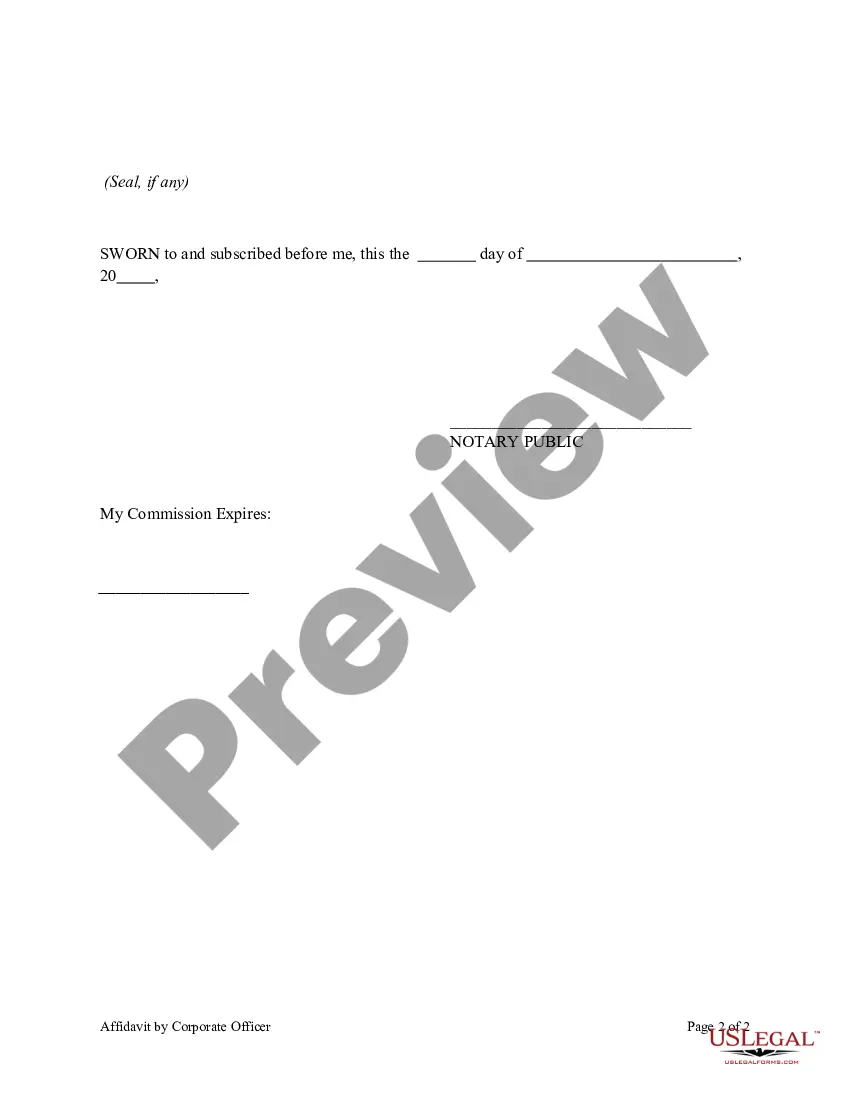
Notary Public Certification In Tennessee In Middlesex
Description

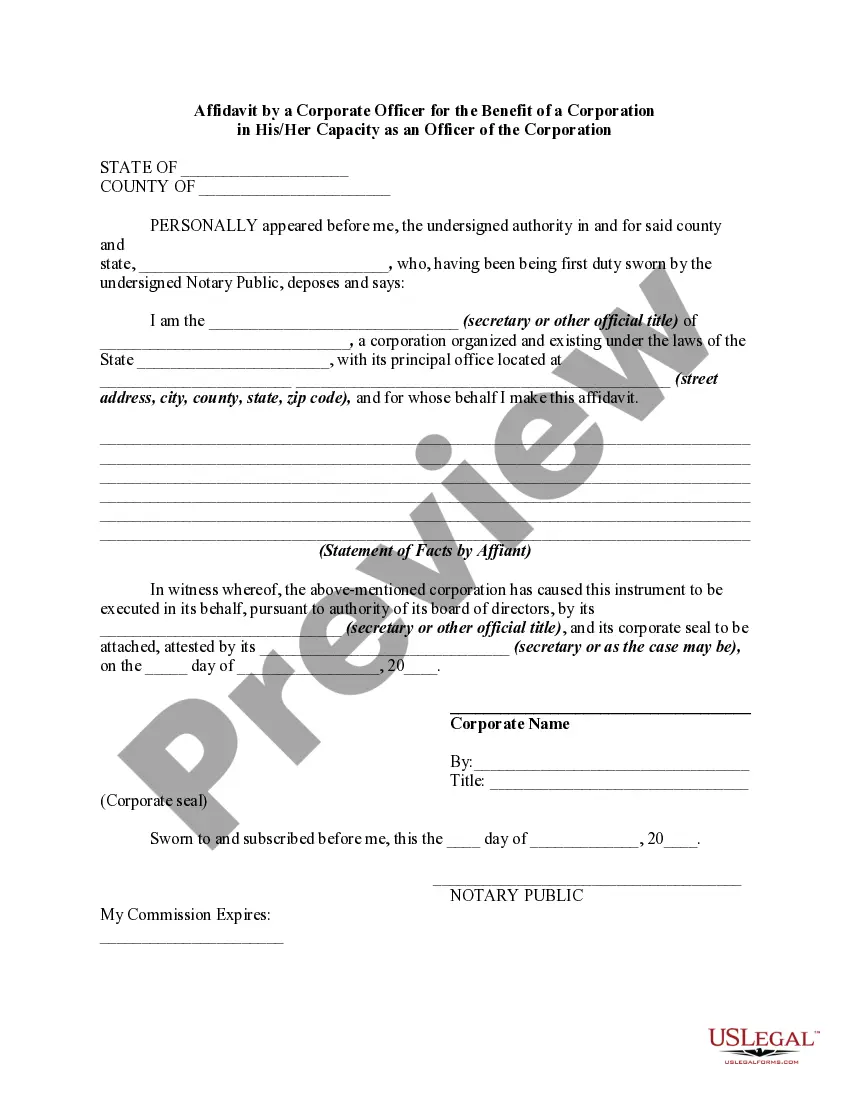
Get your form ready online
Our built-in tools help you complete, sign, share, and store your documents in one place.
Make edits, fill in missing information, and update formatting in US Legal Forms—just like you would in MS Word.
Download a copy, print it, send it by email, or mail it via USPS—whatever works best for your next step.
Sign and collect signatures with our SignNow integration. Send to multiple recipients, set reminders, and more. Go Premium to unlock E-Sign.
If this form requires notarization, complete it online through a secure video call—no need to meet a notary in person or wait for an appointment.
We protect your documents and personal data by following strict security and privacy standards.

Make edits, fill in missing information, and update formatting in US Legal Forms—just like you would in MS Word.

Download a copy, print it, send it by email, or mail it via USPS—whatever works best for your next step.

Sign and collect signatures with our SignNow integration. Send to multiple recipients, set reminders, and more. Go Premium to unlock E-Sign.

If this form requires notarization, complete it online through a secure video call—no need to meet a notary in person or wait for an appointment.

We protect your documents and personal data by following strict security and privacy standards.
Looking for another form?








Form popularity
FAQ
You cannot become a notary if you: Serve in the military. Are a member of Congress or hold an office of profit or trust under any foreign power, other state or the United States. Have been convicted of bribery, larceny or certain other offenses unless your rights of citizenship have been restored.
So, can a notary public notarize out-of-state documents? The short answer is yes, notary publics are legally allowed to notarize documents from any state as long the notarial act is conducted within the geographical boundaries of the notary's state of commission.
You are allowed to notarize documents that are sent and /or recorded across state borders — provided, of course, that you are notarizing the document within the boundaries of your jurisdiction. It doesn't matter where the documents will be recorded as long as you are following the Notary laws for your state.
A Tennessee notary acknowledgment form is a certificate that a notarial officer can use to attest that someone's signature is authentic and has been provided willfully. This type of authentication is often required when filing documents of considerable importance such as a bill of sale, living trust, mortgage, or deed.
A Tennessee notary public is authorized to act in any county in Tennessee and has the power to acknowledge signatures upon personal knowledge or satisfactory proof, to administer oaths, to take depositions, qualify parties to bills in chancery, and to take affidavits. T.C.A. § 8-16-112.
A Notary has the power to administer oaths and take depositions, affidavits, and acknowledgments. A Notary's powers and duties can be exercised in all counties in the State of Tennessee.
As long as a few basic requirements are met, the answer is absolutely yes.
If no title is available, depending on the vehicle's age or value, the registrant would have to go through a surety bond or certification of ownership process. This is true even if a signed and notarized bill of sale exists.
The short answer is yes, notary publics are legally allowed to notarize documents from any state as long the notarial act is conducted within the geographical boundaries of the notary's state of commission.
Someone moving from another state must file an application for certificate of title and registration through their local county clerk. Please take with you the most current out-of-state registration and the name and address of the company where you are sending car payments (if applicable).
