Notary Application For Maryland In Middlesex
Description

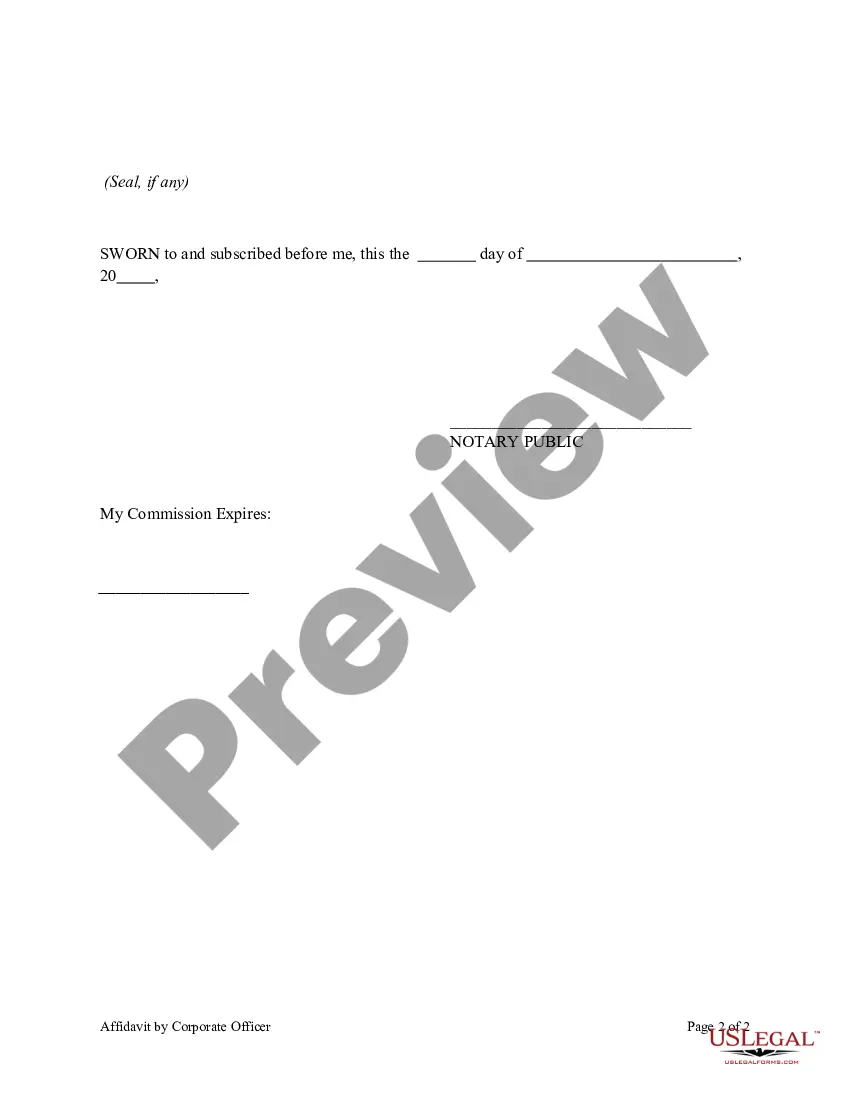
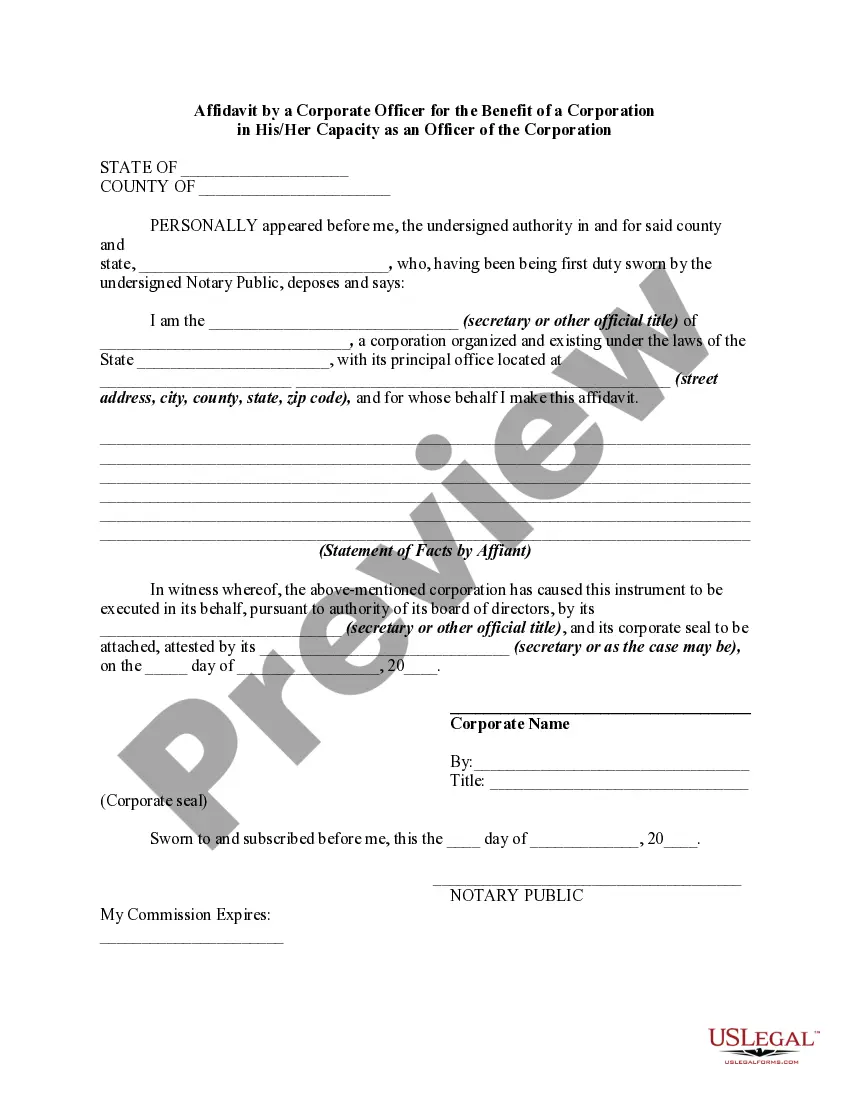
Get your form ready online
Our built-in tools help you complete, sign, share, and store your documents in one place.
Make edits, fill in missing information, and update formatting in US Legal Forms—just like you would in MS Word.
Download a copy, print it, send it by email, or mail it via USPS—whatever works best for your next step.
Sign and collect signatures with our SignNow integration. Send to multiple recipients, set reminders, and more. Go Premium to unlock E-Sign.
If this form requires notarization, complete it online through a secure video call—no need to meet a notary in person or wait for an appointment.
We protect your documents and personal data by following strict security and privacy standards.

Make edits, fill in missing information, and update formatting in US Legal Forms—just like you would in MS Word.

Download a copy, print it, send it by email, or mail it via USPS—whatever works best for your next step.

Sign and collect signatures with our SignNow integration. Send to multiple recipients, set reminders, and more. Go Premium to unlock E-Sign.

If this form requires notarization, complete it online through a secure video call—no need to meet a notary in person or wait for an appointment.

We protect your documents and personal data by following strict security and privacy standards.
Looking for another form?


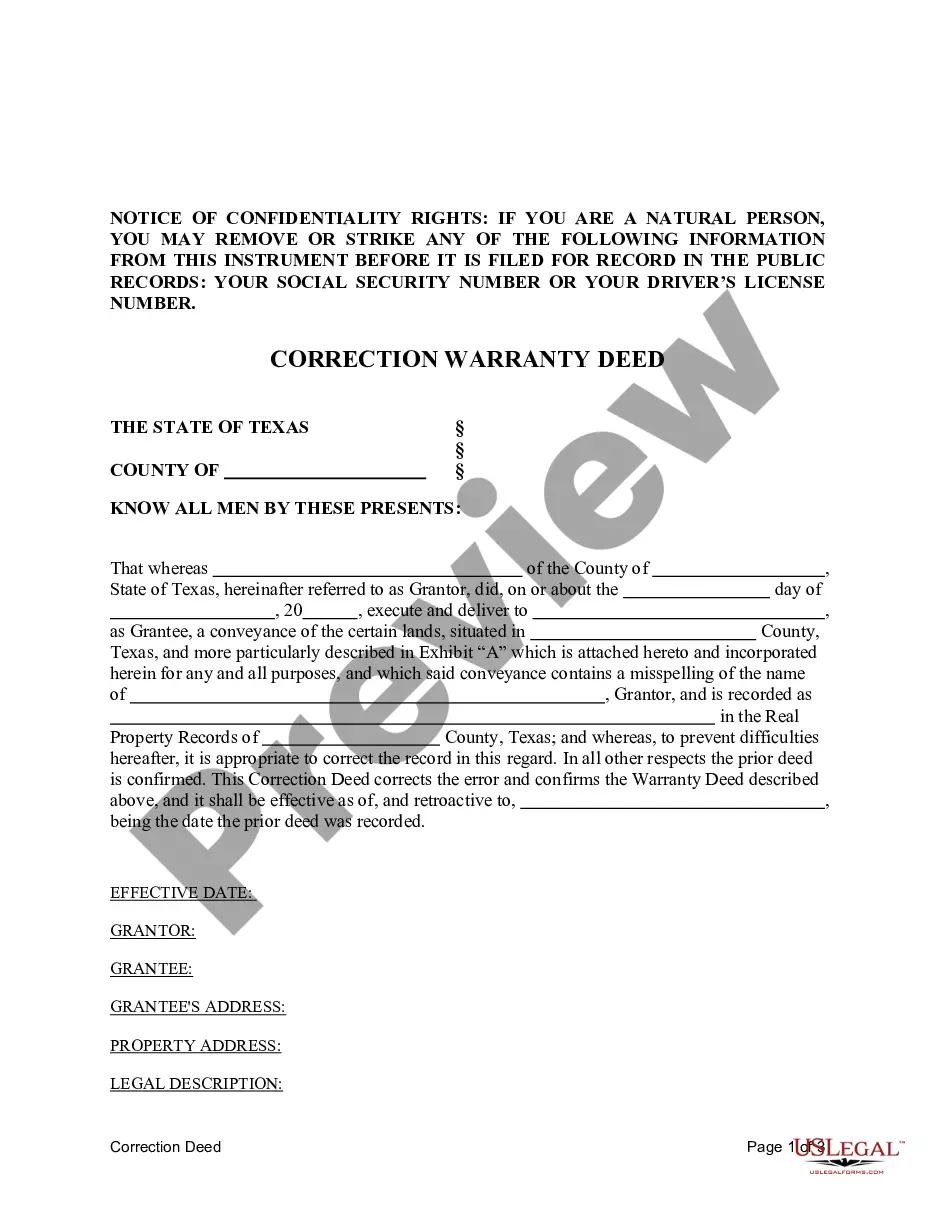






Form popularity
FAQ
How long is a notary public commission valid? A notary public commission is valid from the time the person qualified before the Clerk of the Circuit Court until four years from the date the commission was issued. The expiration date is shown on each commission.
Applications for Notary Public Commission can be obtained from the Secretary of State's website. Once your application has been submitted and approved, you will be notified by the Secretary of State's office to appear before the Clerk of the Circuit Court to take the oath of office and receive your Notary Commission.
This state-approved online Notary education and examination fulfill Maryland's state requirement for all new Notary applicants.
Steps, Requirements, and Documents Must be 18 years old, of good character, of known good character, integrity and abilities. Must be living or working in the State of Maryland. A copy of Driver's License or MVA State Identification Card that has current address.
The important thing is that you are located in Maryland since that is where you are authorized to act as a Notary Public. If you are commissioned as a Notary Public in a state other than Maryland, you cannot use your Maryland notary seal when notarizing in that other state.
New York. New York has one of the toughest tests to become a Notary. The Empire State requires Notary applicants to take and pass an exam in order to receive a commission. However, the state does not require any training so applicants are on their own to learn the material covered in the exam.
Becoming a notary in Maryland isn't just about stamping documents; it requires a keen understanding of state laws and responsibilities. With a growing demand for notarial services, many individuals are exploring this profession as a viable career path.
However, some businesses that need notaries, such as law firms, title companies, and banks, rely on them constantly. Think about it: any organization handling important agreements, financial transactions, or legal documents will likely have a steady need for a notary public's expertise.
