Notary Public Certification In Texas In Maricopa
Description

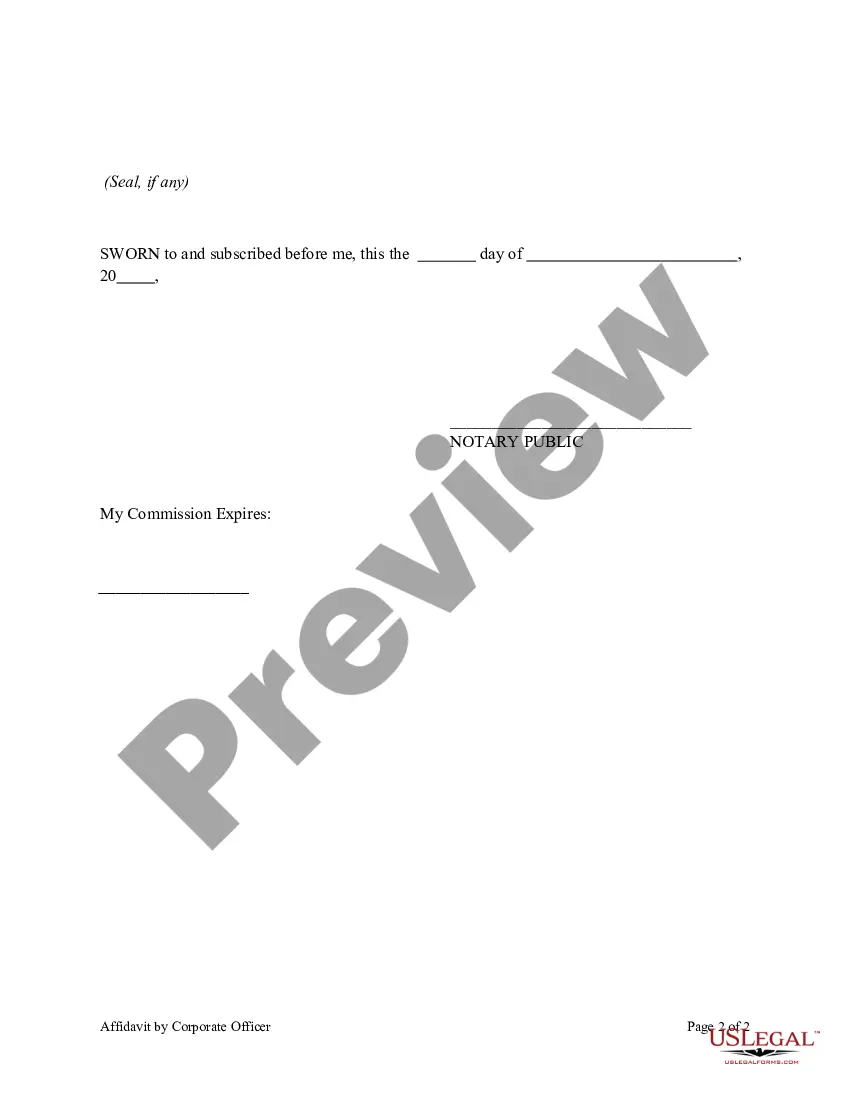
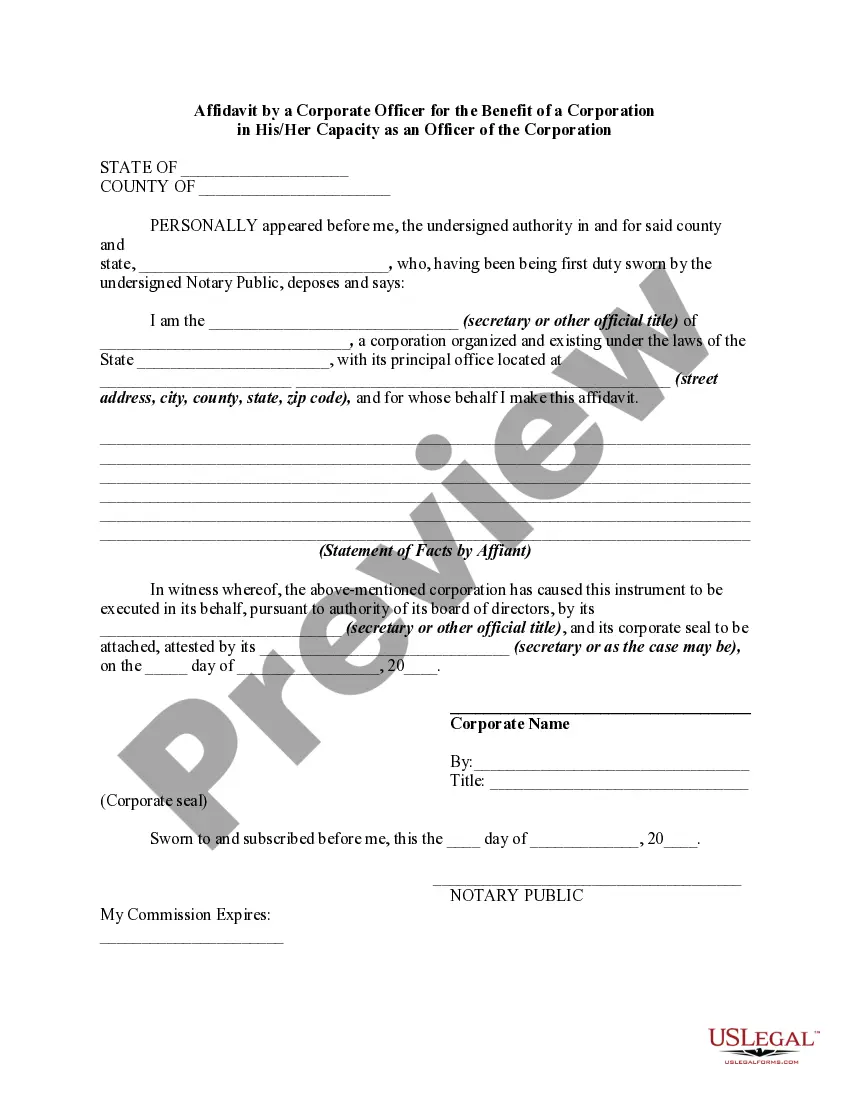
Get your form ready online
Our built-in tools help you complete, sign, share, and store your documents in one place.
Make edits, fill in missing information, and update formatting in US Legal Forms—just like you would in MS Word.
Download a copy, print it, send it by email, or mail it via USPS—whatever works best for your next step.
Sign and collect signatures with our SignNow integration. Send to multiple recipients, set reminders, and more. Go Premium to unlock E-Sign.
If this form requires notarization, complete it online through a secure video call—no need to meet a notary in person or wait for an appointment.
We protect your documents and personal data by following strict security and privacy standards.

Make edits, fill in missing information, and update formatting in US Legal Forms—just like you would in MS Word.

Download a copy, print it, send it by email, or mail it via USPS—whatever works best for your next step.

Sign and collect signatures with our SignNow integration. Send to multiple recipients, set reminders, and more. Go Premium to unlock E-Sign.

If this form requires notarization, complete it online through a secure video call—no need to meet a notary in person or wait for an appointment.

We protect your documents and personal data by following strict security and privacy standards.
Looking for another form?

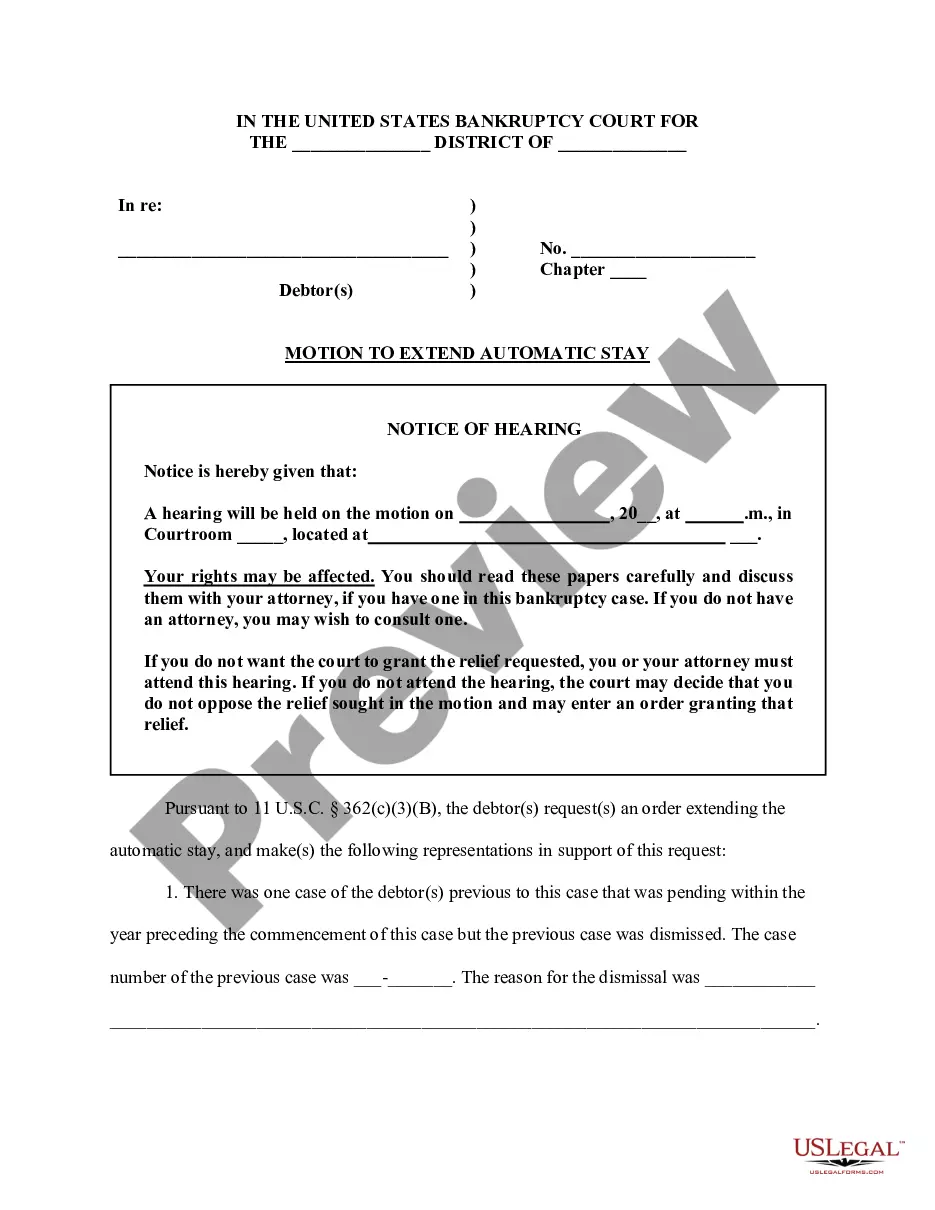
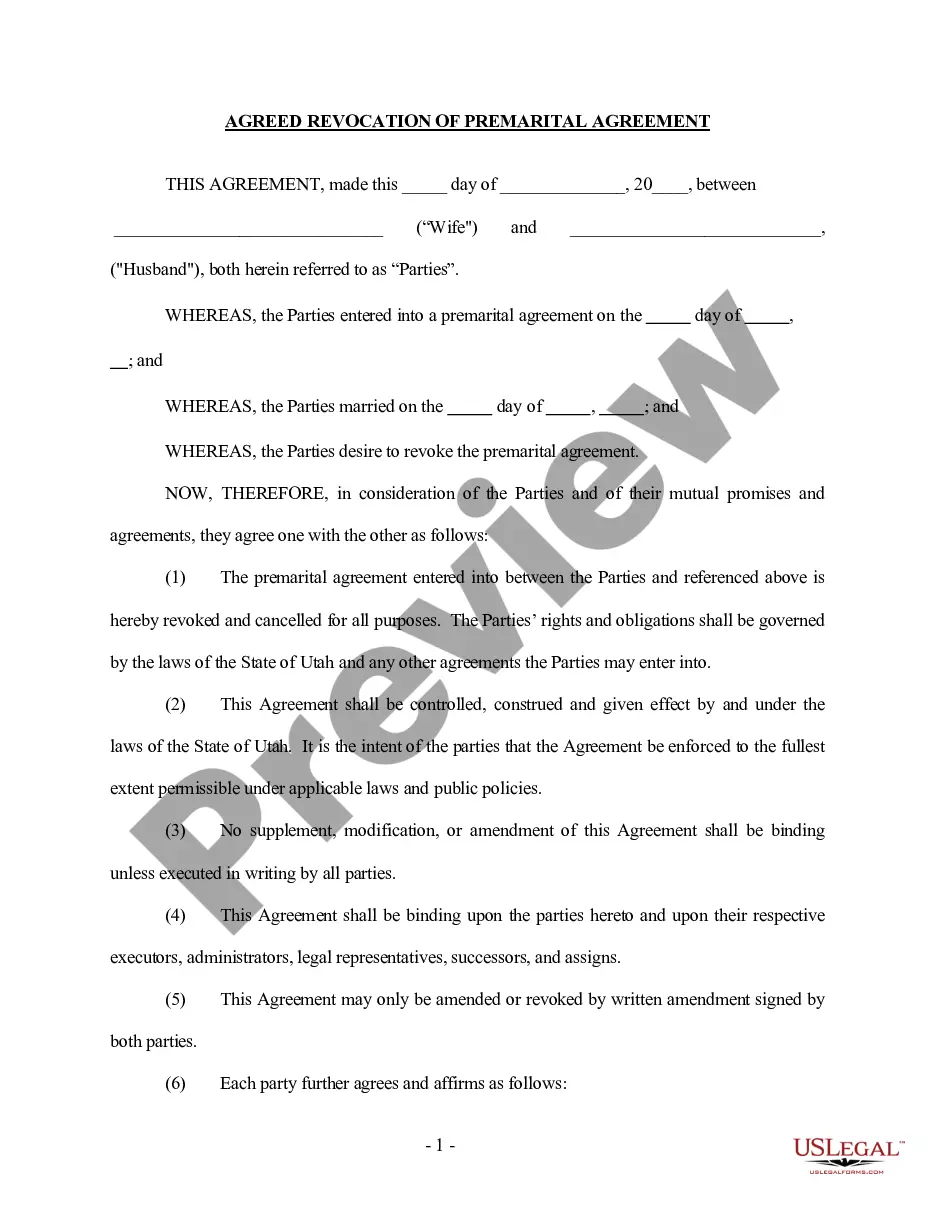




Form popularity
FAQ
One of the most common mistakes that notaries make is not printing or signing their name exactly as it appears on their notary commission.
Every entry in a Texas Notary Public Recordbook is required to contain: The date of the document being signed. The date the notarization occurred. Brief description of the document. The name of the signer (or person who's signature or mark you are notarizing) The address of the signer.
Given under my hand and seal of office this day of , (year). This instrument was acknowledged before me on (date) by (name or names of person or persons acknowledging). This instrument was acknowledged before me on (date) by (name of attorney-in- fact) as attorney-in-fact on behalf of (name of principal).
An online notary public is a commissioned notary public in the State of Texas who has the authority to perform a remote notarization using an audio-visual conference rather than having the individual physically appear before the notary at the time of the notarization.
Become a Notary Public be 18 years of age or older (there is no maximum age set by statute) be a legal California resident. complete a course of study approved by the Secretary of State. satisfactorily complete and pass a written examination prescribed by the Secretary of State. clear a background check.
The short answer is yes, notary publics are legally allowed to notarize documents from any state as long the notarial act is conducted within the geographical boundaries of the notary's state of commission.
Becoming a notary here in Texas requires no training or fingerprints. You basically file your bond with your application and are automatically issued a commission, and your oath isn't filed anywhere, you keep it. Essentially, anyone who has $100 can become a notary in a few weeks.
California. California has some of the most stringent application requirements for Notaries in the U.S. — including a required education course and background check — and the mandatory exam is among the most challenging in any state.
How long does it take to become a notary in Texas? After you complete your application, it can take 30 days to receive your commission certification from the Texas Secretary of State and another 10 days to receive your customized notary stamp from us after we get a copy of your commission.
