Notary Application In Virginia In Los Angeles
Description

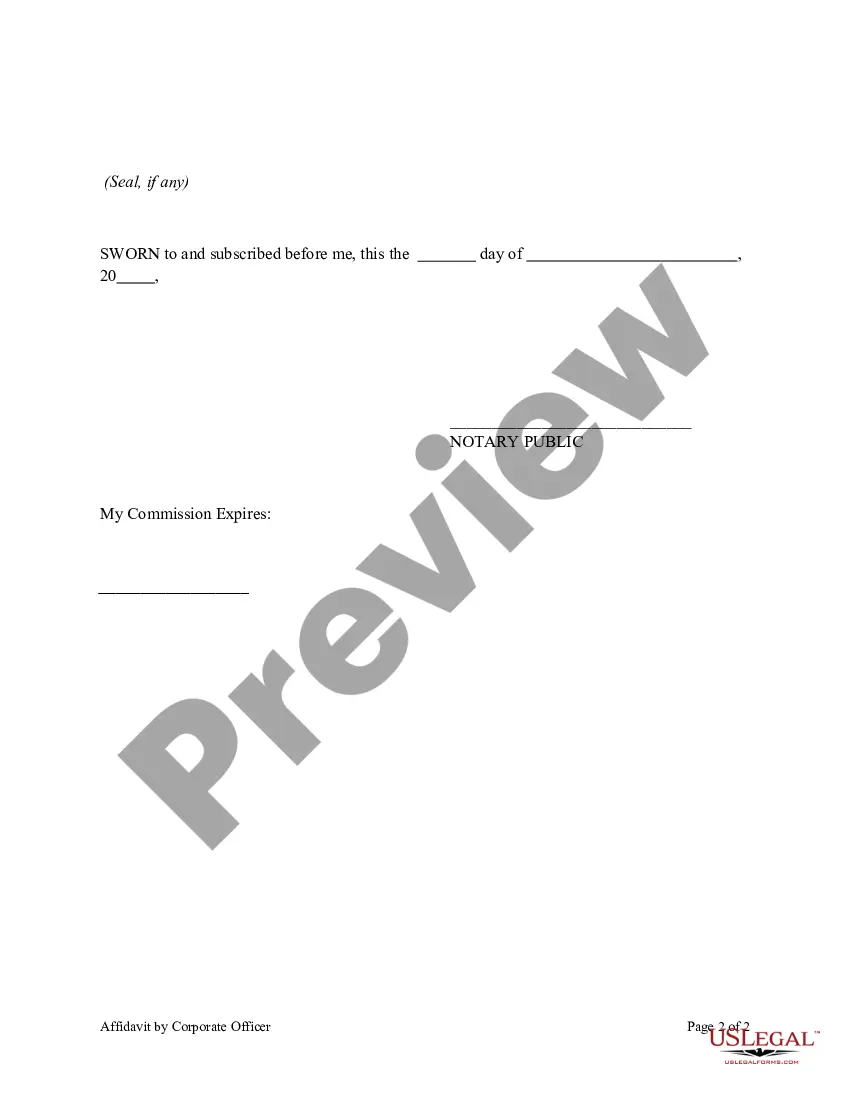
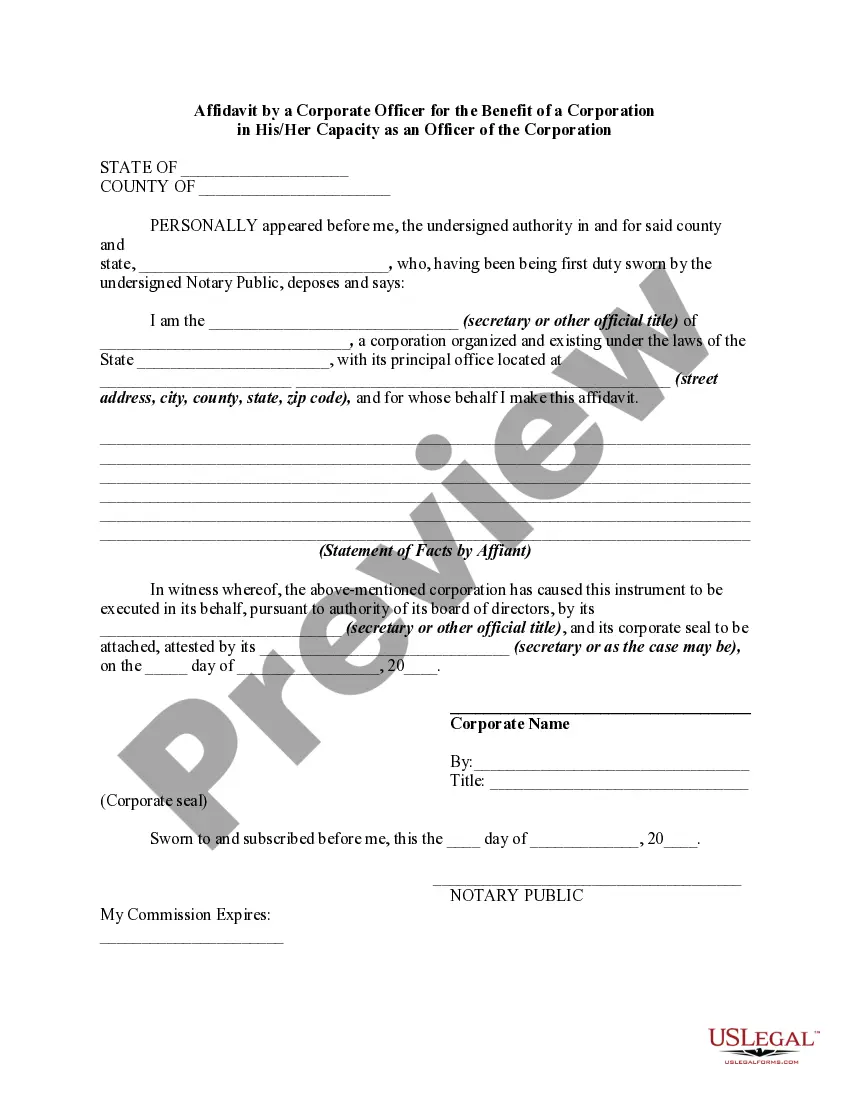
Get your form ready online
Our built-in tools help you complete, sign, share, and store your documents in one place.
Make edits, fill in missing information, and update formatting in US Legal Forms—just like you would in MS Word.
Download a copy, print it, send it by email, or mail it via USPS—whatever works best for your next step.
Sign and collect signatures with our SignNow integration. Send to multiple recipients, set reminders, and more. Go Premium to unlock E-Sign.
If this form requires notarization, complete it online through a secure video call—no need to meet a notary in person or wait for an appointment.
We protect your documents and personal data by following strict security and privacy standards.

Make edits, fill in missing information, and update formatting in US Legal Forms—just like you would in MS Word.

Download a copy, print it, send it by email, or mail it via USPS—whatever works best for your next step.

Sign and collect signatures with our SignNow integration. Send to multiple recipients, set reminders, and more. Go Premium to unlock E-Sign.

If this form requires notarization, complete it online through a secure video call—no need to meet a notary in person or wait for an appointment.

We protect your documents and personal data by following strict security and privacy standards.
Looking for another form?

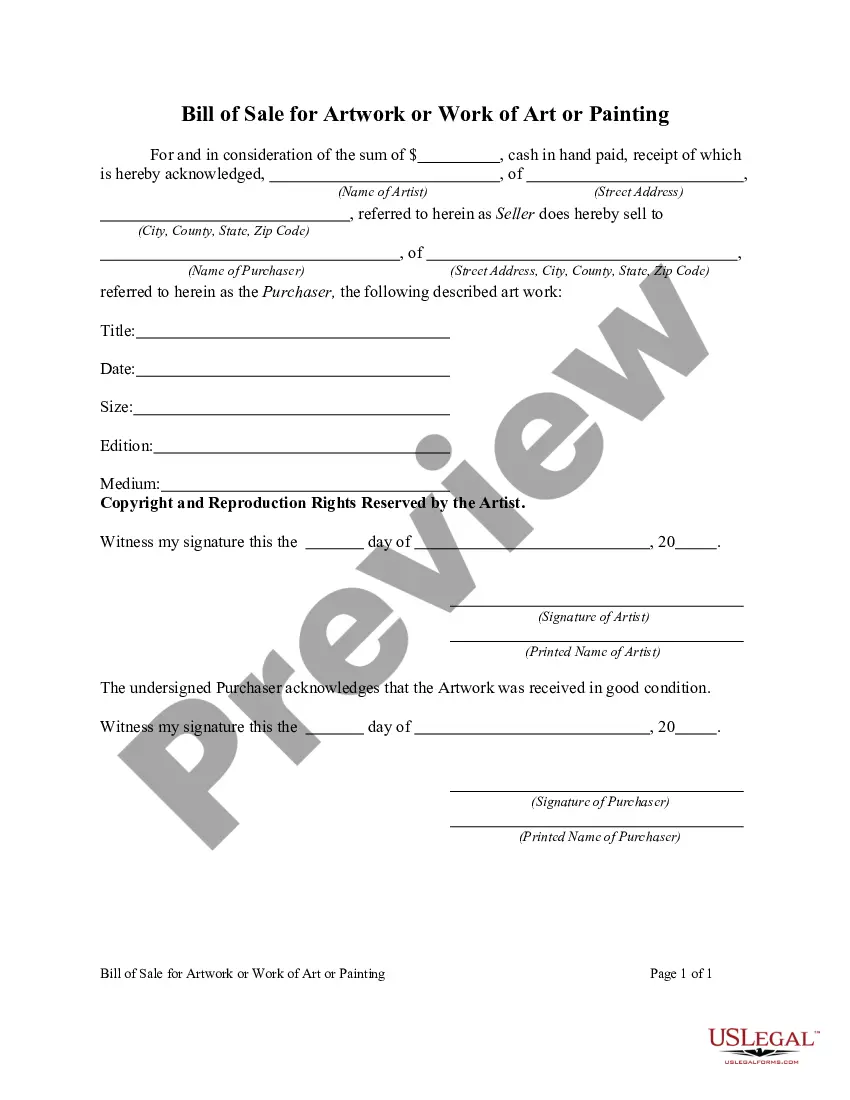




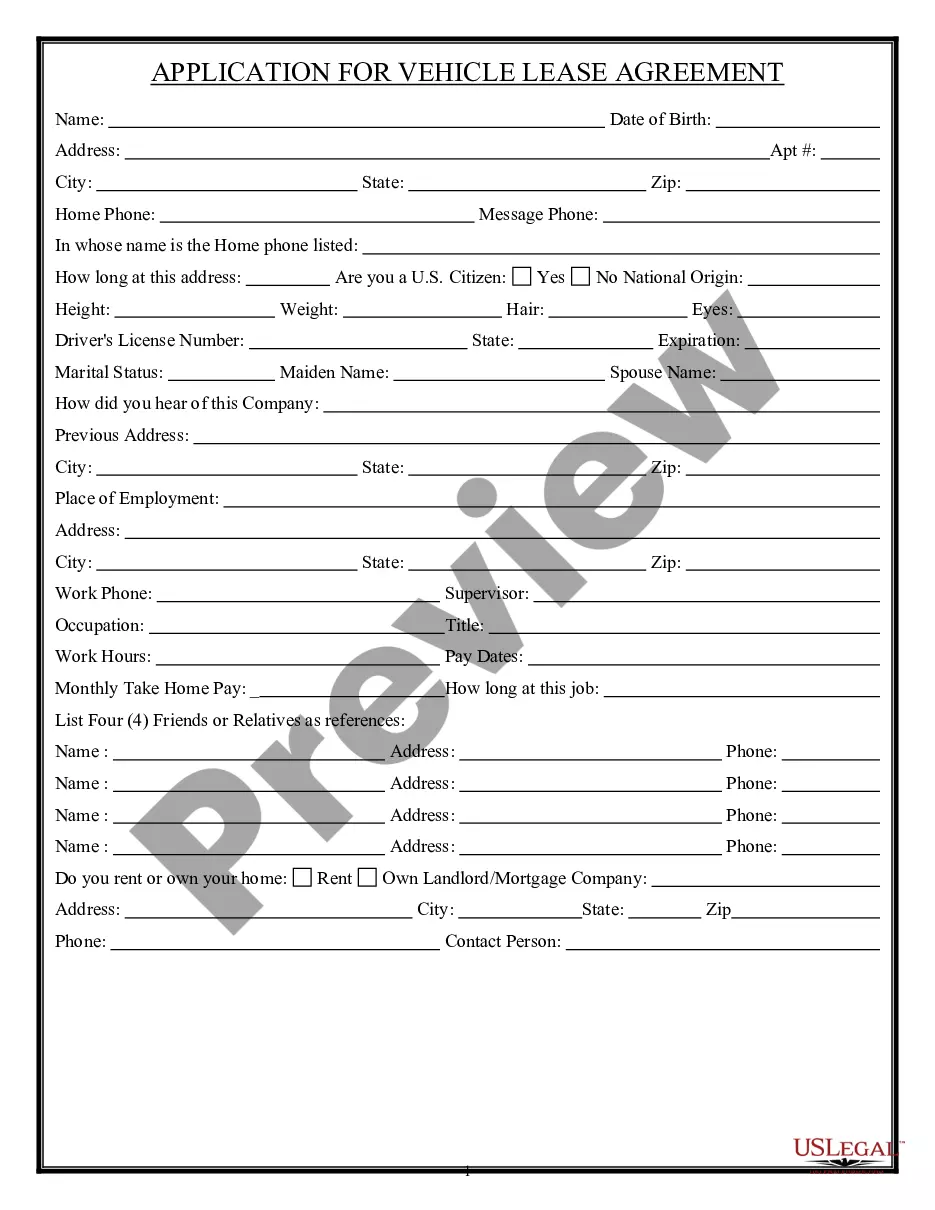



Form popularity
FAQ
The short answer is "yes" to both: (1) electronic notarization is available in Virginia, but it requires certain technological capabilities and a notary who has obtained an additional certification, and (2) a notary may remotely witness a signature in Virginia, provided certain requirements are met.
No person who has ever been convicted of a felony under the laws of the United States, the Commonwealth of Virginia, or the laws of any other state, qualify to be appointed and commissioned as a notary public unless such person has had their civil rights restored or received a pardon for the crimes –depending on where ...
The signer must appear before the notary. The notary must identify the signer. The signer must take an oath or affirmation in the notary's presence and verbally confirm the document's truthfulness (silent nods are not sufficient). The document must be signed by the signer in the notary's presence.
The Easy Answer: Yes, You May Notarize Out-Of-State Documents.
To be eligible to apply for a Virginia Notary Public Commission, you must be: At least eighteen years old. A legal resident of the United States. Able to read and write the English language. A resident of Virginia or regularly employed in the state and perform notary services in connection with their employment.
The short answer is yes, notary publics are legally allowed to notarize documents from any state as long the notarial act is conducted within the geographical boundaries of the notary's state of commission.
Virginia law recognizes electronic signatures as valid. Virginia's version of the Uniform Electronic Transactions Act, which is set forth in Virginia Code Sections 59.1-479 through 59.1-498, provides that an electronic signature will suffice when the law requires a document to be signed.
