Notary Public Certification In Louisiana In King
Description

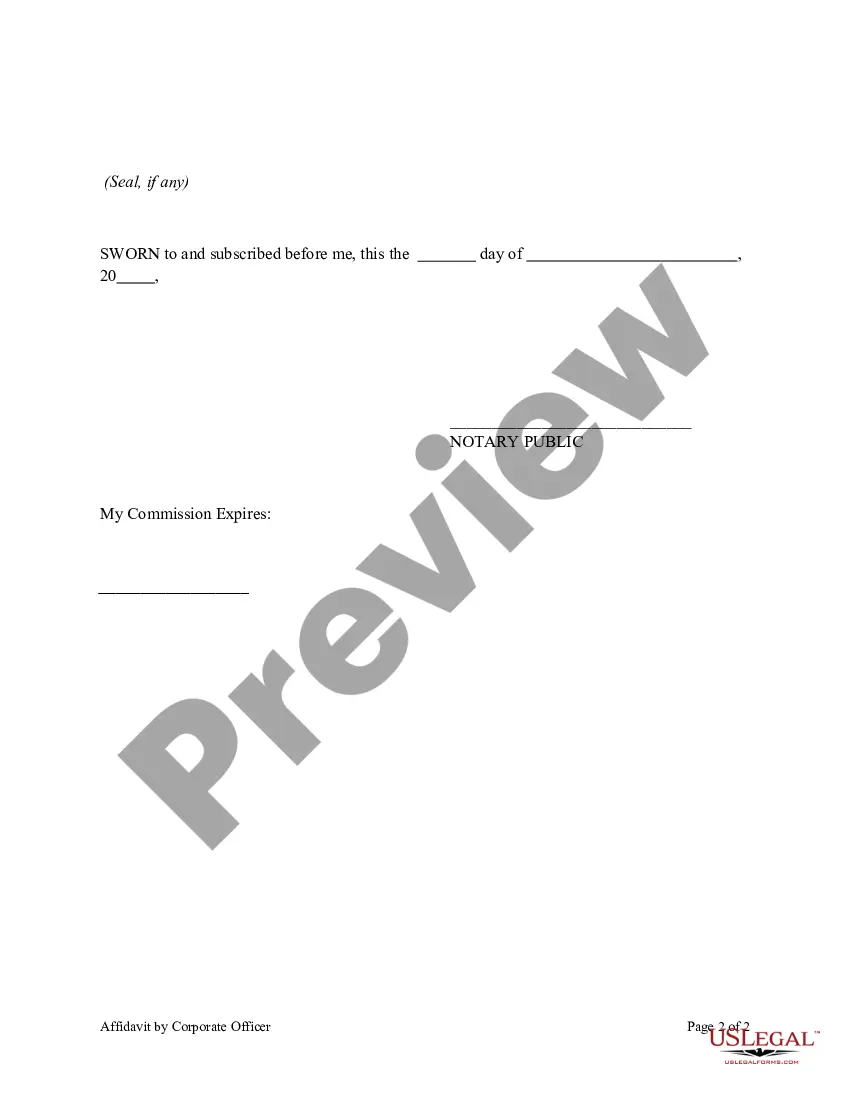
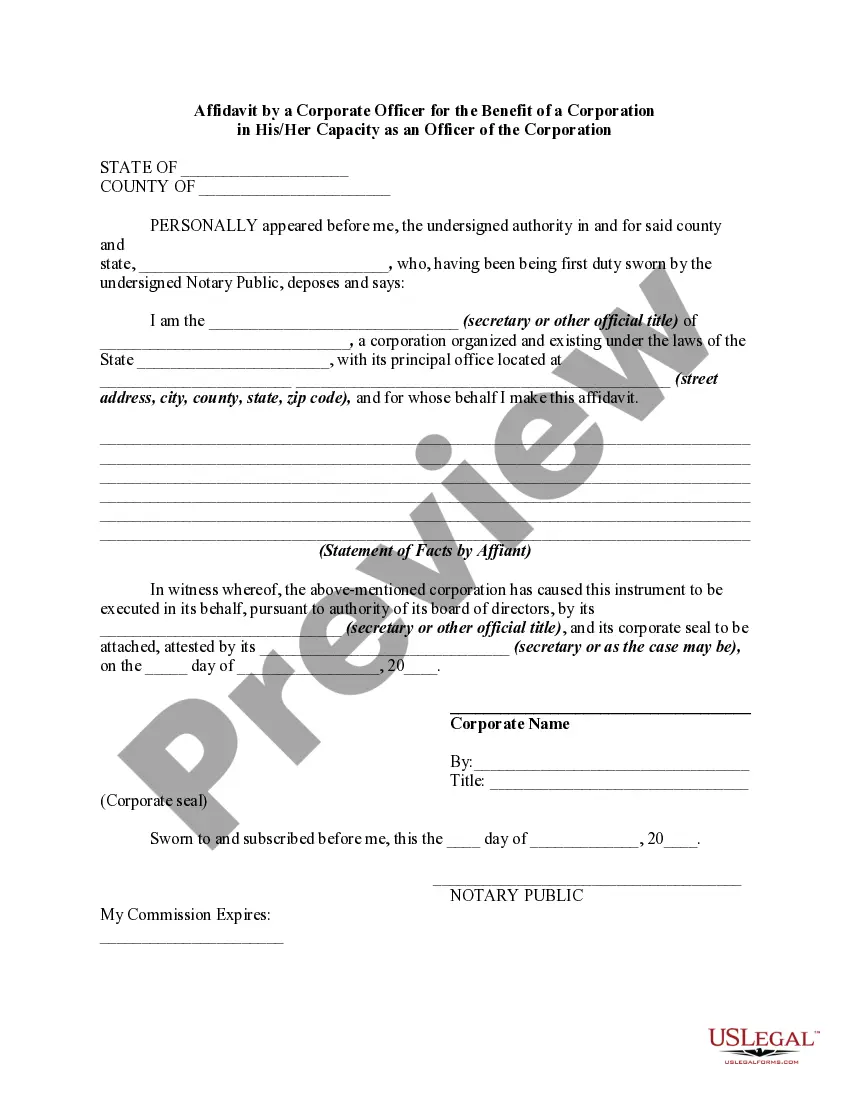
Get your form ready online
Our built-in tools help you complete, sign, share, and store your documents in one place.
Make edits, fill in missing information, and update formatting in US Legal Forms—just like you would in MS Word.
Download a copy, print it, send it by email, or mail it via USPS—whatever works best for your next step.
Sign and collect signatures with our SignNow integration. Send to multiple recipients, set reminders, and more. Go Premium to unlock E-Sign.
If this form requires notarization, complete it online through a secure video call—no need to meet a notary in person or wait for an appointment.
We protect your documents and personal data by following strict security and privacy standards.

Make edits, fill in missing information, and update formatting in US Legal Forms—just like you would in MS Word.

Download a copy, print it, send it by email, or mail it via USPS—whatever works best for your next step.

Sign and collect signatures with our SignNow integration. Send to multiple recipients, set reminders, and more. Go Premium to unlock E-Sign.

If this form requires notarization, complete it online through a secure video call—no need to meet a notary in person or wait for an appointment.

We protect your documents and personal data by following strict security and privacy standards.
Looking for another form?






Form popularity
FAQ
Non-attorney notaries can have one additional commission in a parish where they have an office location. Non-attorney notaries who have passed the statewide exam are allowed to notarize anywhere in the state, but must hold their commission in the parish where they reside.
Passing the Louisiana Notary examination is not easy, but paralegals with a good command of real estate law who properly prepare can obtain their notary commission.
A notary must be a resident citizen (registered to vote in the parish of residence) or alien of the state, 18 years of age or older, and take and pass the statewide standardized exam administered by the Secretary of State. Anyone licensed to practice law in the state is exempt from the test. See Louisiana R.S. 1.
Louisiana. Because of Louisiana's unique civil law codes, the state's Notaries have duties and testing requirements different and more difficult than any other state in the U.S. Applicants must take and pass the statewide Notary examination but are exempted if they are attorneys licensed to practice law in Louisiana.
Final answer: The four elements of a notarial certificate are the venue, the certificate of acknowledgment, the notary seal, and the notary signature and date of notarization.
Each state has different requirements for the wording on a notarial certificate. In most states, the notarial certificate must contain the venue, the words “acknowledged before me,” a statement that the signer “executed the instrument for the purposes stated therein,” and the notary's signature and seal.
Before me, the undersigned, a Notary Public in and for the State of Texas, on this day personally appeared name , title of corporation name , known to me to be the person whose name is subscribed to the foregoing instrument, and acknowledged to me that he/she executed it as the act of corporation name , ...
An Acknowledgement of Signature or Acknowledgement of Execution is a notary which verifies that a particular person signed a given document. It is often used for legal agreements, business documents, etc.
One of the most common mistakes that notaries make is not printing or signing their name exactly as it appears on their notary commission.
The fact that it is an open book exam. And what does that mean. So if you want to hear more aboutMoreThe fact that it is an open book exam. And what does that mean. So if you want to hear more about that concept of taking an exam with an open book stay tuned and I'm fixing to talk about. That.
