Notary Application For Maryland In Cuyahoga
Description

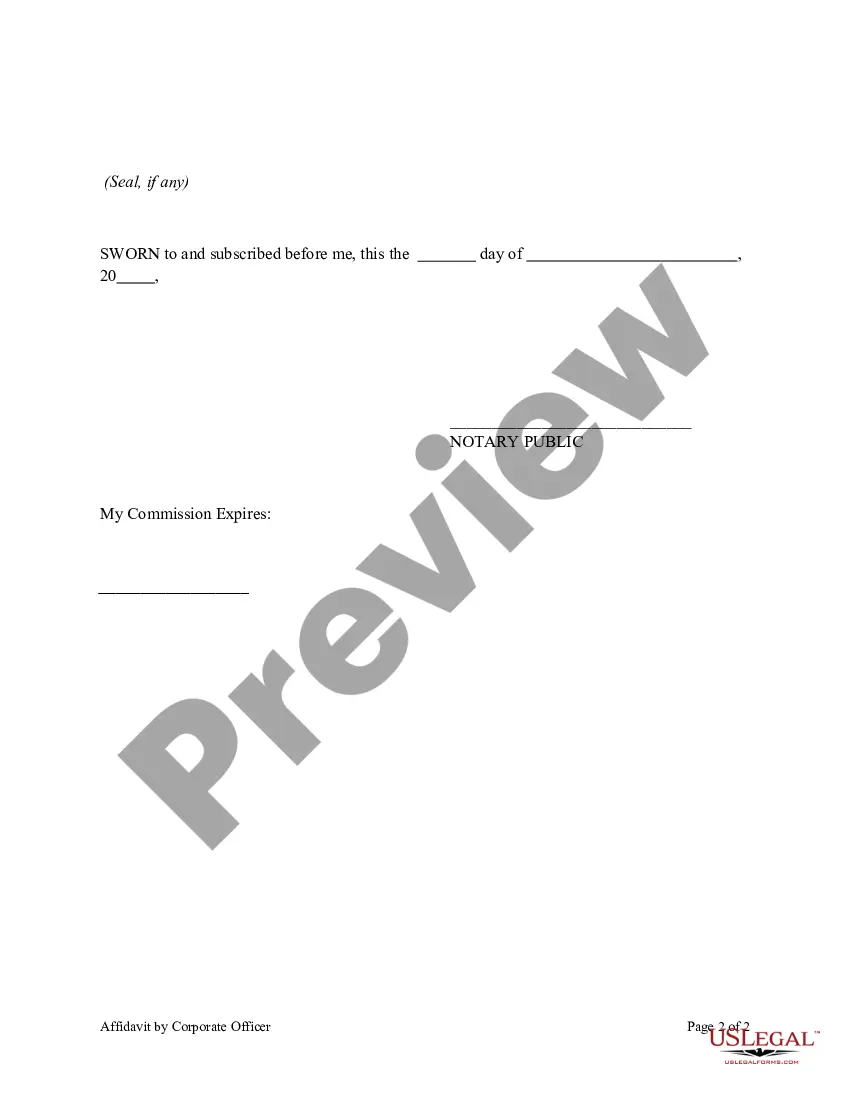
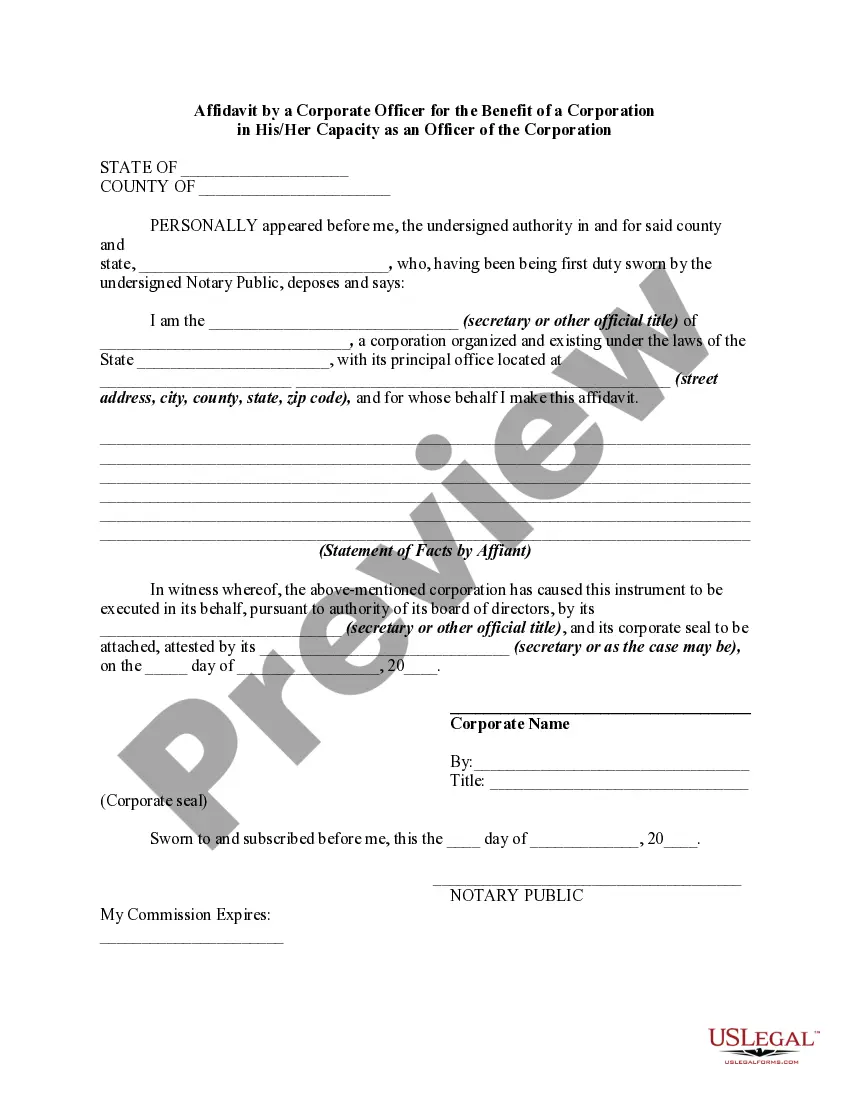
Get your form ready online
Our built-in tools help you complete, sign, share, and store your documents in one place.
Make edits, fill in missing information, and update formatting in US Legal Forms—just like you would in MS Word.
Download a copy, print it, send it by email, or mail it via USPS—whatever works best for your next step.
Sign and collect signatures with our SignNow integration. Send to multiple recipients, set reminders, and more. Go Premium to unlock E-Sign.
If this form requires notarization, complete it online through a secure video call—no need to meet a notary in person or wait for an appointment.
We protect your documents and personal data by following strict security and privacy standards.

Make edits, fill in missing information, and update formatting in US Legal Forms—just like you would in MS Word.

Download a copy, print it, send it by email, or mail it via USPS—whatever works best for your next step.

Sign and collect signatures with our SignNow integration. Send to multiple recipients, set reminders, and more. Go Premium to unlock E-Sign.

If this form requires notarization, complete it online through a secure video call—no need to meet a notary in person or wait for an appointment.

We protect your documents and personal data by following strict security and privacy standards.
Looking for another form?


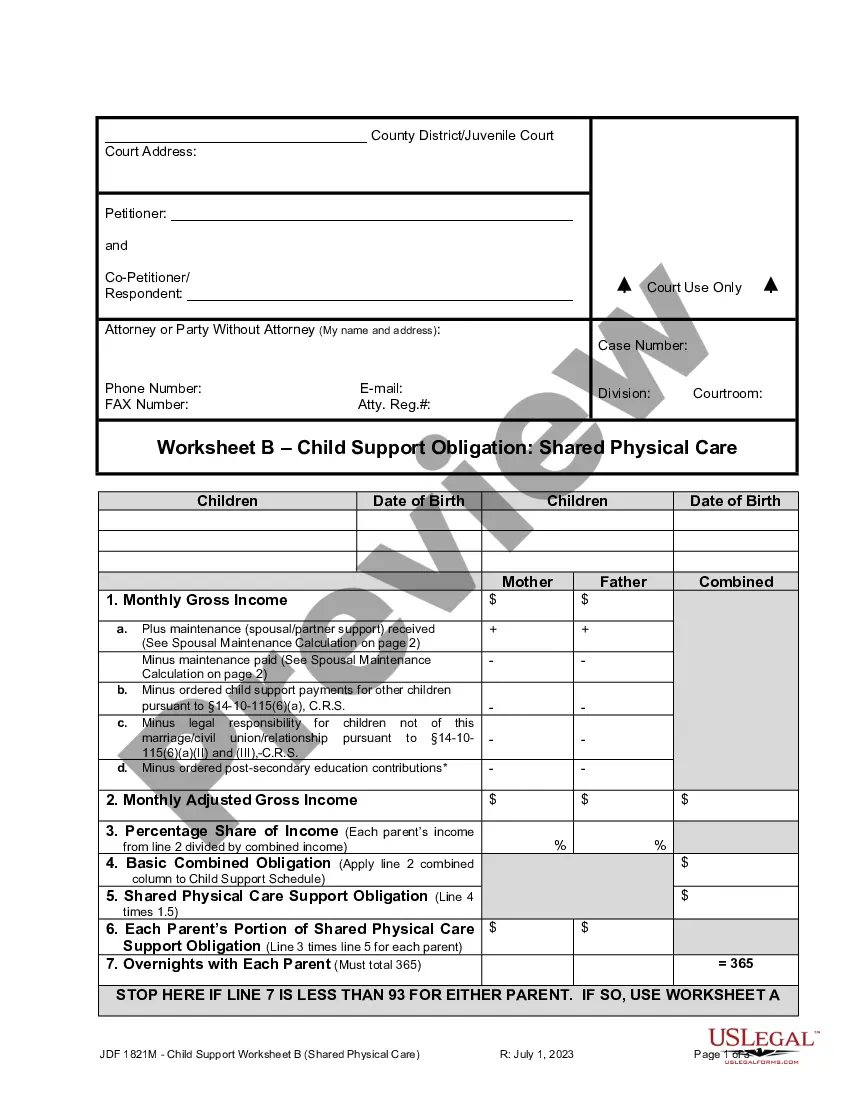


Form popularity
FAQ
Applications for Notary Public Commission can be obtained from the Secretary of State's website. Once your application has been submitted and approved, you will be notified by the Secretary of State's office to appear before the Clerk of the Circuit Court to take the oath of office and receive your Notary Commission.
Yes. Maryland allows Notaries who hold commissions for online notarization to conduct Remote Online Notarization (RON) services. The legalization of Remote Online Notarization in Maryland was established through Senate Bill 678, which became permanent in October 2020.
State government regulations strictly bind notaries, restricting them to perform services only within the boundaries of their commission. BUT Notaries can notarize out-of-state documents if they follow the rules and requirements of their jurisdiction and state.
The important thing is that you are located in Maryland since that is where you are authorized to act as a Notary Public. If you are commissioned as a Notary Public in a state other than Maryland, you cannot use your Maryland notary seal when notarizing in that other state.
To become an Ohio Notary, you must complete the following steps: Meet the state's requirements. Get a criminal records check. Take the required Notary training course and pass the exam. Complete the application on the SOS website. Receive your commission via email. Buy your official Ohio Notary stamp.
Applications for Notary Public Commission can be obtained from the Secretary of State's website. Once your application has been submitted and approved, you will be notified by the Secretary of State's office to appear before the Clerk of the Circuit Court to take the oath of office and receive your Notary Commission.
Failure to appear within 30 days will result in revocation of your commission. Complete ApplicationApplication Determination New notary application 15 minutes 2-14 days Renewal notary application 10 minutes 1-3 days Remote notary notification form 5 minutes 1-3 days
Current Status of Remote Notarization Currently, 47 states and the District of Columbia have a law that allows for remote e-notarization (see list below). A number of these states have developed rules or regulations, and others are in the process of doing so.
Online notary is legal in Maryland under Maryland Code, Article-State Gov't § 18-201. Maryland law also recognizes and accepts online notarizations performed by out-of-state notaries under their state rules. (See Maryland State Government Section 19-103.)
