Notarized Document Without Signature In Broward
Description

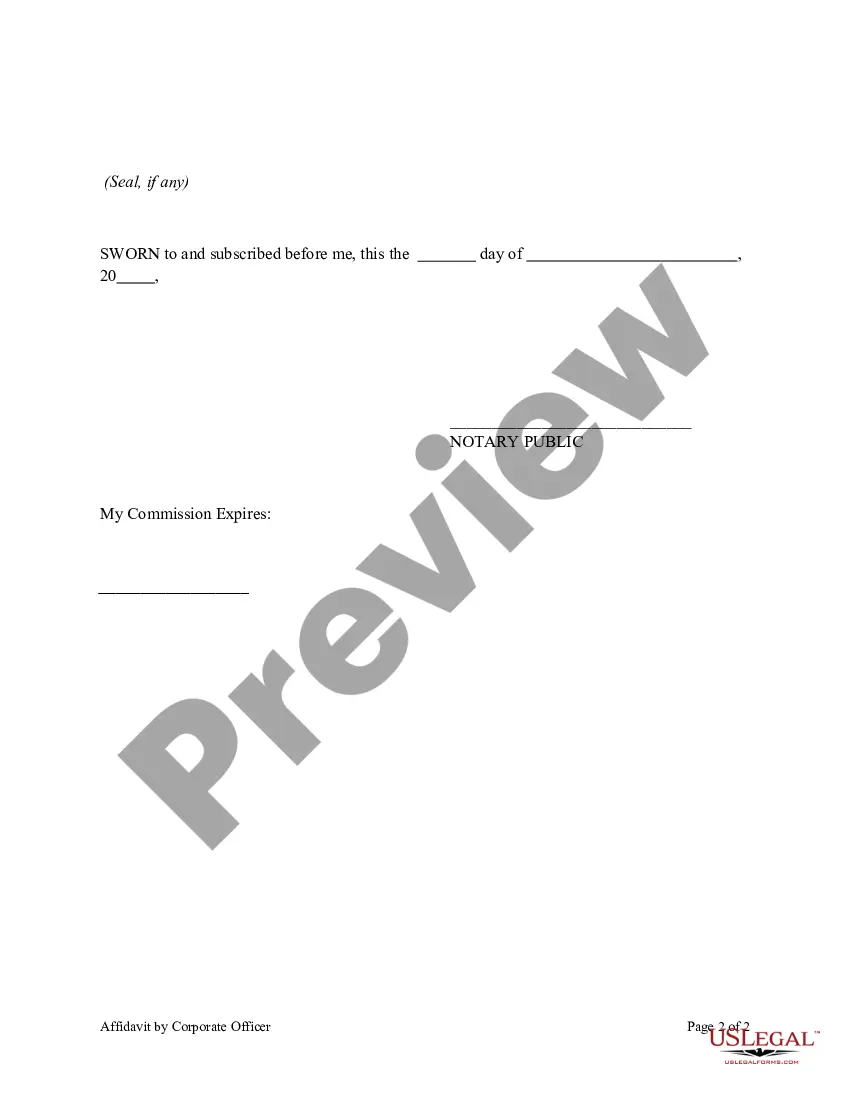
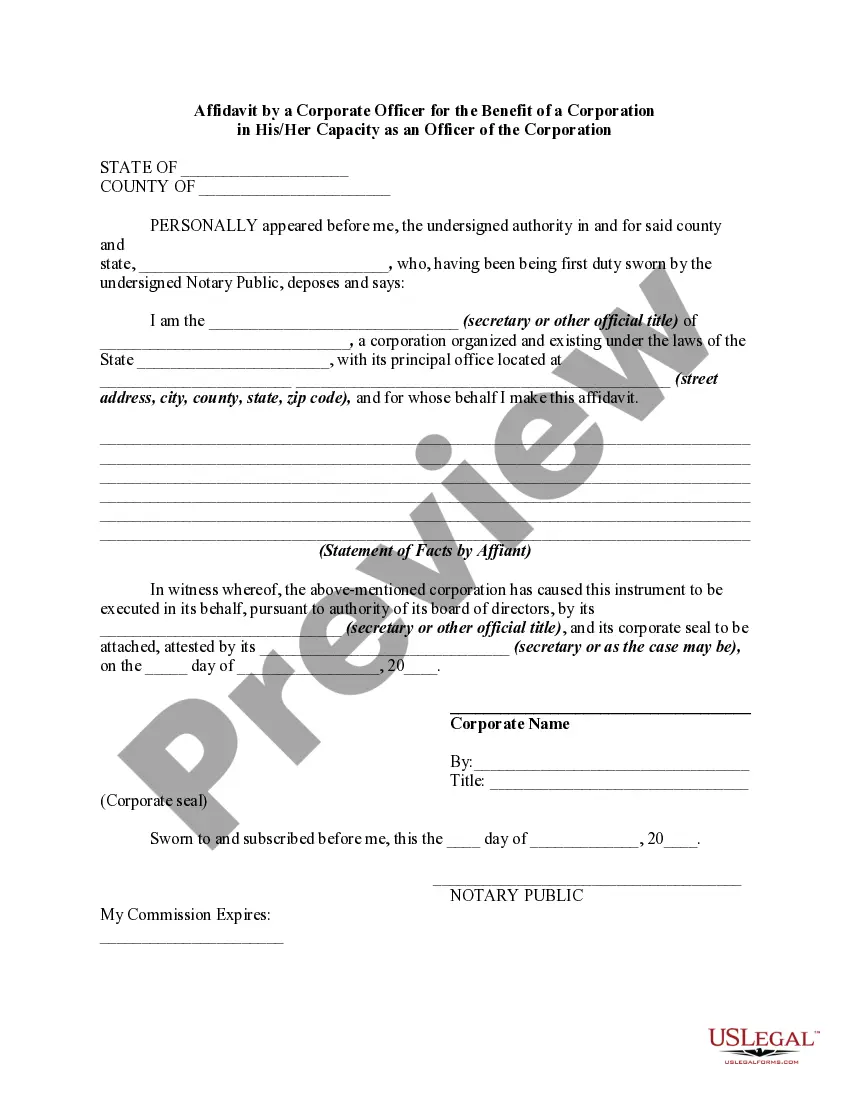
Get your form ready online
Our built-in tools help you complete, sign, share, and store your documents in one place.
Make edits, fill in missing information, and update formatting in US Legal Forms—just like you would in MS Word.
Download a copy, print it, send it by email, or mail it via USPS—whatever works best for your next step.
Sign and collect signatures with our SignNow integration. Send to multiple recipients, set reminders, and more. Go Premium to unlock E-Sign.
If this form requires notarization, complete it online through a secure video call—no need to meet a notary in person or wait for an appointment.
We protect your documents and personal data by following strict security and privacy standards.

Make edits, fill in missing information, and update formatting in US Legal Forms—just like you would in MS Word.

Download a copy, print it, send it by email, or mail it via USPS—whatever works best for your next step.

Sign and collect signatures with our SignNow integration. Send to multiple recipients, set reminders, and more. Go Premium to unlock E-Sign.

If this form requires notarization, complete it online through a secure video call—no need to meet a notary in person or wait for an appointment.

We protect your documents and personal data by following strict security and privacy standards.
Looking for another form?








Form popularity
FAQ
Each clerk's office has a Notary who can notarize court-related documents during business hours. You may also use a private notary. Many banks, insurance firms, law firms, and real estate offices have notaries available.
Florida has new notary laws that went into effect January 1, 2020. Remote notarization is now permitted. A notary will no longer have to physically (in person) witness the person sign the instrument requiring notarization, but instead notarization can be done through a video feed and record.
Florida Notary Public Updates Yes, as a notary public you can notarize handwritten documents, in certain circumstances.
(1) Any document requiring notarization may be notarized electronically. The provisions of ss. 117.01, 117.03, 117.04, 117.05(1)-(11), (13), and (14), 117.105, and 117.107 apply to all notarizations under this section.
Ing to Chapter 117, F.S., copies of public records, such as the records listed below, CANNOT be attested to by a Florida Notary Public: Any document for which photocopying is prohibited. Birth Certificate. Certificate of Citizenship or Naturalization.
One of the most common mistakes that notaries make is not printing or signing their name exactly as it appears on their notary commission.
Each clerk's office has a Notary who can notarize court-related documents during business hours. You may also use a private notary. Many banks, insurance firms, law firms, and real estate offices have notaries available.
The document signer must be present and competent to execute the document. The signer must be personally known to you or produce appropriate identification.
“A notary public may not notarize a signature on a document unless he or she personally knows, or has satisfactory evidence, that the person whose signature is to be notarized is the individual who is described in and who is executing the instrument.
