Notary Application For Sc In Alameda
Description

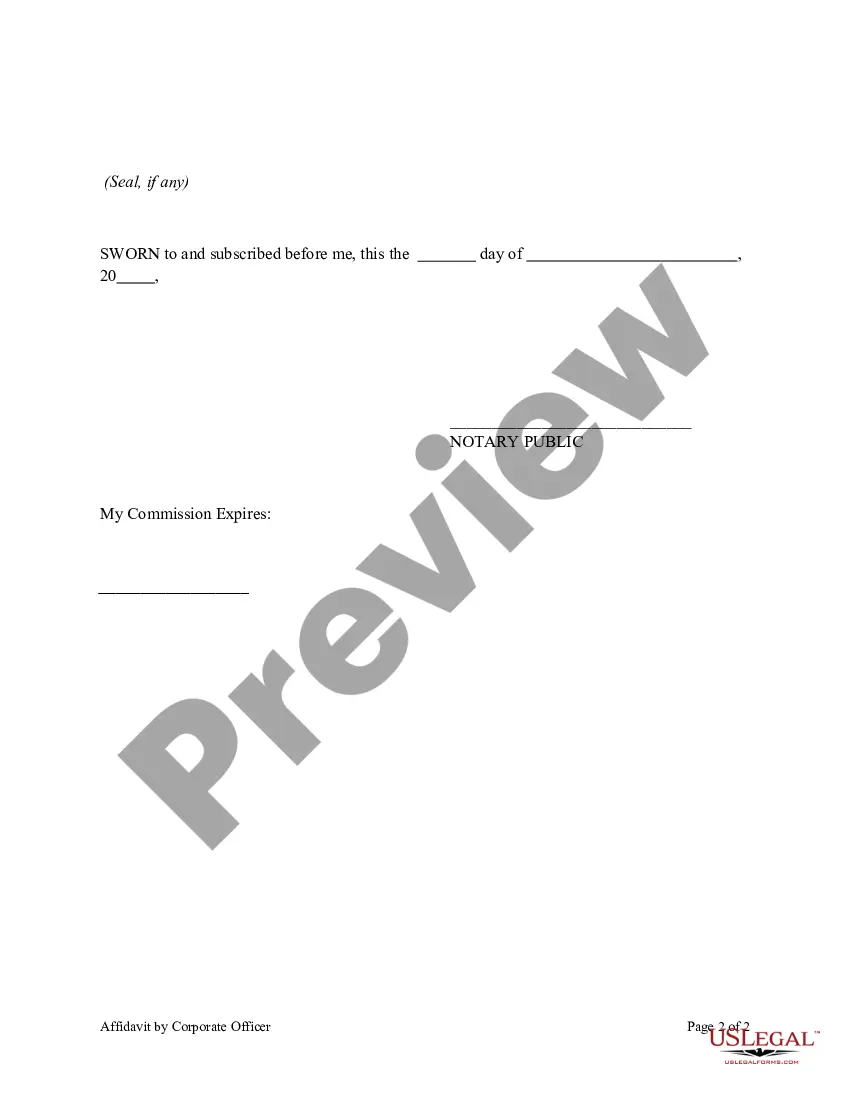
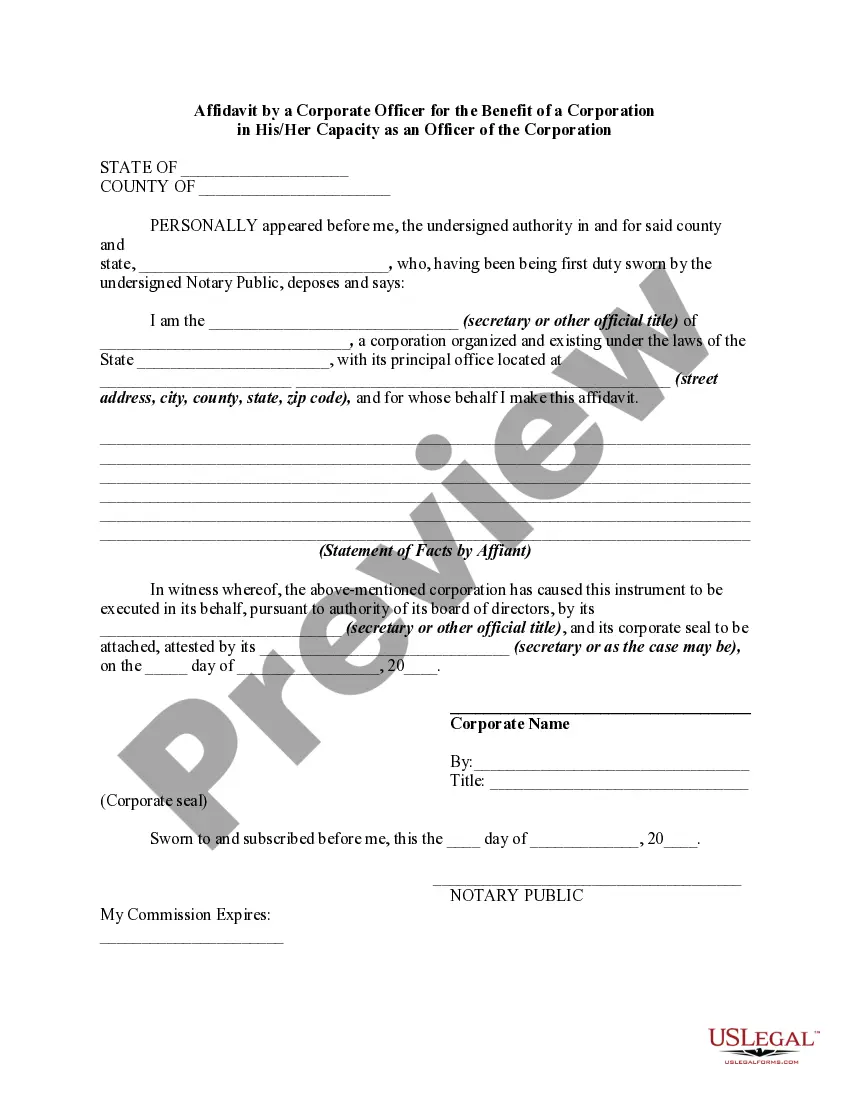
Get your form ready online
Our built-in tools help you complete, sign, share, and store your documents in one place.
Make edits, fill in missing information, and update formatting in US Legal Forms—just like you would in MS Word.
Download a copy, print it, send it by email, or mail it via USPS—whatever works best for your next step.
Sign and collect signatures with our SignNow integration. Send to multiple recipients, set reminders, and more. Go Premium to unlock E-Sign.
If this form requires notarization, complete it online through a secure video call—no need to meet a notary in person or wait for an appointment.
We protect your documents and personal data by following strict security and privacy standards.

Make edits, fill in missing information, and update formatting in US Legal Forms—just like you would in MS Word.

Download a copy, print it, send it by email, or mail it via USPS—whatever works best for your next step.

Sign and collect signatures with our SignNow integration. Send to multiple recipients, set reminders, and more. Go Premium to unlock E-Sign.

If this form requires notarization, complete it online through a secure video call—no need to meet a notary in person or wait for an appointment.

We protect your documents and personal data by following strict security and privacy standards.
Looking for another form?






Form popularity
FAQ
California. California has some of the most stringent application requirements for Notaries in the U.S. — including a required education course and background check — and the mandatory exam is among the most challenging in any state.
The commission states the notary's name and term expiration date. The application process can take anywhere from 2-12 weeks, depending on the county in which the applicant resides.
To apply to become a South Carolina Notary Public or renew your notary commission, you must complete the paper application Notary Public Application and Renewal Application (PDF) to mail to your county delegation office or the House of Representatives if you do not have a delegation office in your county.
How to Fill Out the California Notary Public Application Your entire social security number or your unique taxpayer identification number. Your birthdate. Your driver's license number. Your full name. Your notary public commission name. The name of your business. The county where your business is located.
To make a notarized letter, begin with your contact details, create a clear message explaining the purpose of the letter. Include any legal language if necessary. Conclude with a formal closing and leave space for your signature. And that's how you write a statement that needs to be notarized.
Getting a document notarized is easier if you know what to expect. Here are the basics: 1. The signer must appear before the notary. 2. Fill out your form or document and bring it with you. But don't sign or date it. 3. Prove your identity with an acceptable form of identification. 4. Sign and date the documen.
A notarized letter should include the date, full names of all parties, specific addresses, the purpose of the letter, relevant dates and terms, signatures, and a formal tone with proper formatting.
Key elements of notarized documents include the notary's signature and seal, acknowledgment section, jurisdiction information, date and venue, and the signer's identification. These elements confirm the document's authenticity and secure its use in legal proceedings, providing trust and protecting against fraud.
One of the most common mistakes that notaries make is not printing or signing their name exactly as it appears on their notary commission.
