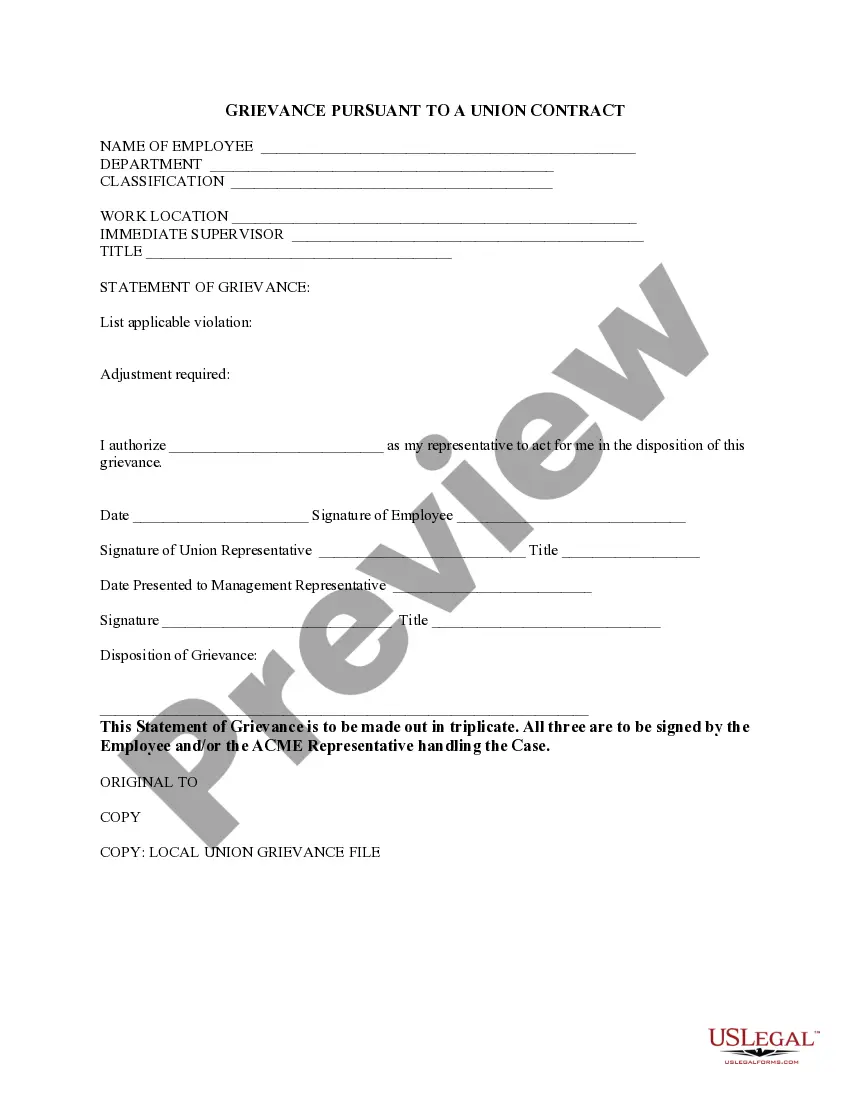
Grievance Withdrawal Letter In Dallas
Description
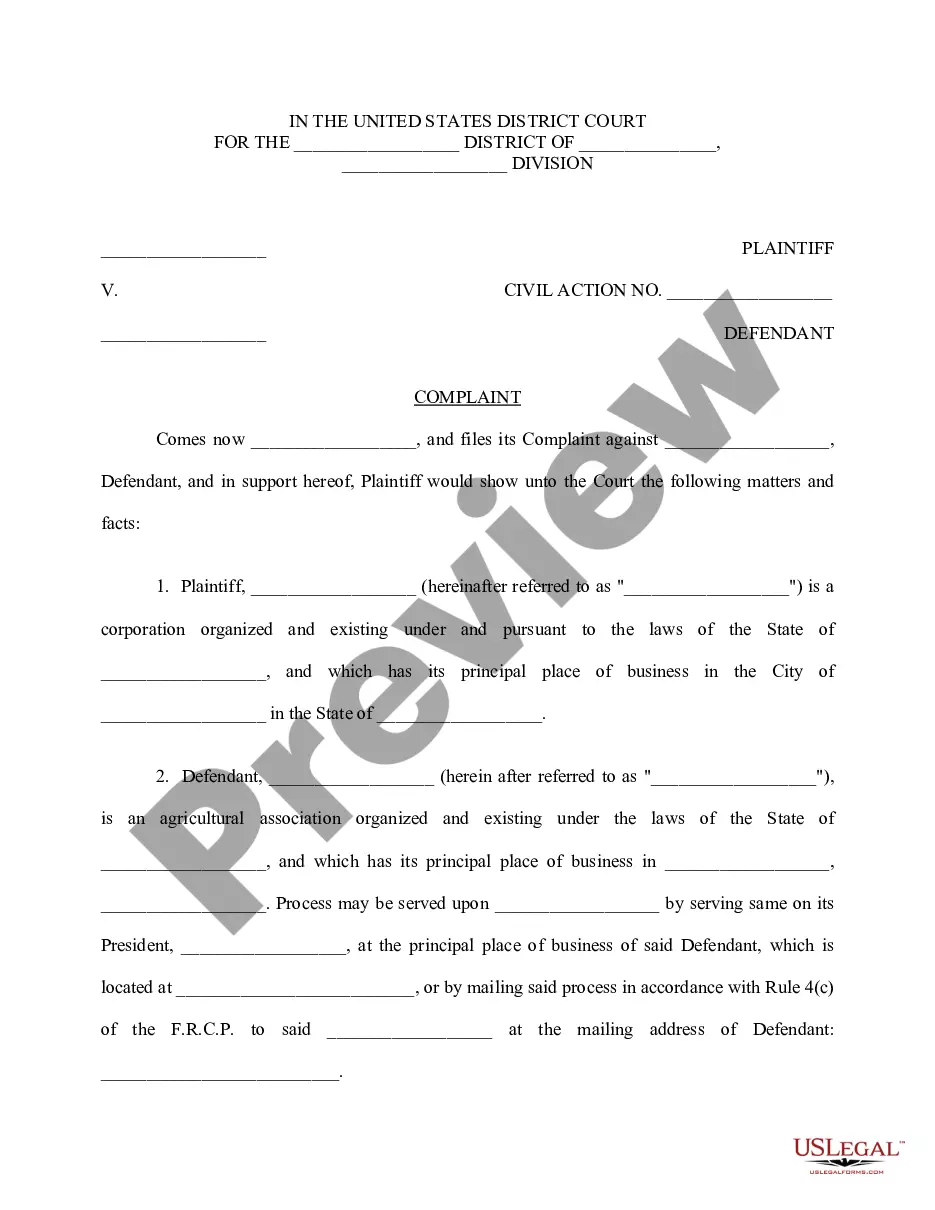
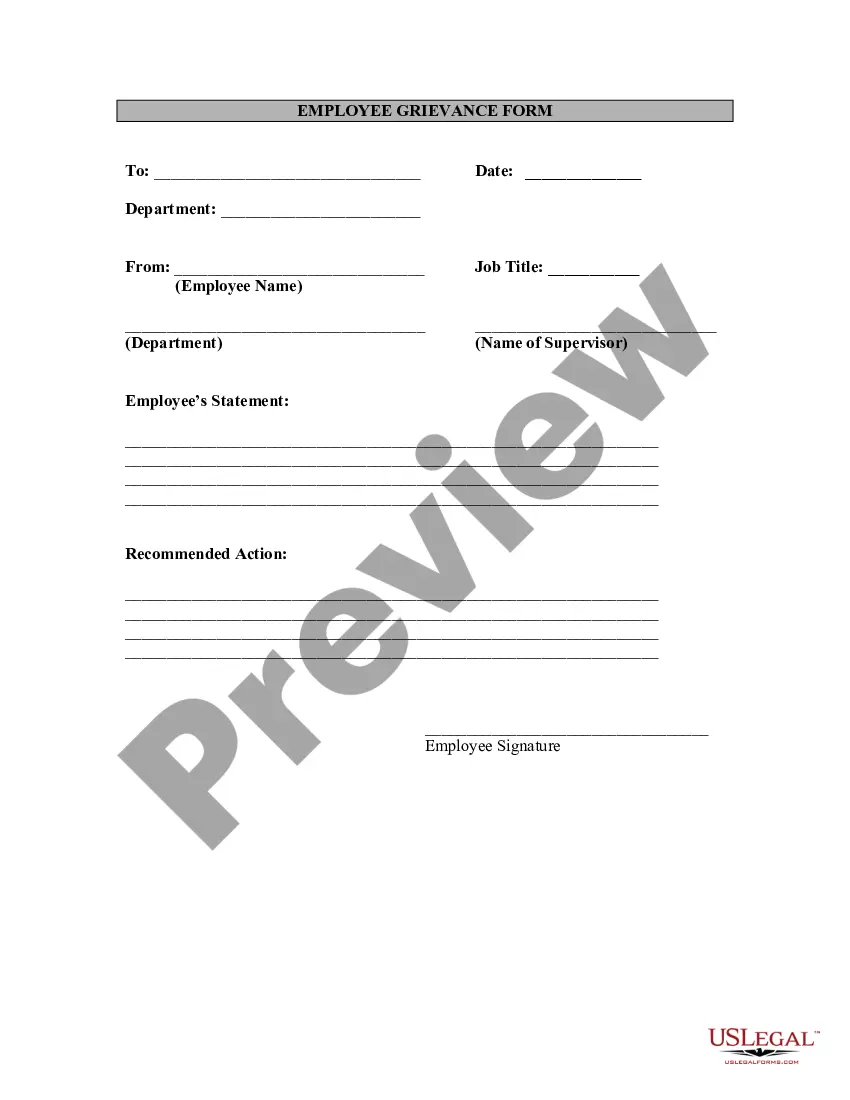
Get your form ready online
Our built-in tools help you complete, sign, share, and store your documents in one place.
Make edits, fill in missing information, and update formatting in US Legal Forms—just like you would in MS Word.
Download a copy, print it, send it by email, or mail it via USPS—whatever works best for your next step.
Sign and collect signatures with our SignNow integration. Send to multiple recipients, set reminders, and more. Go Premium to unlock E-Sign.
If this form requires notarization, complete it online through a secure video call—no need to meet a notary in person or wait for an appointment.
We protect your documents and personal data by following strict security and privacy standards.

Make edits, fill in missing information, and update formatting in US Legal Forms—just like you would in MS Word.

Download a copy, print it, send it by email, or mail it via USPS—whatever works best for your next step.

Sign and collect signatures with our SignNow integration. Send to multiple recipients, set reminders, and more. Go Premium to unlock E-Sign.

If this form requires notarization, complete it online through a secure video call—no need to meet a notary in person or wait for an appointment.

We protect your documents and personal data by following strict security and privacy standards.
Looking for another form?






Form popularity
FAQ
Key points. Employees sometimes retract grievances. Often they have simply had a change of heart, for example realising that they have overreacted to a situation. However, the withdrawal could be because of, for example, a fear of reprisals where another employee is the subject of the grievance.
Step 1 – raise the issue informally with the employer. Step 2 – raise the issue formally with a grievance letter. Step 3 – grievance investigation should take place. Step 4 – a grievance hearing may be required to review the evidence and for a decision to be made.
Withdrawal of Grievance I am treating the grievance as withdrawn and I am pleased that the problem has been resolved informally (or state other reasons why complaint is not being pursued). The Council will not be taking any further steps in relation to your grievance.
How To Prevent Grievances #1 Don't let problems fester. Almost all grievances grow from fairly minor seeds. #2 Set and maintain clear expectations. #3 Reframe from positions to issues. #3 Beware alcohol & know your audience. #4 Manage perceptions. #5 Use power judiciously.
A grievance may be withdrawn at any time, by an Employee or the Union, by advising the Employer's designated representative at the Step at which the grievance exists. This withdrawal shall be confirmed in writing.
Dear name of employer / HR manager / line manager, I am writing to raise a formal grievance. I have a problem with / complaint about give details. Optional I have evidence in the form of give details. Optional I would like give details of what you want your employer to do to resolve the grievance.
The 5-Step Workplace Grievance Process Step 1: Informal meeting. Step 2: Supervisor meeting and documentation. Step 3: Escalation to management. Step 4: Escalation to top company representatives. Step 5: Referral to arbitration.
How to write a grievance outcome letter Keep your letter to the point. Avoid making any allegations you can't prove, such as accusing the employee of making up a grievance issue. Use formal and professional language. Explain the employee's right to appeal and the process to follow.
Some common examples that employees may file grievances about include: Verbal Abuse: This includes insults, derogatory comments, or offensive jokes aimed at an individual's race, gender, religion, or any other protected characteristic.