Affidavit For Non Prosecution In Washington
Description
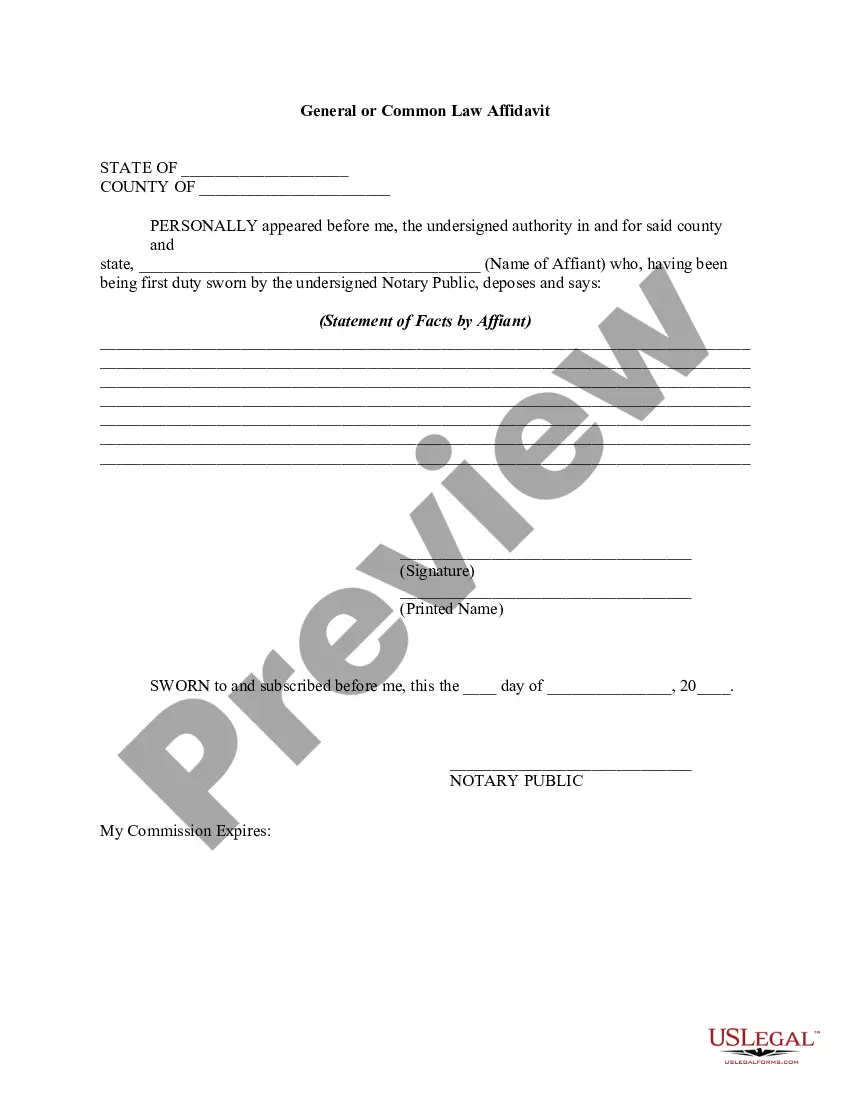
Get your form ready online
Our built-in tools help you complete, sign, share, and store your documents in one place.
Make edits, fill in missing information, and update formatting in US Legal Forms—just like you would in MS Word.
Download a copy, print it, send it by email, or mail it via USPS—whatever works best for your next step.
Sign and collect signatures with our SignNow integration. Send to multiple recipients, set reminders, and more. Go Premium to unlock E-Sign.
If this form requires notarization, complete it online through a secure video call—no need to meet a notary in person or wait for an appointment.
We protect your documents and personal data by following strict security and privacy standards.

Make edits, fill in missing information, and update formatting in US Legal Forms—just like you would in MS Word.

Download a copy, print it, send it by email, or mail it via USPS—whatever works best for your next step.

Sign and collect signatures with our SignNow integration. Send to multiple recipients, set reminders, and more. Go Premium to unlock E-Sign.

If this form requires notarization, complete it online through a secure video call—no need to meet a notary in person or wait for an appointment.

We protect your documents and personal data by following strict security and privacy standards.
Looking for another form?
Form popularity
FAQ
No Contact Order – initiated by a judge as part of a criminal case. For example, if there was an arrest for domestic violence assault, the judge will normally issue a No Contact Order to protect the alleged victim. Unlike a civil protection order or restraining order, the victim does not initiate a No Contact Order.
In a no contact order, a person is prohibited from having any physical or verbal contact. This means a person may not have face-to-face, telephone, or internet contact as well.
A judge is the only person who can be make a ruling to lift, modify, or leave in place a No Contact Order. If the order was entered civilly or through the superior court, the protected party will need to petition the court in which the order was entered.
A no contact order prohibits a defendant in a criminal case from contacting the petitioner or plaintiff (usually the victim of the crime) while the criminal case is pending. No contact orders are common in disputes involving assault and domestic violence.
