Affidavit/sworn Statement Of Actual Care And Custody In Tarrant
Description
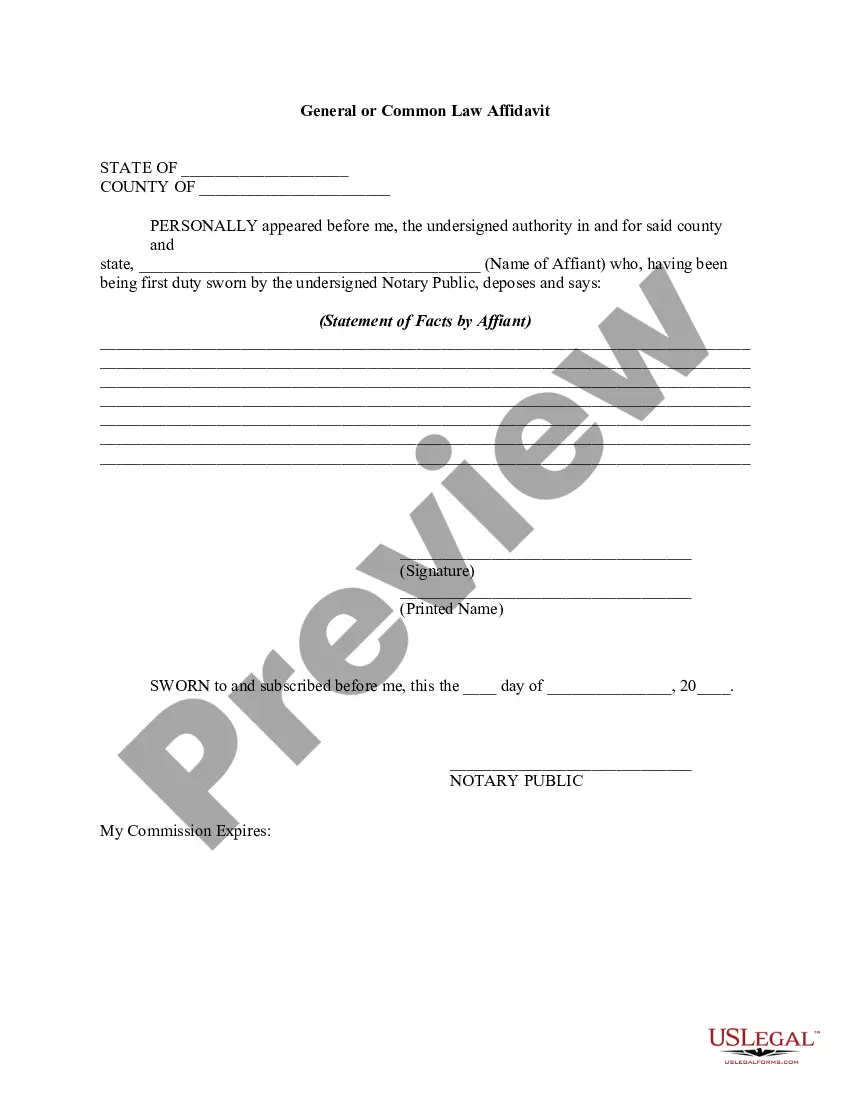
Get your form ready online
Our built-in tools help you complete, sign, share, and store your documents in one place.
Make edits, fill in missing information, and update formatting in US Legal Forms—just like you would in MS Word.
Download a copy, print it, send it by email, or mail it via USPS—whatever works best for your next step.
Sign and collect signatures with our SignNow integration. Send to multiple recipients, set reminders, and more. Go Premium to unlock E-Sign.
If this form requires notarization, complete it online through a secure video call—no need to meet a notary in person or wait for an appointment.
We protect your documents and personal data by following strict security and privacy standards.

Make edits, fill in missing information, and update formatting in US Legal Forms—just like you would in MS Word.

Download a copy, print it, send it by email, or mail it via USPS—whatever works best for your next step.

Sign and collect signatures with our SignNow integration. Send to multiple recipients, set reminders, and more. Go Premium to unlock E-Sign.

If this form requires notarization, complete it online through a secure video call—no need to meet a notary in person or wait for an appointment.

We protect your documents and personal data by following strict security and privacy standards.
Looking for another form?



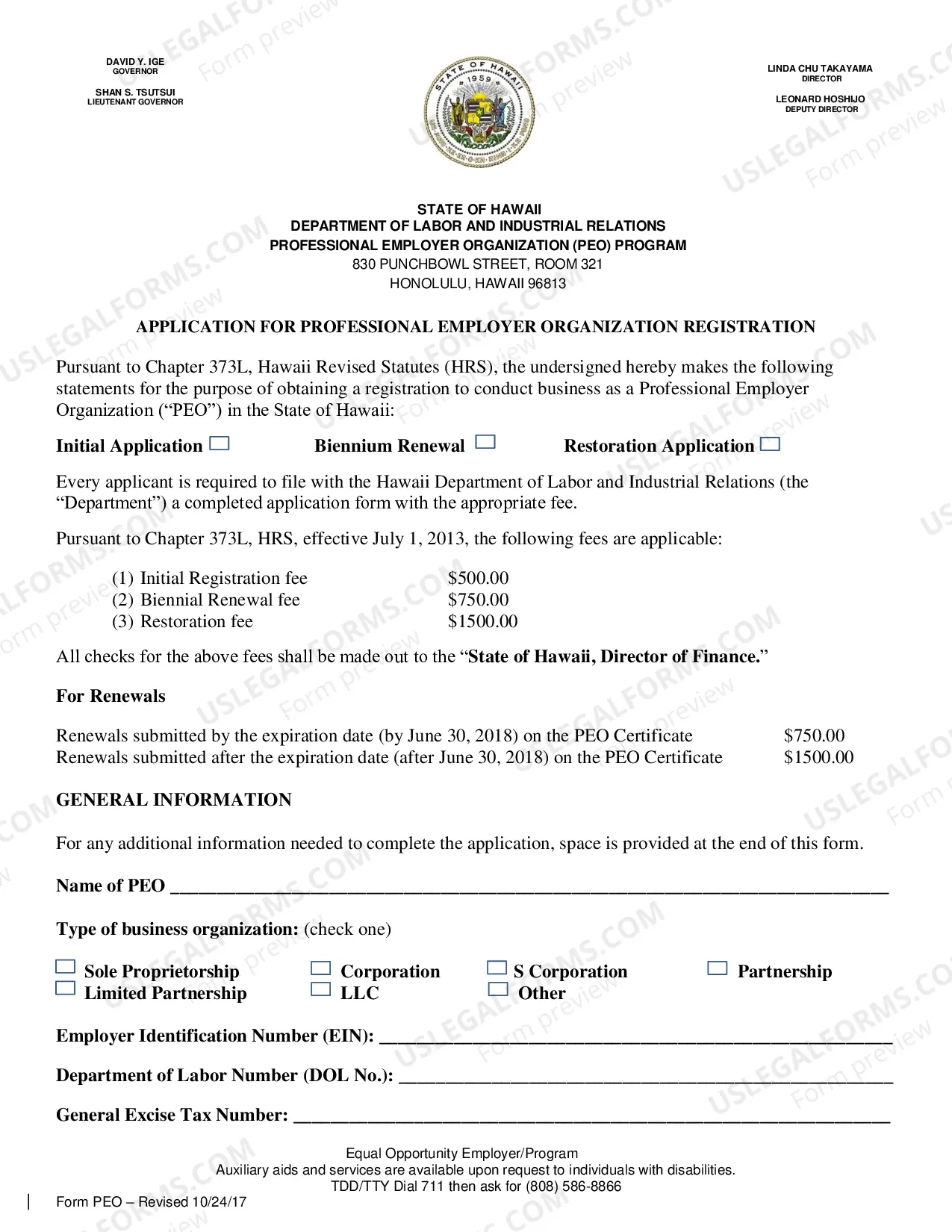
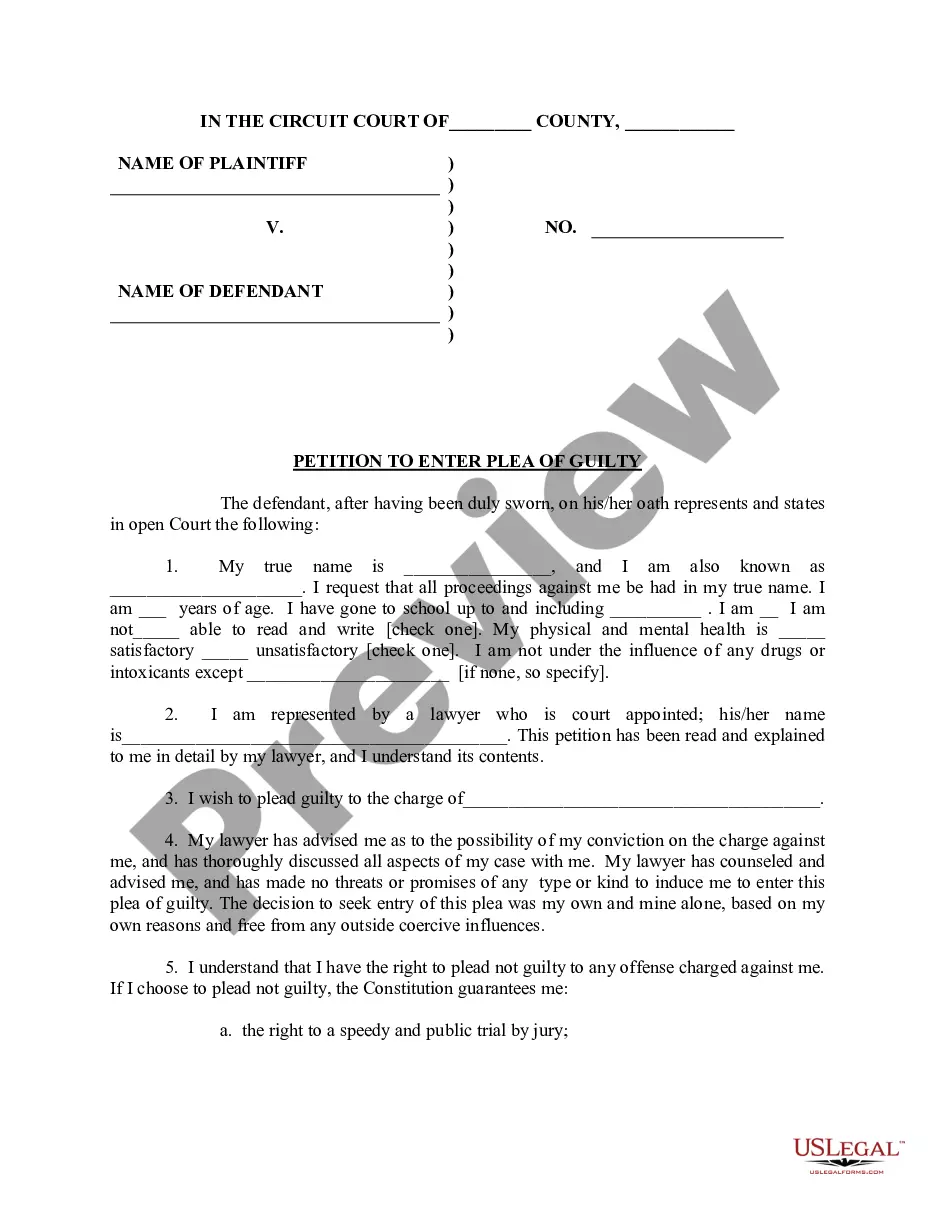
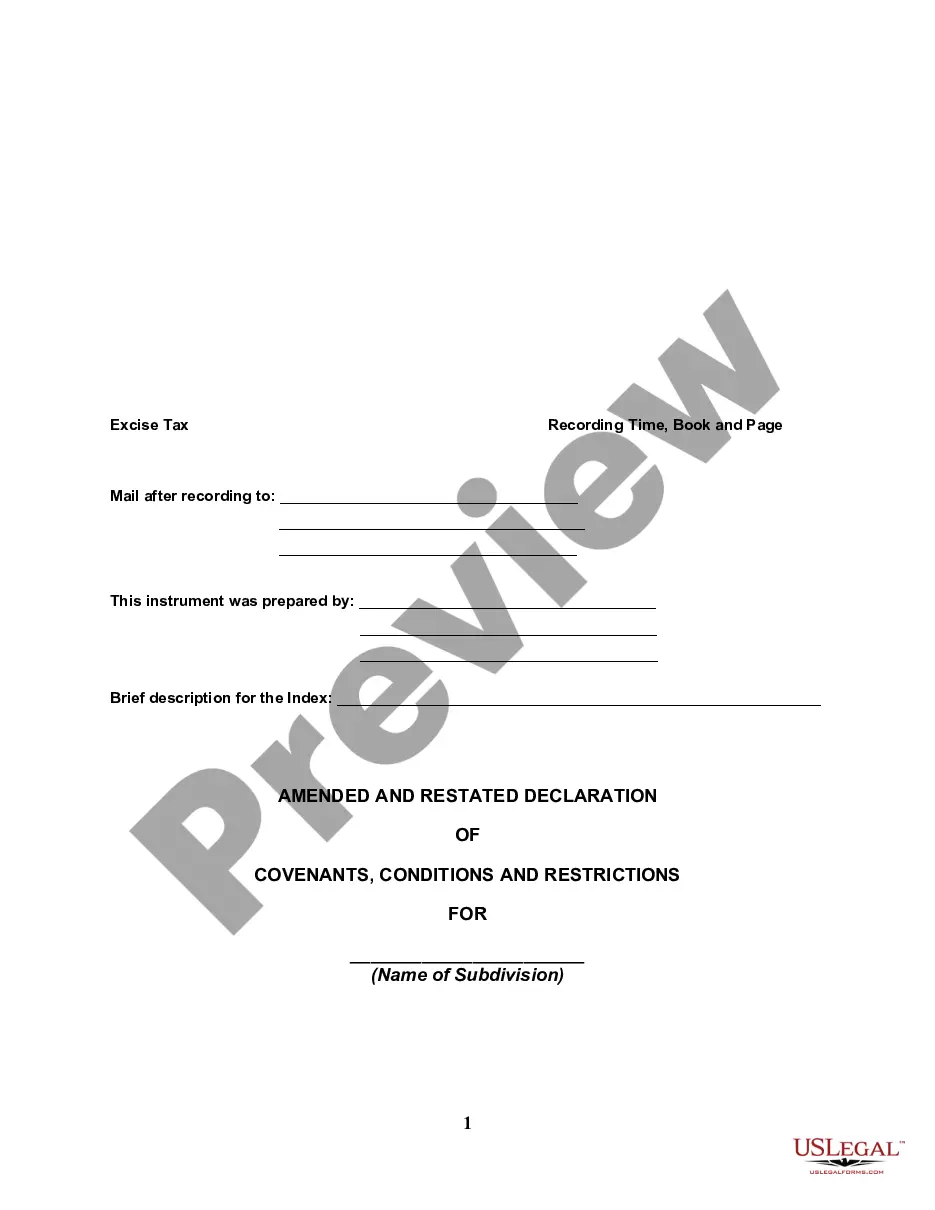
Form popularity
FAQ
Affidavits can occur any time a formal promise is made, and they are often used as a form of documentation tied to a specific person in the proceedings. They are often used in court to serve as evidence toward a singular side in a dispute, or to affirm a claim that someone is making.
An affidavit is “a voluntary declaration of facts written down and sworn to by a declarant, usually before an officer authorized to administer oaths,” like a notary. A declaration is “a formal statement, proclamation, or announcement, especially one embodied in an instrument.” (Black Law Dictionary, 11th ed.)
There are various types of Texas affidavits designed for specific situations, including the Affidavit of Identity, Affidavit of Residence, Affidavit of Heirship, and Affidavit for Divorce. Each serves unique legal purposes.
Can I file an Affidavit of Heirship with the Probate courts? No, these documents should be filed in the County Clerk Official Public Records Office located in room B20 at 100 W. Weatherford, Fort Worth, Texas.
In Texas, you may use a general affidavit form to compile your statement so long as you include the details pertinent to the reason you need an affidavit. You must also have the document notarized.
General Affidavits must be signed in front of a notary public. A notary must verify your identification before you sign the document. Make sure to bring ID (like a driver's license or other form of identification) for the notary before you sign the affidavit.
It must be filed in the county clerk's office where the property is located. This will help establish a clear chain of title and allow the heirs to sell the property. Courts often have specific rules about small estate affidavits. Make sure to check any local requirements before you apply.
Texas probate law sets a strict statute of limitations of only four years for any heir or beneficiary to make a legal claim for inheritance. The four-year clock starts ticking as soon as the adoption is complete for adopted children. For other heirs or beneficiaries, it begins on the date of the parent's death.
In Texas, you may use a general affidavit form to compile your statement so long as you include the details pertinent to the reason you need an affidavit. You must also have the document notarized.
The Texas affidavit of heirship form must be filled out and filed on behalf of a decedent's heir and can not be completed by the heir. Instead, two disinterested parties who know the necessary details about a decedent's family life need to fill out the form.

