Affidavit Legal Definition Without Prejudice In Orange
Description
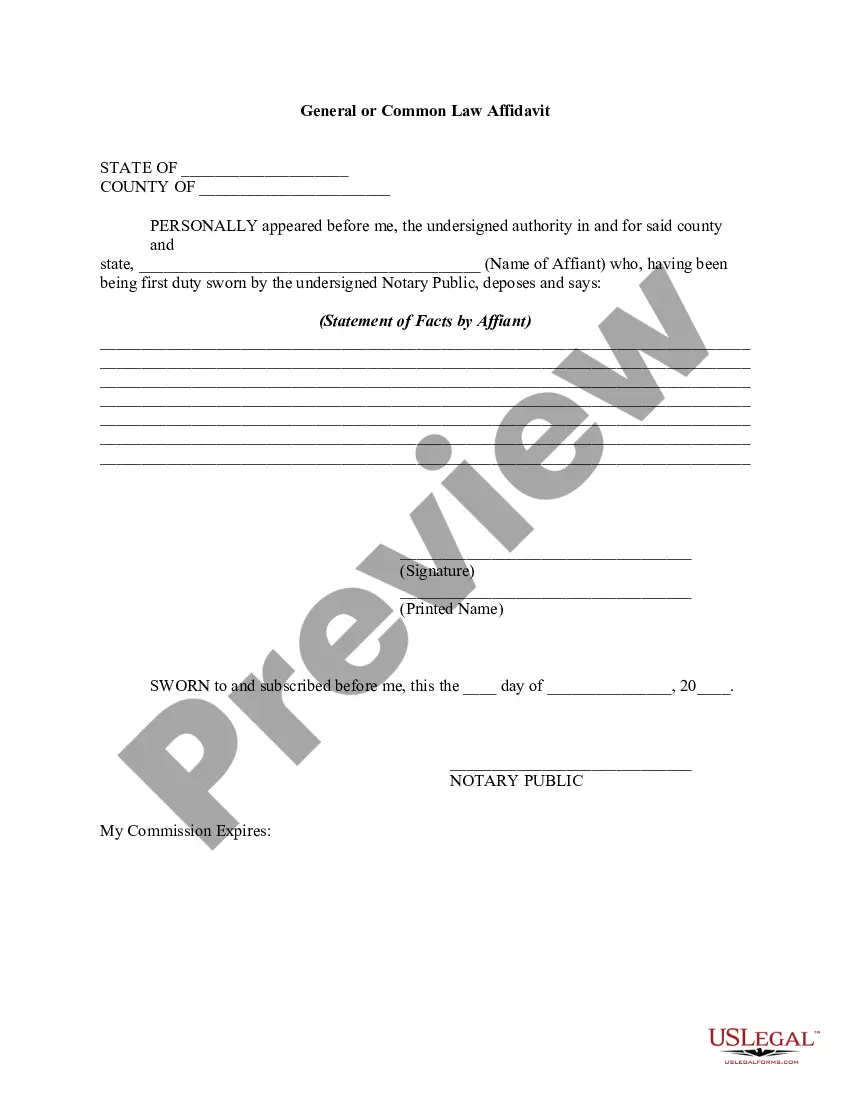
Get your form ready online
Our built-in tools help you complete, sign, share, and store your documents in one place.
Make edits, fill in missing information, and update formatting in US Legal Forms—just like you would in MS Word.
Download a copy, print it, send it by email, or mail it via USPS—whatever works best for your next step.
Sign and collect signatures with our SignNow integration. Send to multiple recipients, set reminders, and more. Go Premium to unlock E-Sign.
If this form requires notarization, complete it online through a secure video call—no need to meet a notary in person or wait for an appointment.
We protect your documents and personal data by following strict security and privacy standards.

Make edits, fill in missing information, and update formatting in US Legal Forms—just like you would in MS Word.

Download a copy, print it, send it by email, or mail it via USPS—whatever works best for your next step.

Sign and collect signatures with our SignNow integration. Send to multiple recipients, set reminders, and more. Go Premium to unlock E-Sign.

If this form requires notarization, complete it online through a secure video call—no need to meet a notary in person or wait for an appointment.

We protect your documents and personal data by following strict security and privacy standards.
Looking for another form?


Form popularity
FAQ
The 'without prejudice' privilege means parties to a dispute can make concessions and promises without fear that their words will be used later in court.
Small claims court is worth it when you know you are deterring someone from potentially harming others the same way they harmed you. You may also want to help others determine whether to do business with that person or corporation in the future, as court decisions are part of the public record.
All filings for small claims matters can be submitted by any of these ways: In person at the Center Justice Center (700 Civic Center Drive West, Santa Ana, CA 92701). By electronic filing using the Civil eFile website. By drop-box located by the front entrance of the Central Justice Center.
A “without prejudice” communication is inadmissible as evidence in court. This is to encourage the parties to communicate freely towards settling their dispute, without fearing that whatever they said or wrote would be used against them.
The basic meaning of 'without prejudice' is that statements made in the settlement of an existing dispute cannot be relied upon as evidence against the interests of the relevant party if negotiations fail and the parties then have to formally engage in a dispute resolution procedure.
When a visa is marked as “Cancelled Without Prejudice,” it means that the U.S. government has canceled your visa for administrative reasons without impacting your chances of obtaining a valid visa in the future.
What is a 'without prejudice offer'? A 'without prejudice offer' is when an insurer offers to settle a claim without formally accepting liability for your injury or illness. A without prejudice offer signals a willingness to co-operate and reach a financial settlement without further legal proceedings.
“Without prejudice” is a phrase used to evoke a legal privilege attached to written or verbal communication made by a party to a dispute in a genuine attempt to settle that dispute. It is a rule of evidence that parties can have 'without prejudice' discussions to try to settle a dispute out of court.
This allows parties to speak freely, without the fear that what they have said may be used against them in court should the discussions fail. These meetings often result in a pre-termination agreement and exit package through a formal settlement agreement.
The without prejudice (WP) rule will generally prevent statements made in a genuine attempt to settle an existing dispute, whether made in writing or orally, from being put before the court as evidence of admissions against the interests of the party which made them.

