Affidavit Sample Letter For Child Custody In North Carolina
Description
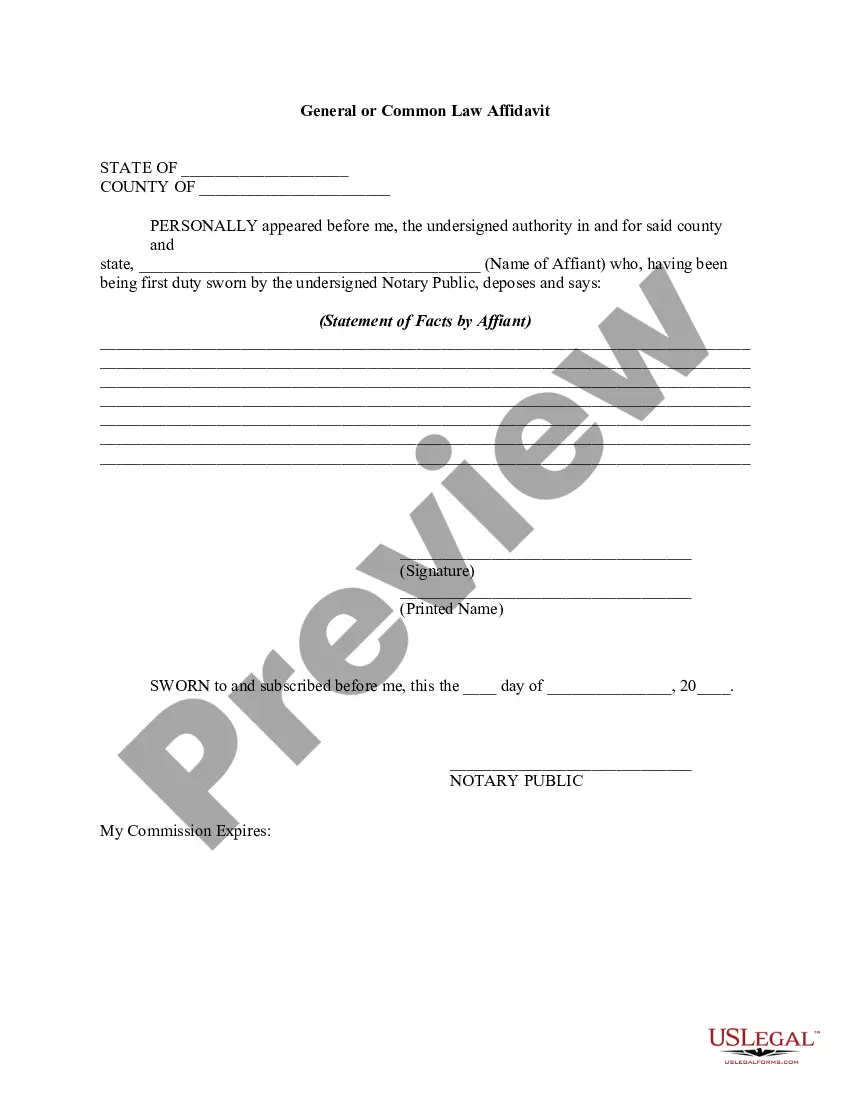
Get your form ready online
Our built-in tools help you complete, sign, share, and store your documents in one place.
Make edits, fill in missing information, and update formatting in US Legal Forms—just like you would in MS Word.
Download a copy, print it, send it by email, or mail it via USPS—whatever works best for your next step.
Sign and collect signatures with our SignNow integration. Send to multiple recipients, set reminders, and more. Go Premium to unlock E-Sign.
If this form requires notarization, complete it online through a secure video call—no need to meet a notary in person or wait for an appointment.
We protect your documents and personal data by following strict security and privacy standards.

Make edits, fill in missing information, and update formatting in US Legal Forms—just like you would in MS Word.

Download a copy, print it, send it by email, or mail it via USPS—whatever works best for your next step.

Sign and collect signatures with our SignNow integration. Send to multiple recipients, set reminders, and more. Go Premium to unlock E-Sign.

If this form requires notarization, complete it online through a secure video call—no need to meet a notary in person or wait for an appointment.

We protect your documents and personal data by following strict security and privacy standards.
Looking for another form?


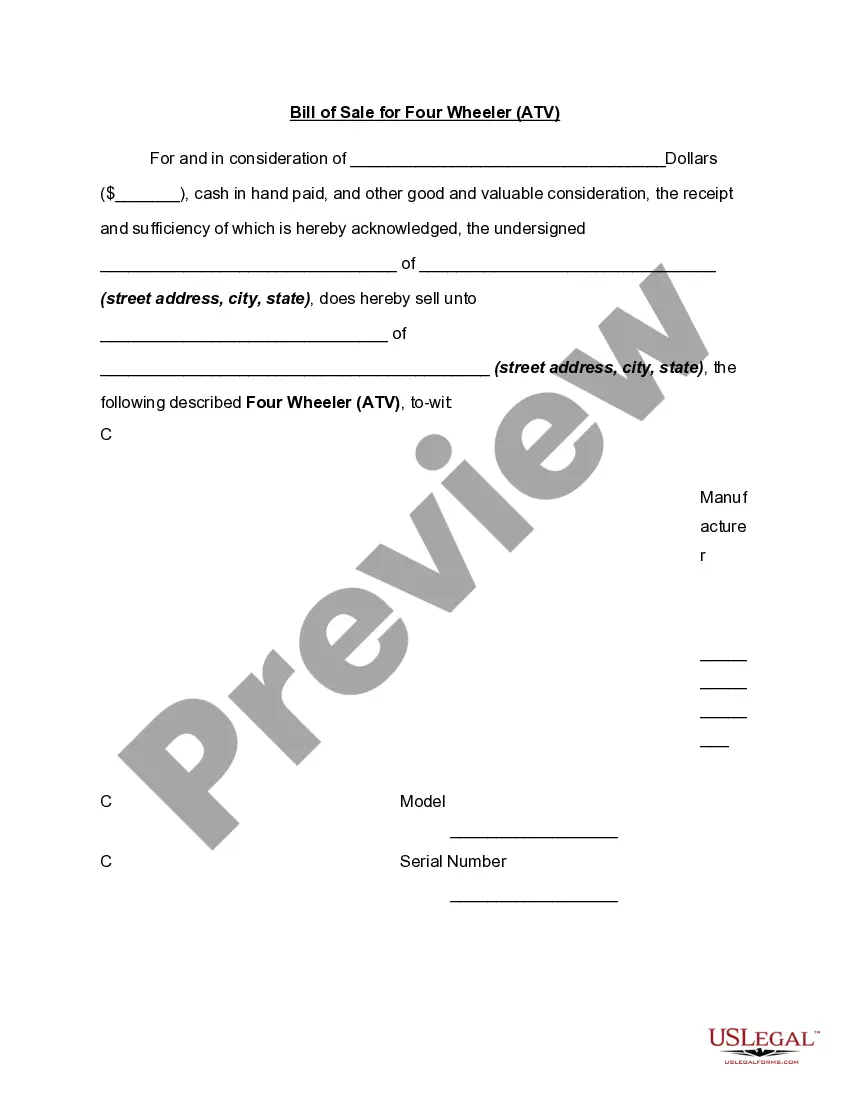





Form popularity
FAQ
The father of the child can sign an “Affidavit of Parentage.” An Affidavit of Parentage is a voluntary admission of paternity made by the parents of a child. This has the same legal effect as an order of paternity, unless the admission of paternity is rescinded by either parent.
These are some mistakes you're going to want to be mindful to avoid. TALKING BADLY ABOUT THE OTHER PARENT TO THE CHILD. FAILING TO TAKE ON CHALLENGING TASKS. NOT COMMUNICATING WITH THE OTHER PARENT. TRYING TO MAKE YOUR CHILDREN FEEL SORRY FOR YOU. PREVENTING THE OTHER PARENT'S ACCESS TO THE CHILDREN.
How to prove the best interest of the child Keep a log of child-related expenses. Get reliable child care. Ask others to testify on your behalf. Show that you're willing to work with the other parent. Know your child's interests. Have a safe place for your child to live. Behave in court.
The following are six critical sections that must be included: Title. This is either your name (“Affidavit of Jane Doe”) or the specific case information. Statement of identity. The next paragraph tells the court about yourself. Statement of truth. Statement of facts. Closing statement of truth. Sign and notarize.
How to Write an Affidavit Step 1: Writing the Title of the Affidavit. Step 2: Providing Personal Background Information. Step 3: Opening Sentence in First Person Tense. Step 4: Stating the Facts of the Case. Step 5: Including One Fact Per Paragraph. Step 6: Including Exhibits. Step 7: Confirming the Truth.
An affidavit is a statement of facts. Therefore, you should include all the facts that are relevant in your proceeding. Importantly, your affidavit should support the orders you have asked the Court to make in your application or response. The length of your affidavit will depend on the complexity of your matter.
An Affidavit of Character is a legal document that can be used to provide a character reference under oath. Also called an Affidavit of Good Moral Character, this document is your sworn declaration that the person in question is upright and moral.
It can basically say, ``I have known the Petitioner for _________ years. I work with/went to school with/am married to the Petitioner. I personally know the Petitioner to be a person of good character and that the Petitioner has a reputation as a person with good character and good standing in the community.''

