Affidavit Sample Letter For Child Custody In Nevada
Description
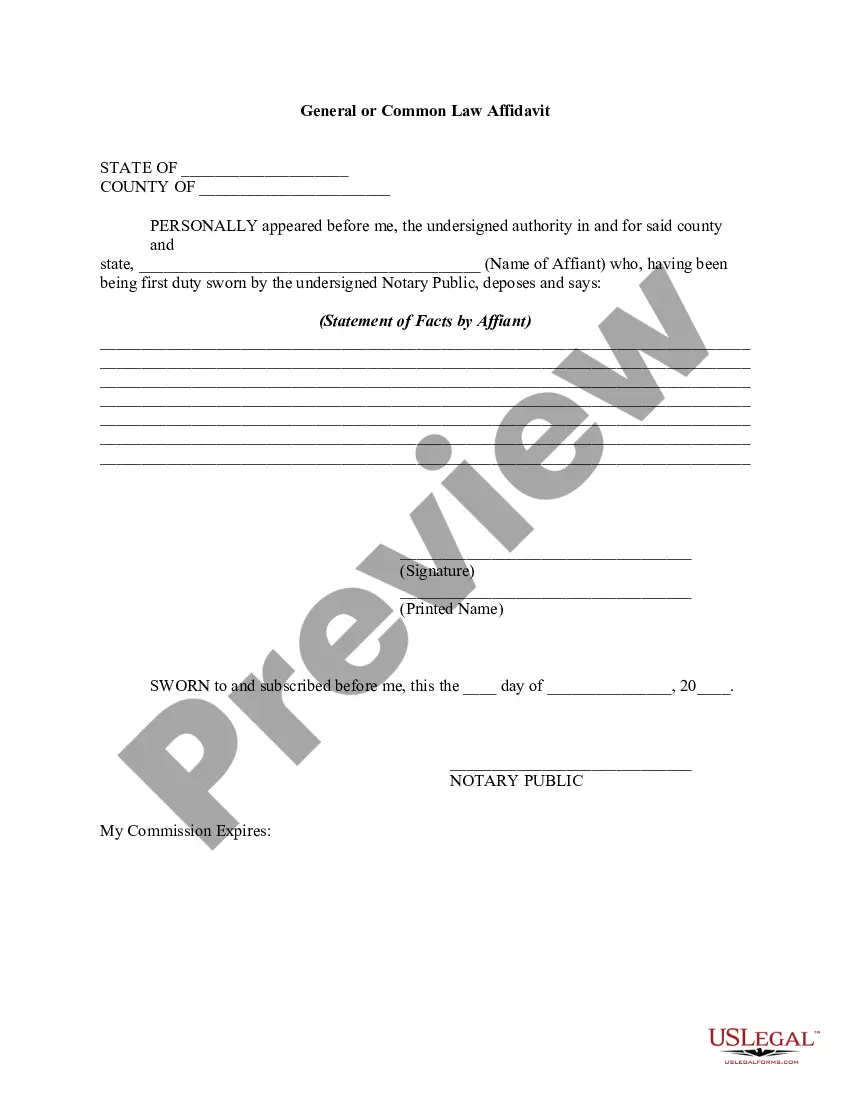
Get your form ready online
Our built-in tools help you complete, sign, share, and store your documents in one place.
Make edits, fill in missing information, and update formatting in US Legal Forms—just like you would in MS Word.
Download a copy, print it, send it by email, or mail it via USPS—whatever works best for your next step.
Sign and collect signatures with our SignNow integration. Send to multiple recipients, set reminders, and more. Go Premium to unlock E-Sign.
If this form requires notarization, complete it online through a secure video call—no need to meet a notary in person or wait for an appointment.
We protect your documents and personal data by following strict security and privacy standards.

Make edits, fill in missing information, and update formatting in US Legal Forms—just like you would in MS Word.

Download a copy, print it, send it by email, or mail it via USPS—whatever works best for your next step.

Sign and collect signatures with our SignNow integration. Send to multiple recipients, set reminders, and more. Go Premium to unlock E-Sign.

If this form requires notarization, complete it online through a secure video call—no need to meet a notary in person or wait for an appointment.

We protect your documents and personal data by following strict security and privacy standards.
Looking for another form?










Form popularity
FAQ
The papers must be served by a "disinterested person." This means someone who is not a party in the case, not interested in the outcome of the case, and who is at least 18 years old. Family members and significant others (boyfriends/girlfriends) cannot serve the documents, as this could raise questions with the court.
How to Write an Affidavit Step 1: Writing the Title of the Affidavit. Step 2: Providing Personal Background Information. Step 3: Opening Sentence in First Person Tense. Step 4: Stating the Facts of the Case. Step 5: Including One Fact Per Paragraph. Step 6: Including Exhibits. Step 7: Confirming the Truth.
If you want primary custody or joint custody, you need to ask the court for it and provide evidence about why your request is in the best interests of the child. The evidence that you provide should be related to the factors listed in the Nevada custody laws.
The following are six critical sections that must be included: Title. This is either your name (“Affidavit of Jane Doe”) or the specific case information. Statement of identity. The next paragraph tells the court about yourself. Statement of truth. Statement of facts. Closing statement of truth. Sign and notarize.
Typically, a parent can gain “sole legal custody” only in cases where the other parent is proven to be an “unfit parent,” an immediate threat to the health or safety of a child, or completely unavailable or unwilling to care for the child.
Include all relevant facts • be written in the first person using an active voice • use the correct naming conventions • use the child or family's own words • use descriptions of what you saw and heard rather than conclusions • provide context to situations which could be misinterpreted • date all records and include ...

