Affidavit Letter Sample For Immigration In Michigan
Description
Get your form ready online
Our built-in tools help you complete, sign, share, and store your documents in one place.
Make edits, fill in missing information, and update formatting in US Legal Forms—just like you would in MS Word.
Download a copy, print it, send it by email, or mail it via USPS—whatever works best for your next step.
Sign and collect signatures with our SignNow integration. Send to multiple recipients, set reminders, and more. Go Premium to unlock E-Sign.
If this form requires notarization, complete it online through a secure video call—no need to meet a notary in person or wait for an appointment.
We protect your documents and personal data by following strict security and privacy standards.

Make edits, fill in missing information, and update formatting in US Legal Forms—just like you would in MS Word.

Download a copy, print it, send it by email, or mail it via USPS—whatever works best for your next step.

Sign and collect signatures with our SignNow integration. Send to multiple recipients, set reminders, and more. Go Premium to unlock E-Sign.

If this form requires notarization, complete it online through a secure video call—no need to meet a notary in person or wait for an appointment.

We protect your documents and personal data by following strict security and privacy standards.
Looking for another form?






Form popularity
FAQ
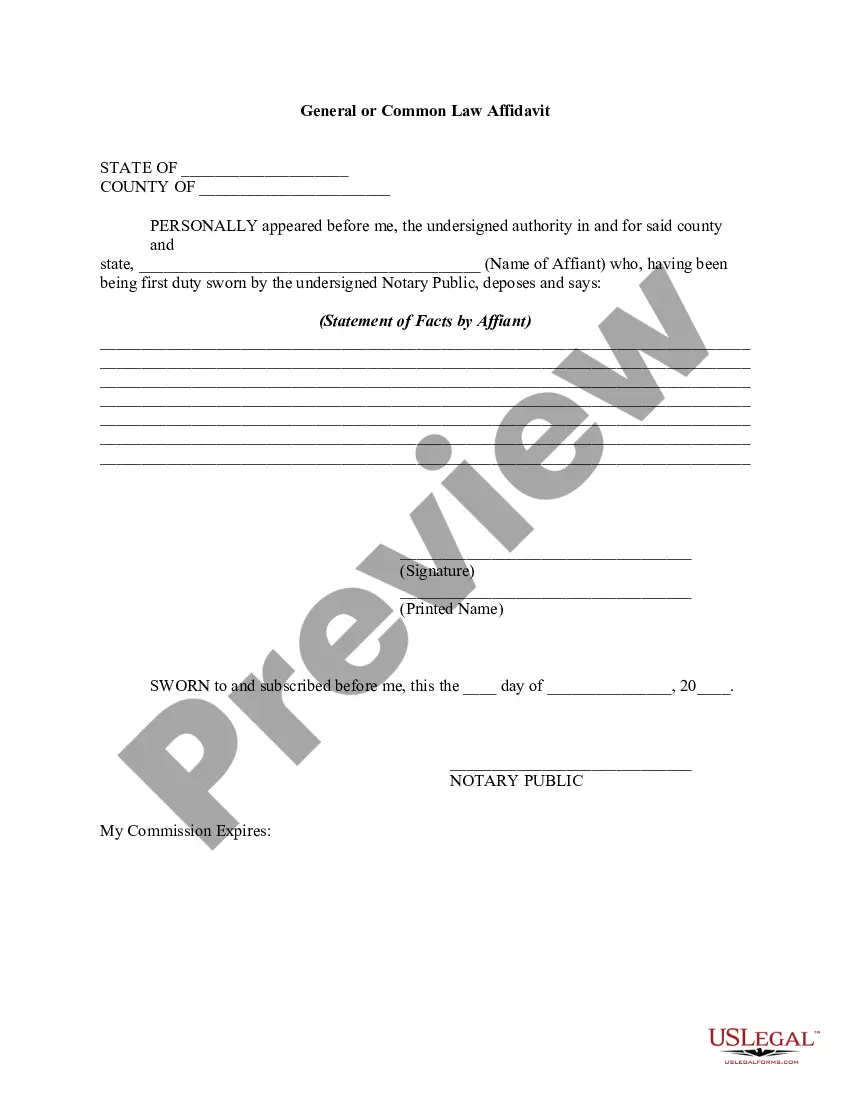
The Affidavit letter should be a personal declaration that includes: The name, date and place of birth, phone number, and address of the affiant (person writing the letter). The history of the personal relationship with the applicant.
Key Components Affiant's Information: Start with the full name, address, and contact information of the affiant. Declarative Statement: Clearly state the purpose of the affidavit, such as confirming a relationship, providing financial support, or testifying to specific facts relevant to the immigration case.
The letter should be formatted professionally, as it will be submitted to an official immigration authority. Include: Your contact information (name, address, phone number, email). Date of writing. Recipient information, such as the immigration officer or relevant authority (if known).
Do Assist the applicant to shape their declaration. Organize the declaration chronologically and/or thematically. Include dates whenever possible. Include detailed information about the applicant's “coming out” experience. Include detailed accounts of specific examples of mistreatment that the applicant suffered.
The following are six critical sections that must be included: Title. This is either your name (“Affidavit of Jane Doe”) or the specific case information. Statement of identity. The next paragraph tells the court about yourself. Statement of truth. Statement of facts. Closing statement of truth. Sign and notarize.
How to Write a Waiver Letter for Immigration? Ensure that your grounds for requesting a waiver are valid as per their requirements. Do not make your letter emotional; stick to clear facts to support your request. Do not write about anything that is not directly relevant to your request.
An effective immigration letter should be clear, authentic, and professional. It must include a relationship declaration between the writer and the applicant, details supporting the applicant's character and intentions, and any relevant personal stories or testimonials.
In the opening paragraph of your letter, you should clearly state your purpose for writing. This might be a request for information, a notification of a change of address, or a request for reconsideration or appeal of a decision. Be clear and direct in your language, and avoid adding extraneous information.
For a friend or relative, your letter should showcase their character, achievements, and contributions in a personal and supportive way. Describe your relationship with them, provide specific examples of their strengths and accomplishments, and explain why they are deserving of the immigration benefit they are seeking.

