Affidavit/sworn Statement Of Actual Care And Custody In Massachusetts
Description
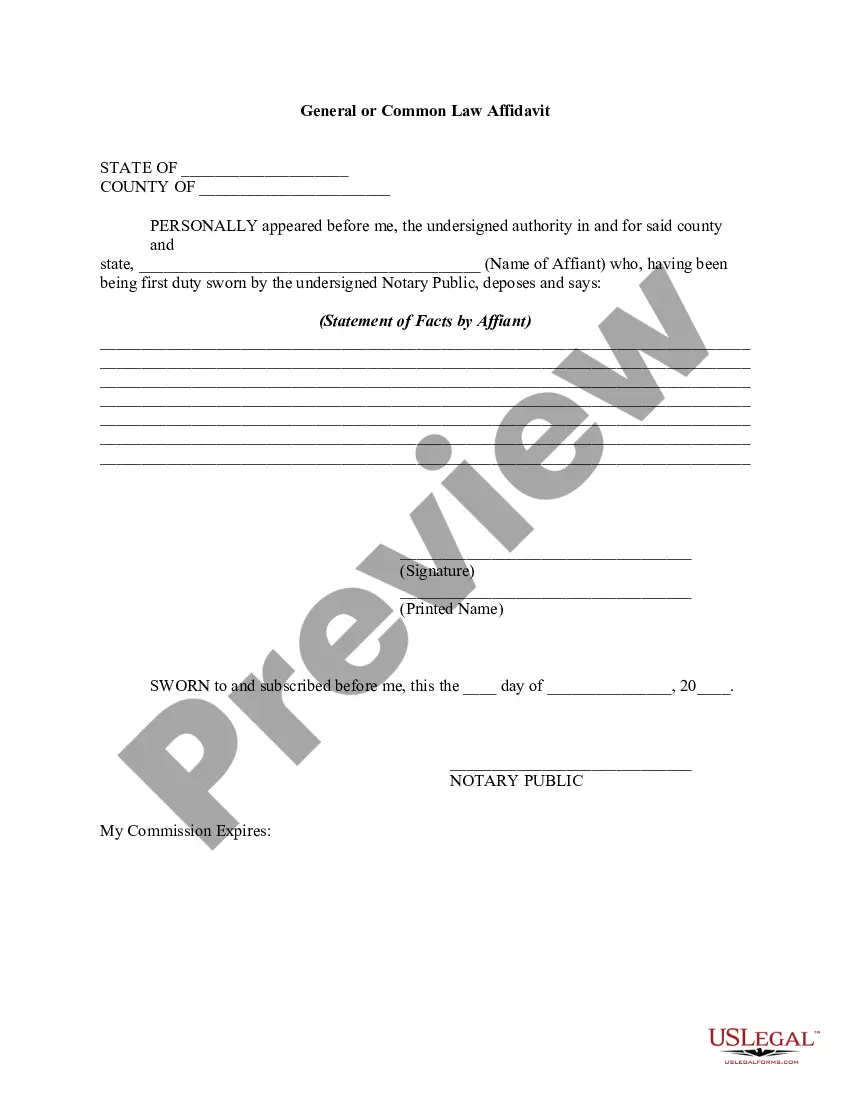
Get your form ready online
Our built-in tools help you complete, sign, share, and store your documents in one place.
Make edits, fill in missing information, and update formatting in US Legal Forms—just like you would in MS Word.
Download a copy, print it, send it by email, or mail it via USPS—whatever works best for your next step.
Sign and collect signatures with our SignNow integration. Send to multiple recipients, set reminders, and more. Go Premium to unlock E-Sign.
If this form requires notarization, complete it online through a secure video call—no need to meet a notary in person or wait for an appointment.
We protect your documents and personal data by following strict security and privacy standards.

Make edits, fill in missing information, and update formatting in US Legal Forms—just like you would in MS Word.

Download a copy, print it, send it by email, or mail it via USPS—whatever works best for your next step.

Sign and collect signatures with our SignNow integration. Send to multiple recipients, set reminders, and more. Go Premium to unlock E-Sign.

If this form requires notarization, complete it online through a secure video call—no need to meet a notary in person or wait for an appointment.

We protect your documents and personal data by following strict security and privacy standards.
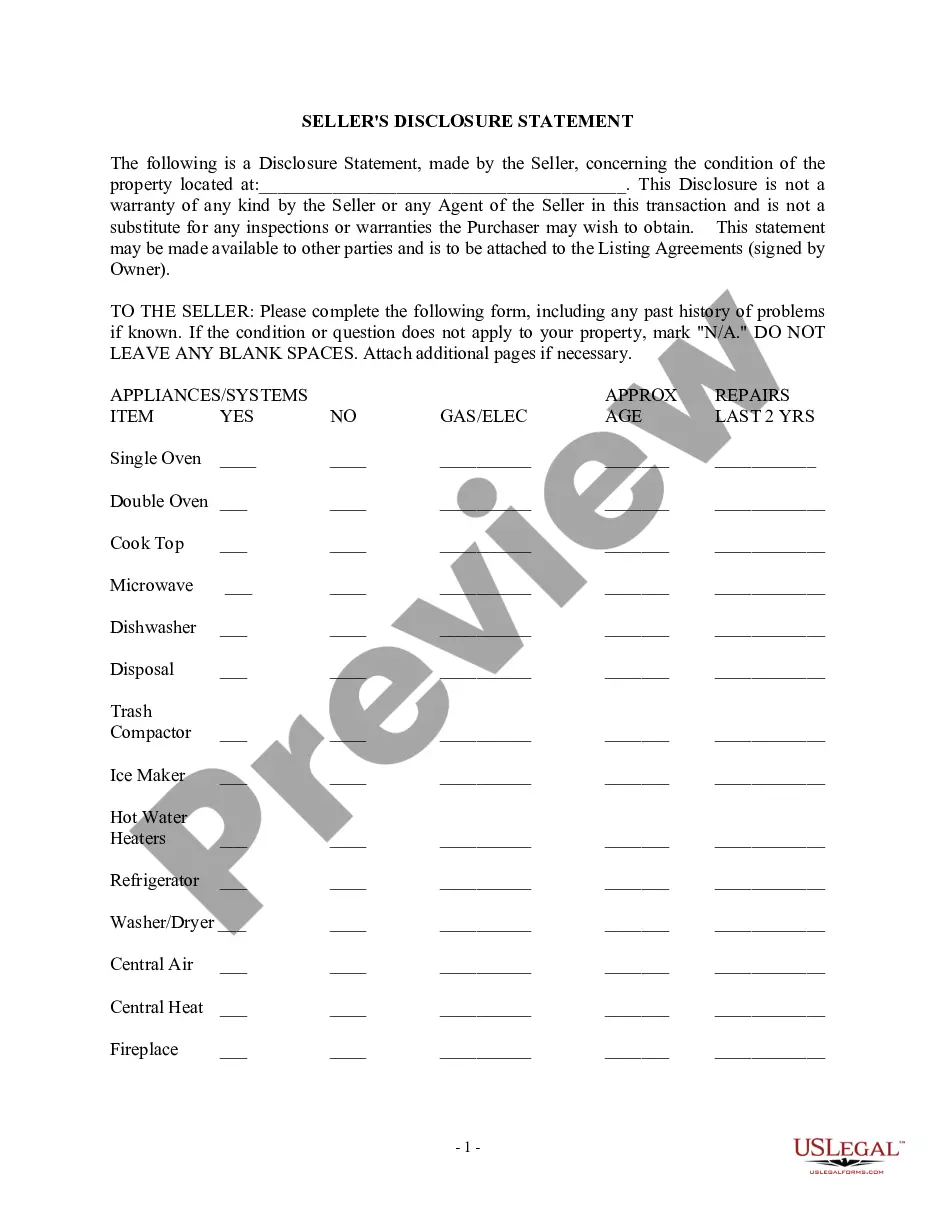
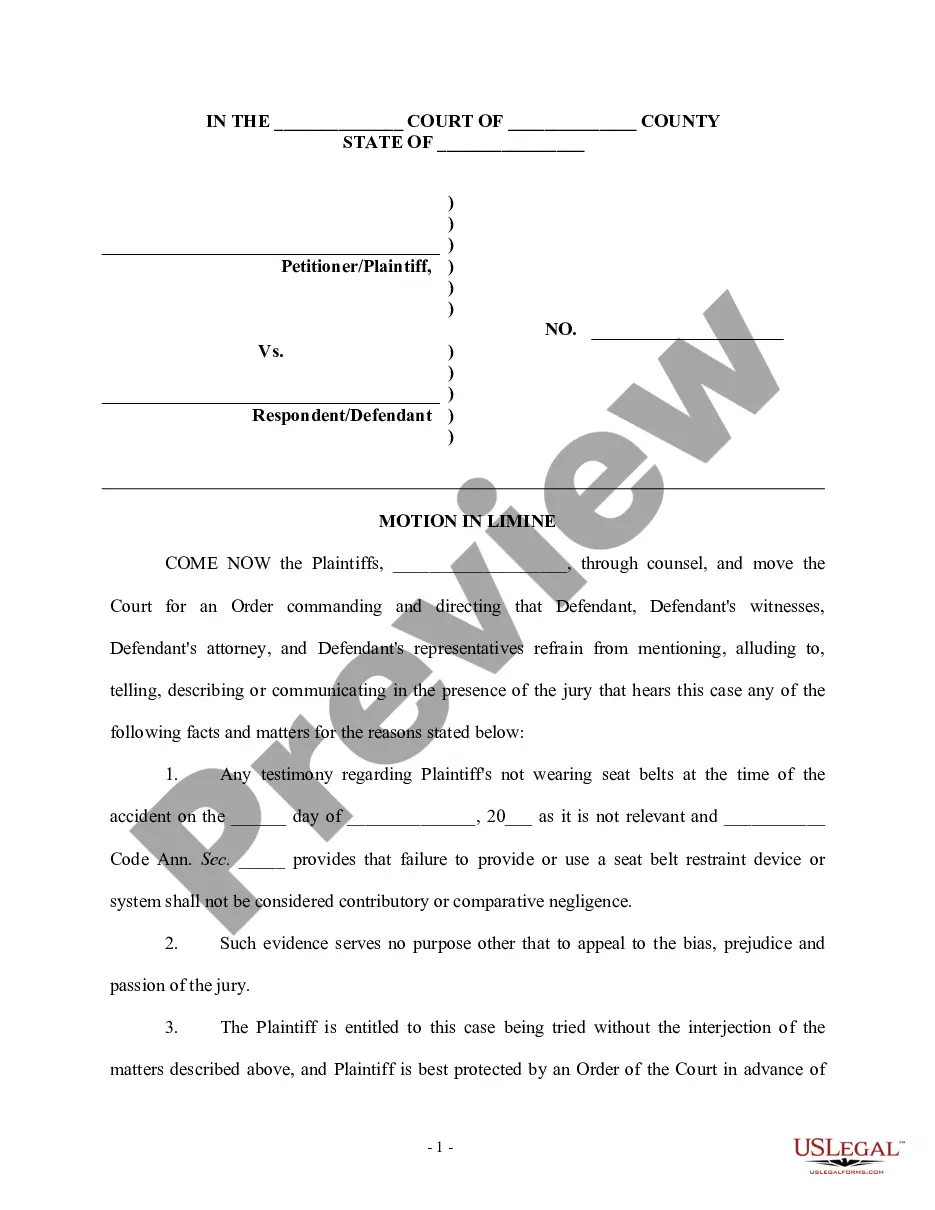
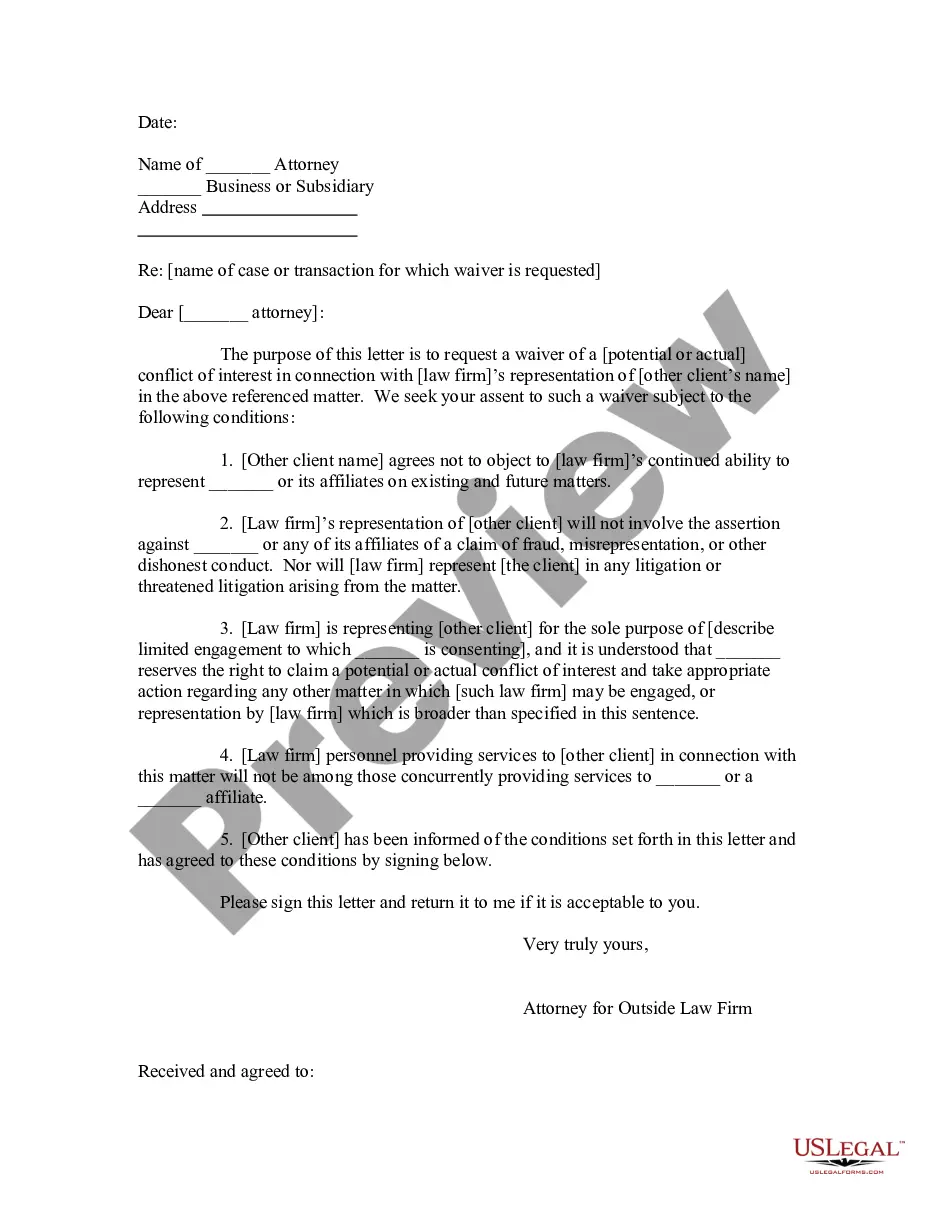
Looking for another form?



Form popularity
FAQ
For many documents, yes. Certain affidavits, real estate deeds, and other documents may not be legally binding unless they are properly notarized.
Under a law called the Massachusetts Child Custody Jurisdiction Act, you can only file for custody in the “home state” of the child unless you meet one of the exceptions. The child's “home state” is the state where your child has lived with a parent or a person acting as a parent for the past six consecutive months.
How to Write an Affidavit Step 1: Writing the Title of the Affidavit. Step 2: Providing Personal Background Information. Step 3: Opening Sentence in First Person Tense. Step 4: Stating the Facts of the Case. Step 5: Including One Fact Per Paragraph. Step 6: Including Exhibits. Step 7: Confirming the Truth.
If the parents aren't married — The person who gave birth has sole legal and physical custody of her child until a court orders otherwise.
An affidavit of residency is a formal declaration used to verify a person's residence in Massachusetts. It includes personal information such as the individual's name, address, and length of residence. This document often requires notarization to confirm the accuracy and truthfulness of the information provided.
An alternative residency affidavit, like the one used in Massachusetts, requires the resident and another person (at whose residence address the applicant resides) to sign in front of a notary public. It proves to officials that the resident lives at the stated address and has someone who can verify this information.
A "character letter," as it pertains to a child custody hearing, is a letter that attests to a parent's ability to meet their child's needs. It can serve as a type of evidence that judges and custody evaluators use when assessing what custodial arrangement is in the child's best interest.

