Premises Office Share With Tenants In Texas
Description

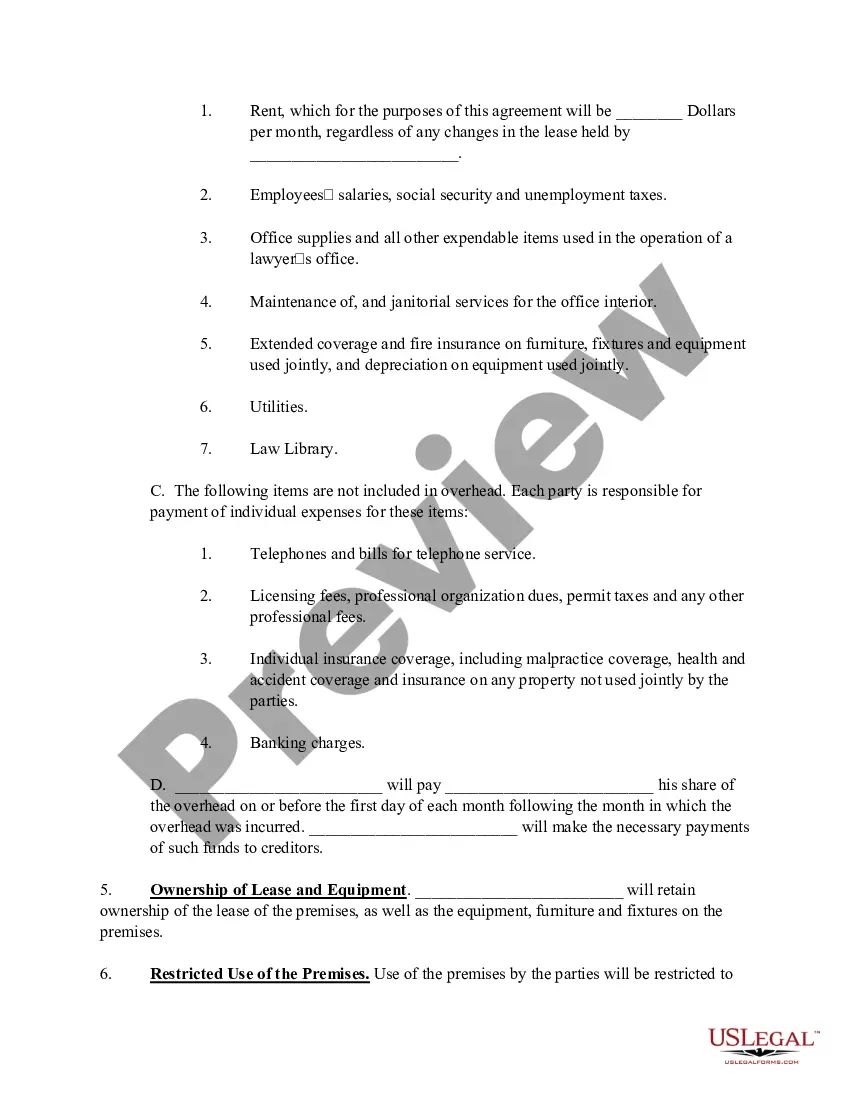
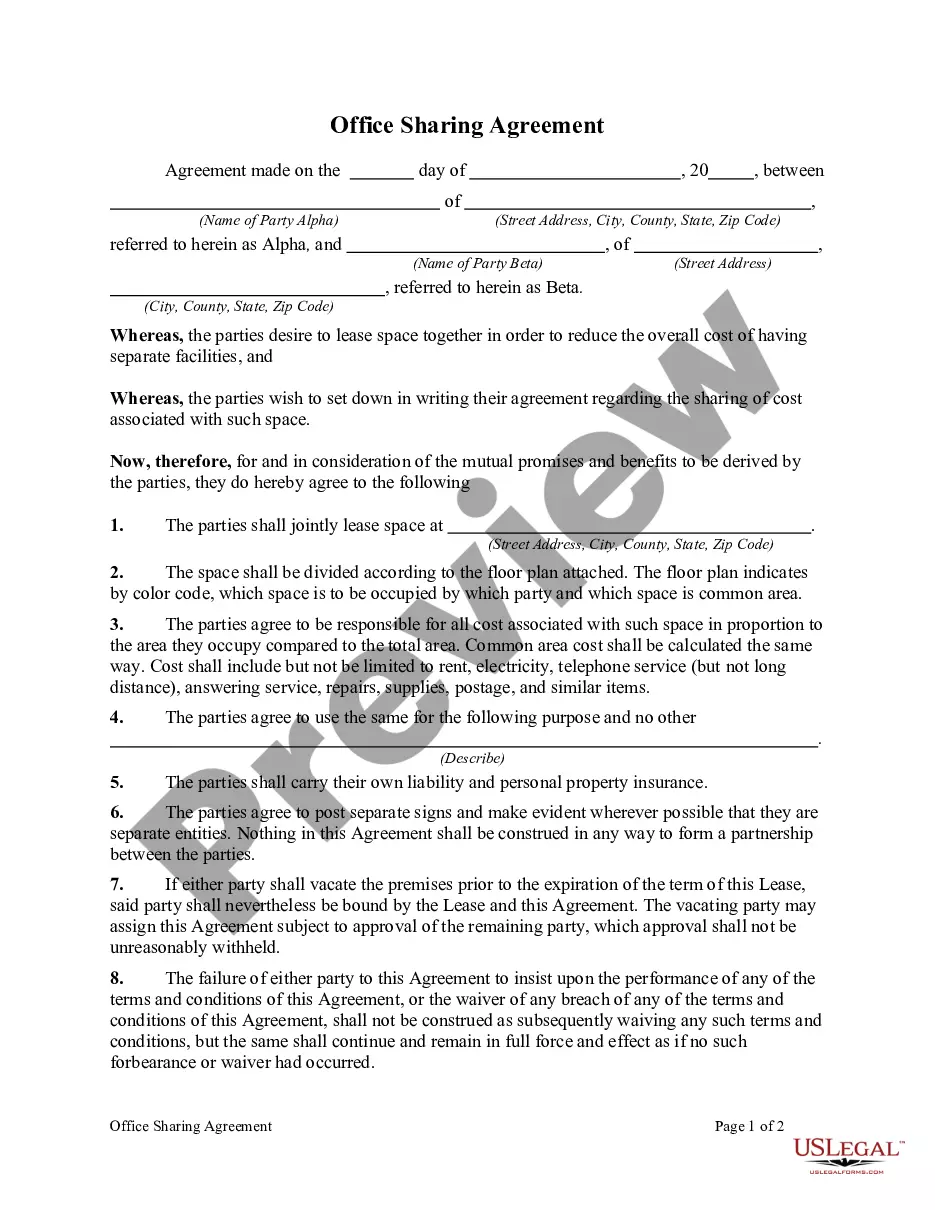
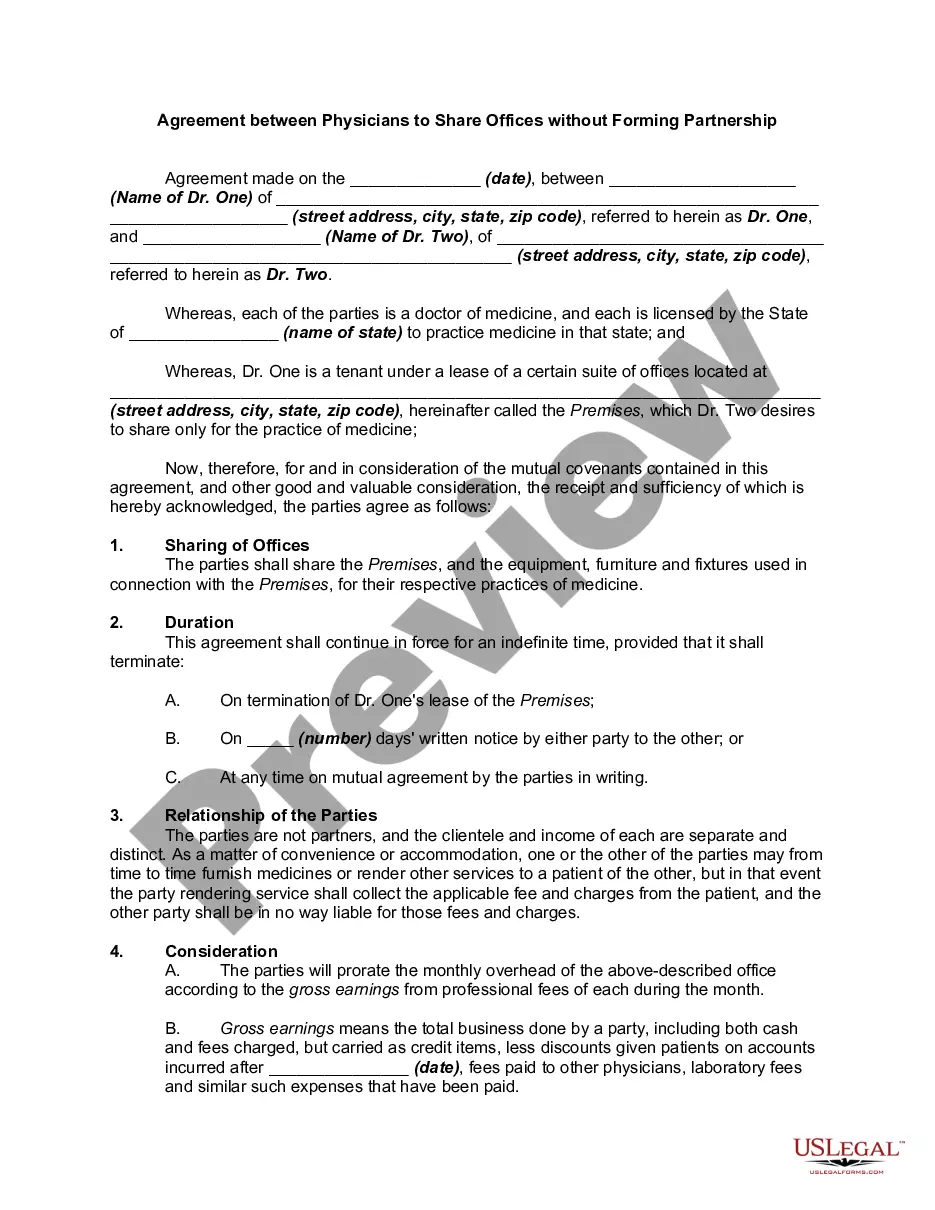
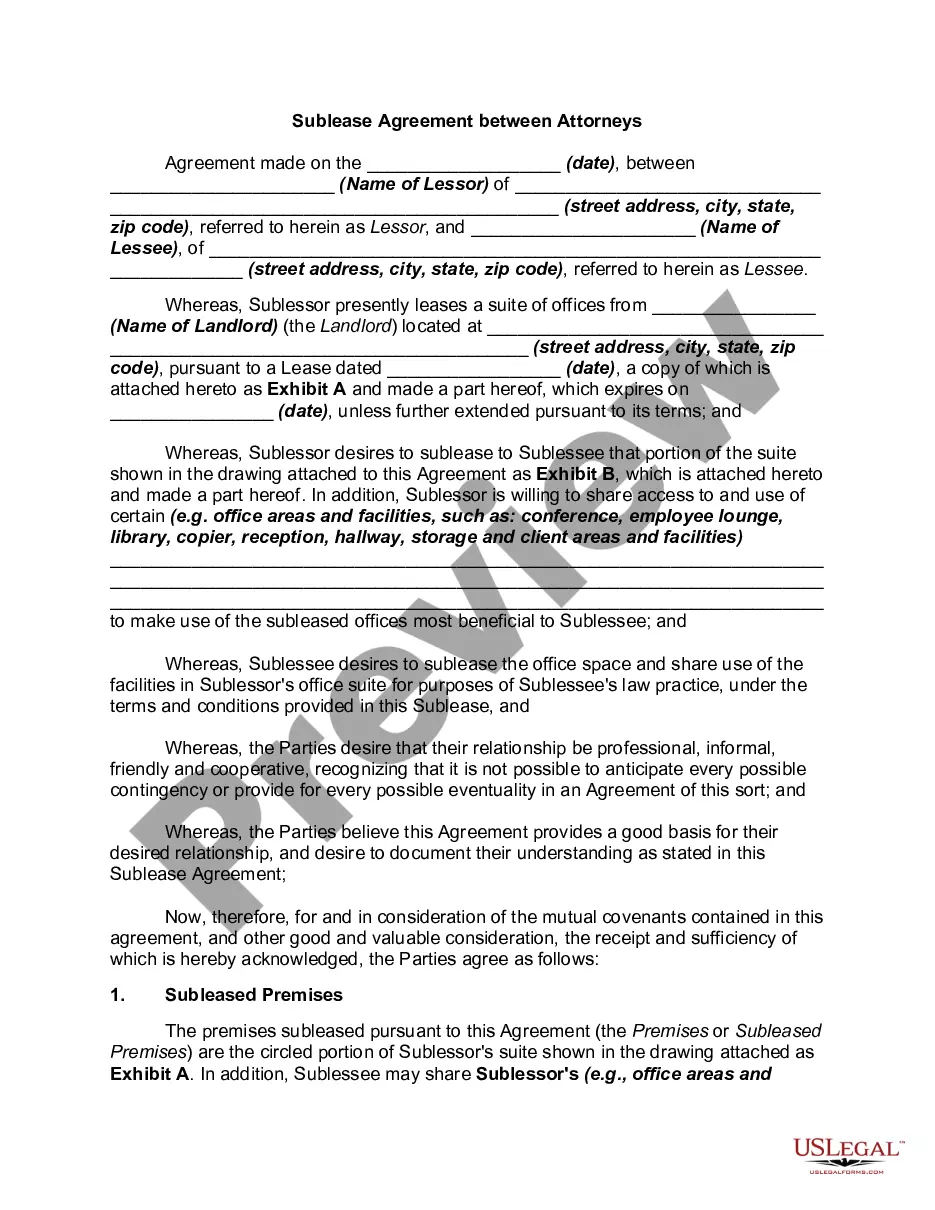
Get your form ready online
Our built-in tools help you complete, sign, share, and store your documents in one place.
Make edits, fill in missing information, and update formatting in US Legal Forms—just like you would in MS Word.
Download a copy, print it, send it by email, or mail it via USPS—whatever works best for your next step.
Sign and collect signatures with our SignNow integration. Send to multiple recipients, set reminders, and more. Go Premium to unlock E-Sign.
If this form requires notarization, complete it online through a secure video call—no need to meet a notary in person or wait for an appointment.
We protect your documents and personal data by following strict security and privacy standards.

Make edits, fill in missing information, and update formatting in US Legal Forms—just like you would in MS Word.

Download a copy, print it, send it by email, or mail it via USPS—whatever works best for your next step.

Sign and collect signatures with our SignNow integration. Send to multiple recipients, set reminders, and more. Go Premium to unlock E-Sign.

If this form requires notarization, complete it online through a secure video call—no need to meet a notary in person or wait for an appointment.

We protect your documents and personal data by following strict security and privacy standards.
Looking for another form?








Form popularity
FAQ
Texas Law for Pest Control in Rentals: Although laws regarding pest control vary by state, Texas Property Code 92 states: “For a condition that materially affects the physical health and safety of an ordinary tenant, the landlord is required to make repairs or to remedy the condition.”
The answer is yes. A resident is legally allowed to do so. However, this exposes you to more risks, including fines for zoning violations, complaints from neighbors about excessive noise, and hefty lawsuits from the renter's customers if they get injured while they're at your rental property.
Rent Increases There is not a statewide law that places limits on how much a landlord can increase the rent when a lease is renewed. In fact, Texas law only allows cities to establish local rent control ordinances in certain cases.
Ing to Texas Property Code 92.331, a landlord may not retaliate against you for any of the following actions: Doing anything that is allowed by your lease or by law. Asking that your landlord repair or fix something. Filing a complaint with a government agency.
5 Things A Landlord Cannot Do In Texas Discriminate Against Protected Classes. Retaliate Against A Complaining Tenant. Ignore Repair Requests That Affect Health And Safety. Unlawfully Withhold Security Deposits. Increase Rent Without Notice.
Other states, like California and Texas, require all adult tenants to sign the lease. Those who do not are considered a guest of the lease signing tenant.
When writing a letter to your landlord, be sure to include the following elements: Your full name and rental address. The date of the letter. A clear and concise subject line. A polite and professional tone throughout the letter. Specific details about your request or concern. A proposed solution or timeline, if applicable.
What are the parts of a formal letter? Header (date/address/return address) Date: When you write a formal letter, it's crucial to include the date on which you wrote it. Salutation. In a formal letter, the standard salutation is “Dear” followed by the recipient's title and last name. Body. Closing. Signature.
Elements: full mailing address of the sender. date on which letter is written. address of person to whom letter is addressed. subject line. salutation. body (the main message) complimentary closing. signature line (be sure to sign your letter)
In the first paragraph, introduce yourself and state the reason for your letter. Mention the specific property you are interested in and what about the property appeals to you. In the second paragraph, highlight your job history, including your current position and how long you have been employed there.
