A Protective Covenant For Property In North Carolina
Description

Get your form ready online
Our built-in tools help you complete, sign, share, and store your documents in one place.
Make edits, fill in missing information, and update formatting in US Legal Forms—just like you would in MS Word.
Download a copy, print it, send it by email, or mail it via USPS—whatever works best for your next step.
Sign and collect signatures with our SignNow integration. Send to multiple recipients, set reminders, and more. Go Premium to unlock E-Sign.
If this form requires notarization, complete it online through a secure video call—no need to meet a notary in person or wait for an appointment.
We protect your documents and personal data by following strict security and privacy standards.

Make edits, fill in missing information, and update formatting in US Legal Forms—just like you would in MS Word.

Download a copy, print it, send it by email, or mail it via USPS—whatever works best for your next step.

Sign and collect signatures with our SignNow integration. Send to multiple recipients, set reminders, and more. Go Premium to unlock E-Sign.

If this form requires notarization, complete it online through a secure video call—no need to meet a notary in person or wait for an appointment.

We protect your documents and personal data by following strict security and privacy standards.
Looking for another form?



Form popularity
FAQ
In North Carolina, there's a noteworthy aspect of restrictive covenants to consider; most covenants automatically expire after 30 years unless they are specifically for residential purposes only. This statutory limitation is a safeguard against outdated or unreasonable restrictions binding properties in perpetuity.
In North Carolina, blocking an easement is generally not an option once it is legally established. Easements are legally binding agreements or court orders that grant specific rights to others, and any attempt to physically obstruct these rights would likely constitute a breach of the easement agreement.
Set right of way or easements a minimum distance of 5′ to 10′ outside the construction limits. Generally, a typical width of 60′ to 100′ will be adequate.
They are commonly 30 feet wide. Pipes, manholes and meters are often located in the approximate center of an easement, however easements may be located elsewhere.
Property owners may not interfere with the purpose of an easement. For example, if a beneficiary electric company has wires strung across your yard, you can not take them down or block the workers' path. Violators may be held liable for damages to the easement holder.
Right-of-way is a specific form of easement. An easement is usually given across land for a singular purpose such as for a utility line. An easement for ingress and egress (the right to travel) may be permanent but is often temporary such as in a construction access easement.
ANSWER: The owner of real estate does not have any legal rights to access their property from a public right-of-way under North Carolina law simply because the property is landlocked.
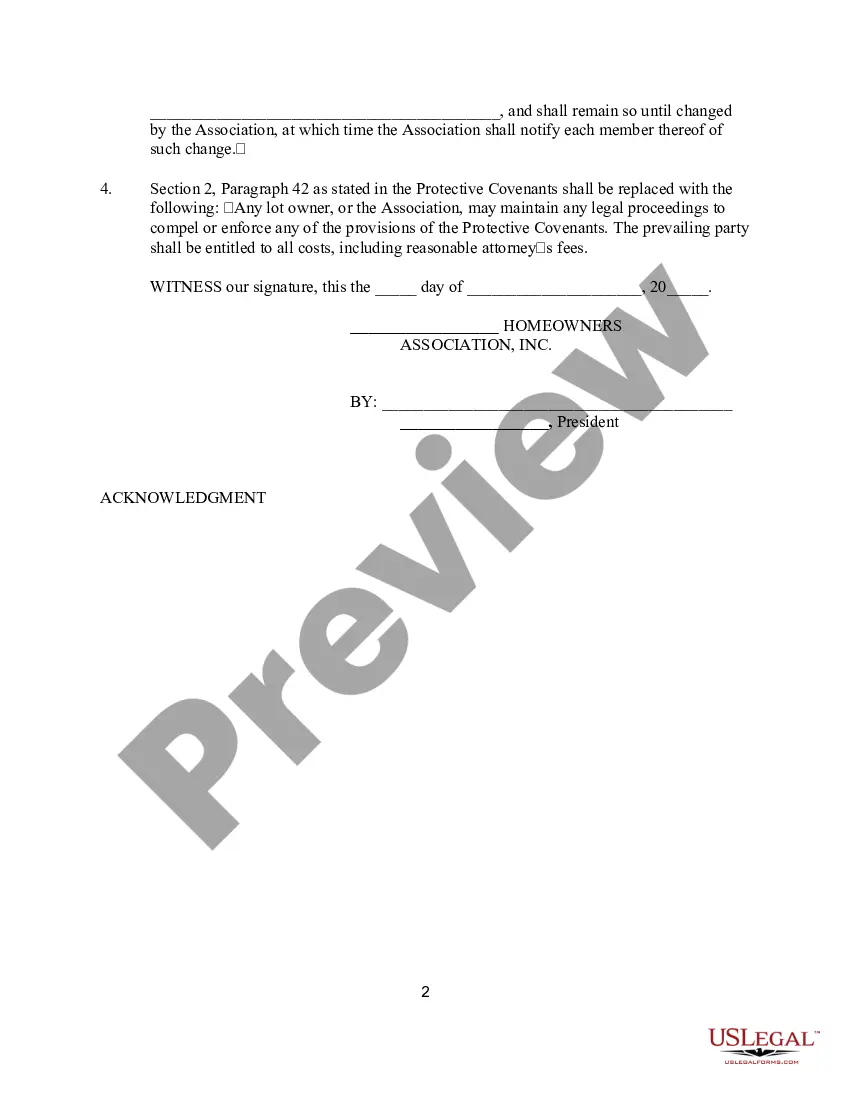
A protective covenant can be used to protect rights while using residential property. The restriction might be put from conducting any business activity on the property like using it for running office or business from the residential property.
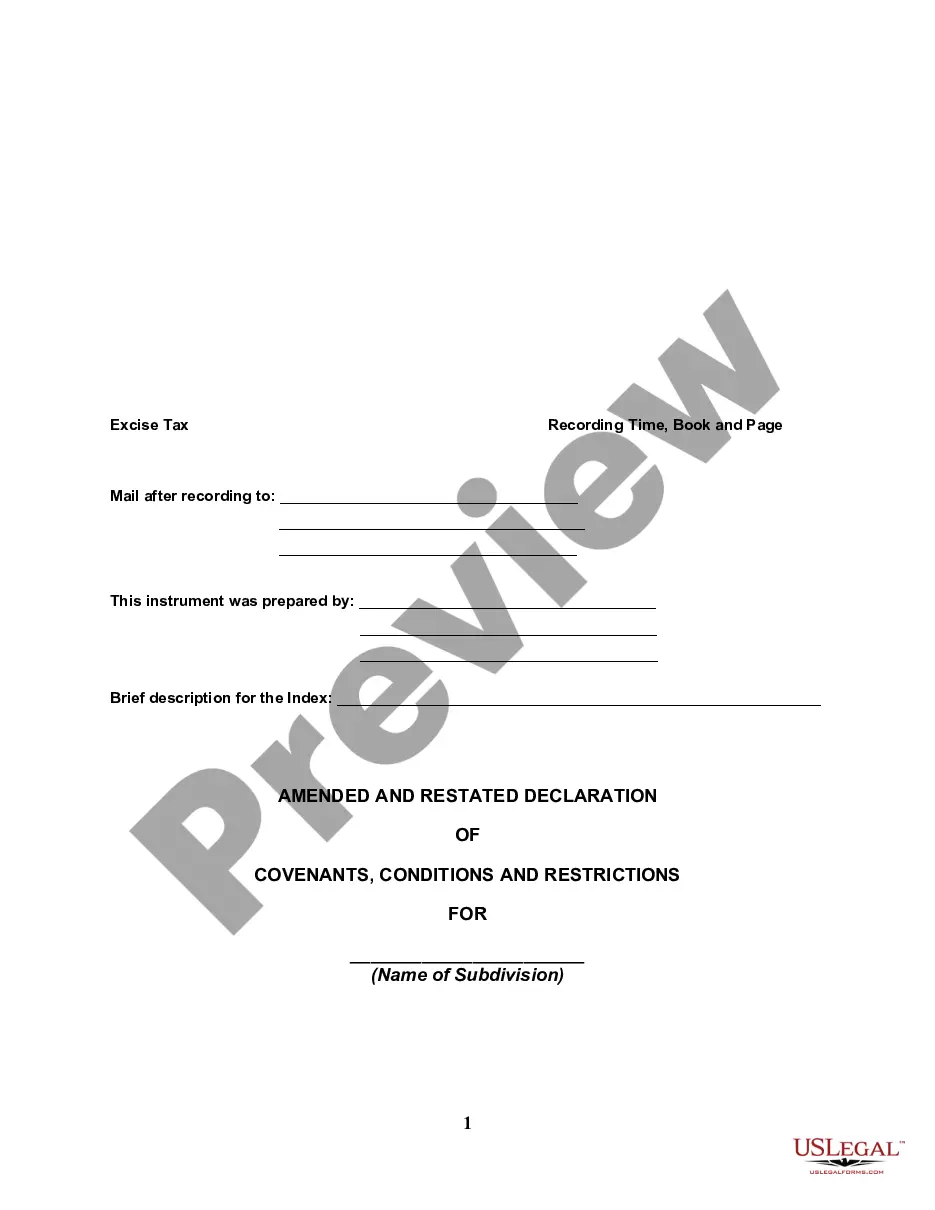
Protective covenants, also known as restrictive covenants, are legal obligations embedded in the deed of a property. These covenants are agreements between property owners that impose certain restrictions or requirements on the use of the land.