A Protective Covenant For Clues In Miami-Dade
Description
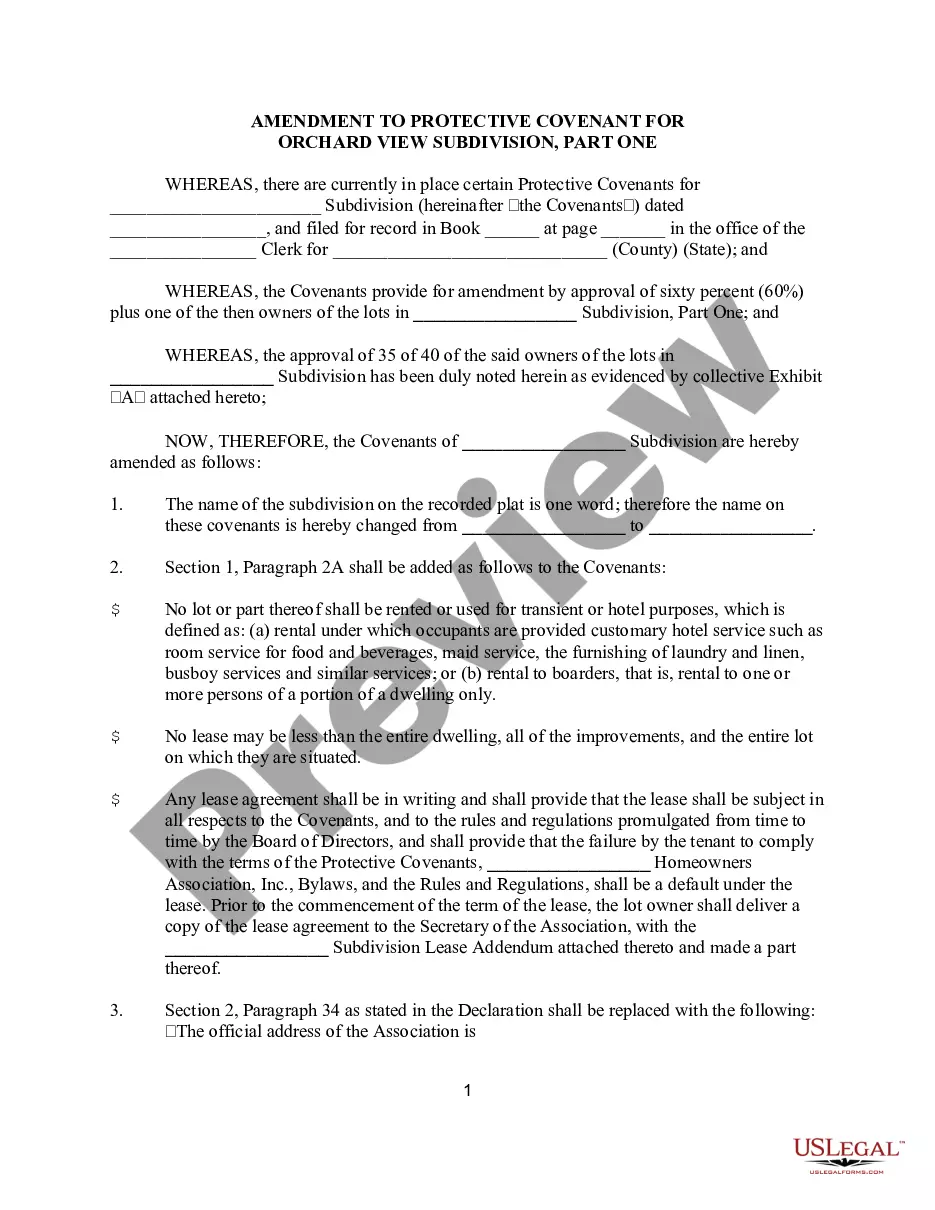
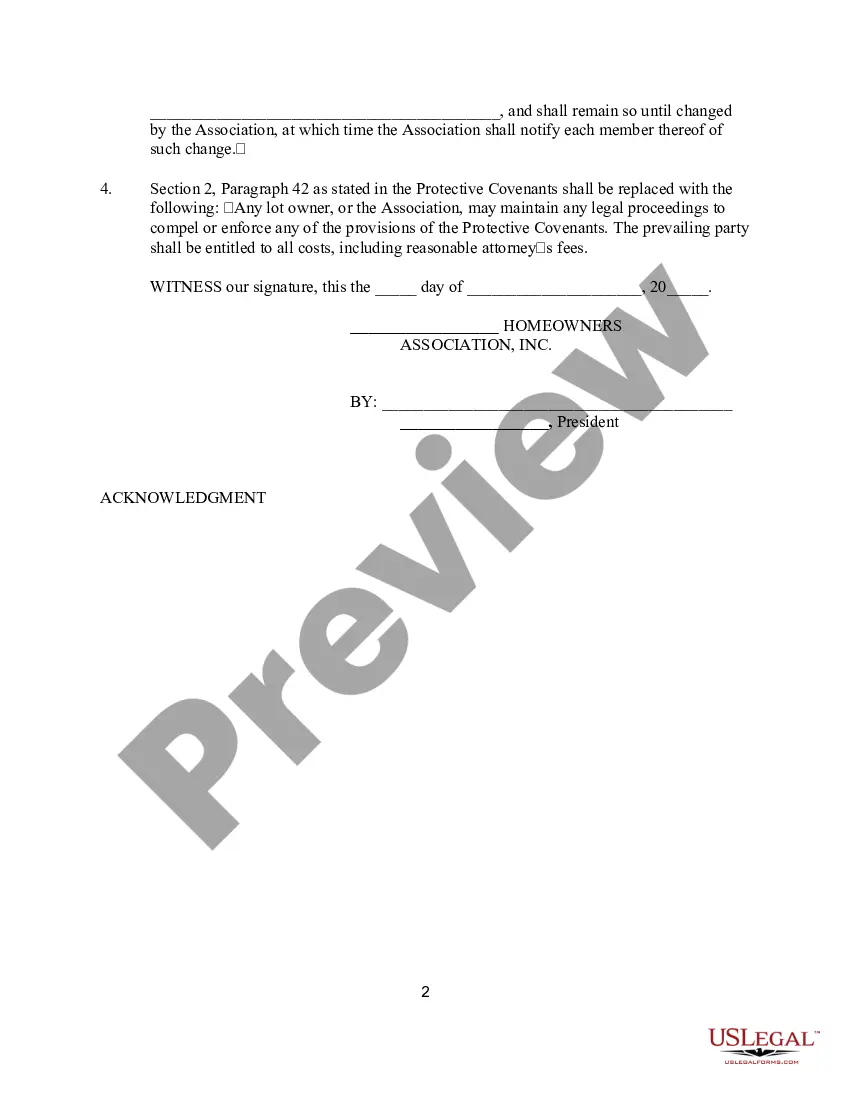
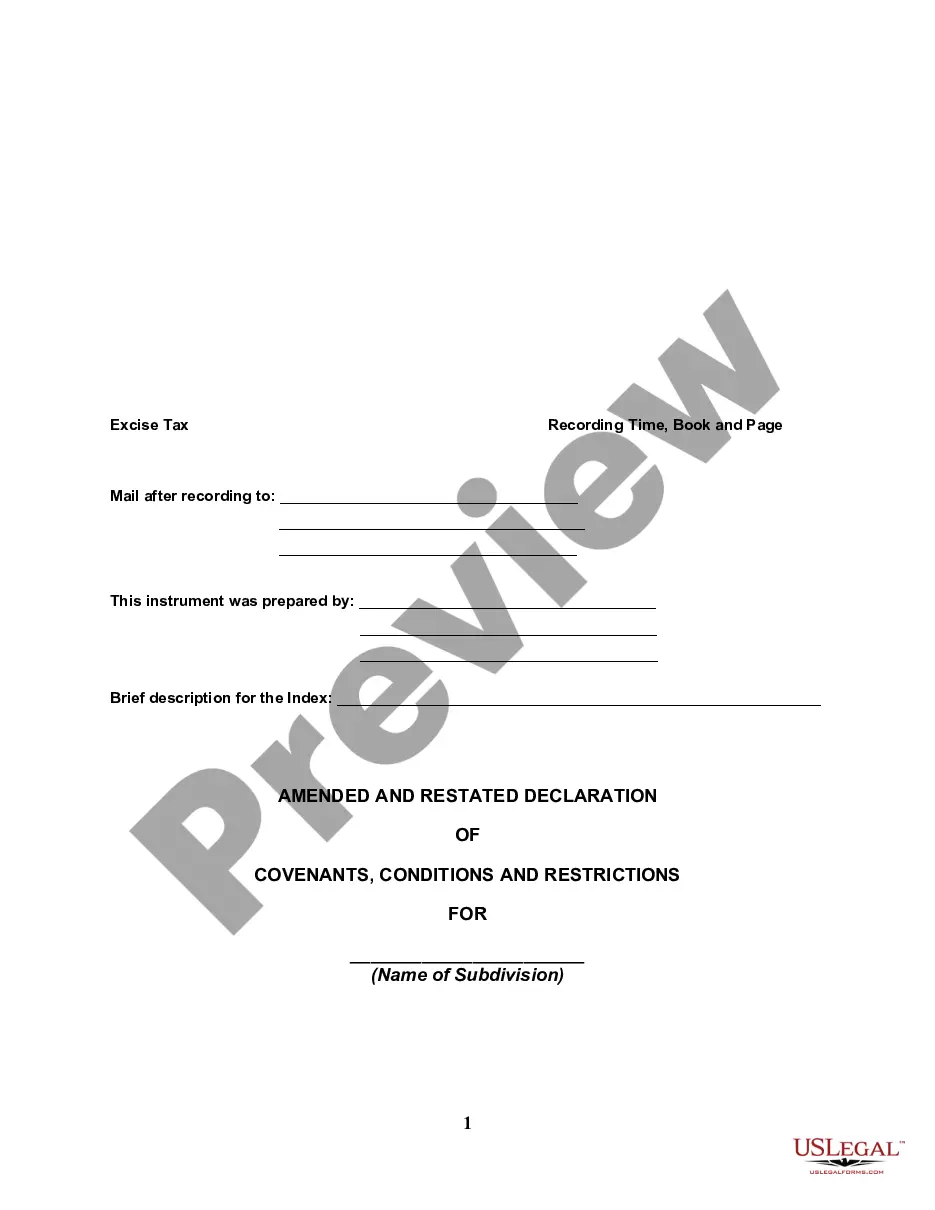
Get your form ready online
Our built-in tools help you complete, sign, share, and store your documents in one place.
Make edits, fill in missing information, and update formatting in US Legal Forms—just like you would in MS Word.
Download a copy, print it, send it by email, or mail it via USPS—whatever works best for your next step.
Sign and collect signatures with our SignNow integration. Send to multiple recipients, set reminders, and more. Go Premium to unlock E-Sign.
If this form requires notarization, complete it online through a secure video call—no need to meet a notary in person or wait for an appointment.
We protect your documents and personal data by following strict security and privacy standards.

Make edits, fill in missing information, and update formatting in US Legal Forms—just like you would in MS Word.

Download a copy, print it, send it by email, or mail it via USPS—whatever works best for your next step.

Sign and collect signatures with our SignNow integration. Send to multiple recipients, set reminders, and more. Go Premium to unlock E-Sign.

If this form requires notarization, complete it online through a secure video call—no need to meet a notary in person or wait for an appointment.

We protect your documents and personal data by following strict security and privacy standards.
Looking for another form?








Form popularity
FAQ
How do I challenge a restrictive covenant? Express release: It may be possible to negotiate the release or variation of a restrictive covenant. Indemnity insurance: It is possible to obtain indemnity insurance to protect against the risk of a person with the benefit of a restrictive covenant seeking to enforce it.
If a deed restriction is not enforceable, you can choose to ignore it and take on the risk of a neighbor filing suit, or you can seek out a judge's ruling to have the covenant removed from the deed. Obtaining that ruling is easier when no one is actively enforcing the covenant.
To officially end the restrictive covenants, it may be necessary to file a lawsuit seeking a declaration from a court that the covenants are no longer enforceable. This can be a complex legal process that may require the assistance of an attorney.
A restrictive covenant runs with the land, affecting successive owners. It will not cease to be enforceable just because it was created a long time ago. However, the covenant may be unenforceable for another reason. For example, where the seller failed to observe the relevant registration formalities.
A real covenant is only enforceable if it was created intentionally, it relates to the property in question, and two kinds of privity are established. Additionally, a real covenant must be in writing. The party capable of enforcing the covenant depends on whether the burden or the benefit runs with the land.
For example, restrictive covenants can prevent owners and tenants from making certain renovations, having pets, parking RVs in the driveway, or raising livestock.
Enforcing these covenants is the responsibility of the HOA's board of directors. They have the authority to take various actions, including issuing warnings, fines, or even pursuing legal action against homeowners who violate the covenant.
It is possible to apply to the Lands Chamber of the Upper Tribunal to have a restrictive covenant “discharged or modified”, as the statute puts it, in order to get the covenant removed or changed so that development can take place or the use of the land can be changed.
In most states, restrictive covenants are enforceable only if they serve a legitimate business purpose and are reasonable in duration, geographic scope and with respect to the substantive nature of the activity being restricted.
