Covenants Form For Client In Virginia
Description

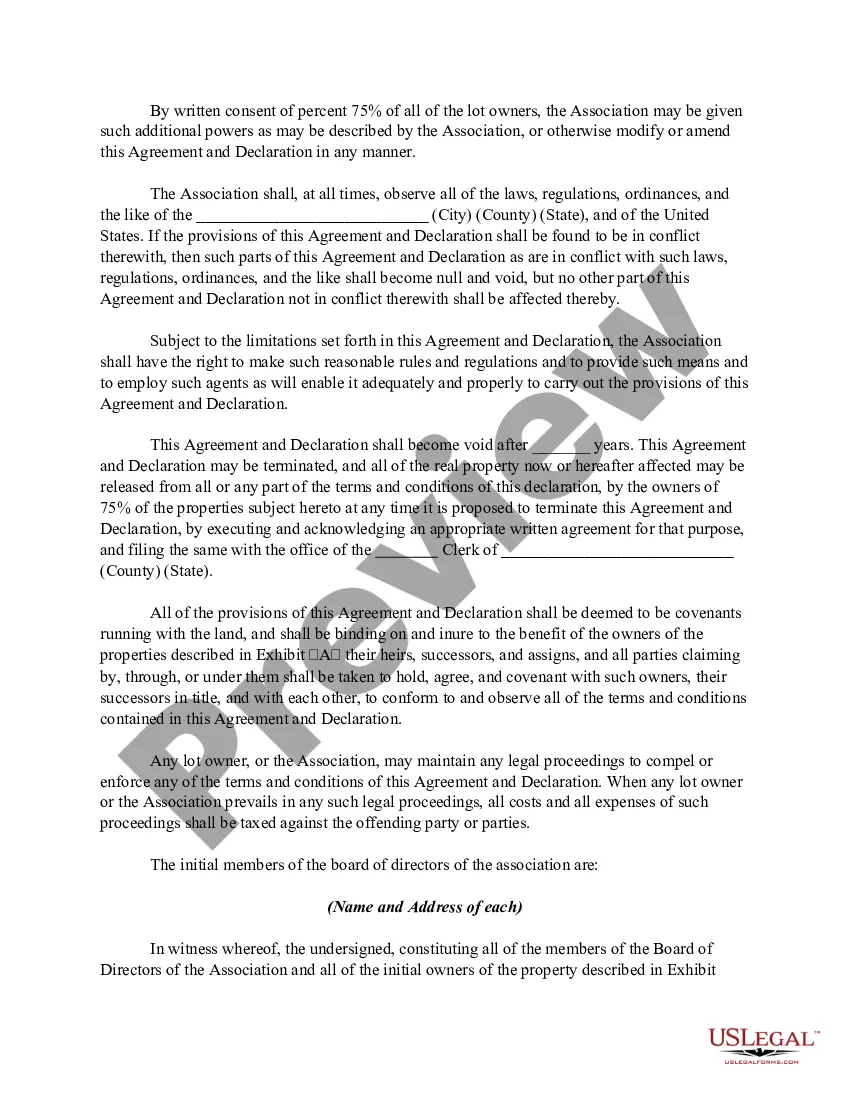
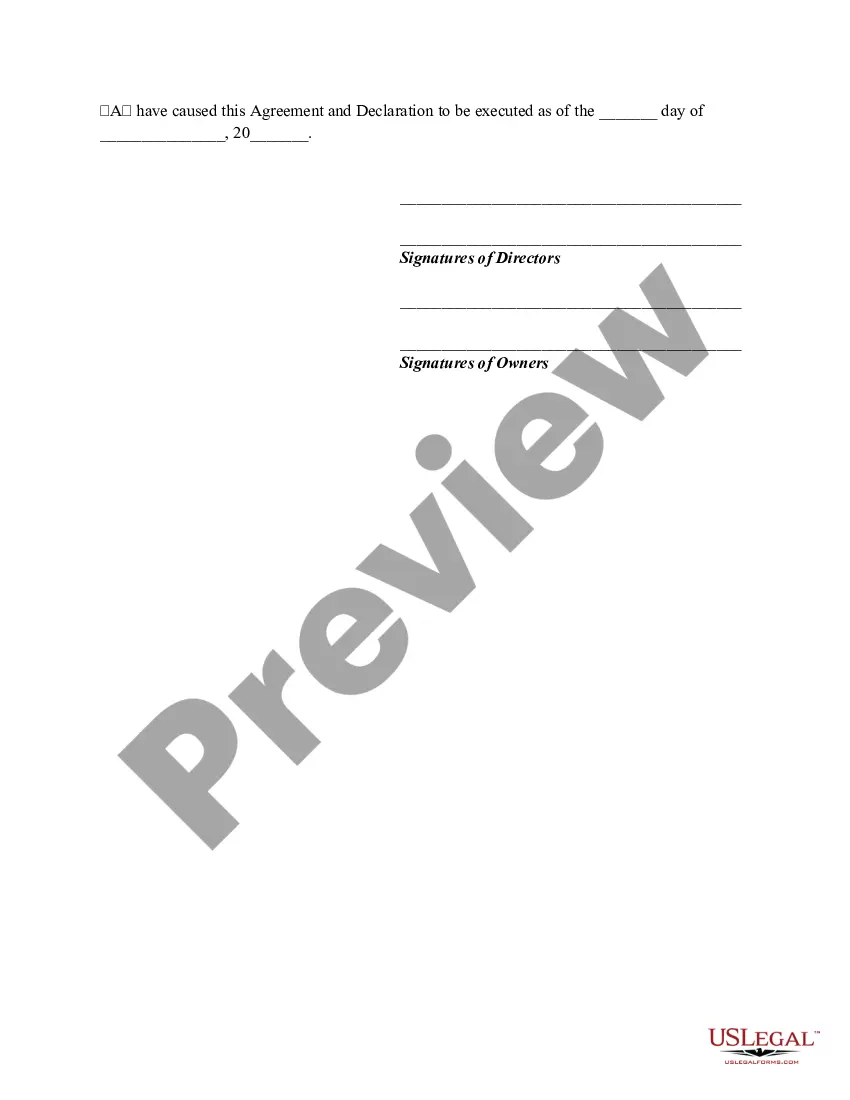
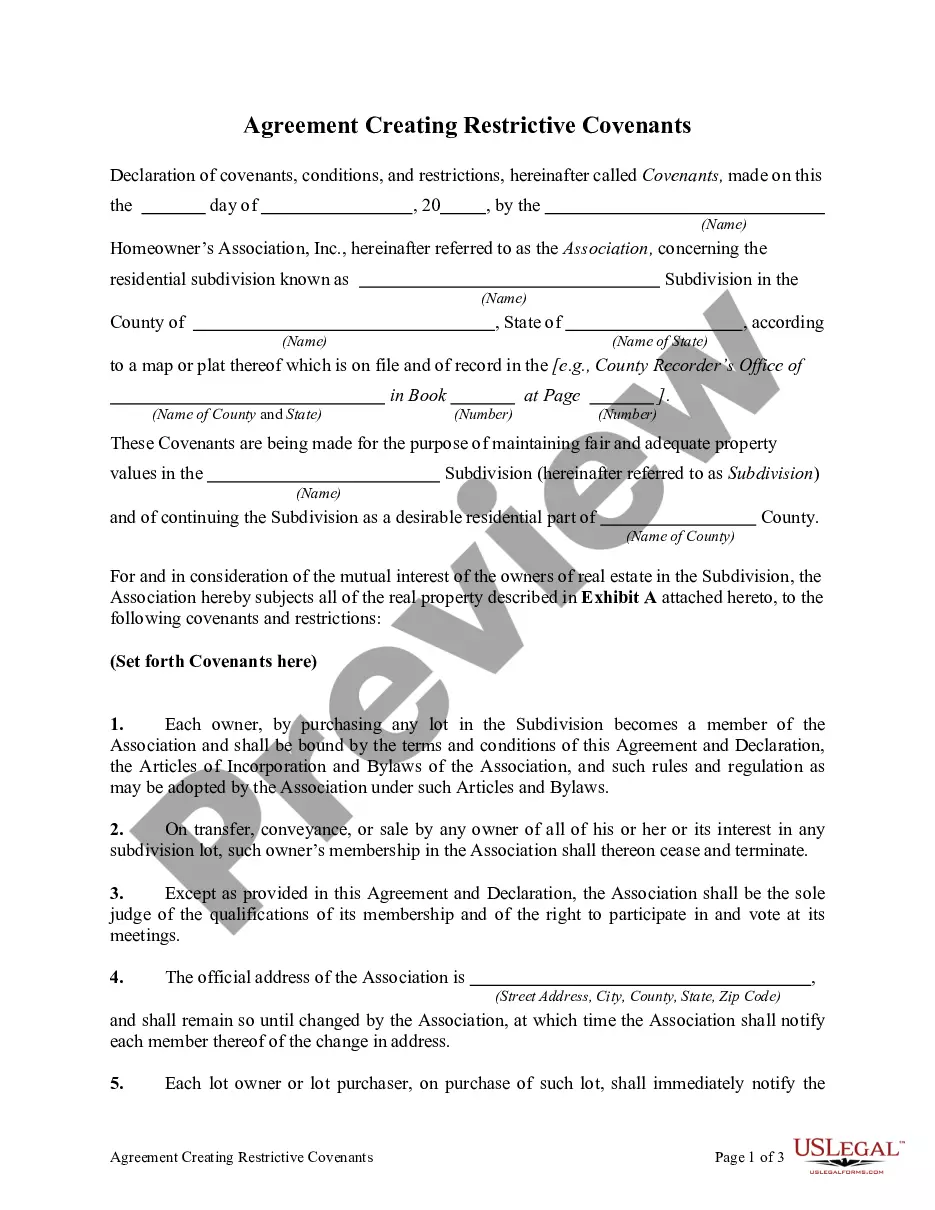
Get your form ready online
Our built-in tools help you complete, sign, share, and store your documents in one place.
Make edits, fill in missing information, and update formatting in US Legal Forms—just like you would in MS Word.
Download a copy, print it, send it by email, or mail it via USPS—whatever works best for your next step.
Sign and collect signatures with our SignNow integration. Send to multiple recipients, set reminders, and more. Go Premium to unlock E-Sign.
If this form requires notarization, complete it online through a secure video call—no need to meet a notary in person or wait for an appointment.
We protect your documents and personal data by following strict security and privacy standards.

Make edits, fill in missing information, and update formatting in US Legal Forms—just like you would in MS Word.

Download a copy, print it, send it by email, or mail it via USPS—whatever works best for your next step.

Sign and collect signatures with our SignNow integration. Send to multiple recipients, set reminders, and more. Go Premium to unlock E-Sign.

If this form requires notarization, complete it online through a secure video call—no need to meet a notary in person or wait for an appointment.

We protect your documents and personal data by following strict security and privacy standards.
Looking for another form?




Form popularity
FAQ
Protection of assignees or transferees of debts secured by real estate; form of certificate of transfer.
All deeds, homestead deeds and leases of personal property, bills of sale, and all other contracts or liens as to personal property, which are by law required or permitted to be recorded, all mechanics' liens, all other liens not directed to be recorded elsewhere and all other writings relating to or affecting personal ...
After or accompanying payment in full of the obligation secured by a deed of trust or judgment lien, a settlement agent or title insurance company intending to release a deed of trust or judgment lien pursuant to this subsection shall deliver to the lien creditor by certified mail or commercial overnight delivery ...
In Virginia, only attorneys or property owners can legally prepare a deed. To be legally recognized, a deed has to satisfy several key state-specific requirements: It should be an original or a first-generation printout as per Va.
Can I prepare my own deed? The Clerk's Office Land Records Department will accept a deed prepared by a property owner or an attorney, who is a member of the Virginia Bar. The document must meet all recording standards.
Generally speaking, deed restrictions do not expire unless there is a specified, written expiration date. If there is a specific expiration date, it is possible for an HOA to vote to extend the time limit on the restriction.
Can I prepare my own deed? The Clerk's Office Land Records Department will accept a deed prepared by a property owner or an attorney, who is a member of the Virginia Bar. The document must meet all recording standards.
Employers often include in employment contracts what are referred to as “restrictive covenants.” This term is generally used to describe two main types of contractual clause: the non-solicitation clause and the non-compete clause.
Restrictive Covenants, Explained This restricts how homeowners can manage and modify their land. Examples include restrictions on fence options, the type of animals allowed and the use of outbuildings, such as sheds.
Restrictive covenants in employment agreements (like non-compete and non-soliciation provisions) are disfavored in Virginia and only enforced when narrowly crafted so that the restrictions are no broader than necessary to protect the employer's legitimate business interests.