Covenant Agreement Meaning In Philadelphia
Description

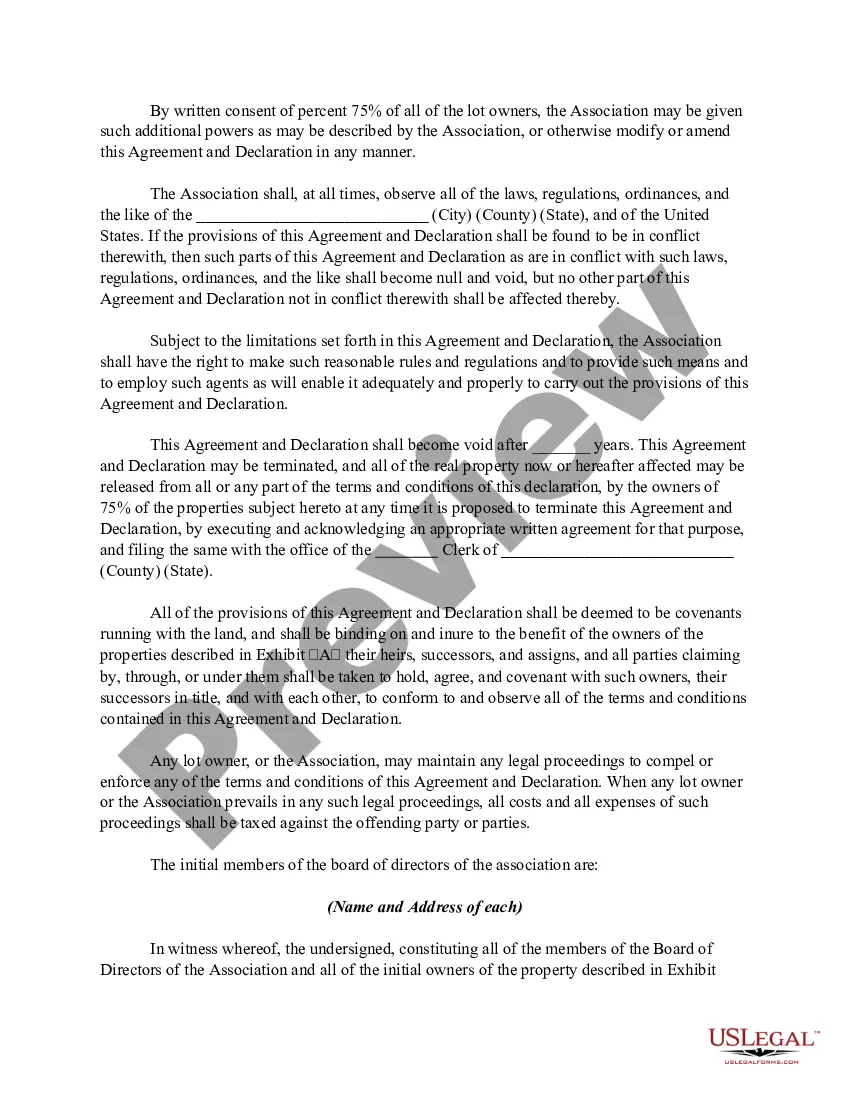
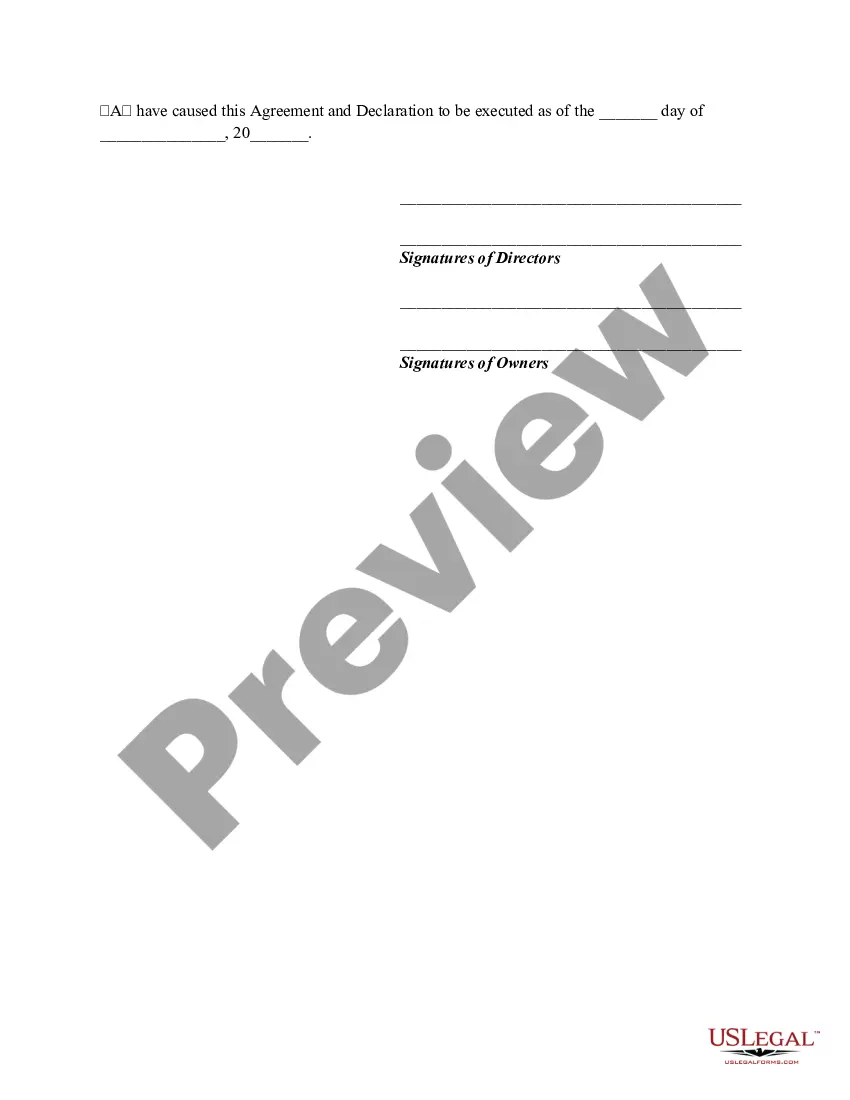
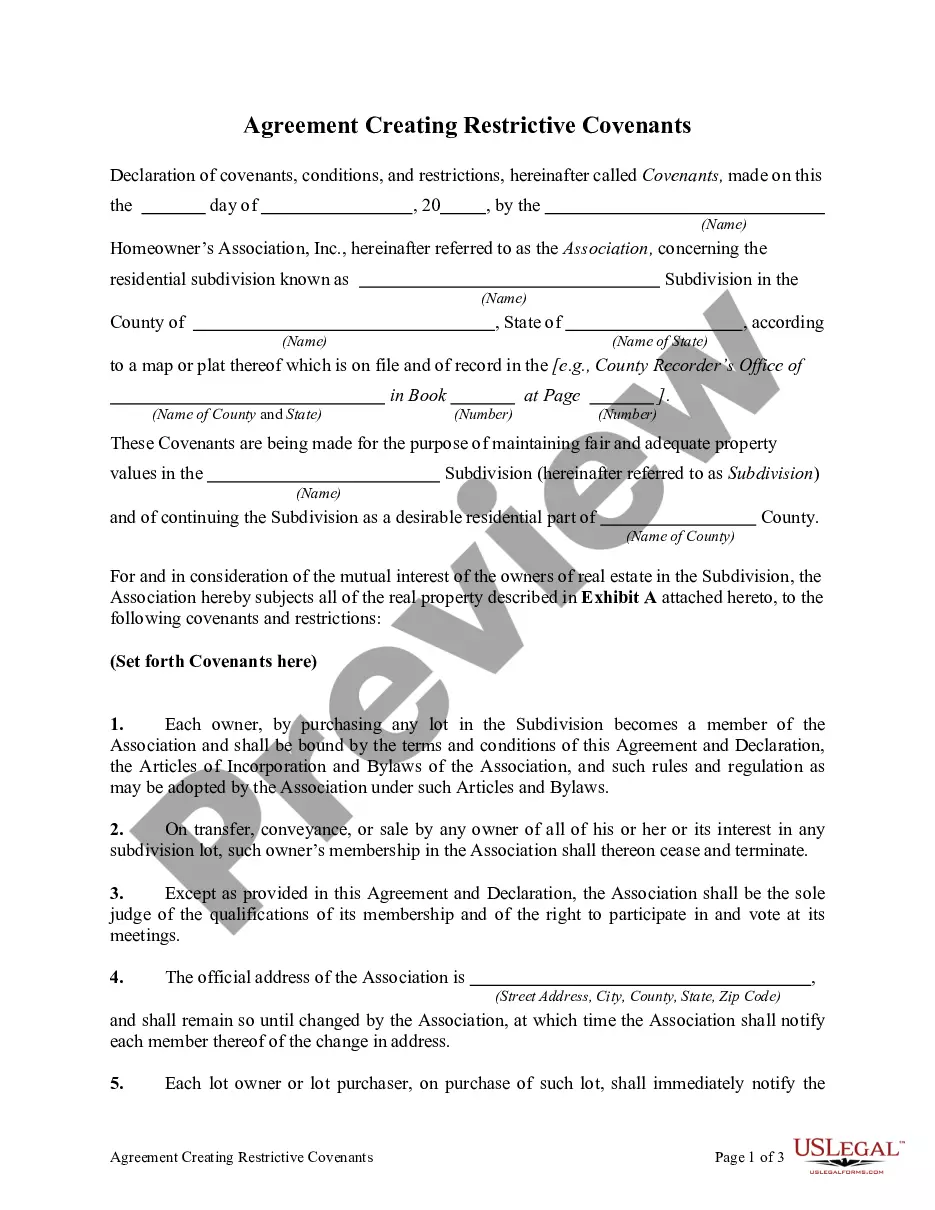
Get your form ready online
Our built-in tools help you complete, sign, share, and store your documents in one place.
Make edits, fill in missing information, and update formatting in US Legal Forms—just like you would in MS Word.
Download a copy, print it, send it by email, or mail it via USPS—whatever works best for your next step.
Sign and collect signatures with our SignNow integration. Send to multiple recipients, set reminders, and more. Go Premium to unlock E-Sign.
If this form requires notarization, complete it online through a secure video call—no need to meet a notary in person or wait for an appointment.
We protect your documents and personal data by following strict security and privacy standards.

Make edits, fill in missing information, and update formatting in US Legal Forms—just like you would in MS Word.

Download a copy, print it, send it by email, or mail it via USPS—whatever works best for your next step.

Sign and collect signatures with our SignNow integration. Send to multiple recipients, set reminders, and more. Go Premium to unlock E-Sign.

If this form requires notarization, complete it online through a secure video call—no need to meet a notary in person or wait for an appointment.

We protect your documents and personal data by following strict security and privacy standards.
Looking for another form?






Form popularity
FAQ
A covenant is a chosen relationship or partnership in which two parties make binding promises to each other and work together to reach a common goal. They're often accompanied by oaths, signs, and ceremonies.
The History and Effects of Racial Covenants in Philadelphia Property developers used these racial covenants to prevent African Americans and other minority groups from owning, renting, or residing in homes located in more desirable parts of the city and predominantly white neighborhoods.
One of the most common restrictive covenants is not to do or keep anything on the property that could be a nuisance to the neighbouring properties. This is general covenant that could cover a wide variety of actions, to try to keep the area a pleasant place to live.
These covenants were agreements added to property deeds that typically prohibited the sale or lease of the property to non-White persons. In Philadelphia, such covenants were put into place to restrict the movement of Black residents into new developments and predominantly White neighborhoods.
Employers often include in employment contracts what are referred to as “restrictive covenants.” This term is generally used to describe two main types of contractual clause: the non-solicitation clause and the non-compete clause.
Restrictive Covenants, Explained This restricts how homeowners can manage and modify their land. Examples include restrictions on fence options, the type of animals allowed and the use of outbuildings, such as sheds.
A covenant agreement is akin to a contractual agreement between parties. It often outlines terms and conditions where a party will perform a certain action or refrain from performing a certain action. Covenants are legally binding and enforceable.
: a written agreement or promise usually under seal between two or more parties especially for the performance of some action.
The covenant is a promise that God made with Abraham. ing to the covenant, God would offer protection and land to Abraham and his descendants, but they must follow the path of God. God then commanded Abraham and his future generations to perform the ritual of circumcision (brit milah) as a symbol of the covenant.
A contract is an agreement between parties while a covenant is a pledge. A contract is an agreement you can break while a covenant is a perpetual promise. You seal a covenant while you sign a contract. A contract is a mutually beneficial relationship while a covenant is something you fulfill.
