Restrictive Covenant For Physician In North Carolina
Description

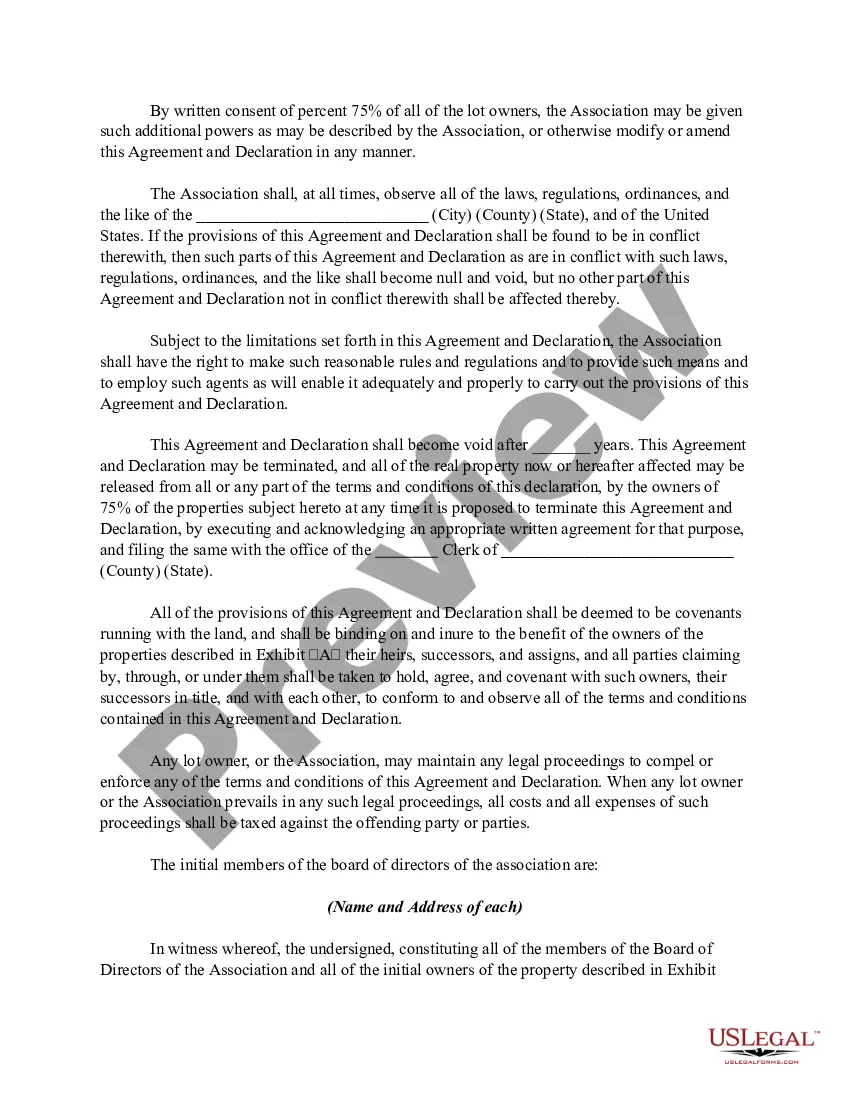
Get your form ready online
Our built-in tools help you complete, sign, share, and store your documents in one place.
Make edits, fill in missing information, and update formatting in US Legal Forms—just like you would in MS Word.
Download a copy, print it, send it by email, or mail it via USPS—whatever works best for your next step.
Sign and collect signatures with our SignNow integration. Send to multiple recipients, set reminders, and more. Go Premium to unlock E-Sign.
If this form requires notarization, complete it online through a secure video call—no need to meet a notary in person or wait for an appointment.
We protect your documents and personal data by following strict security and privacy standards.

Make edits, fill in missing information, and update formatting in US Legal Forms—just like you would in MS Word.

Download a copy, print it, send it by email, or mail it via USPS—whatever works best for your next step.

Sign and collect signatures with our SignNow integration. Send to multiple recipients, set reminders, and more. Go Premium to unlock E-Sign.

If this form requires notarization, complete it online through a secure video call—no need to meet a notary in person or wait for an appointment.

We protect your documents and personal data by following strict security and privacy standards.
Looking for another form?






Form popularity
FAQ
In general terms, it provides that, when a person, alone or together with prior owners, owns real property for 30 years, certain interests such as restrictive covenants that were created more than 30 years earlier are extinguished.
Restrictive Covenants, Explained This restricts how homeowners can manage and modify their land. Examples include restrictions on fence options, the type of animals allowed and the use of outbuildings, such as sheds.
Non-Competitive Activity at New Employer: One of the most straightforward ways to overcome a noncompete is by ensuring that your new role with a different employer is in a non-competitive capacity. If you're not engaging in activities that directly compete with your former employer's business, you may be in the clear.
In North Carolina, non-compete agreements are enforceable, but only under strict conditions. A valid non-compete must meet certain criteria, including being in writing, having a reasonable time and territory restriction, and being part of your employment contract.
North Carolina's “blue-pencil” rule This rule allows the court to strike out a distinctly separable part of the covenant in order to render the non-compete agreement reasonable. The court, though, may not otherwise revise or rewrite the covenant.
In North Carolina, there's a noteworthy aspect of restrictive covenants to consider; most covenants automatically expire after 30 years unless they are specifically for residential purposes only. This statutory limitation is a safeguard against outdated or unreasonable restrictions binding properties in perpetuity.
In Georgia, a non-compete agreement may be declared unenforceable or invalid for a number of reasons, including: An unreasonable time period (under the newest version of Georgia's non-compete law, restraints lasting more than 2 years are presumed unreasonable) An unreasonable restriction on geographic territory.
Applying this general rule, medical practices must be owned by licensed physicians. Under some circumstances, a medical practice may be jointly owned by a combination of other authorized clinicians as listed in N.C. Gen. Stat. § 55B-14(c).
