Restrictive Covenant For A Subdivision Can Be Enforced By In Mecklenburg
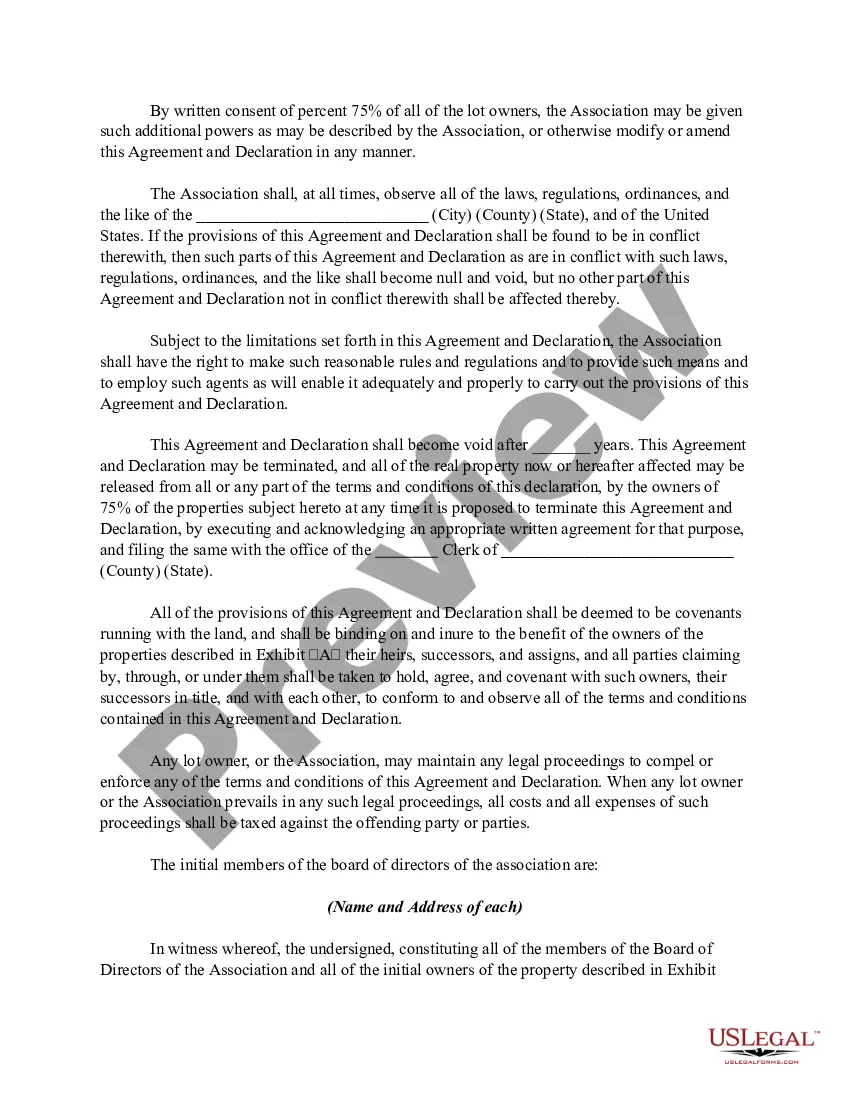
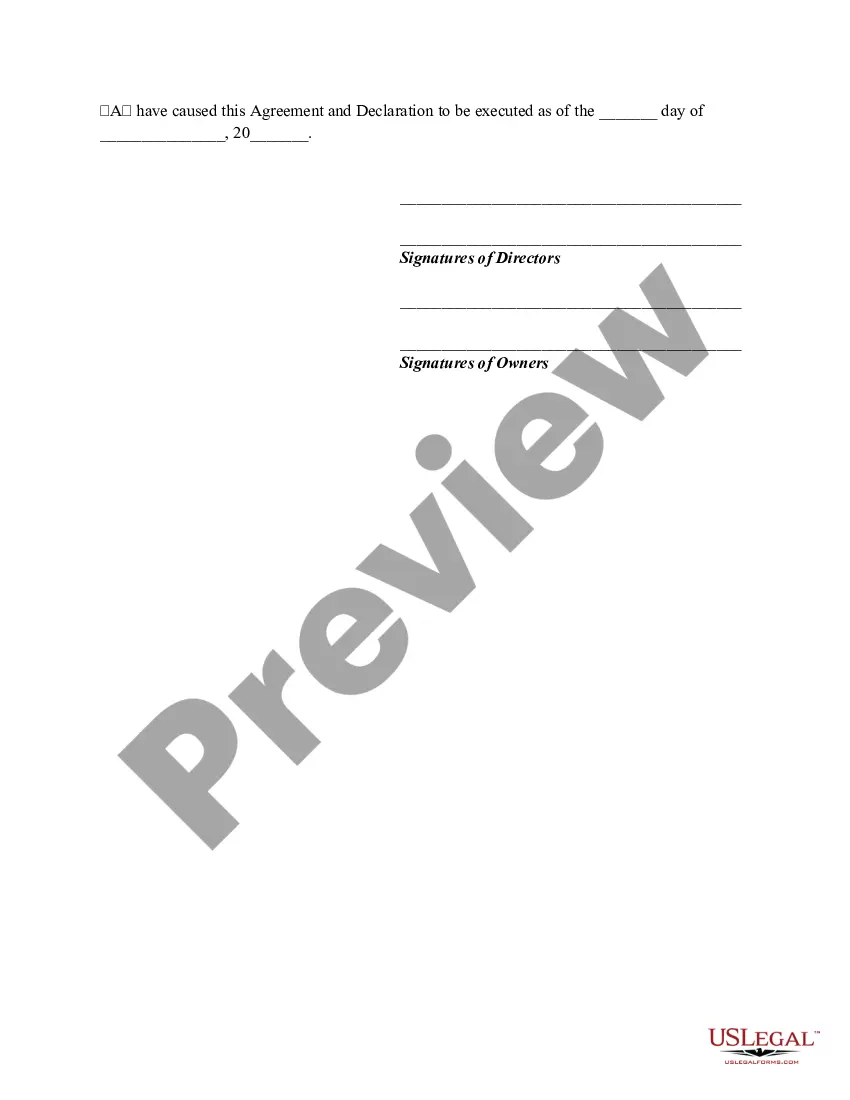
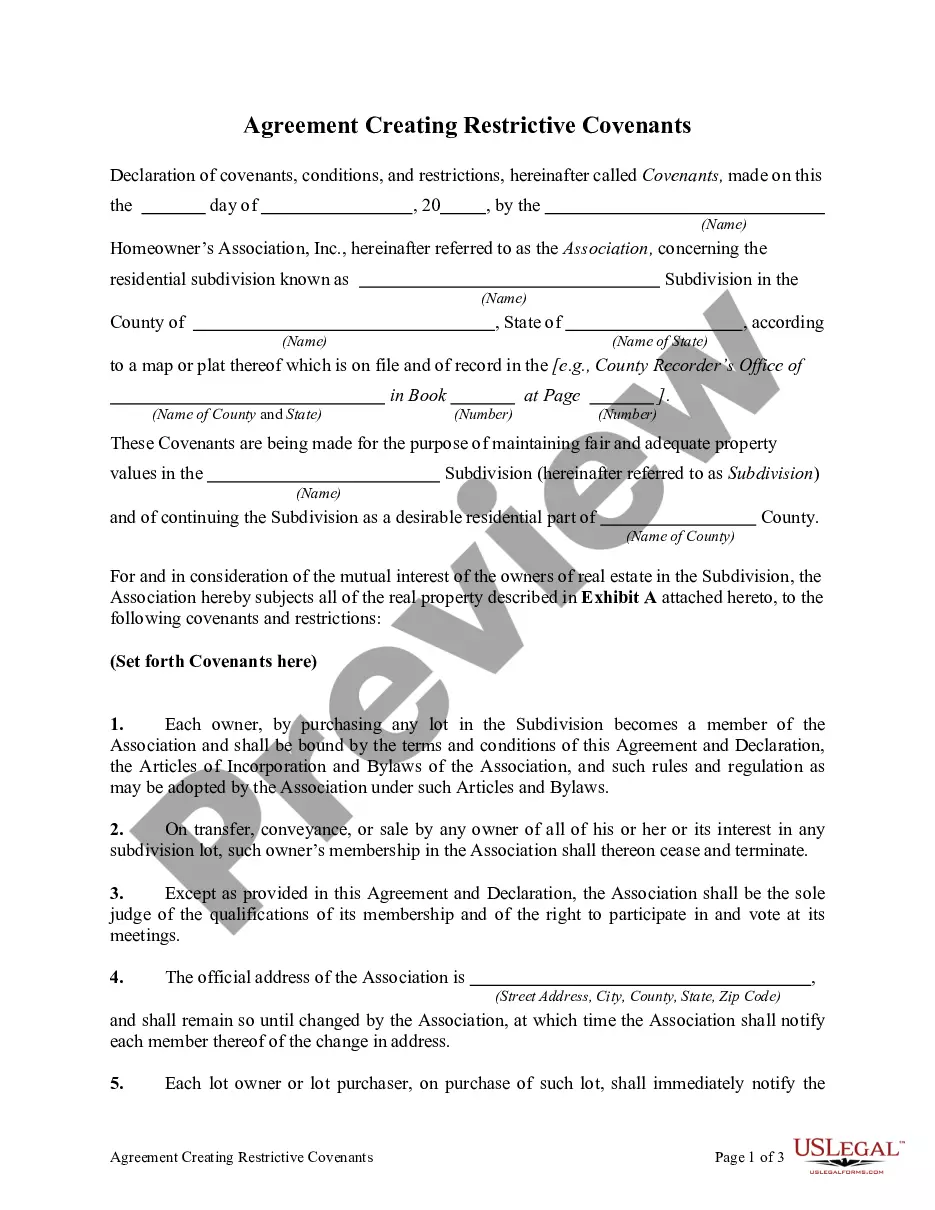
Description

Get your form ready online
Our built-in tools help you complete, sign, share, and store your documents in one place.
Make edits, fill in missing information, and update formatting in US Legal Forms—just like you would in MS Word.
Download a copy, print it, send it by email, or mail it via USPS—whatever works best for your next step.
Sign and collect signatures with our SignNow integration. Send to multiple recipients, set reminders, and more. Go Premium to unlock E-Sign.
If this form requires notarization, complete it online through a secure video call—no need to meet a notary in person or wait for an appointment.
We protect your documents and personal data by following strict security and privacy standards.

Make edits, fill in missing information, and update formatting in US Legal Forms—just like you would in MS Word.

Download a copy, print it, send it by email, or mail it via USPS—whatever works best for your next step.

Sign and collect signatures with our SignNow integration. Send to multiple recipients, set reminders, and more. Go Premium to unlock E-Sign.

If this form requires notarization, complete it online through a secure video call—no need to meet a notary in person or wait for an appointment.

We protect your documents and personal data by following strict security and privacy standards.
Looking for another form?






Form popularity
FAQ
My limited understanding is, restrictive covenants are only enforceable by a home owners association created among them. A local government isn't going to swoop in and enforce, or defend, a covenant that you created on your property. The local government is only concerned with land use ordinance's and state laws.
Restrictive covenants are usually enforced by the association's board. These agreements are also called Declarations of Covenants, Conditions, and Restrictions (CC&Rs).
What is a restrictive covenant? A restrictive covenant is a contract between 2 landowners. One landowner promises the other landowner not to carry out certain acts on their own land. Restrictive covenants usually happen when somebody selling land wishes to restrict what the buyer can do with it.
Restrictive covenants are laws imposed by local government authorities. FALSE. Restrictive covenants are requirements imposed by neighborhoods in order to maintain resale value. Zoning ordinances are government-authorized laws.
In North Carolina, there's a noteworthy aspect of restrictive covenants to consider; most covenants automatically expire after 30 years unless they are specifically for residential purposes only. This statutory limitation is a safeguard against outdated or unreasonable restrictions binding properties in perpetuity.
How do I challenge a restrictive covenant? Express release: It may be possible to negotiate the release or variation of a restrictive covenant. Indemnity insurance: It is possible to obtain indemnity insurance to protect against the risk of a person with the benefit of a restrictive covenant seeking to enforce it.
Restrictive covenants are most common when your property is part of a homeowners association, inium association, or planned community. Typical limits include restrictions on how many people can occupy the home and the colors you are allowed to paint the exterior.
