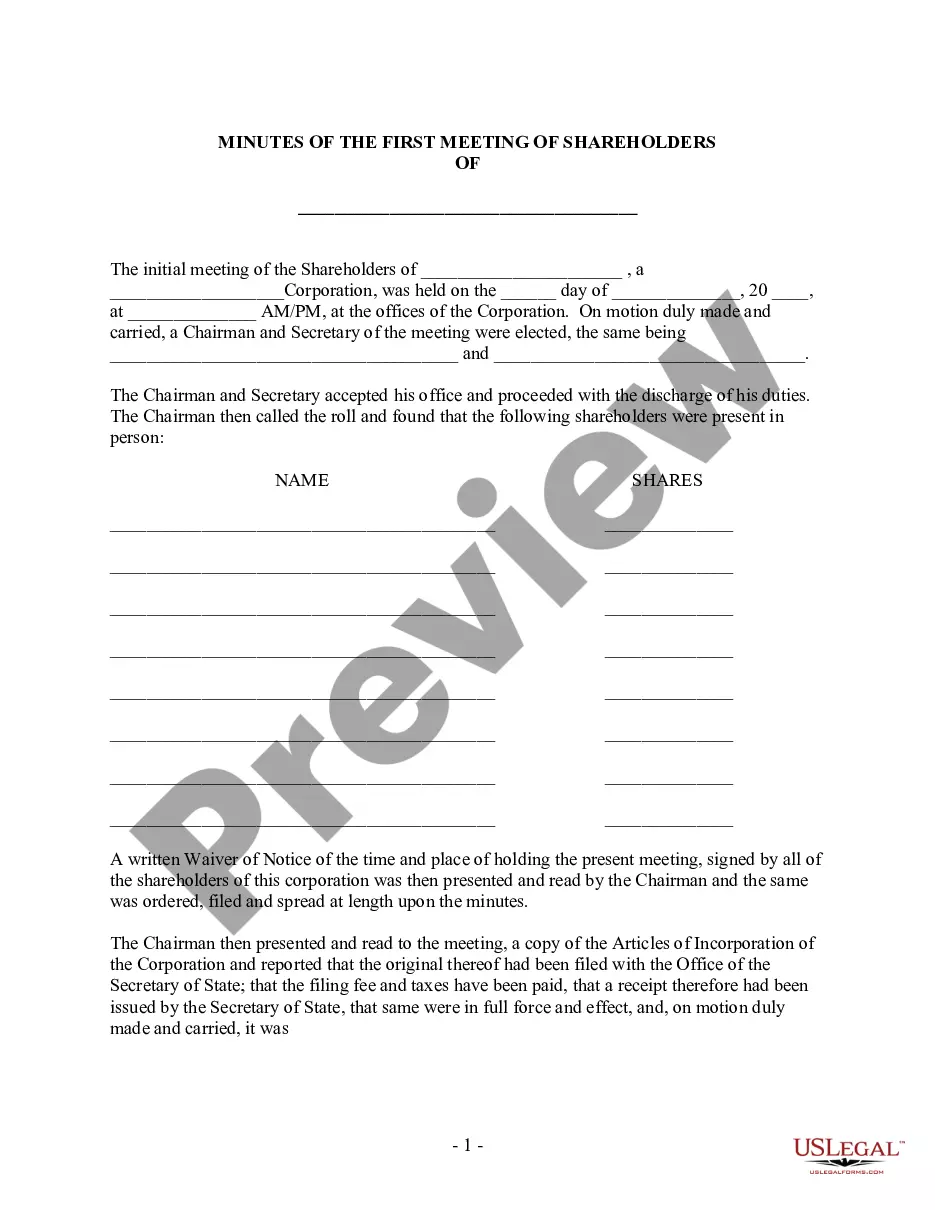
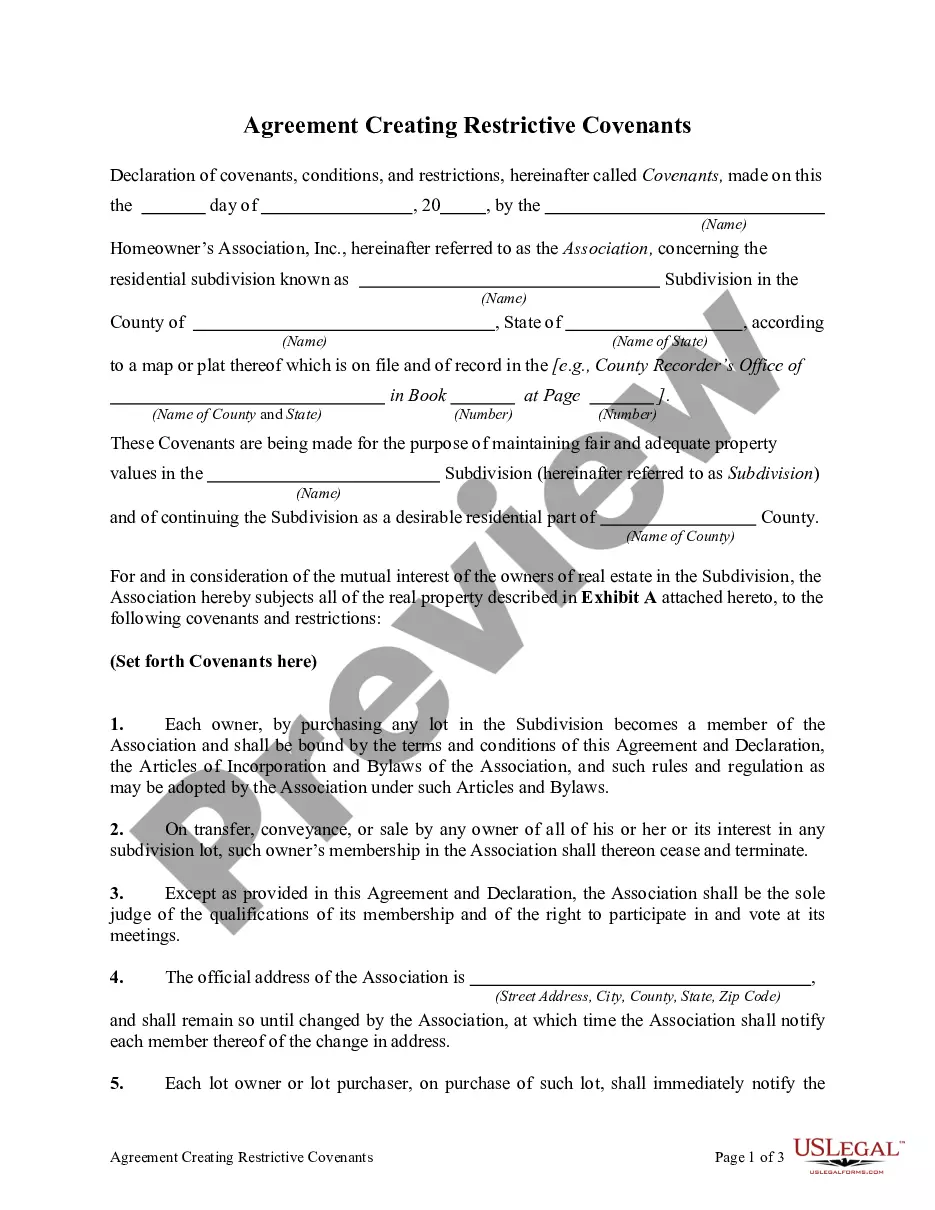
Covenant Is A Formal Agreement In Kings
Description

Get your form ready online
Our built-in tools help you complete, sign, share, and store your documents in one place.
Make edits, fill in missing information, and update formatting in US Legal Forms—just like you would in MS Word.
Download a copy, print it, send it by email, or mail it via USPS—whatever works best for your next step.
Sign and collect signatures with our SignNow integration. Send to multiple recipients, set reminders, and more. Go Premium to unlock E-Sign.
If this form requires notarization, complete it online through a secure video call—no need to meet a notary in person or wait for an appointment.
We protect your documents and personal data by following strict security and privacy standards.

Make edits, fill in missing information, and update formatting in US Legal Forms—just like you would in MS Word.

Download a copy, print it, send it by email, or mail it via USPS—whatever works best for your next step.

Sign and collect signatures with our SignNow integration. Send to multiple recipients, set reminders, and more. Go Premium to unlock E-Sign.

If this form requires notarization, complete it online through a secure video call—no need to meet a notary in person or wait for an appointment.

We protect your documents and personal data by following strict security and privacy standards.
Looking for another form?




Form popularity
FAQ
An agreement or promise to do or provide something, or to refrain from doing or providing something, which is meant to be binding on the party giving the covenant (who may be referred to as the "covenantor").
It means that he has committed himself to love us, to care for us, to protect us, and to lead us to heaven. And the fact that it is an eternal covenant means that he will remain committed to us forever. Speaking through the psalmist, God promises, “My faithfulness will stand as long as the heavens” (Psalm ).
Here are some fundamental differences: While a contract is legally binding, a covenant is a spiritual agreement. A contract is an agreement between parties while a covenant is a pledge. A contract is an agreement you can break while a covenant is a perpetual promise.
The Davidic royal covenant (2 Samuel 7) was made between God and David. It promised to establish David's dynasty forever, designating David and his descendants as the kings of the united monarchy of Israel (which included Judah). This covenant is an important element in Jewish messianism and Christian theology.
A covenant is a formal agreement or promise , usually included in a contract or deed , to do or not do a particular act.
Whereas two parties sign a contract, with covenants, two parties exchange promises. The big difference is even though a commitment is asked of the other party, their fulfillment of this commitment does not affect the covenant.
Within the gospel, a covenant means a sacred agreement or mutual promise between God and a person or a group of people. In making a covenant, God promises a blessing for obedience to particular commandments. He sets the terms of His covenants, and He reveals these terms to His prophets.
: a written agreement or promise usually under seal between two or more parties especially for the performance of some action.
In its broadest sense, a covenant is a promise, agreement, or contract between two parties. As part of the covenant, the two parties agree that certain activities will or will not be carried out.
A covenant is different than a contract, it's the mutual binding of lives together. Rather than something that protects its own interest from the other, it builds a new thing alongside one another.