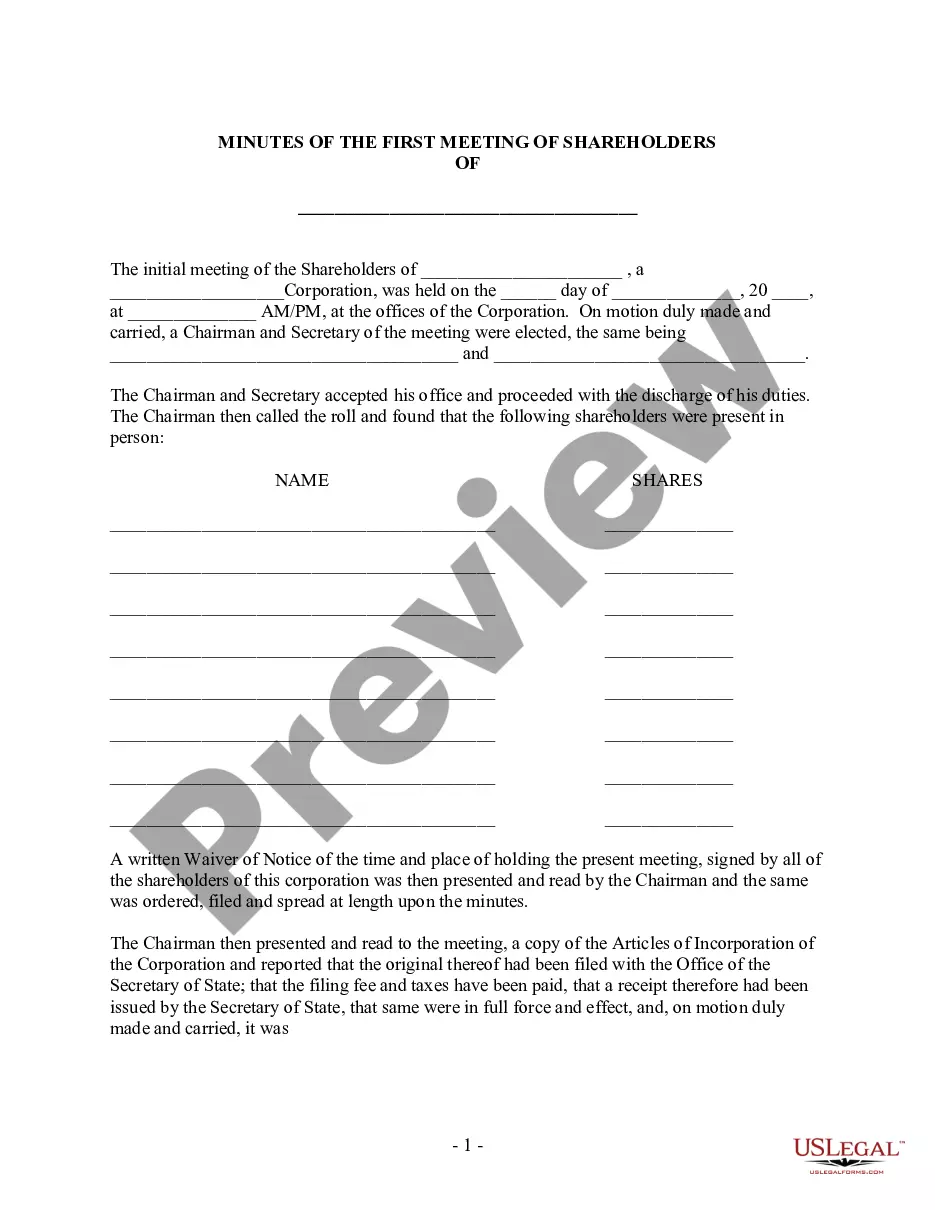
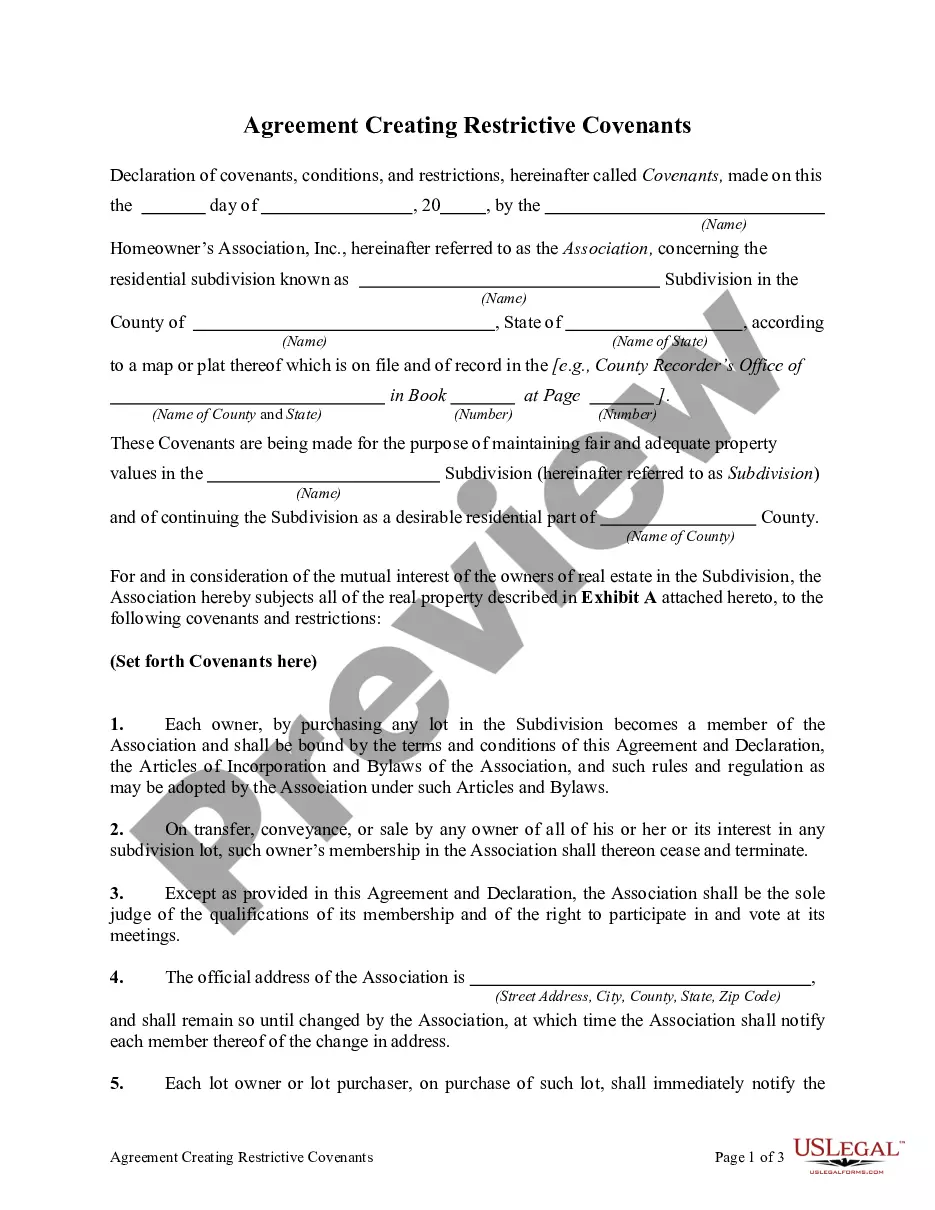
Covenant And Agreement Difference In Illinois
Description

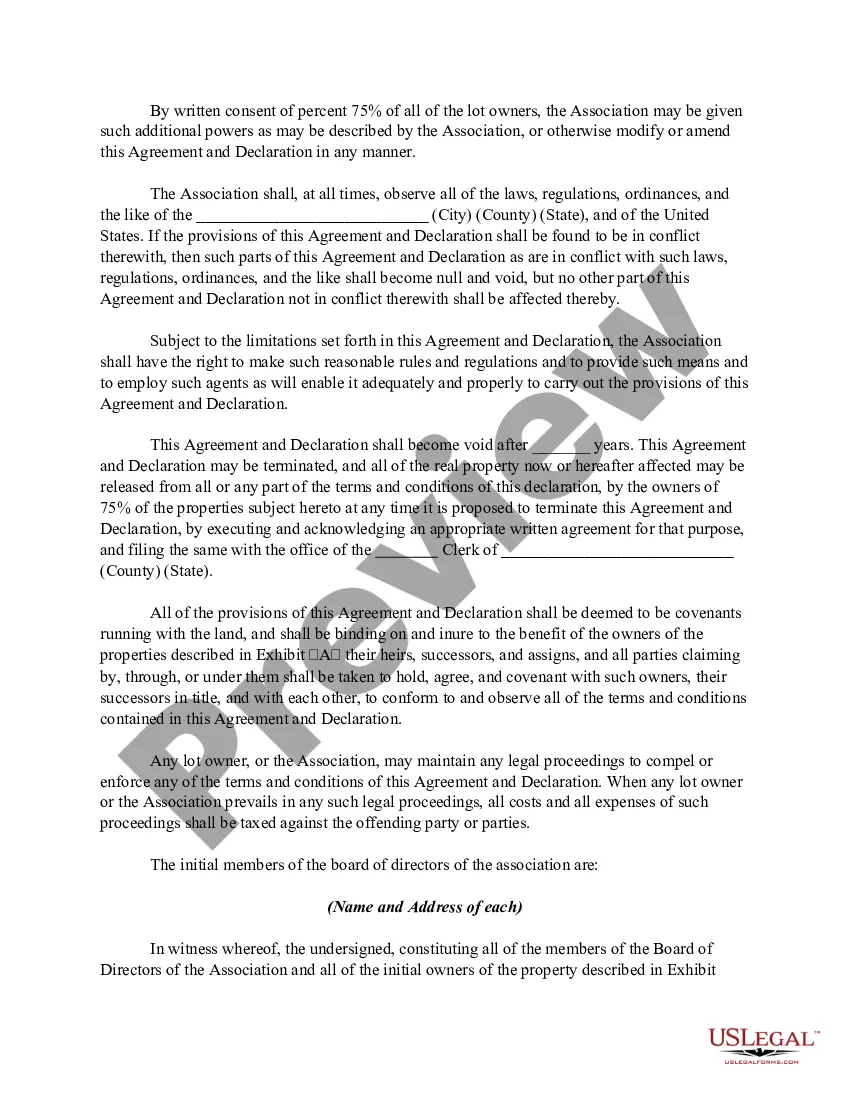
Get your form ready online
Our built-in tools help you complete, sign, share, and store your documents in one place.
Make edits, fill in missing information, and update formatting in US Legal Forms—just like you would in MS Word.
Download a copy, print it, send it by email, or mail it via USPS—whatever works best for your next step.
Sign and collect signatures with our SignNow integration. Send to multiple recipients, set reminders, and more. Go Premium to unlock E-Sign.
If this form requires notarization, complete it online through a secure video call—no need to meet a notary in person or wait for an appointment.
We protect your documents and personal data by following strict security and privacy standards.

Make edits, fill in missing information, and update formatting in US Legal Forms—just like you would in MS Word.

Download a copy, print it, send it by email, or mail it via USPS—whatever works best for your next step.

Sign and collect signatures with our SignNow integration. Send to multiple recipients, set reminders, and more. Go Premium to unlock E-Sign.

If this form requires notarization, complete it online through a secure video call—no need to meet a notary in person or wait for an appointment.

We protect your documents and personal data by following strict security and privacy standards.
Looking for another form?






Form popularity
FAQ
A contract is an agreement between parties while a covenant is a pledge. A contract is an agreement you can break while a covenant is a perpetual promise. You seal a covenant while you sign a contract. A contract is a mutually beneficial relationship while a covenant is something you fulfill.
Id. § 35(a). Finally, the amendment explicitly recognizes two limitations on its application. First, it only applies to agreements “entered into after the effective date” of the amendment (i.e., January 1, 2022) and is not retroactive.
Illinois has no statute or regulation governing non-compete agreements in employment for employees who make over $13 per hour. Illinois courts will only enforce a non-compete agreement if it is: ∎ Ancillary to either a valid contract or relationship. ∎ Supported by adequate consideration .
Non-compete provisions typically prohibit a former employee from working for a competitor for a period of time following the end of his employment. To be enforceable in Illinois, a non-compete agreement must be reasonably restricted in scope, geographic area, and duration.
The 2.5 miles radius would be reasonable. However, Illinois courts will not enforce a non-compete unless the employee received "something of value" in return. This is usually considered to be at least two years of employment or other benefits.
Thus, to be enforceable under Illinois law, an employee restrictive covenant must be (1) necessary to protect a legitimate business interest, (2) limited in terms of duration, geographic scope, and prohibited activity, (3) supported by sufficient consideration, and (4) ancillary to a valid employment agreement or sale ...
Proving there was a breach of your employment contract is another way that you can defeat a non-compete agreement. If your employer did not fulfill the employment contract terms, they likely can't force you to stick to a non-compete agreement. This is known as a material breach.
Covenants refer to contractual promises between parties to take or refrain from certain actions. Breaches allow for legal remedies but do not invalidate the contract. Conditions set requirements that must be met for the contract to be valid and enforceable. Failure to meet conditions can void the contract.
A covenant is different than a contract, it's the mutual binding of lives together. Rather than something that protects its own interest from the other, it builds a new thing alongside one another.